
Notas
P2a (part 2)
Conteúdo das notas (1)
Página 1
Work Done
When a force moves an object through a distance, energy is transferred and work is done
when something moves something else is providing energy to do so
The thing putting in energy needs s supply of energy (e.g electricity)
It does the work by moving an object
Energy is transferred
Whether energy is usefully transferred or wasted work is still done
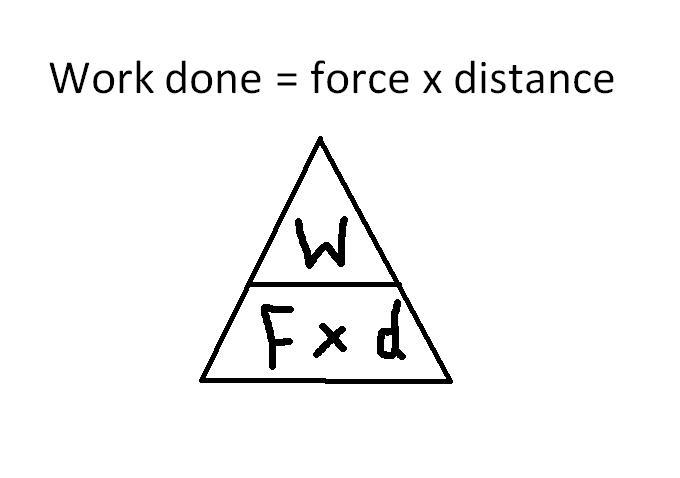
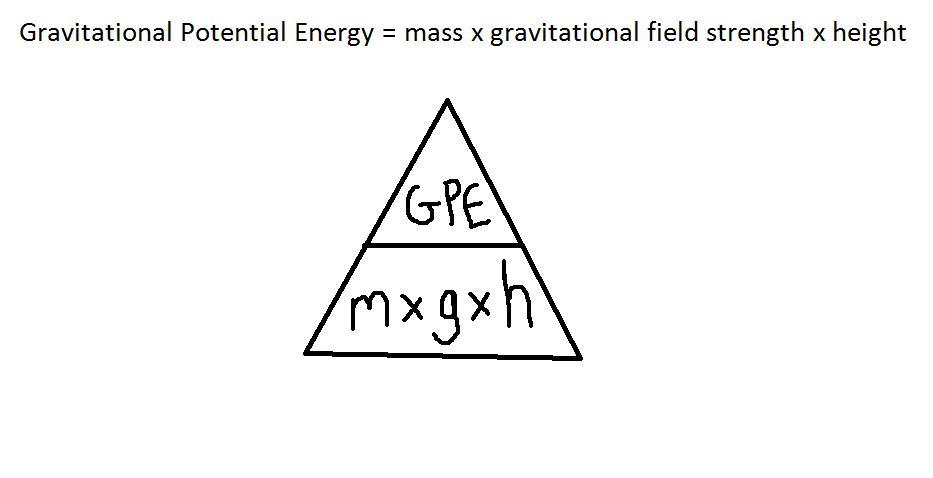
Gravitational Potential Energy
measured in joules (j)
On Earth always have gravity acting on us
When we are above the Earth’s surface we have potential (stored) energy
gravitational potential energy
The amount of gravitational potential energy an object on Earth has depends on its mass and height above the ground
On earth gravity is 10 N/kg
Kinetic Energy
Energy of movement
All moving objects have it
Kinetic energy of an object has depends on its mass and speed
Measured in joules

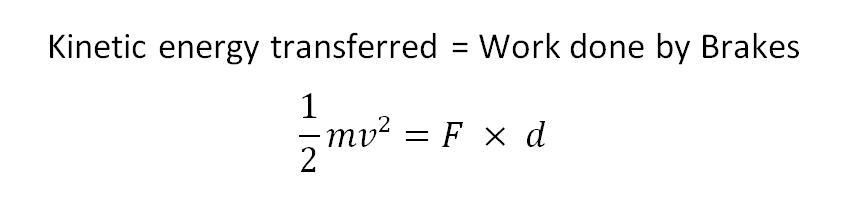
Kinetic Energy Transferred
is work done
moving car has lots of kinetic energy
To slow down this energy needs t be converted to something else
To stop a car kinetic energy is transferred into heat energy as friction
Falling objects convert kinetic energy to potential energy
Te further it falls the faster it goes
Kinetic energy gained = potential energy lost
Power
A measure of how quickly work is being done
and so how quickly energy is being transferred.
Forces and Elasticity
Work done to an elastic object is stored as elastic potential energy
If you apply force you might cause an object to stretch and change shape
After the force has been removed the object can return to it's original shape
If it can do this it is an elastic object
Work is done to an elastic object to make it change shape
Energy is not lost, but stored as elastic potential energy
This potential energy is converted to kinetic when the force is removed
e.g. a spring bouncing back into position
Hooke's Law
When an elastic object - such as a spring - is stretched, the increased length is called its extension. The extension of an elastic object is directly proportional to the force applied to it:
F = k × e
F is the force in newtons, N
k is the 'spring constant' in newtons per metre, N/m
e is the extension in metres, m
This equation works as long as the elastic limit (the limit of proportionality) is not exceeded
If a spring is stretched too much, for example, it will not return to its original length when the load is removed
The spring constant The spring constant k is different for different objects and materials
It is found by carrying out an experiment
For example, the unloaded length of a spring is measured
Different numbers of slotted masses are added to the spring and its new length measured each time
The extension is the new length minus the unloaded length
Assuming the limit of proportionality (elastic limit) is not exceeded, a graph of force against extension produces a straight line that passes through the origin
The gradient of the line is the spring constant, k. The greater the value of k, the stiffer the spring
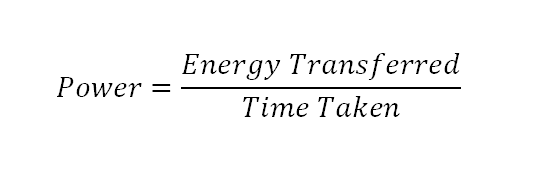
Calculating power Here is the equation which relates power to work done (or energy transferred) and time:
P is the power in watts, W
E is the work done (or energy transferred) in joules, J
t is the time taken in seconds, s.
For example, an electric drill transfers 3000 J in 15 s. What is its power?
Power = 3000 ÷ 15 = 200 W
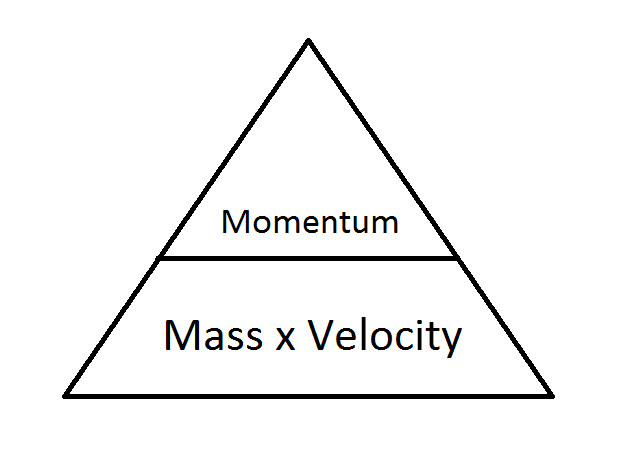
Momentum
A moving object has momentum
The tendency of the object to keep moving in the same direction
It is difficult to change the direction of movement of an object with a lot of momentum
Measured in kg m/s
Direction
momentum doesn't just depend on the object’s mass and speed
Velocity is speed in a particular direction, so the momentum of an object also depends on the direction of travel
This means that the momentum of an object can change if:
The object speeds up or slows down
The object changes direction
Work and potential Energy
Kinetic Energy
Elasticity and Power
Momentum
Informações
- Descrição
- Notas sobre P2a (part 2), criado por Hafsah Yaser em 15-10-2016.
- Criado por
- Hafsah Yaser · out 2016
- Atualizado
- 16 out 2016
- Visualizações
- 1
- Tags
- Histórico
-
- Criado por juliasutton · 23 abr 2014
- Copiado por Hafsah Yaser · 15 out 2016
- Avaliação