
Notas
Food Resource Management
Conteúdo das notas (5)
Página 1
Global Patterns of Food Consumption
Food security is when the entire population has access to sufficient, nutritious food at all times.
People who do not have food security often suffer from undernourishment.
The world produces more than enough food for the global population, but the food is not distributed equally and many do not have access to food.
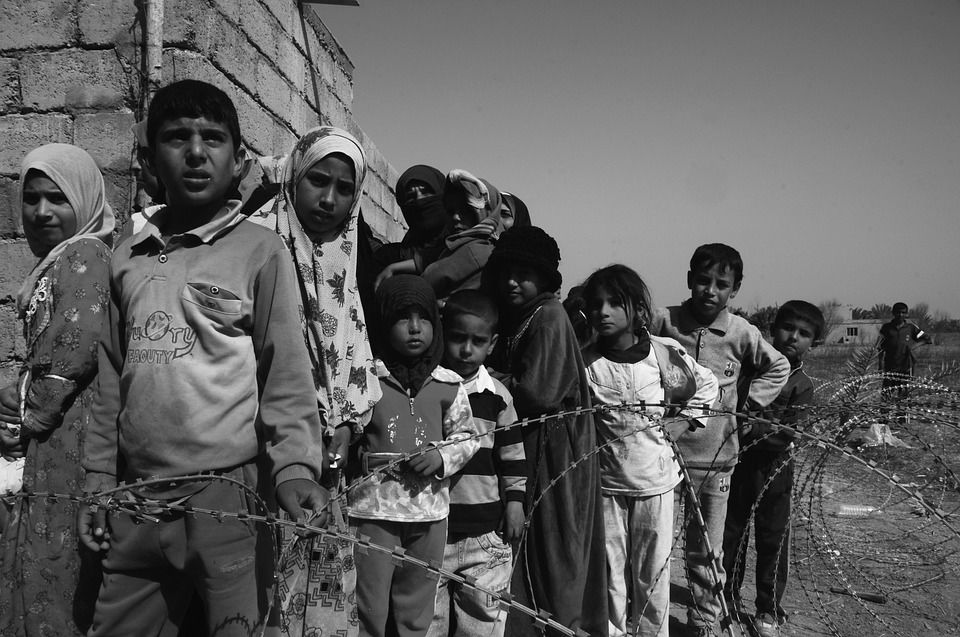
Countries suffering the most from food insecurity can be found in sub-Saharan Africa.
The type of food eaten can also cause undernourishment;
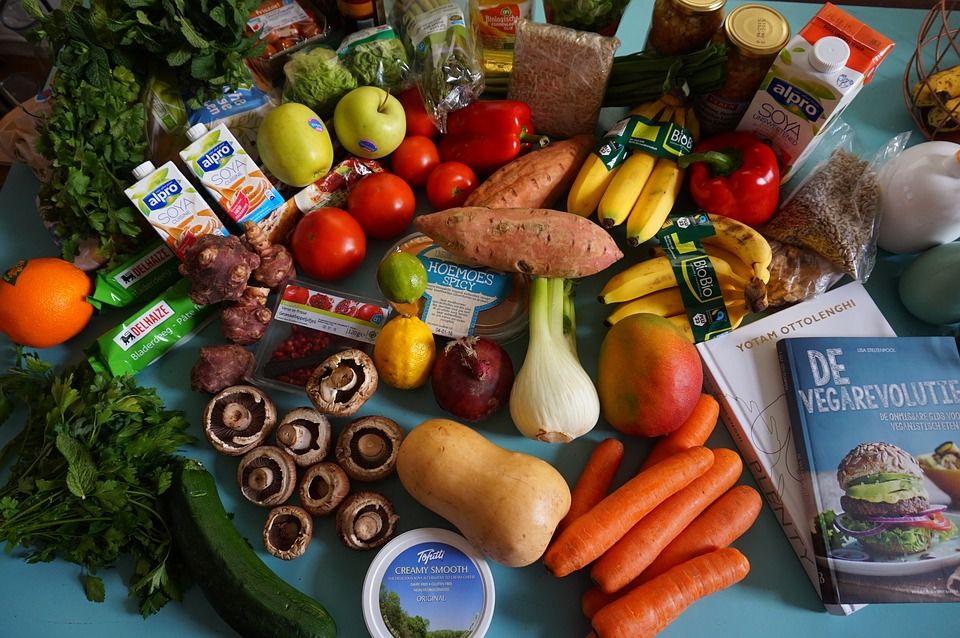
Most developed countries have a mixed diet of meat, dairy, vegetables, and grains.
Poorer countries may only have access to cereals which, despite having high caloric value, have little to no nutrients.
Página 2
Increasing Demands for Food
The global demand for food is increasing, particularly in areas of food insecurity.
The population is growing rapidly; countries of the Global South have the fastest population growth.
With economic development comes a higher standard of living, this causes a change in diet. There is a higher demand for meat and dairy products instead of grain. As wealth continues to grow, demand rises for processed foods.

Página 3
Factors Affecting Food Supply
Climate:
Drought is the most common cause of food insecurity; losses of crops and livestock are common during drought and there is an increased risk of desertification.
Floods caused by tropical storms wash away food supplies.
Climate change can alter weather patterns, this has a strong impact on agriculture.
Pests and diseases:
Less developed countries tend to be more vulnerable to diseases and pests than high income countries.
Poorer countries often do not have the money to buy pesticides.
Pests such as locusts are common in warmer climates.
Cattle diseases, such as bovine pleuropneumonia and Rift Valley fever are prevalent with locusts.
Diseases such as AIDS and Malaria can reduce the workforce available to work in agriculture.
Technology:
Less developed countries are usually unable to afford new farming technologies.
Infrastructure is usually lacking in these countries, this makes farming difficult due to the lack of irrigation systems, roads, and machinery.
Water Supply:
Water insecurity is common in areas that have food insecurity.
Water stress can also occur where water supplies are polluted, this is common after flood events or with standing water.
Less developed countries cannot implement effective irrigation schemes.
Conflict:
Wars can disrupt food production.
In times of war, food can become a weapon; food supplies can be seized and destroyed.
Wells and water supplies can be deliberately polluted.
Aid workers are often prevented from reaching the effected areas.
Página 4
Strategies to Increase Food Supply
Irrigation:
Irrigation is used to supply water to areas that do not receive enough precipitation for agriculture.
Irrigation is mainly used in arid and semi-arid climates.
This can be very expensive to implement.
Large-scale schemes often push people off the land.
Salinisation and waterlogging can occur in the soil.
Competition for water supplies can created by irrigation schemes, leading to water scarcity with local farmers.
Aeroponics:
Aeroponics is using air instead of soil to grow plants.
This is usually done in a greenhouse.
Nutrients and water are sprayed onto the roots of the plants.
These plants tend to grow faster as the roots are exposed to more oxygen.
This is expensive to implement and requires expertise of the plants being grown.
Hydroponics:
Plants being grown in the water are done using a hydroponics system.
The roots of the plant are placed in a nutrient bath, there are various ways of doing this.
Plants tend to grow faster than when in soil.
This is done with plants such as lettuce and tomatoes.
Diseases found in soil are usually eliminated by this process.
Biotechnology:
Biotechnology is when plants are genetically modified.
This can prompt increased vitamins and proteins in crops.
Crops can be developed to resist drought and high salt content in soil.
Crops tend to grow faster and have a much longer shelf-life.
This is usually done for animal feed.
Appropriate Technology:
This is a low-tech strategy which involves the education of low-income farmers to grow the correct crops for the soil and in an efficient manner.
This can increase crop yield and minimise investment costs for poorer farmers.

Página 5
Managing Food Supplies into the Future
Permaculture (permanent agriculture):
This is the creation of food systems that cooperate with nature.
An example of this is using ladybugs to kill aphids instead of chemical pesticides.
This reduces the negative impact on the environment.
Organic farming:
Organic farming is becoming more popular worldwide.
Low income countries often export organic food to high income countries.
This reduces environmental impacts and the cost of production.
Local food:
The production of local food reduces dependence on imports and food miles.
This reduces crops grown for export in less developed countries so that food can be given to the local population.
Carbon emissions are reduced in this process.
Seasonal food:
Growing local and seasonal food can reduce the need for greenhouses that produce out of season foods.
This can reduce carbon emissions.
Urban farming initiatives:
Urban farming initiatives promote garden space being created in unused urban areas.
This will promote local and seasonal produce while promoting a sense of community.
These are usually run on a volunteer basis.
Eating sustainable meat and fish:
Meat production has a large environmental impact.
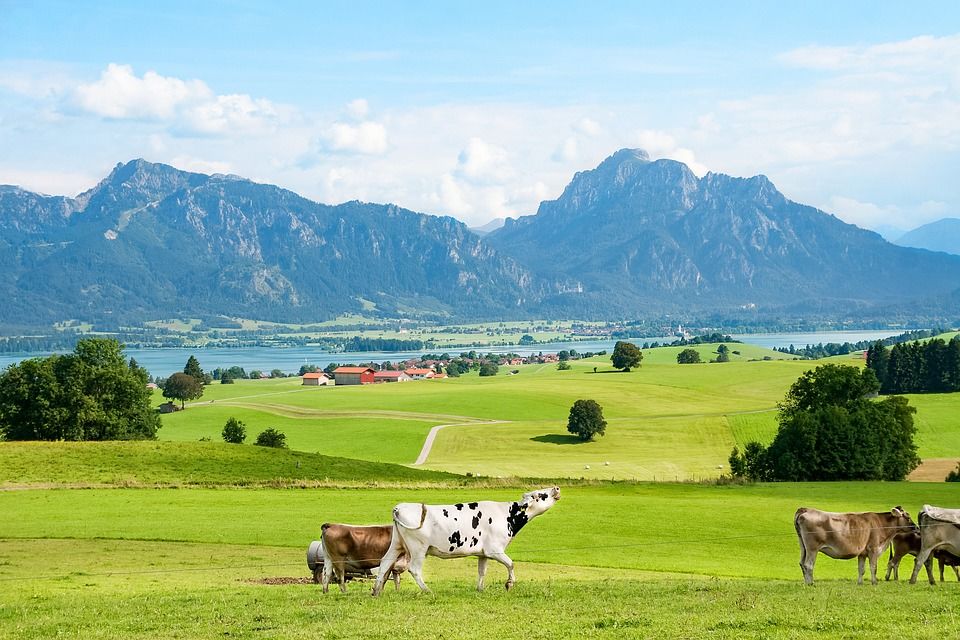
Sustainable farming promotes the outdoor grazing of livestock to maintain landscapes such as the UK moorlands.
Free range farming of poultry is also a part of this scheme.
Sustainably produced meat is often labelled with the Freedom Food logo.
Sustainable fishing aims to reduce overfishing and the decline of fish populations; this can be done by having larger gaps in fishing nets to allow younger fish to escape, and by following fishing quotas.
Reducing food waste:
Large amounts of food in high income countries goes to waste due to poor storage, transport, and packaging.
Approximately 1/3 of the food produced for human consumption is thrown away.
This contributes to food insecurity and landfills, as well as having an economic impact on the producers.
Food loss can be reduced by encouraging people to shop more carefully, using leftovers, composting, and producing smaller portions of food.
Supermarkets can be asked to reiterate the difference between "sell by" and "use by" dates on the packaging of foods.
Informações
- Descrição
- O usuário eliminou as informações de disciplina Notas sobre Food Resource Management, criado por Usuário eliminado em 29-06-2017.
- Criado por
- Usuário eliminado · jun 2017
- Atualizado
- 29 jun 2017
- Visualizações
- 20
- Histórico
-
- Criado por Antonia Blankenberg · 26 jun 2017
- Copiado por Antonia Blankenberg · 29 jun 2017
- Avaliação