
Hitler Becomes Chancellor 1933
Slides do conjunto (3)
-
- July 1932:
- Reichstag elections of 1932 - Nazis were the largest party with 230 seats
- Hitler demanded to be chancellor
- Hindenburg refused and and kept the current chancellor, Franz von Papen
- Hindenburg used his emergency powers to pass measures von Papen hoped would solve Germany's economic problems
- Von Papen had no support in the Reichstag and another election was called
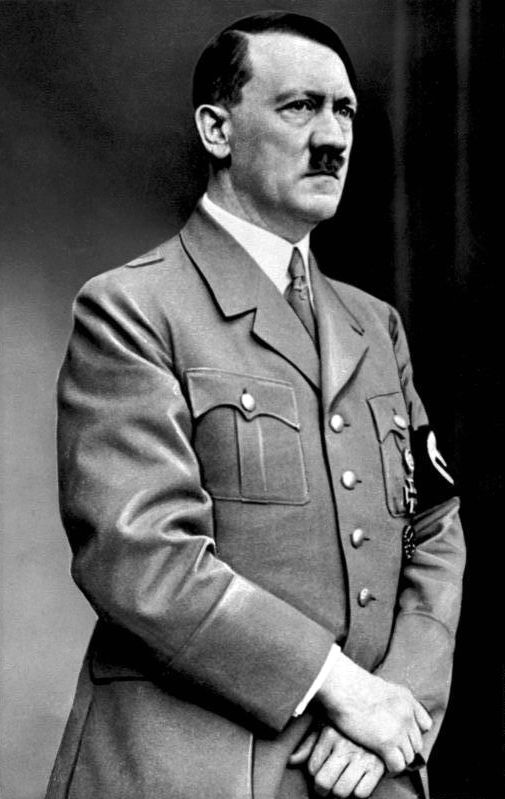
- Legenda: Adolf Hitler (1889-1945)
-
- November 1932:
- Nazis came out as the largest party, although their share of the vote fell
- Hitler regarded the election as a disaster
- They lost 2 million votes and 38 seats in the Reichstag
- Also the Nazi Party began to run out of funding
- December 1932:
- Hindenburg refuses to make Hitler chancellor again
- Appoints his own adviser, Kurt von Schleicher, as the new chancellor
- Von Schleicher is forced to resign within a month
- Proportional representation meant no single political group could provide strong rule
- Hindenburg was ruling the country under his emergency powers, under the support of army leaders and rich industrialists
- Germany needed a chancellor who had the support of the Reichstag
-
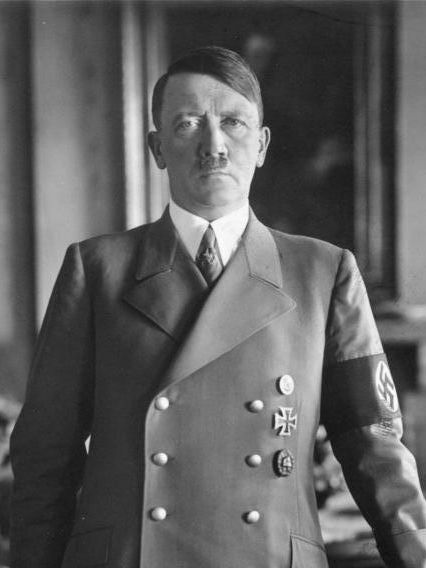
- January 1933:
- Hindenburg and von Papen met with industrialists, army leaders and politicians in secret
- On January 30, to the surprise of everyone, they offered Hitler the post of chancellor
- With only a few Nazis in cabinet and von Papen as vice-chancellor, they were confident they could limit Hitler's influence and demands
- Hindenburg and von Papen were wrong to believe they could control Hitler
Informações
- Descrição
- O usuário eliminou as informações de disciplina Slides sobre Hitler Becomes Chancellor 1933, criado por Usuário eliminado em 11-07-2017.
- Criado por
- Usuário eliminado · jul 2017
- Atualizado
- 11 jul 2017
- Visualizações
- 102
- Histórico
-
- Criado por Andrew Burke · 5 jul 2017
- Copiado por Andrew Burke · 11 jul 2017
- Avaliação