
Wounds and Injuries
Slides do conjunto (4)
-
- Over 22 million men were wounded during the course of the war both physically or psychologically. Medical services had never coped with wounds and injuries from such a variety of weapons before.
- Rifles - automatic rapid fire guns, with a pointed tip - these bullets travelled further through flesh from a long distance.
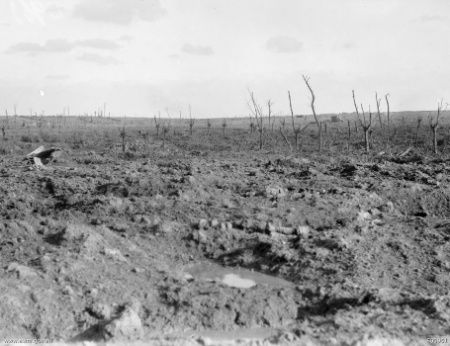
- Machine guns - capable of 500 rounds per minute. They would devastate any group of advancing soldiers who attempted to cross no-man's land.
- Artillery - Britain developed the Howitzer guns (could fire shells over 19km); these shells caused over one-half of injuries sustained on the front line.
- Legenda: No-Man's Land
-
- Wounds from rifle, bayonet and machine guns:
- Bullets from rifles and machine guns could break major bones and pierce vital organs
- Over 60,000 British soldiers suffered head and eyes bullet wounds
- Over 41,000 had limbs amputated due to gunshot wounds
- Shelling and shrapnel wounds:
- Artillery shells were the most feared weapon and caused the highest number of casualties
- Designed to explode 4 to 5 metres above ground
- Fragments of iron and hundreds of other metal fragments inside the shells could tear off limbs and shatter bones
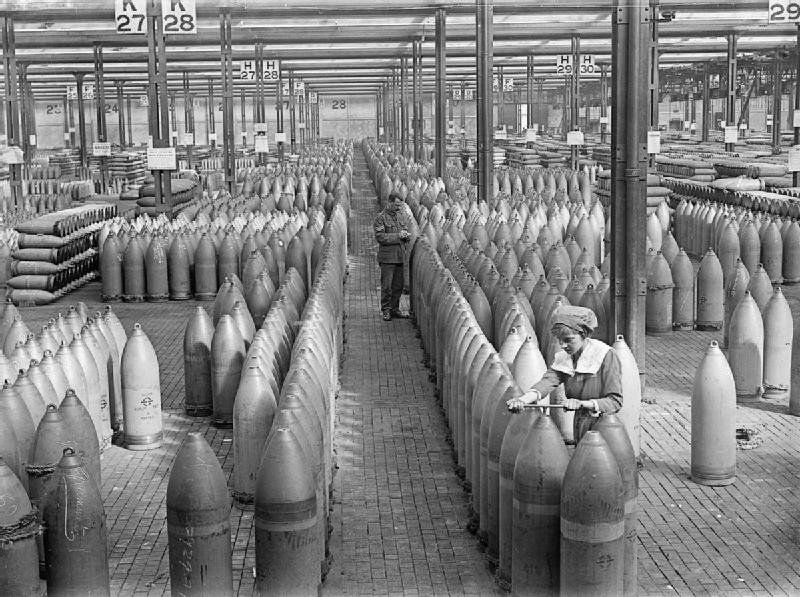
- Legenda: Artillery shells in a factory
-
- Gas was first used as a weapon at the Second Battle of Ypres in April 1915, at this point soldiers had no protection. Three main gases were used on the front:
- Chlorine gas: the gas stripped away the linings of the lungs, causing immediate choking and eventual victims drowning from water produced in their own lungs.
- Phosgene gas: 18 times more deadly than chlorine; 48 hours until death. In this 48 hours, victims experience spasms and vomiting; the lungs fill up with yellow liquid and the victim drowns.
- Mustard gas: first utilised in 1917 but not that deadly as 2% of victims died. The gas attacks the surface of the skin causing intense burning.
- Gas attacks clogged up medical treatment areas with doctors having to give sufferers oxygen and wash skin to remove traces of poison gas.
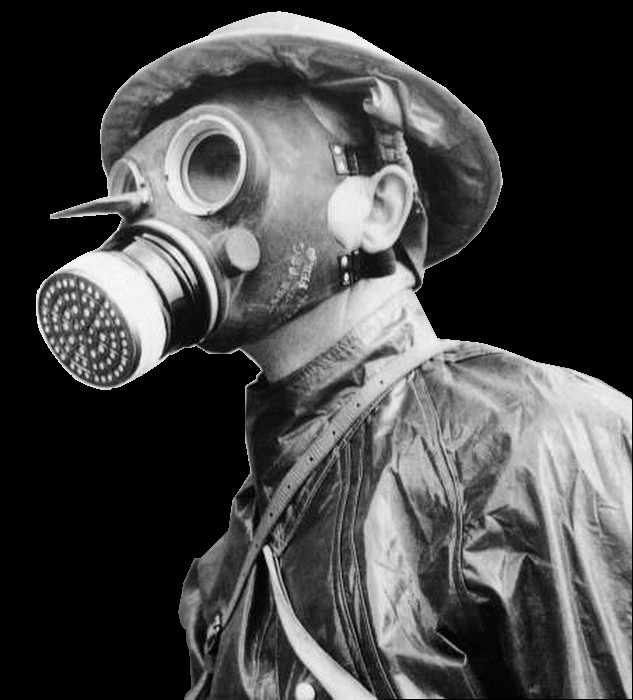
- Legenda: Gas Mask
-
- Shell Shock:
- Artillery attacks could last for days and sometimes weeks, with this constant bombardment, soldiers had to shelter themselves as best as possible to prevent injury. From these events, many soldiers suffered from 'shell shock'; soldiers experienced anxiety, nervous tics and severe nightmares. By 1918, there was over 80,000 diagnosed cases of shell shock. This was roughly 1.3% of all casualties. Initial forms of treatment involved keeping men at the front, feeding them and calming them down through conversation. In some cases, soldiers were sent to hospitals where specialist centres for treating shell shock were developed.
Informações
- Descrição
- O usuário eliminou as informações de disciplina Slides sobre Wounds and Injuries, criado por Usuário eliminado em 12-07-2017.
- Criado por
- Usuário eliminado · jul 2017
- Atualizado
- 12 jul 2017
- Visualizações
- 55
- Histórico
-
- Criado por Andrew Burke · 10 jul 2017
- Copiado por Andrew Burke · 12 jul 2017
- Avaliação