
Notas
Florence Nightingale
Conteúdo das notas (3)
Página 1
Changes in the 19th Century
The two largest developments in the 19th century for patient care were:
The professionalisation of nursing
Planned design of hospitals
(Florence Nightingale was the key influence in regards to both these developments).
As the population grew throughout the 19th century the pressure to provide adequate medical care resulted in the setting up of general hospitals across the country. Patient numbers across England and Wales were up from 3000 (1800) to 7619 (1851). Specialist hospitals also began to appear to deal with specific cases, while small hospitals began popping up in rural areas in the 1860s run by general practitioners.
With this major growth in hospitals, conditions for patients were generally poor. Infection spread quickly and due to wards not being sanitary, the death rate from infection was high. The standard for nursing was poor and often nurses were untrained and seen as dirty and ignorant. The most common complaints against nurses related to their hygiene and being drunk while working. Nursing was certainly not a respected profession and was not seen as a healthy career choice.
Página 2
Florence Nightingale and Nursing
The profession of nursing was changed by the actions of a number of females who cared for British soldiers during the Crimean War (1854-56).
Impact of the Crimean War:
First war reports were sent back to Britain via the telegraph system
The public were reading about the awful conditions experienced by sick and wounded British soldiers
Nightingale became interested in helping from a report she read in The Times
Nightingale believed God wanted her to be a nurse
She trained in Germany and Paris during the early 1850s
She worked in several hospitals in England before the outbreak of the Crimean War
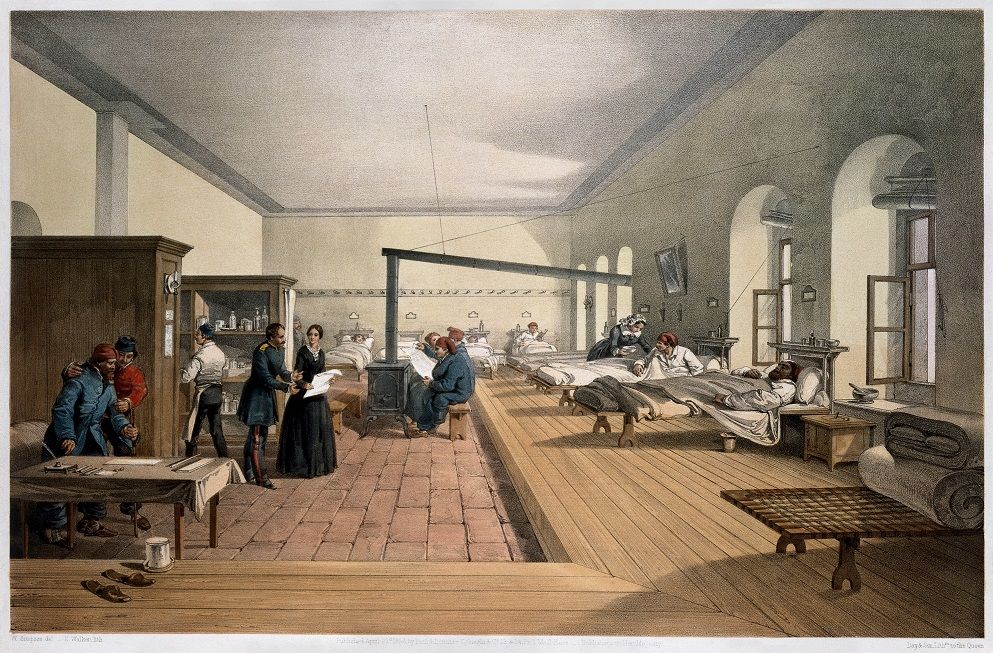
After receiving government funding, Nightingale took 38 nurses with her to the British military hospital in Scutari. When they arrived in November 1854 they were shocked with the conditions of the field hospital. There were about 1,700 wounded and sick soldiers whom were suffering from cholera and typhoid and lying in filthy wards. While there was also a lack of medical supplies and army doctors did not want to see Nightingale around.
Nightingale had the support of both the Minister of War Supplies and head of the Army Medical Dept. who ensured she obtained sufficient supplies of the medical items needed. While she had financial backing from The Times.
Nightingale's first task was to clean up the wards, then patients were instructed to wash regularly and change clothes and bedding often. Patients were also separated according to their illness, and each patient was given plenty of room in a bed and windows were left open to circulate air. The death rate in the hospital in six months fell from 42 per 100 patients to 2 in every 100.
Página 3
The Birth of Modern Nursing
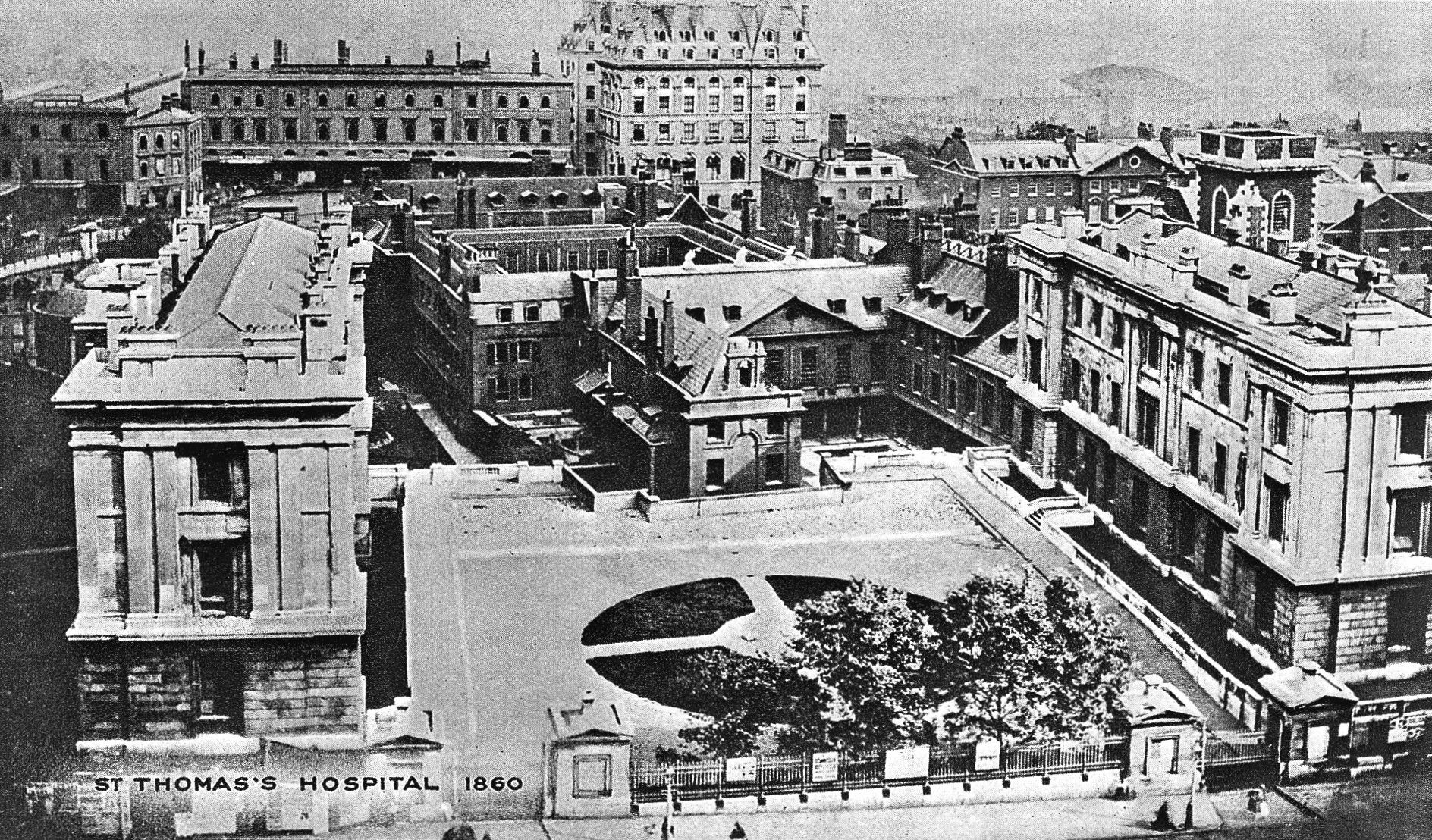
Nightingale returned to Britain in 1856 and set up a public fund which raised £50,000. This was mainly utilised to establish the Nightingale School of Nursing in St Thomas' Hospital in London.
1859 - Nightingale published the Notes on Nursing which outlined the training for nurses. The training was practical and strict:
Nurses were only allowed go out in pairs
They had to live in the hospital
They had to keep a diary of their work which would be inspected monthly
They were taught to keep high standards of hygiene and to change dressings and to be proper assistants to both doctors and nurses. Nurses began to become an essential part of patient care and treatment. By 1900 nursing schools opened around the country promoting models based on Nightingale's ideas.
1863 - Nightingale published Notes on Hospitals to introduce new ideas about the design of hospitals. She argued that new hospitals should consider 'the proper use of fresh air, light, warmth, cleanliness, quiet and the proper selection and administration of diets'. St Thomas' underwent rebuilding in 1868 and adopted the 'pavilion principle' developed by Nightingale. This consisted of six separate wards at right angles to a long, linked corridor which fostered good circulation of air.
In 1850, there was no trained nurses in Britain and by 1901 there were 68,000. In 1899, the International Council of Nurses was established in London. Nursing was finally a recognised profession and Florence Nightingale can be thanked for this. By the end of the 19th century, many towns and cities had new hospitals built and their designs consisted of many of the recommendations put forward by Florence Nightingale.
Informações
- Descrição
- O usuário eliminou as informações de disciplina Notas sobre Florence Nightingale, criado por Usuário eliminado em 21-07-2017.
- Criado por
- Usuário eliminado · jul 2017
- Atualizado
- 21 jul 2017
- Visualizações
- 29
- Histórico
-
- Criado por Andrew Burke · 21 jul 2017
- Copiado por Andrew Burke · 21 jul 2017
- Avaliação