
Notas
Deserts and Changing Climates
Conteúdo das notas (5)
Página 1
Climate Change and Drylands
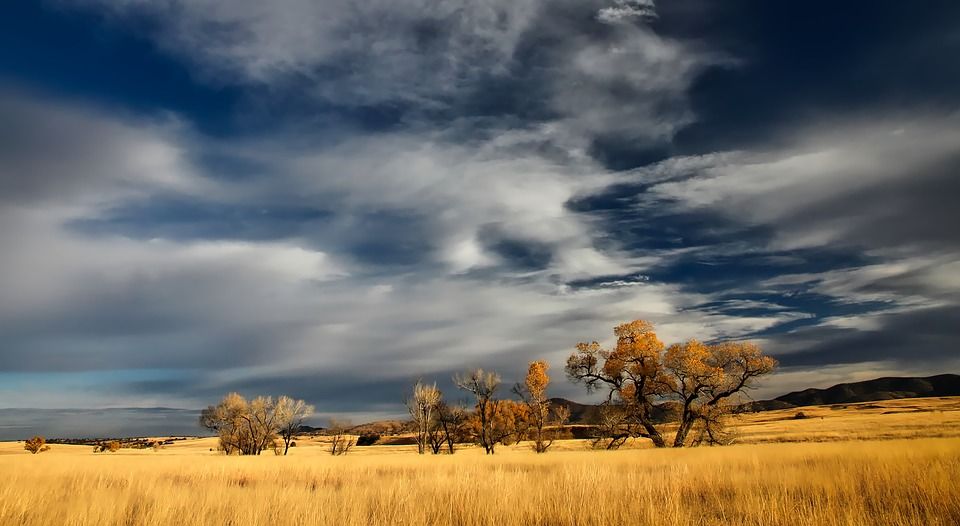
The climate in dryland regions has fluctuated between wet and dry conditions for the last 500,000 years.
Many of the landforms found in drylands today were formed during previous wet conditions.
Periods of wet conditions in drylands are known as pluvials and can last thousands of years.
In the Sahara Desert, the most recent pluvial was between 6,000 and 10,000BP (before present). This pluvial was caused by the migration of the ITCZ (Inter-Tropical Convergence Zone) to the north, bringing wetter conditions and the spread of grassland and forest. During this time, rainfall was as high as 600mm per year, leading to the formation of river systems.
Many deserts have also undergone glacial conditions during the last ice age.
Página 2
Pluvial Conditions and Geomorphic Processes
Pluvial conditions in desert regions enhanced the processes of weathering, erosion and mass movement, particularly with rivers.
Many current desert landforms are merely fossils of previous activity.
Rates of chemical weathering rise dramatically during pluvials due to the availability of water. Processes such as freeze-thaw and exfoliation, however, decrease.
The rates of procession of inselbergs, for example, would be higher during a pluvial.
Surface streams and rivers form landforms such as canyons, bajadas and pediments.
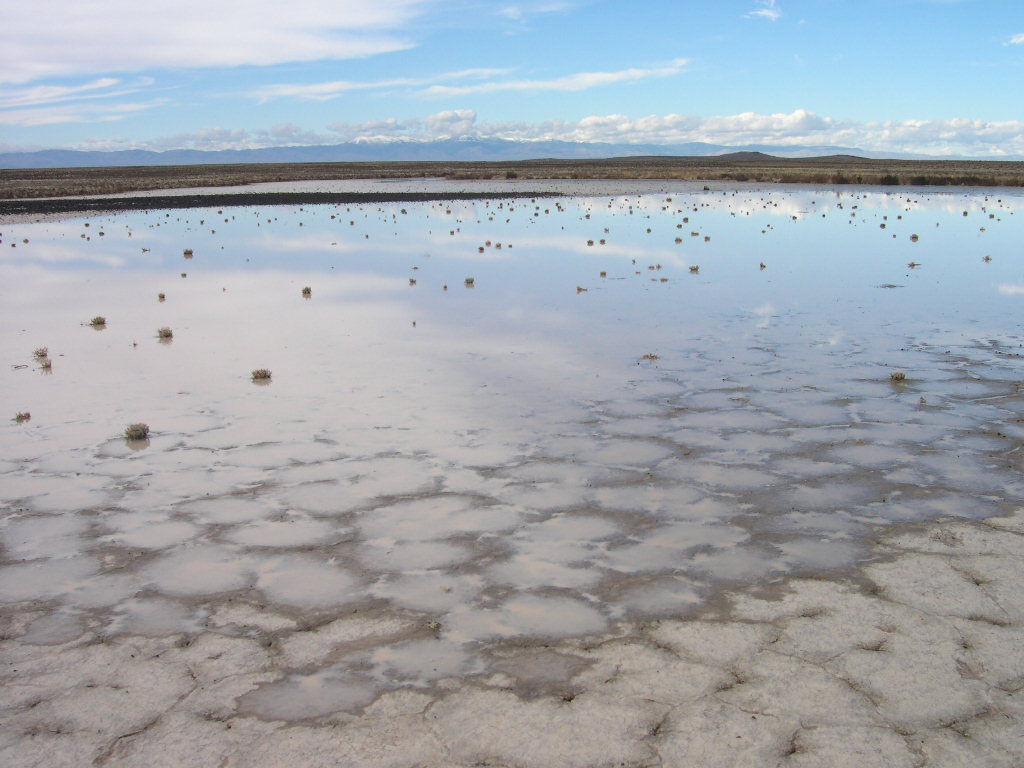
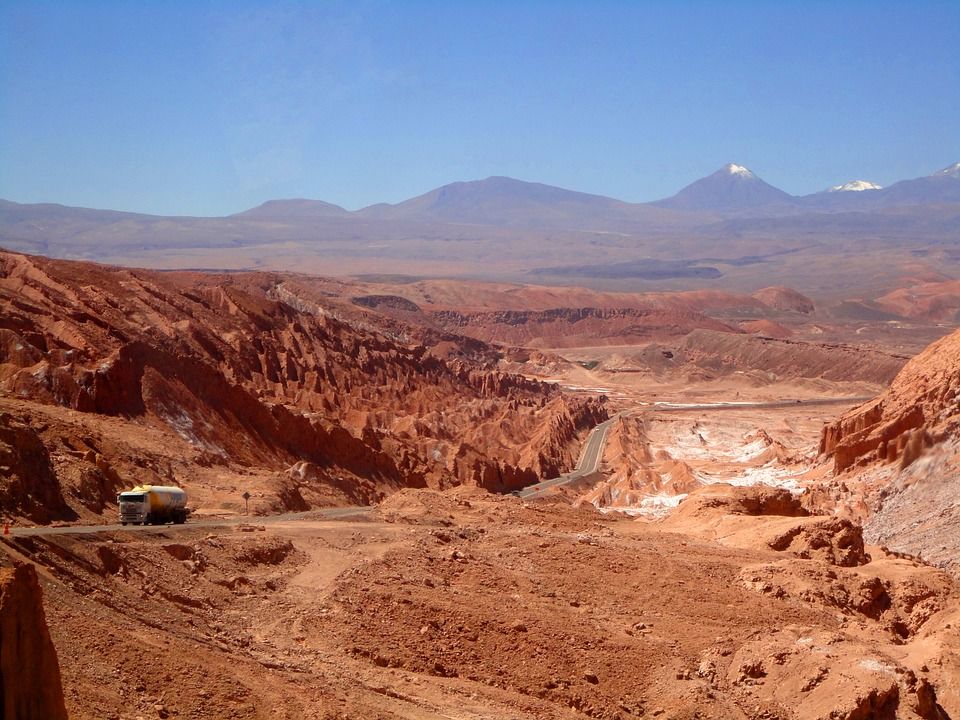
Many salt flats and playas are relics of pluvial lakes.
Página 3
Modification of Pluvial Landforms and Future Changes
As drylands became more arid, processes such as weathering and erosion slowed down.
However, a decrease in vegetation and soil cover has allowed run-off to increase.
Drier conditions have caused the processes of aeolian transportation and erosion to increase.
Pluvial rivers have disappeared and pluvial lakes have shrunk in size. The lakes that remain are generally saline due to the high evaporation rates.
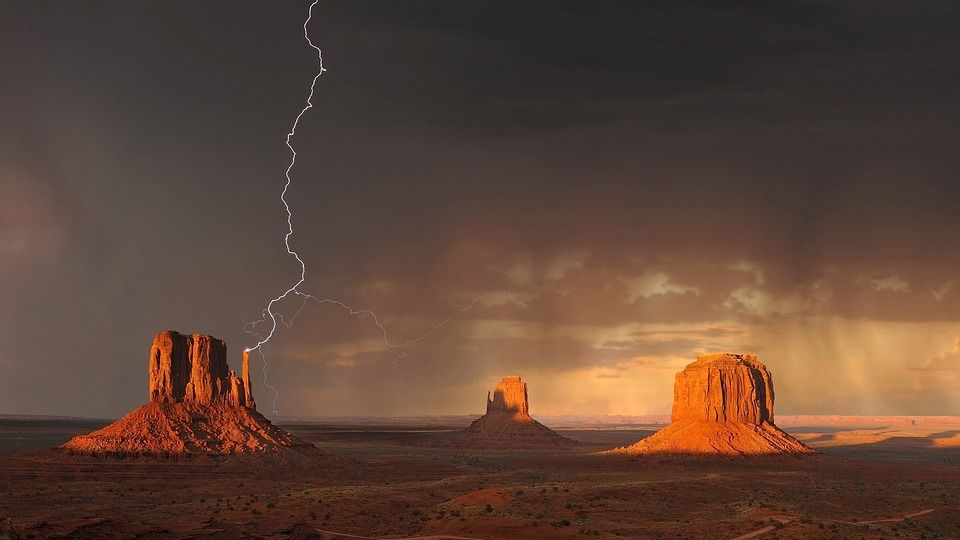
Moving into the future, even drier conditions are forecast for desert landscapes. This means that dune systems and aeolian processes may become more widespread.
Página 4
Glacial Conditions and Geomorphic Processes
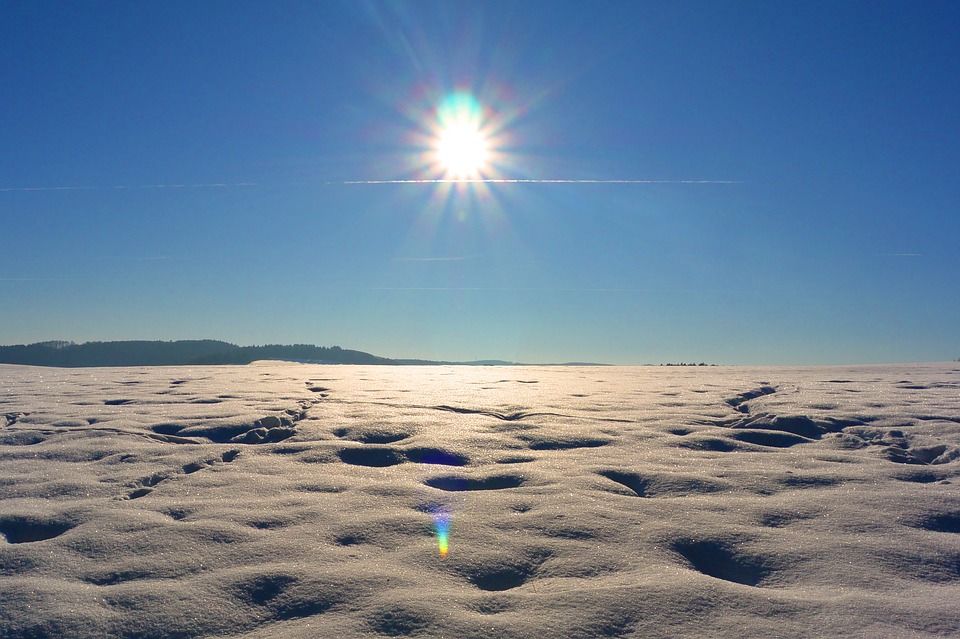
The word periglacial refers to an area adjacent to a glacier or ice sheet or otherwise subject to repeated freezing and thawing.
Periglacial processes were active in mid- and low-latitude deserts up to 10,000 years ago.
The mountains of central Arizona and New Mexico have extensive talus slopes. These are formed by frost shattering processes.
Other landforms such as pingos can also be found in deserts.
On a smaller scale, micro-features such as cryoturbation structures and ice wedge casts can be seen in some dryland areas such as the Gobi Desert.
Glacial processes have left behind a large amount of sediment deposits across most of the world.
Página 5
Modification of Glacial Landforms
Glacial landforms in modern deserts are relict features because, of course, there are no glacial processes operational there today.
Present-day processes of erosion and deposition are modifying and destroying these landforms.
In lower latitudes, features such as blockfields are affected by exfoliation and salt weathering.
Flash flooding can wash away glacial deposits and features.
Talus slopes are prone to frost shattering and rainfall.
Aeolian processes can remove glacial sediment and bury landforms under deposited material.
Informações
- Descrição
- O usuário eliminou as informações de disciplina Notas sobre Deserts and Changing Climates, criado por Usuário eliminado em 17-08-2017.
- Criado por
- Usuário eliminado · ago 2017
- Atualizado
- 17 ago 2017
- Visualizações
- 112
- Histórico
-
- Criado por Antonia Blankenberg · 17 ago 2017
- Copiado por Antonia Blankenberg · 17 ago 2017
- Avaliação