
Conscientious Objectors
Slides do conjunto (6)
-
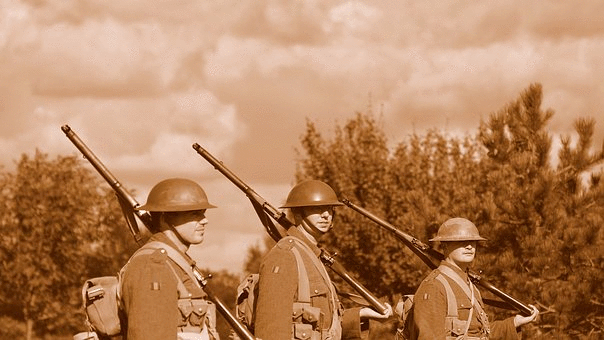
- Originally, everyone was free to have their own opinion when it came to the war effort. They could choose whether to fight or not for their own nation.
- However, in 1916, conscription was introduced in the United Kingdom with the passing of the Military Service Act. This meant that men had to serve in the military. This new law meant that men who did not take part in the war effort were performing an illegal action.
- In March 1916, unmarried men from 18-41 were called up to serve in the war effort. In May, married men were added to the armed forces.
-
- After these men had been called up to fight for their country, some refused. They claimed it was against their conscience to fight in the war. These men were termed Conscientious Objectors (COs). Men refused to fight both for religious and political reasons; they believed that the aims of the war were wrong and that they would not support them by participating in the fight. COs who refused to fight could receive up to two years imprisonment.
- Reasons for not fighting:
- Religious: religious groups were opposed to the war e.g. Quakers. Many turned to the commandment of 'thou shalt not kill' and refused to take part.
- Political: those who reject wars for the political aims such as socialists and communists.
- Moral: war is seen as a problem and is morally wrong. These people are pacifists.
- Roles:
- Absolutists - term given to those who refused to support the war, most of absolutists were pacifists (felt that violent conduct was immoral). In World War One, there was about 1,500 absolutists.
- Alternativists - did not carry weapons or commit to military service; refused to kill or injure people. They decided to support the war via other means e.g. stretcher bearer on the frontline.
-
- The Military Service Act of 1916 did contain a clause that allowed men to not serve on the grounds of conscience. Around 16,000 men called exemption on the grounds of conscience and appeared before a tribunal (type of court) to deem if their claims were true. Many COs were not given fair hearings at the tribunals:
- Local authorities selected judging panels
- Judges were normally too old to serve and believed people should dutifully fight for their country
- Only 400 COs received exemption on the grounds of conscience
- Absolutists were imprisoned for refusing to fight and many put in solitary confinement. Some COs faced extreme punishment of being sent to the frontline and given orders by the military there. If they refused to serve they would stand trial before a military court. Very few COs were executed, as the Prime Minister intervened to stop this punishment.

-
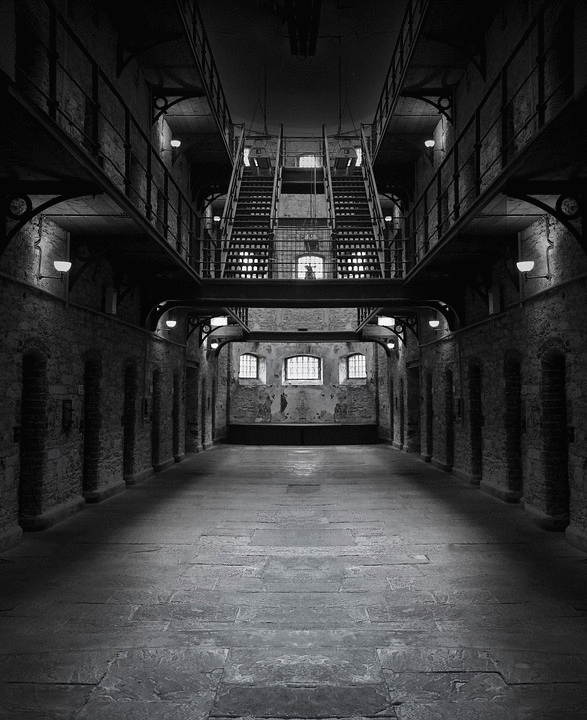
- COs experienced much harsh treatment. Many people believed that the government had introduced a new law and it was the responsibility of the citizenry to follow it. Refusing to fight meant COs were labelled as cowards and unpatriotic.
- Moreover, families who lost loved ones during the war effort deemed COs as men who were unfairly avoiding their duties. Some COs ended up isolated by family and friends.
-
- Hacksaw Ridge: Conscientious Objector (Incorporar)
- Legenda: Clip from the 2017 film Hacksaw Ridge demonstrating the treatment of a Conscientious Objector
-
- The horrors of the First World War meant that people desired peace during the inter-war period. COs in the Second World War ended up doing alternative work such as farming. This was due to the government attempting to find a different role for COs. However, those who actively campaigned against the war, such as the Peace Pledge Union, were put on trial but did not receive any charges.
- Around 59,200 claimed exemption in the Second World War. Further, roughly 29,000 worked in factories or on the land. The attitudes of members of the public did not change as much as the government. The public still viewed COs as cowards and traitors.
Informações
- Descrição
- O usuário eliminou as informações de disciplina Slides sobre Conscientious Objectors, criado por Usuário eliminado em 18-08-2017.
- Criado por
- Usuário eliminado · ago 2017
- Atualizado
- 18 ago 2017
- Visualizações
- 22
- Histórico
-
- Criado por Andrew Burke · 16 ago 2017
- Copiado por Andrew Burke · 18 ago 2017
- Avaliação