
Notas
Covalent Bonding
Conteúdo das notas (8)
Página 1
Formation of Covalent Bonds
A covalent bonds forms when two atomic orbitals from different atoms, each containing one electron, overlap with each other.
There are two ways in which this can happen:
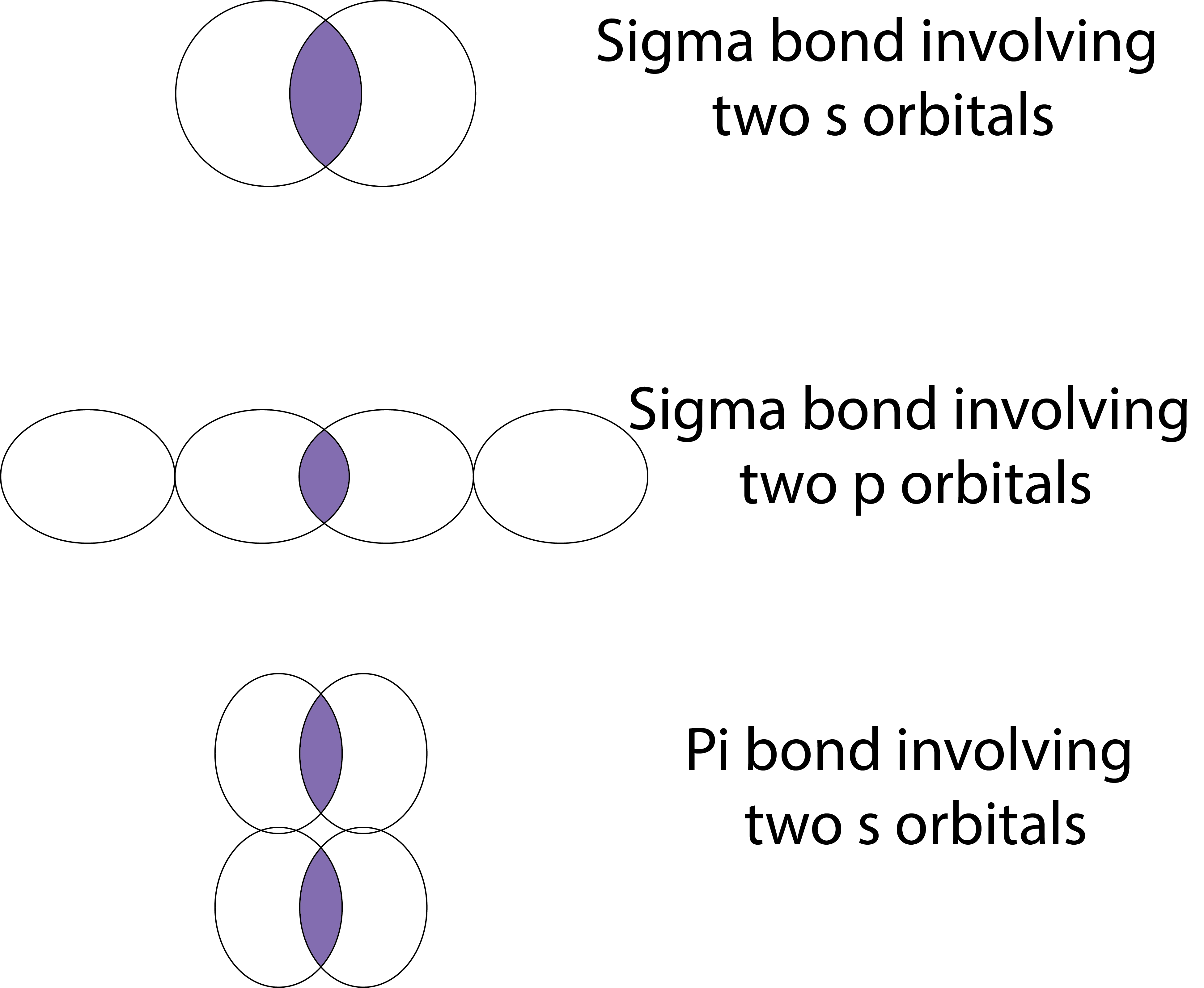
Sigma bonding - σ
End on overlap of orbitals
Usually between two s orbitals or two p orbitals
Leads to the formation of a single covalent bond between the two atoms
Pi bonding - π
Sideways on overlap of orbitals
Usually between two p orbitals
Cannot form until a sigma bond has formed
Exists only between atoms joined by double or triple bonds
Results in high electron density above and below the molecule
In general, the pi bond is weaker than the sigma bond
Página 2
Example of bond formation - Hydrogen
Hydrogen atoms have an electron configuration of \(1s^1\)
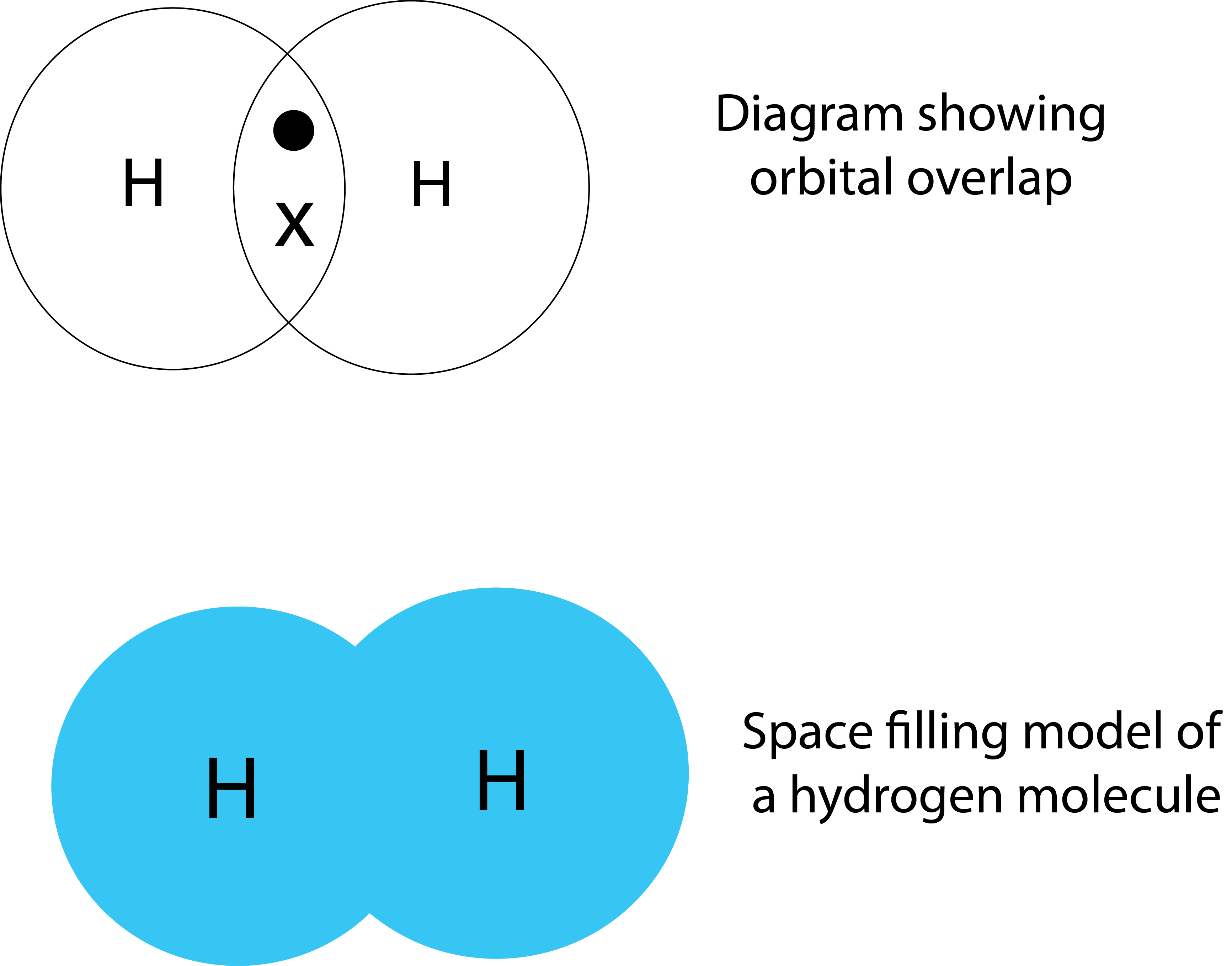
When two hydrogen atoms combine to form a hydrogen molecule, the 1s orbitals overlap to form a new molecular orbital.
The two electrons are now in this orbital.
The highest electron density is in the area between the two nuclei - this is the area in which there is the highest probability of finding an electron.
Página 3
Example of Bond Formation - Chlorine
Chlorine has an electron configuration of \( 1s^2, 2s^2, 2p^6, 3p_x^2. 3p_y^2, 3p_z^1 \)
When two chlorine atoms combine to form a chlorine molecule, the \(3p_z\) orbitals that contain one electron each overlap to form a sigma bond.

Página 4
Bond Length and Strength
Bond length: Distance between nuclei of the two atoms that are covalently bonded together
Bond strength: The amount of energy required to break one mole of the bond in the gaseous state
In general, the shorter the bond, the greater the bond strength.
This is as a result of an increase in the electrostatic attraction between the two nuclei and the electrons in the overlapping atomic orbitals.
Página 5
Electronegativity
Electronegativity: The ability of an atom to attract a bonding pair of electrons
In general, electronegativity
Decreases down a group
Increases across a period
If two atoms of the same element are bonded together by overlap of atomic orbitals, the electrons will be evenly distributed between the two nuclei, since both atoms have equal abilities to attract electrons.
However, if two atoms of different elements are bonded together, they will have different abilities to attract electrons. This leads to an uneven distribution of electrons between the two nuclei. The atom with higher electronegativity will have more electron density.
The atom with more electron density will have a slightly negative charge - represented by \(\delta -\) and the the atom with less electron density will have a slightly positive charge - represented by \(\delta +\). The overall molecule is still neutral.
This type of bond is known as a polar covalent bond. It can be thought of as a covalent bond with some ionic character.
Página 6
Discrete Molecules
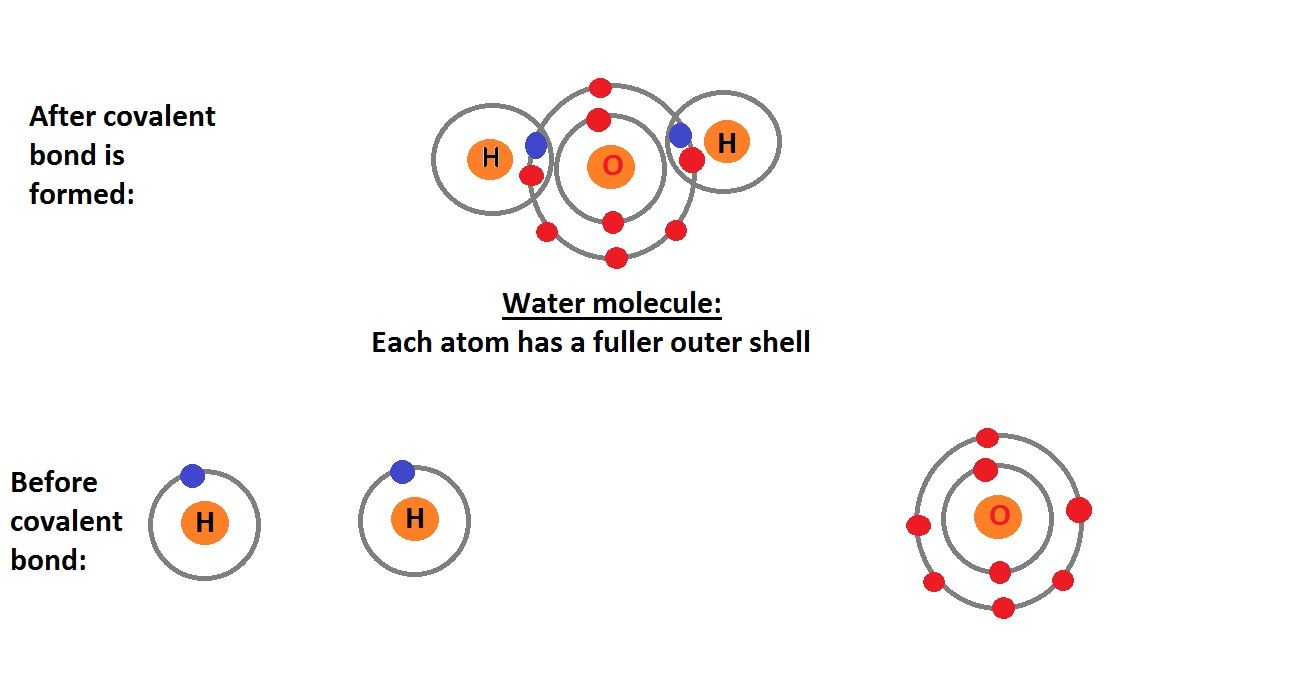
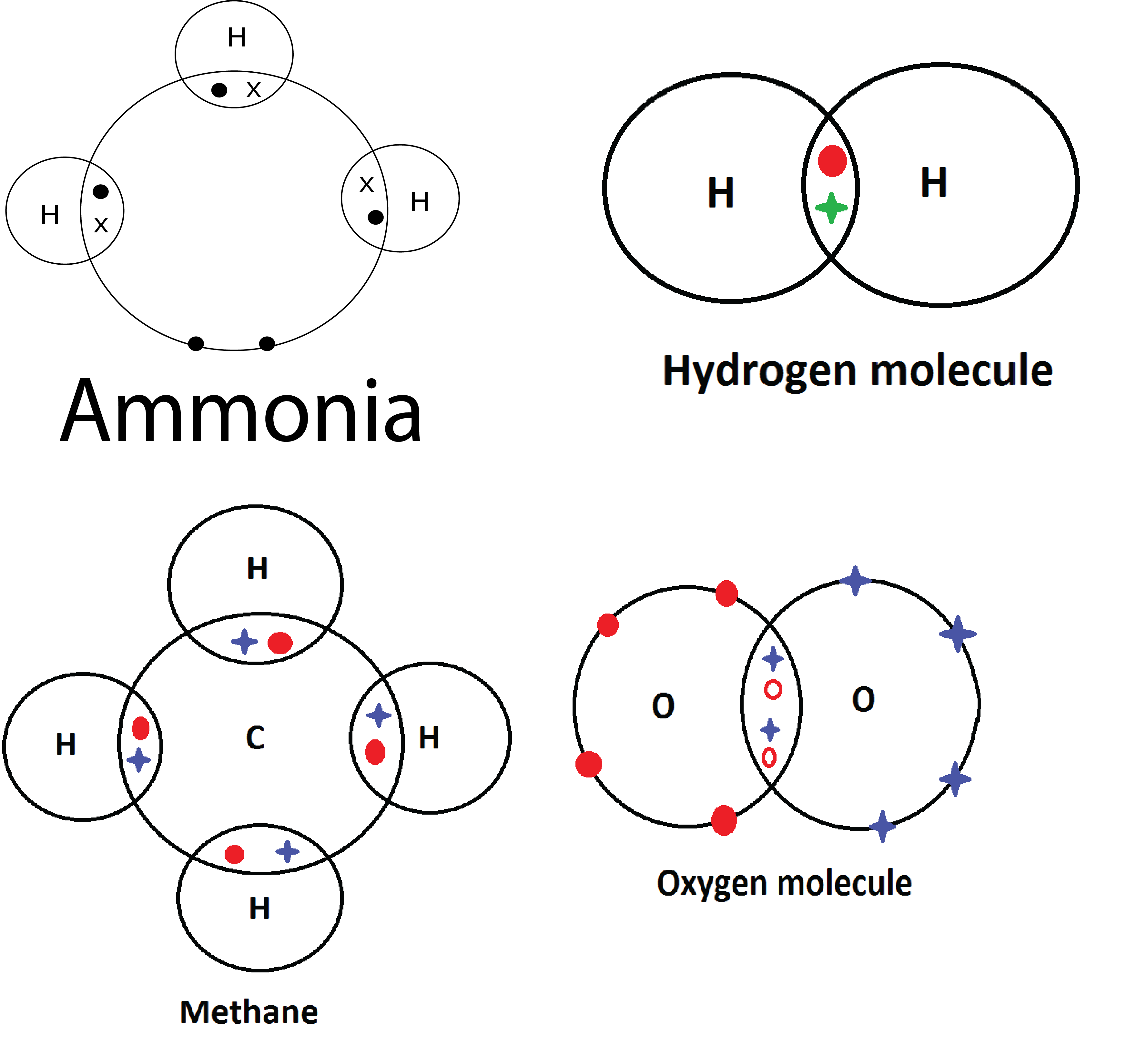
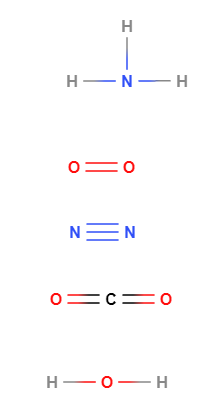
A discrete molecule is an electrically neutral group of two or more atoms held together by chemical bonds.
These can be represented in dot and cross diagrams, as shown below.
A displaced (full structural) formula shows each bonding pair as a line drawn between the two atoms involved. Some examples are shown below.
Página 7
Dative Covalent Bonds
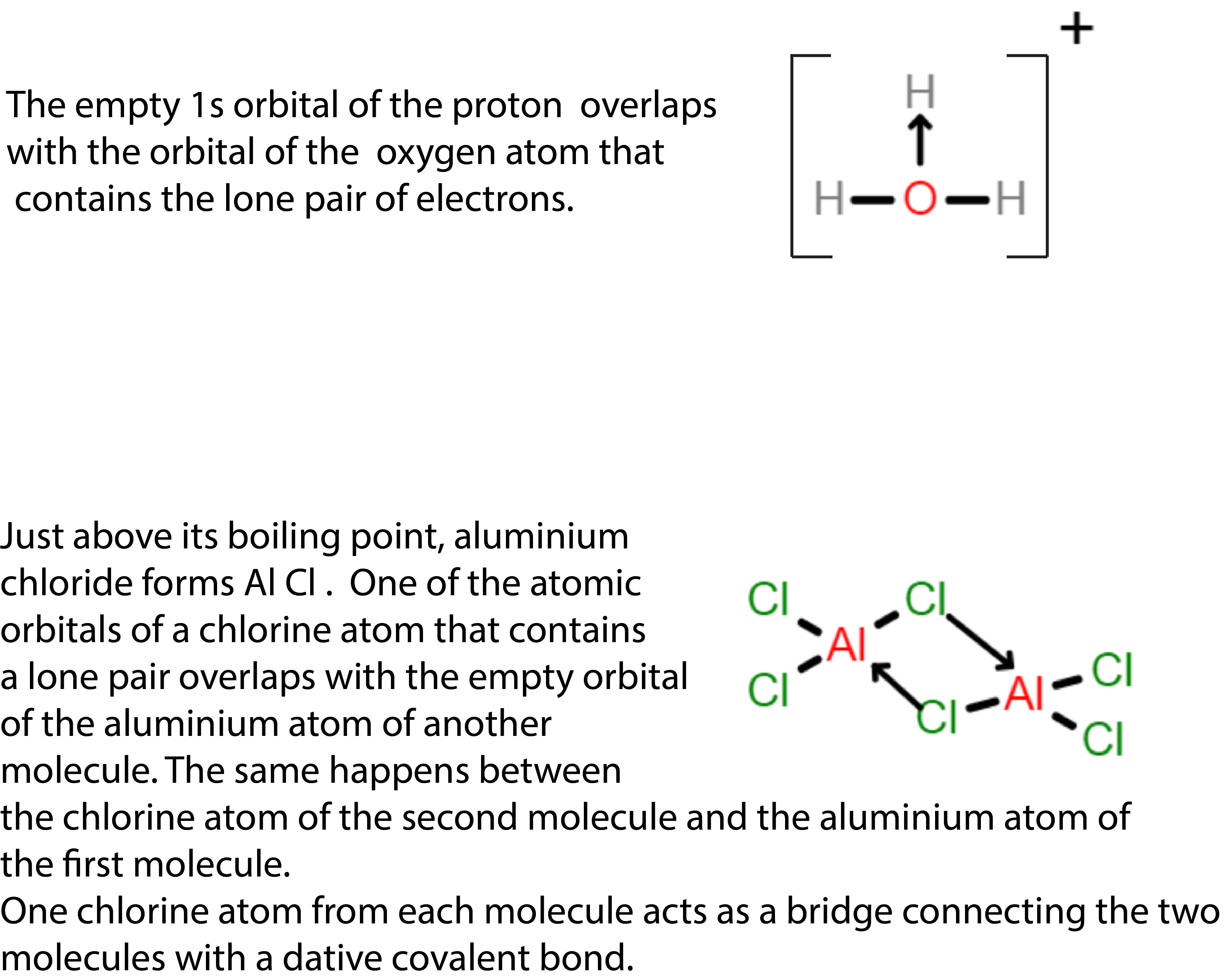
In a dative covalent bond, both electrons in the bond are supplied by only one of the atoms involved in forming the bond.
A dative covalent bond is formed when an empty orbital of one atom overlaps with an orbital containing a non-bonding pair (lone pair) of electrons of another atom.
Usually represented by an arrow starting from atom providing electrons going towards the atom with the empty orbital.
Página 8
Example of Bond Formation - π bonds
Nitrogen has an electron configuration of \(1s^2, 2s^2, 2p_x^1, 2p_y^1, 2p_z^1\). Any one of these half filled p orbitals can form a sigma bond with the corresponding p orbital on another nitrogen atom. These two p orbitals overlap to form the sigma bond. Because the three p orbitals are mutually perpendicular, the head on overlap of one pair of p orbitals leads to the sideways on overlap of the other two pairs of p orbitals. Therefore, two pi bonds are formed.
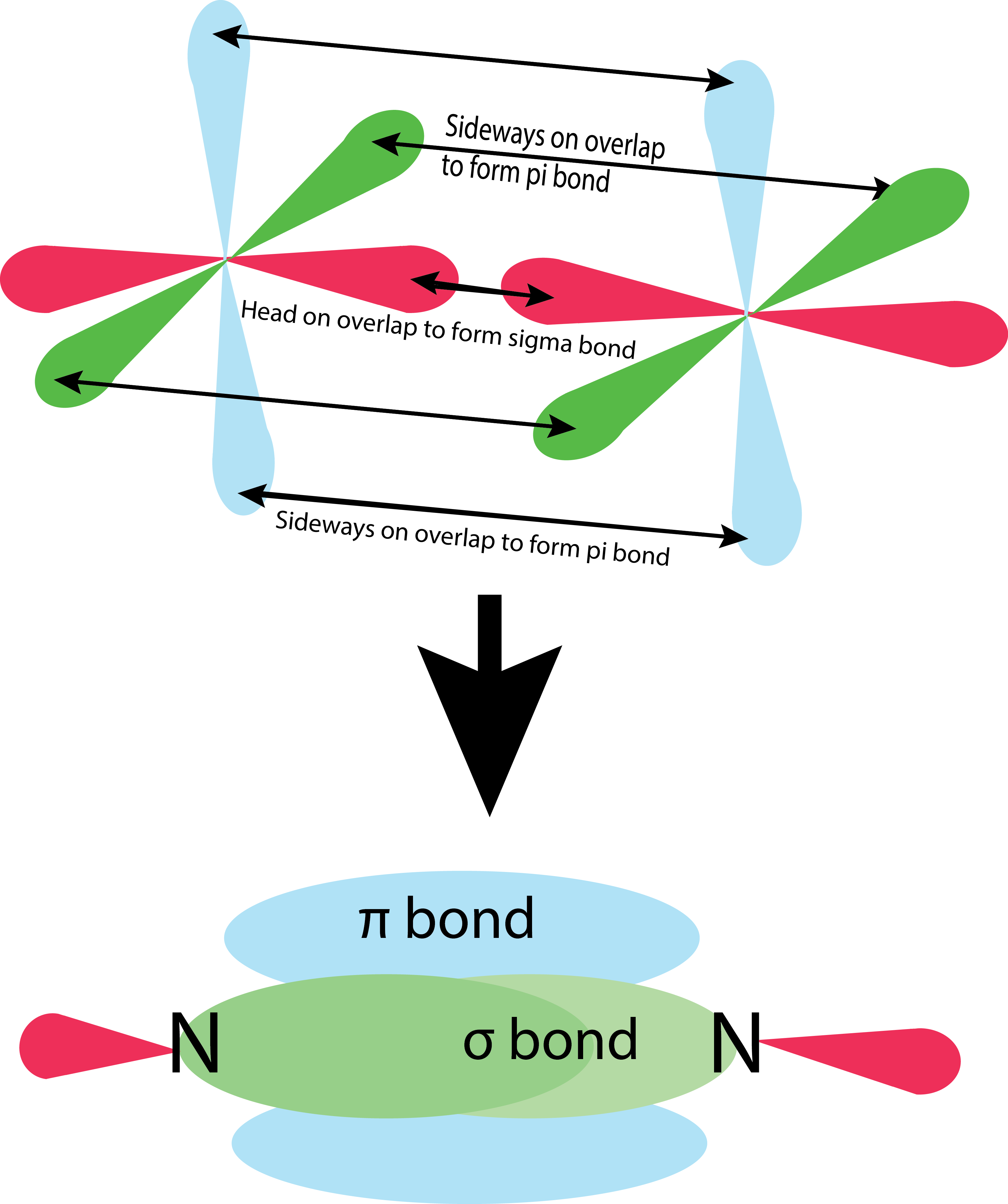
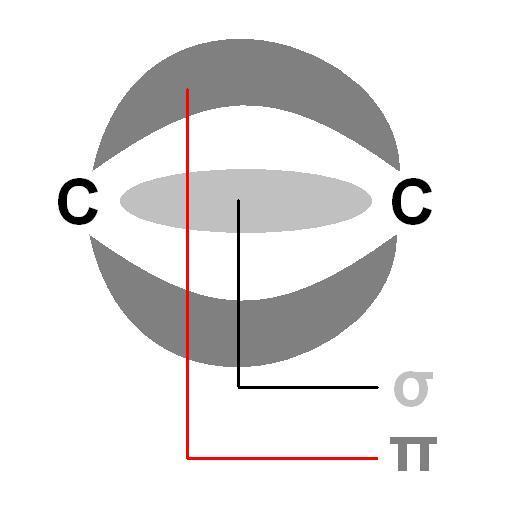
The pi bond is weaker than the sigma bond - this is why alkenes are more reactive than alkanes and readily undergo addition reactions.
The diagram below shows the formation of a carbon- carbon double bond in ethene.
Informações
- Descrição
- O usuário eliminou as informações de disciplina Notas sobre Covalent Bonding, criado por Usuário eliminado em 21-08-2017.
- Criado por
- Usuário eliminado · ago 2017
- Atualizado
- 21 ago 2017
- Visualizações
- 18
- Histórico
-
- Criado por Niamh Ryan · 15 ago 2017
- Copiado por Niamh Ryan · 21 ago 2017
- Avaliação