
Quiz
Quiz
Este quiz tem tipos de pergunta que abrem no player de sempre.
Perguntas do quiz (18)
1Place the following bonds in order of decreasing polarity:
Highest → Lowest
[blank_start]C-F[blank_end] [blank_start]C-Cl[blank_end] [blank_start]C-Br[blank_end] [blank_start]C-I[blank_end]- AC-F
- BC-Cl
- CC-Br
- DC-I
2Sigma bonding involves the sideways on overlap of orbitals.
- AVerdadeiro
- BFalso
3A pi bond cannot form before a sigma bond forms.
- AVerdadeiro
- BFalso
4Drag and drop the labels onto the appropriate types of bonding.
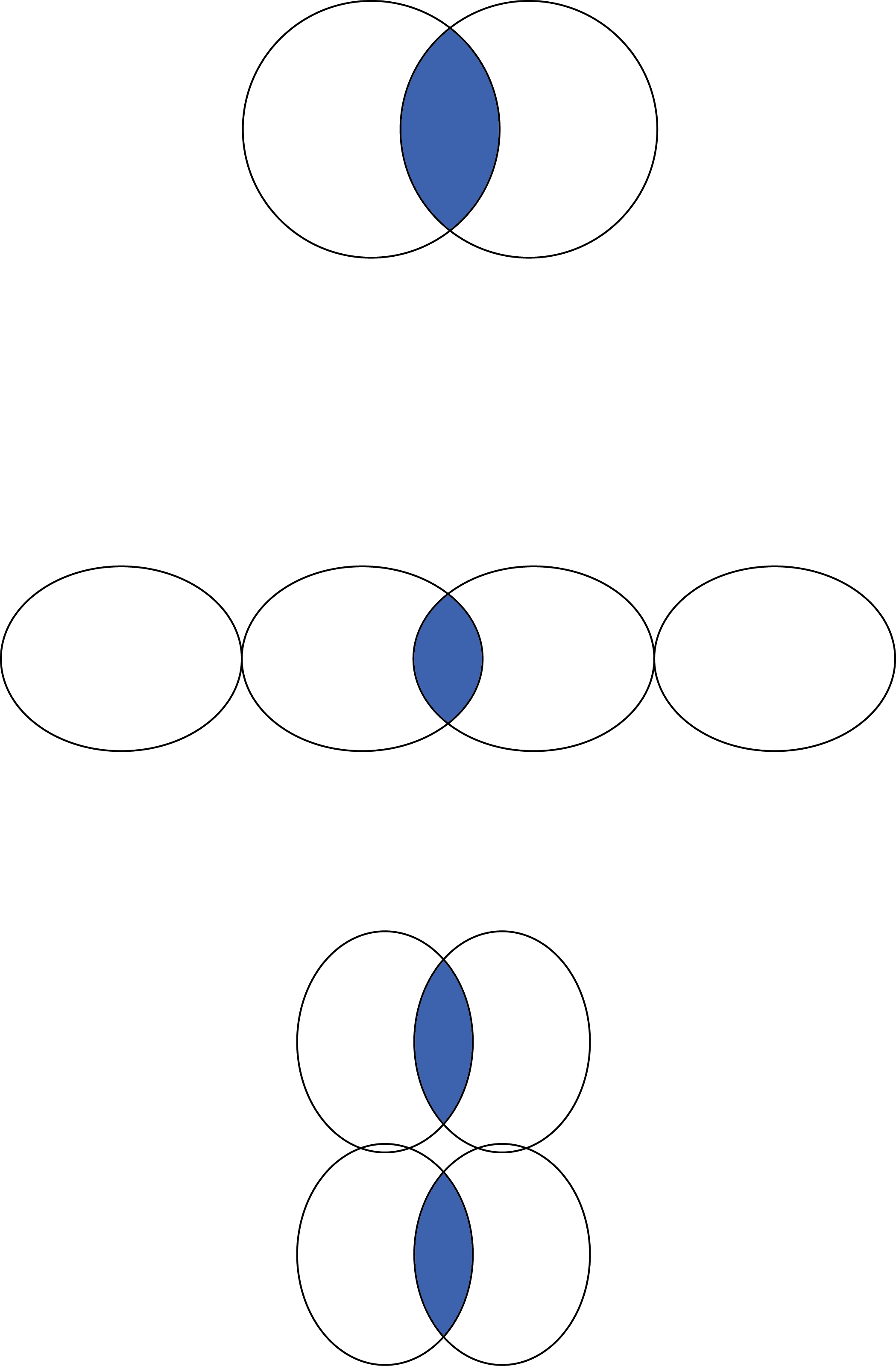
- ASigma bond involving two s orbitals
- BSigma bond involving two p orbitals
- CPi bond involving two p orbitals
- DPi bond involving two s orbitals
5Bond [blank_start]length[blank_end]: Distance between nuclei of the two atoms that are covalently bonded together
Bond [blank_start]strength[blank_end]: The amount of energy required to break one mole of the bond in the gaseous state- Alength
- Bstrength
6In general, electronegativity:
[blank_start]Decreases[blank_end] down a group
[blank_start]Increases[blank_end] across a period- ADecreases
- BIncreases
7Ionic bonding is the strong [blank_start]electrostatic[blank_end] attraction between oppositely charged [blank_start]ions[blank_end]
- Aelectrostatic
- Bions
8When a direct electric current is passed through [blank_start]molten[blank_end] sodium chloride, [blank_start]chlorine[blank_end] gas forms at the positive electrode and sodium forms at the negative electrode.
The negative chloride ions are attracted to the [blank_start]positive[blank_end] electrode. They migrate towards this electrode where they lose an electron to form neutral chlorine diatomic molecules.
The [blank_start]positive[blank_end] sodium ions are attracted to the negative electrode. They migrate towards this electrode where they gain an electron to become neutral sodium atoms.- Achlorine
- Bpositive
- Cpositive
- Dmolten
9What type of bonding or intermolecular interactions is shown here?
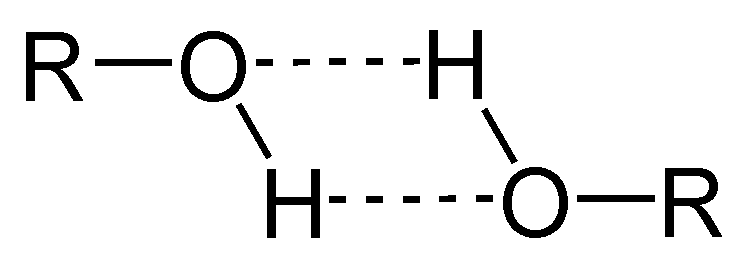
- AHydrogen bonding
10What shape is a molecule like this called, according to VSEPR?
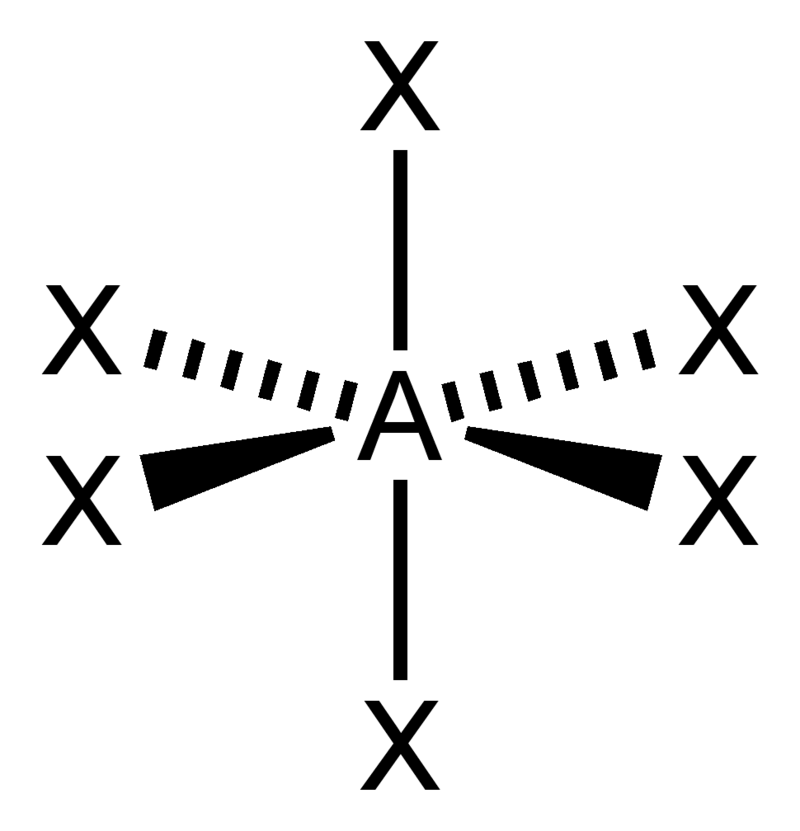
- AHexagonal
11How many degrees are the bond angles in this molecule?
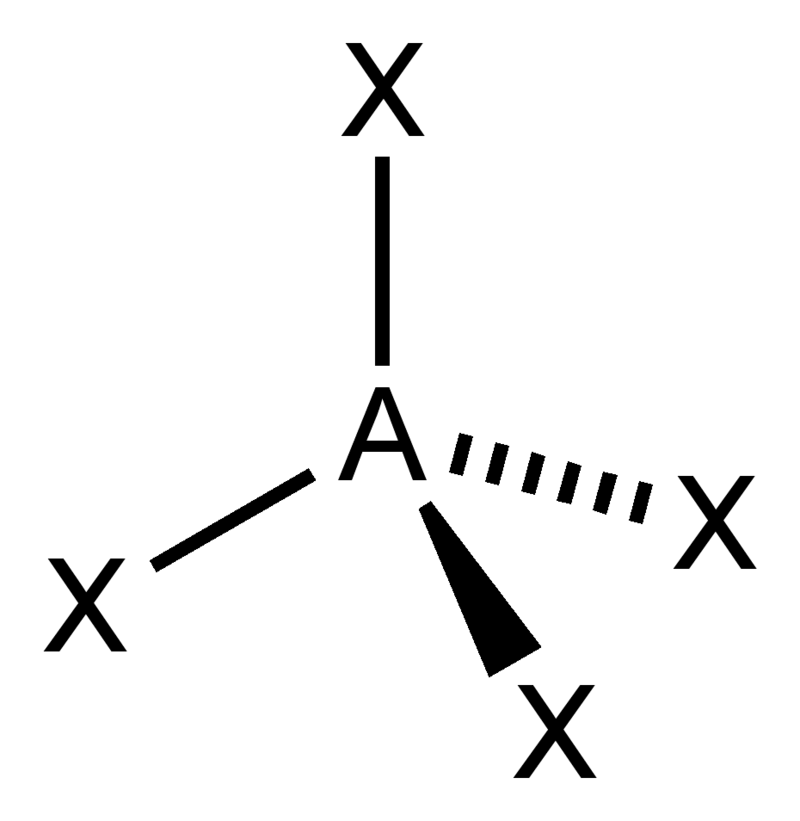
- A109.5
12According to VSEPR, what is the name of this shape of molecule?
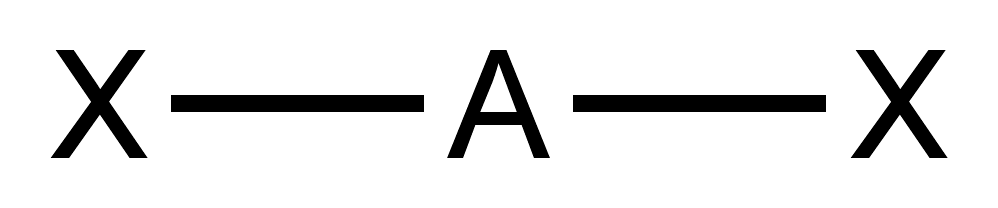
- ALinear
13What shape will the molecule \(SiCl_4\) have?
- ATetrahedral
- BTrigonal Pyramidal
- CV shaped
- DTrigonal Planar
14What shape will the molecule BeCl_2 have?
- ALinear
- BV shaped
15What shape will the molecule \(PH_3\) have?
- ATrigonal Pyramidal
- BTrigonal planar
- CTetrahedral
- DV shaped
16The boiling temperatures of alkanes [blank_start]increase[blank_end] with increasing molecular mass.
The boiling temperatures of alkanes [blank_start]decrease[blank_end] with increasing branching.- Aincrease
- Bdecrease
17Water has two unusual properties:
1. Relatively [blank_start]high[blank_end] melting and boiling points for a molecule with so few [blank_start]electrons[blank_end]
2. [blank_start]Density[blank_end] of ice at 0°C is [blank_start]less[blank_end] than that of water at 0°C- Ahigh
- Belectrons
- CDensity
- Dless
18The [blank_start]solubility[blank_end] of alcohols in water decreases with [blank_start]increasing[blank_end] hydrocarbon chain length.
In general, when choosing a solvent, think of the rule "[blank_start]Like[blank_end] dissolves [blank_start]like[blank_end]" .- Aincreasing
- BLike
- Clike
- Dsolubility
Informações
- Descrição
- O usuário eliminou as informações de disciplina Quiz sobre Quiz, criado por Usuário eliminado em 21-08-2017.
- Autor
- Usuário eliminado
- Idioma
- English
- Visualizações
- 17
- Histórico
- Criado em 21 ago 2017 · atualizado em 21 ago 2017
- Etiquetas
- Avaliação
- Ainda sem avaliações Avalie este quiz