
Quiz
HSC Biology 2013 Exam Paper Quiz
Perguntas do quiz (20)
1Infectious diseases can be spread when microbial experiments are conducted. Which of the following would be an effective barrier to stop this from happening?
- AUsing chlorinated water during the experiment
- BWashing hands before performing the experiment
- CWearing plastic or latex gloves during the experiment
- DDisposing carefully and safely of waste materials produced during the experiment
2Antibodies are proteins that
- Abreak down pathogens.
- Bbind with a specific antigen.
- Ccatalyse biochemical reactions.
- Dare produced by T cells to kill disease-causing viruses.
3Which of the following can cause an imbalance of microflora in humans?
- AOveruse of antibiotics
- BExcessive use of antiviral drugs
- CConsumption of genetically modified foods
- DImmunisation against different diseases
4Which of the following prevents the entry of pathogens into the human body?
- ACell death to seal off a pathogen
- BMucus lining the respiratory tract
- CPhagocytosis performed by B cells
- DDestruction of pathogens by the lymphatic system
5What is the genotype of pure breeding plants?
- AHeterozygous
- BHomologous
- CHomozygous
- DMonohybrid
6What are the main components of the immune response involved in or
- AAntibodies, T cells and B cells
- BAntibiotics and white blood cells
- CT cells, B cells and red blood cells
- DRed blood cells, white blood cells and antigens
7Vaccination can control the spread of
- Aa genetic disorder.
- Ban infectious disease.
- Ca nutritional deficiency.
- Dan environmental disease.
8Sutton and Boveri contributed to our understanding of the importance of chromosomes. What was one of their findings?
- AChromosomes carry hereditary factors.
- BSex is genetically determined by chromosomes.
- CRadiation can cause mutations in chromosomes.
- DThe structure of chromosomes is a double helix.
9What is a feature of an estuarine organism (eg mangroves) that allows it to survive?
- AHigh rate of salt excretion
- BLow rate of osmosis into its cells
- CHigh uptake of salt from its environment
- DLow uptake of oxygen from its environment
10What does the structure of arteries allow them to do?
- ATransport oxygen rich blood
- BWithstand high blood pressure
- CRelease carbon dioxide to the lungs
- DRemove nitrogenous waste via the kidneys
11Why are quarantine measures needed when there is an outbreak of an infectious disease in Australian farm animals?
- ATo prevent the spread of the disease to food imported into Australia
- BTo prevent Australian farm animals from becoming immune to the disease
- CTo prevent introduced plants threatening the survival of Australian farm animals
- DTo prevent the disease from spreading to farm animals in different regions of Australia
12Two experiments were conducted where either cold air or hot air was blown continuously
onto a student’s legs while the skin temperature on the student’s arm was being measured. The graph shows the change in skin temperature on the arm of the student for each experiment. Which process best accounts for the trends shown in the graph?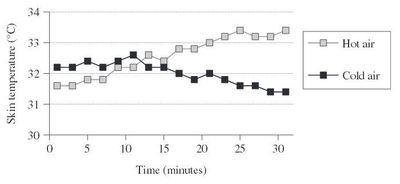
- ADiffusion
- BEnantiostasis
- CHomeostasis
- DInflammation
13Why is carbon dioxide removed from cells?
- A To decrease osmosis
- BTo allow oxygen to replace it
- CTo prevent an increase in blood pH
- DTo prevent cells from becoming acidic
14Hormone replacement therapy was used to treat a patient who had low salt levels in their blood. Which hormone was used for the treatment?
- AAldosterone
- BAnti-diuretic hormone
- CInsulin
- DOestrogen
15Which is the correct sequence of a feedback mechanism for the control of blood pressure?
- Ablood pressure → blood vessels → brain → reptors → blood pressure
- Bblood pressure → blood vessels → reptors → brain → blood pressure
- Cblood pressure → receptors → blood vessels → brain → blood pressure
- Dblood pressure → receptors → brain → blood vessels → blood pressure
16The theory of evolution has been supported by studying the structures of vertebrate forelimbs from the fossil record. This type of study is best described as:
- Abiogeography
- Bcomparative biochemistry
- Ccomparative embryology
- Dpalaeontology
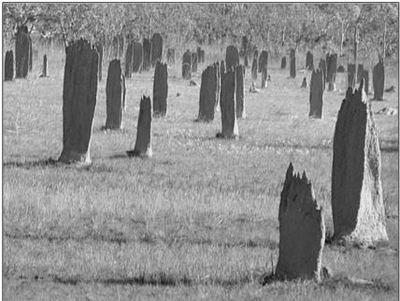
17The photo shows insect mounds (nests) in hot northern Australia. The mounds are built with a narrow side facing the midday sun and the wide sides facing towards the morning and late afternoon sun. The structure of these nests helps the insects in them to
- Abecome endothermic
- Bcool down quickly in the afternoon
- Cmaintain a constant body temperature
- Ddevelop enzymes that operate at a high temperature
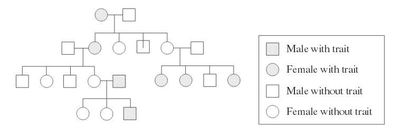
18A family tree is shown. What is represented by this family tree?
- ASex-linked inheritance
- BCo-dominant inheritance
- CInheritance of a recessive trait
- DInheritance of a dominant trait
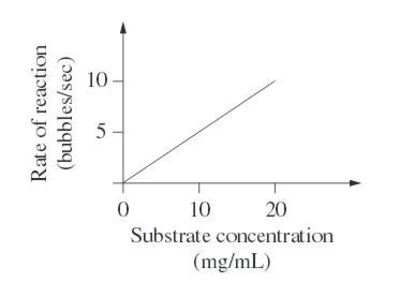
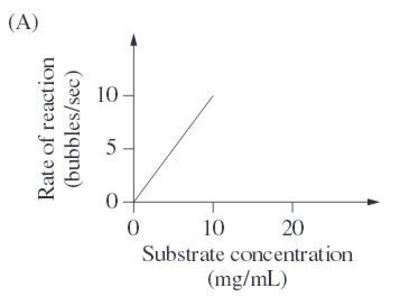
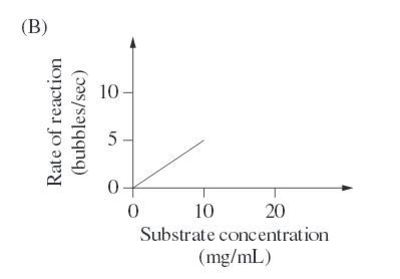
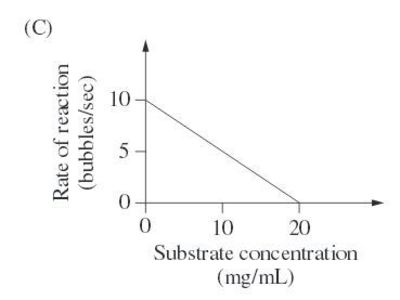
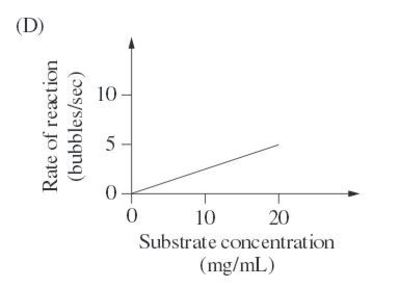
19An enzyme was extracted from a mammal. The graph shows the rate at which bubbles are produced in a reaction at 36ºC using the extracted enzyme. Which of the following graphs would show the results if the enzyme reaction were carried out at 18°C?
- A
- B
- C
- D
- A
20Which of the following statements about DNA provides support for Darwin’s theory of evolution?
- AGenes are inherited from both parents
- BMutation of DNA may lead to new alleles
- CDNA contains the code for proteins and polypeptides
- DThe sequence of bases in DNA differs between species
Informações
- Descrição
- This quiz gives you the questions and answers from the 2013 HSC Biology exam. Give it a go!
- Autor
- coffeelover
- Idioma
- English
- Visualizações
- 1.342
- Histórico
- Criado em 24 jun 2014 · atualizado em 18 jan 2017
- Etiquetas
- Avaliação
- 4,4 de 5 · 7 avaliações Avalie este quiz