
Quiz
Psychopharmacology Exam #2 - Drug-Induced Movement Disorder
Este quiz tem tipos de pergunta que abrem no player de sempre.
Perguntas do quiz (54)
1The following are early onset EPS symptoms
- ADystonia
- BAkathisia
- CParkinsonism
- DTardive dyskensia
2Which EPS symtom can appear within days
- ADystonia
- BAkatsia
- CParkinsonism
- DTardive dyskinesia
3Which EPS symptom can appear within weeks?
- ADystonia
- BAkathisia
- CParkinsonsism
- DTardive dyskenia
4Which EPS symptom can appear within months?
- ADystonia
- BAkathisia
- CParkinsonism
- DTardive dyskinesia
5Which EPS symtoms can take years to appear?
- ADystonia
- BAkathisia
- CParkinsonism
- DTardive dyskensia
6Types of drug-induced movement disorders:
[blank_start]Acute:[blank_end] Occur within a short duration of treatment onset or dose increase
[blank_start]Chronic:[blank_end] Symptoms persist throughout treatment
[blank_start]Tardive[blank_end]: Delayed onset of symptoms
[blank_start]Withdrawal:[blank_end] Occur in the absence of treatment. May resolve- AAcute:
- BWithdrawal:
- CChronic:
- DTardive
- ETardive
- FWithdrawal
- GWithdrawal:
- HTardive
7Dopamine system pathways include:
Mesolimbic: arousal, memory, behavior
Mesocortical: cognition, socializaiont
Tuberoinfundibular: regulation of prolactin
Nigrostriatal: modulation of EPS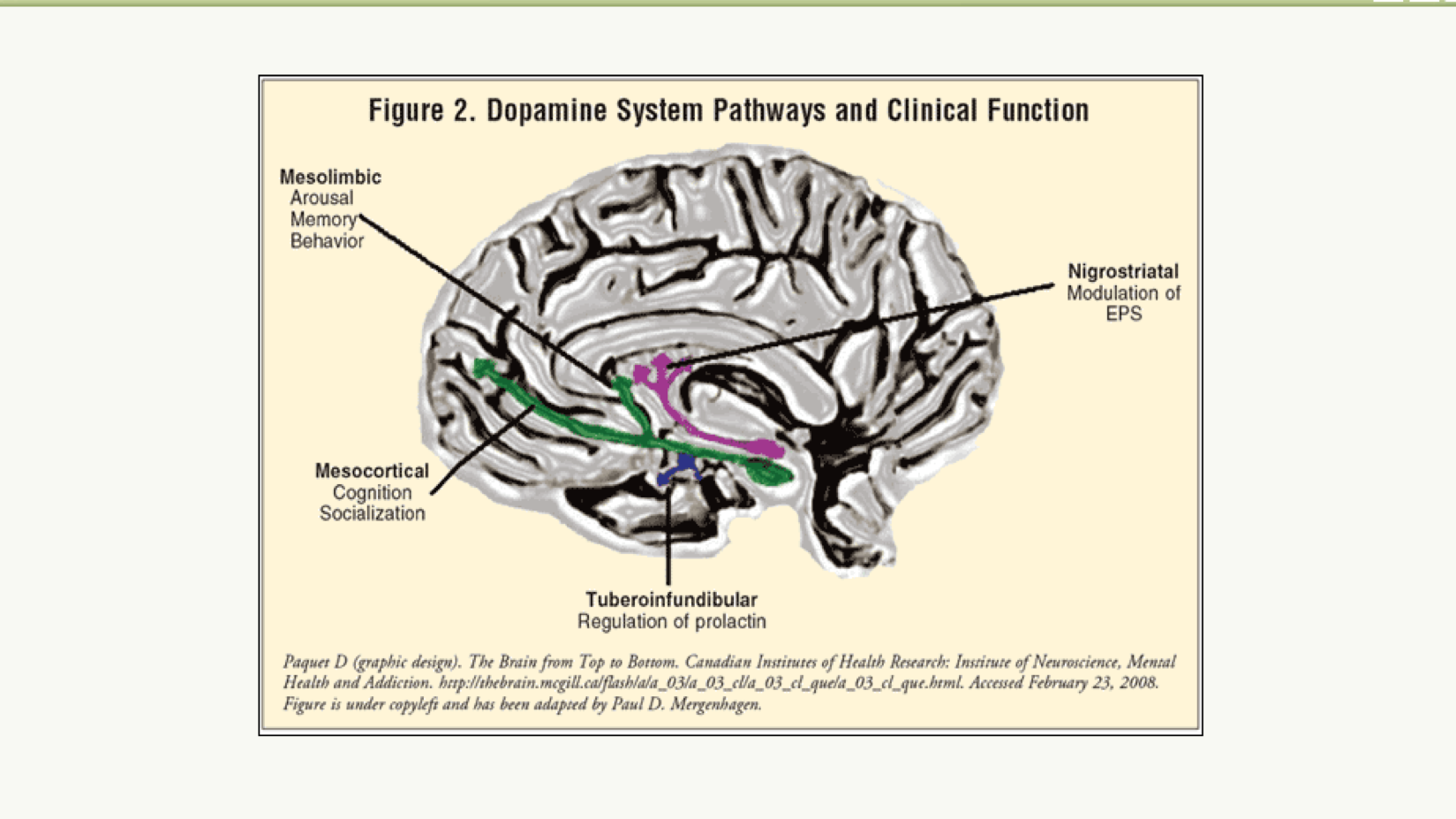
- AVerdadeiro
- BFalso
8The mechanism for dystonia is
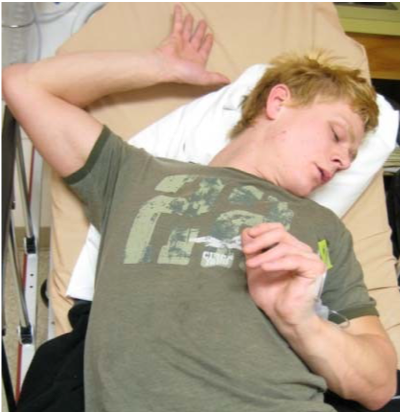
- ADopamine deficiency in the basal ganglia and striatum
- BOveractive cholinergic system
- CDopaminergic/serotonergic or dopaminergic/cholinergic imbalance in the nucleus accumbens
- DBlockade of the striatal dopamine receptors
9What are risk factors for dystonia
- AYoung age
- BH/O ECT
- CMale gender
- DHigh potency neuroleptics - Haldol, Prolixin
- EComorbid medical conditions
10Types of dystonia
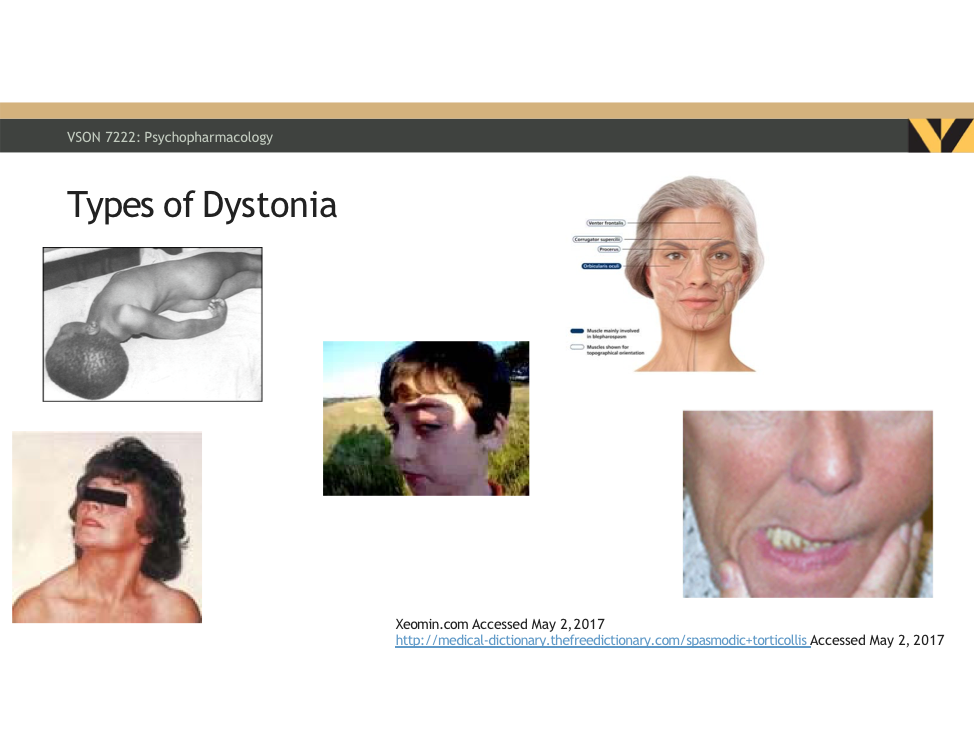
- AOpisthotonos
- BBlepharospasm
- CTorticollis
- DOculogyric crisis
- EOro-mandibular
11The MOA for akathisia, from the Greek meaning "inability to sit", is:
- ADopamine deficiency in the basal ganglia and striatum
- BDopaminergic/serotonergic or dopaminergic/cholinergic imbalance in the nucleus accumbens, Overstimulation of locus coeruleus.
- CBlockade of the striatal dopamine receptors
- DStriatal dopaminergic hypersensitivity
12Which of the following agents cause akathisia
- ASSRI
- BSecond generation antipsychotics
- CAntiemetics
- DCCB
- EAnti-anxiolytics
13What are some differentials for akathisia
- AGAD
- BADHD
- CAgitation
- DMDD
14What are clinical presentation of akathisia
- ARestlessness
- BBreaking out into song & dance for no reason
- CFidgety movements/leg swinging
- DMarching in place
- ERocking from one foot to another
- FPicking
15The risk factors for akathisia include
- AAdvanced age
- BAffective disorder
- CCognitive impairment
- DFemale impersonator performer
- EFemale
- FH/O akathisia
- GIron deficiency
- HHigh dose/potency/neuroleptics
16Pathophysiology of pseudoparkinsonism is:
- ADopamine deficiency in the basal ganglia and striatum
- BDopaminergic/serotonergic or dopaminergic/cholinergic imbalance in the nucleus accumbens
- CBlockade of the striatal dopamine receptors and depletion of pre-synaptic celft
- DStriatal dopaminergic hypersensitivity and cholinergic deficiency in the basal ganglia
17Parkinsonism = [blank_start]bradykesia[blank_end]
Pseudoparkinsonism = [blank_start]apraxic slowness[blank_end]- Abradykesia
- Bapraxic slowness
- Cbradykinesia
- Dapraxic slowness
18Parkinsonism = [blank_start]resting tremor[blank_end]
Pseudoparkinsonism = [blank_start]essential tremor, myoclonus[blank_end]- Aresting tremor
- Bessential tremor, myoclonus
- Cresting tremor
- Dessential tremor, myoclonus
19Parkinsonism = [blank_start]lead pipe rigidity[blank_end]
Pseudoparkinsonism = [blank_start]paratonic rigidity[blank_end]- Alead pipe rigidity
- Bparatonic rigidity
- Clead pipe rigidity
- Dparatonic rigidity
20Parkinsonism = [blank_start]postural instability[blank_end]
Pseudoparkinsonism = [blank_start]frontal ataxia[blank_end]- Apostural instability
- Bfrontal ataxia
- Cpostural instability
- Dfrontal ataxia
21Parkinsonism = [blank_start]Slow, shuffling gait with festination[blank_end]
Pseudoparkinsonism = [blank_start]Slow, shuffling apraxic gait[blank_end]- ASlow, shuffling gait with festination
- BSlow, shuffling apraxic gait
- CSlow, shuffling gait with festination
- DSlow, shuffling apraxic gait
22What are risk factors for pseudoparkinsonism?
- AFemale
- BMale
- CAdvanced age
- DCentral DA receptor binding agents, Metclopramide, phenothiazines
- EAIDS
- FCancer
23Tardive dyskinesia
- AIf identified early can be reversed
- Bis not reversible
- Cincreased risk with increased use
- Dincreased use does not cause increases risk
- Eearly onset
- Flate onset
24MOA for tardive dyskinesia
- AStriatal dopaminergic hypersensitivity
- BCholinergic deficiency within basal ganglia
- COxidative stress and cell injur
- DGenetic susceptibility
- EGlutamate-induced excitotoxicity
- FGABA mediated neuronal dysfunction
- GBlockade of the striatal dopamine receptors
25Which medications most commonly cause tardive dyskinesia?
- AMeoclopramide
- BAlpha adrenergic agonists
- CSGA
- DFGA
26Clinical presention of tardive dyskinesia
- AChoreiform - characterized by jerky, involuntary movements, chiefly of the face and extremities
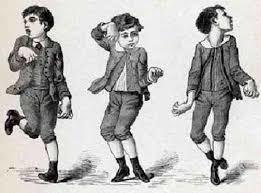
- BAthetoid - characterized by slow, involuntary, convoluted, writhing movements of the fingers, hands, toes, and feet and in some cases, arms, legs, neck and tongue
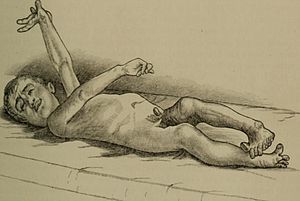
- CStereotypic - petitive, nonfunctional motor behavior (e.g., hand waving or head banging), that markedly interferes with normal activities or results in bodily injury.
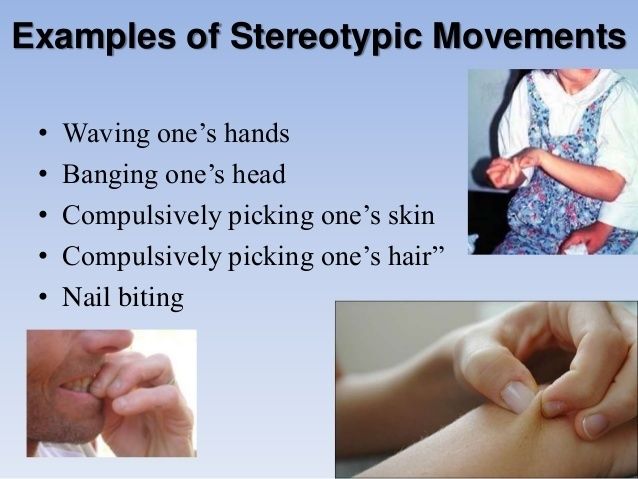
- AChoreiform - characterized by jerky, involuntary movements, chiefly of the face and extremities
27EPS can be caused by antiemetics, antieliptics, psychotropics, cardiovascular agents and Levodopa
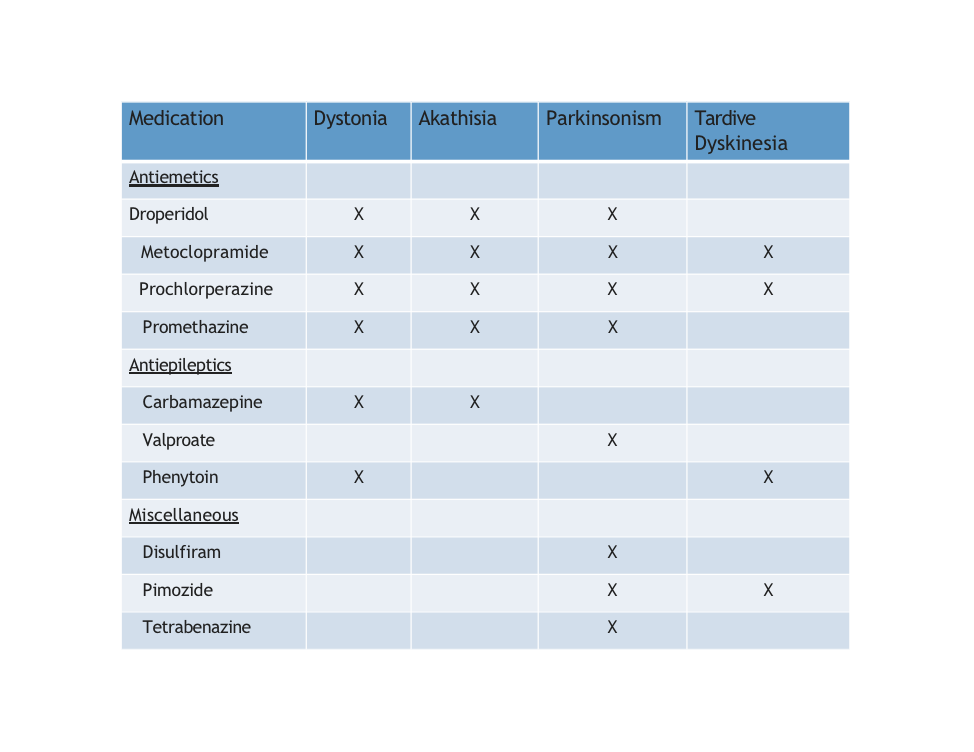
- AVerdadeiro
- BFalso
28EPS can be caused by antiemetics, antieliptics, psychotropics, cardiovascular agents and Levodopa
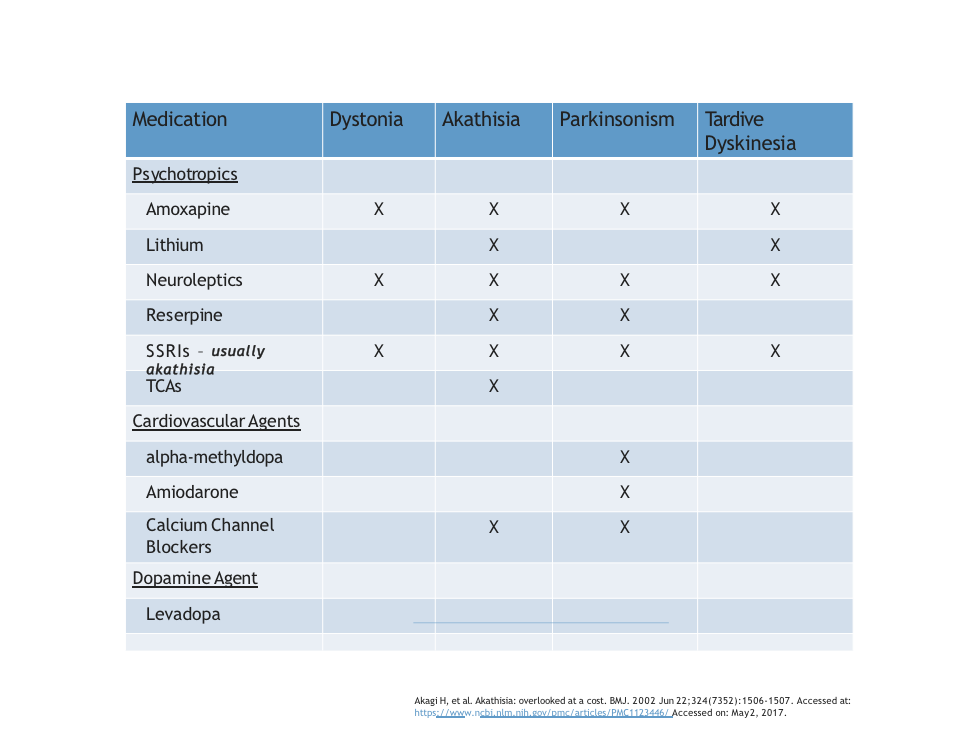
- AVerdadeiro
- BFalso
29The following drugs cause all four movement disorders: dystonia, akathisia, Parkinsonism, tardive dyskinesia
- AMetoclopramide
- BProchloraperazine
- CAmoxapine
- DNeuroleptics
- ESSRI
- FLevodopa
30How often should the Abnormal Involuntary Movement Scale (AIMS) be administered?
- ABaseline then every week x4 then every 3 months
- BBaseline then every week x2 then every 12 months
- CBaseline then every week x2 then every 6 months
31What are overall tips for treatment of EPS?
- AStop offending agen (if possible)
- BReduce the dose
- CSwitch to a second generation antipsychotic
- DTreat prophylactically
- EA wing and prayer and refer to anyone else
32Dystonia put in order of line of treatment
First line = [blank_start]anticholinergic agents[blank_end]
Second line = [blank_start]Baclofen[blank_end]
Third line = [blank_start]Benzo[blank_end]
Fourth line - [blank_start]Botox[blank_end]- Aanticholinergic agents
- BBaclofen
- CBenzo
- DBotox
33This is a nice visual/review
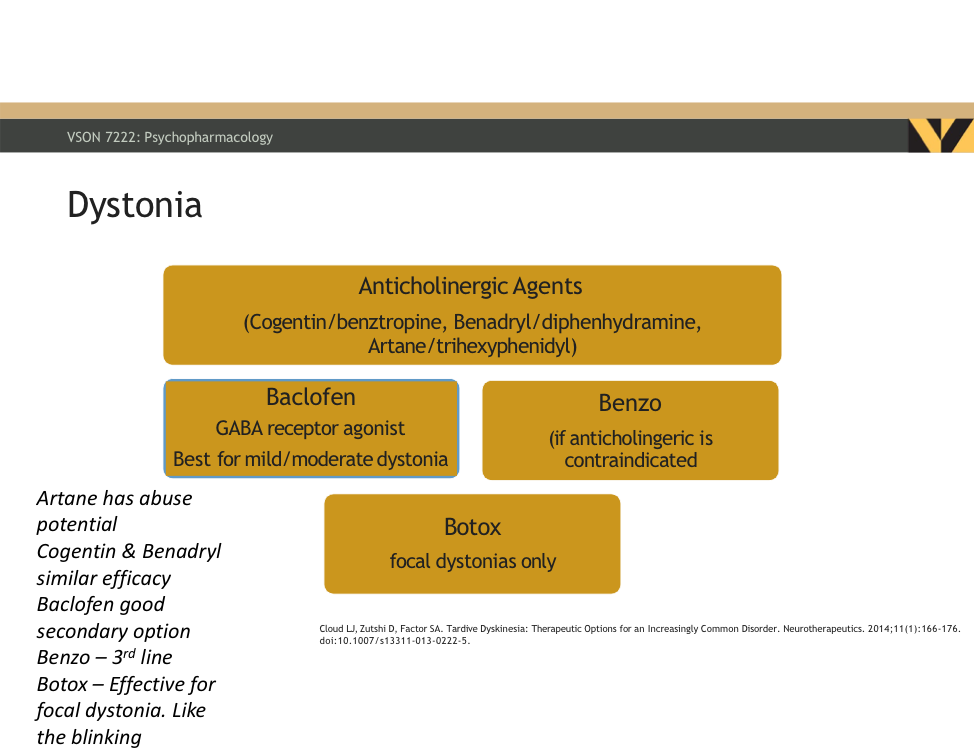
- AVerdadeiro
- BFalso
34Drug of choice for dystonia is
- ABeta-blockers, anticholinergics, benzodiazepines, 5-HT2A receptor antagonist, mirtazapine
- BAnticholinergics (benztropine, diphenhydramine, trihexyphenidyl)
- CClonzaepam, ginkgo biloba
35Drugs of choice for akathisia include
- AAnticholinergics (benztropine, diphenhydramine, trihexyphenidyl)
- BBeta-blockers, benzodiazepines, 5-HT2A receptor antagonist, mirtazapine
- CClonazepam, ginkgo biloba
36Mirtazapine (Remeron)
- AUsed in low doses to treat akathisa
- BUsed in low doses to treat dystonia
- CAlpha-adrenergic receptor antagonist
- DAlpha-adrenergic receptor agonist
- EAntagonizes 5-HT2 and 3 receptors
37Visual for treatment of akathisia
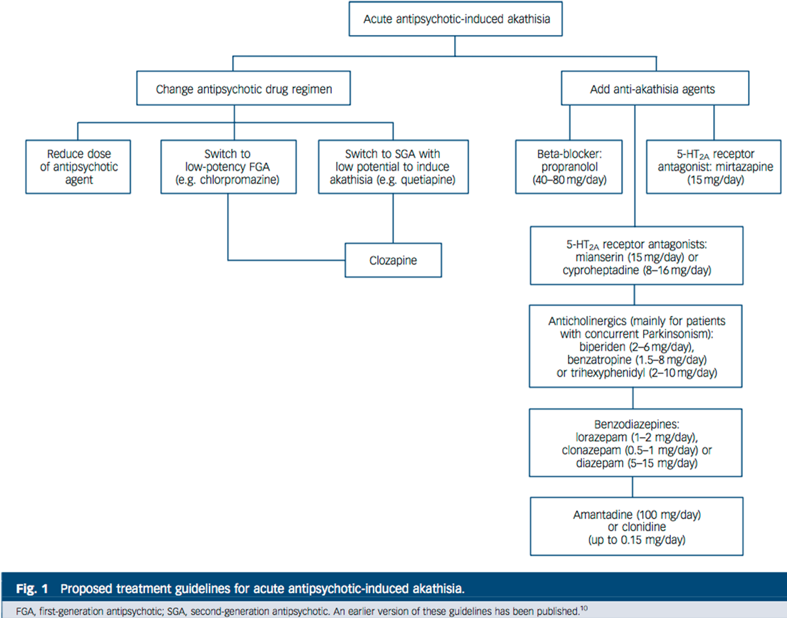
- AVerdadeiro
- BFalso
38Which drugs are used to treat pseudoparkinsonism?
- ACogentin (benztropine)
- BSymmetrel (amantadine)
- CBenzodiazepines
- DMirtazapine (Remeron)
- EDiphenhydramine (Benadryl)
39MOA for amantadine (Symmetrel) is
- ADopamine agonist
- BDopamine antagonist
- C5-HT2 agonist
- D5-HT2 antagonist
40Side effects for benztropine (Cogentin) include
- ADry mouth
- BHypotension
- CDiarrhea
- DConstipation
- ECognitive impairment
- FSialorrhea
41Side effects for amantadine (Symmetrel) include:
- AHypotension
- BHypertension
- CAgitation
- DSedation
- EWorsening s/s of psychosis
42Which drugs are used in the treatment of tardive dyskinesia
- ADiltiazem
- BBaclofen
- CGalantamine
- DClonazepam
- EGinkgo biloba
43What is the first FDA approved medication for Tardive Dyskinesia
- AVelbeazine (Ingrezza)
- BBenztropine (Cogentin)
- CTrihexphenidyl (Artane)
- DAmantadine (Symmetrel)
44What is the MOA for valbenazine (Ingrezza)?
- ABlocks alpha-adrenergic receptors and antagonizes 5-HT2 and 3 receptors
- BReversible inhibition of vesicular monoamine transporter 2 (VMAT2), a transporter that regulates monoamine uptake from the cytoplasm to the synaptic vesicle for storage and release
- CIncrease in synthesis and release of dopamine, and inhibition of dopamine uptake.
- DSelective M1 muscarinic acetylcholine receptor antagonist. It is able to discriminate between the M1 (cortical or neuronal) and the peripheral muscarinic subtypes (cardiac and glandular)
45Acute [blank_start]laryngeal[blank_end] dystonia is considered a medical emergency.
Must seek treatment immediately. May require IV diphenhydramine- Alaryngeal
46Velbenazine is extensively metabolized by hydrolysis to form active metabolite
and by oxidative metabolism to form mono-oxidized valbenazine and other minor metabolites- AVerdadeiro
- BFalso
47High fat meals may [blank_start]decrease[blank_end] absorption of valbenazine (Ingrezza)
- Adecrease
- Bincrease
48Common adverse side effects of valbenazine (Ingrezza) include:
- AFatigue
- BHA
- CConstipation
- DDiarrhea
- EUTI
- FSomnolence
49Warnings for valbenazine (Ingrezza) include:
- ASomnolence
- BQTc prolongation
- CPregnancy/breastfeeding
- DHypertension
50Valbenazine should not be used in:
- ASevere renal impairment (< 30 mL/min)
- BCHF
- CCirrhosis
- DPancreatitis
51Strong 3A4/2D6 inhibitors: [blank_start]Increase[blank_end] valbenazine concentration
Strong 3A4 inducer: [blank_start]Decrease[blank_end] valbenazine concentration- AIncrease
- BDecrease
- CIncrease
- DDecrease
52Valbenazine (Ingrezza) interacts with MAOIs by [blank_start]increasing[blank_end] the monamine NT in the synapse
- Aincreasing
- Bdecreasing
53Valbenazine (Ingrezza) interacts with digoxin and [blank_start]increase[blank_end]s the digoxin concentration by p-glycoprotein [blank_start]inhibtion[blank_end]
- Aincrease
- Bdecreases
- Cinhibtion
- Dinducer
54Deutetrabenazine (Austedo) is used for the treatment of chorea and schizophrenia/schizoaffective disorder. It is metabolized by CYP2D6
- AVerdadeiro
- BFalso
Informações
- Descrição
- Quiz sobre Psychopharmacology Exam #2 - Drug-Induced Movement Disorder, criado por Melanie Grynsztejn em 23-03-2018.
- Autor
- Melanie Grynsztejn
- Idioma
- English
- Visualizações
- 75
- Etiquetas
- Avaliação
- Ainda sem avaliações Avalie este quiz