
Quiz
Semester 1 Grammar review
Perguntas do quiz (35)
1Marcos es de Buenos Aires, él es _______
- Auruguayo
- Bparaguayo
- Cchileno
- Dchileño
- Eargentino
2Beatríz es de Honduras, ella es_____.
- Ahonuran
- Bhondureña
- Chondurense
- Dhondurteca
3Which of these is the best translation for:
We are having lunch now, will you have lunch with us?- AAlmorzamos ahora, ¿almorzas con nosotros?
- BAlmorzamos ahora, ¿almuerzas con nosotros?
- CAlmuerzamos ahora, ¿almorzas con nosotros?
- DAlmuerzamos ahora, ¿almuerzas con nosotros?
4Which of the following is an e → i stem changing verb?
- Aquerer - to want
- Brepetir - to repeat
- Csentir - to feel
- Dpedir - to ask for / request
- Ecerrar - to close
- Fempezar - to begin
5If we were to change the following to the negative, what would be the best statement?
Mi hermano tiene razón siempre (My brother is always right).- AMi hermano no tiene razón.
- BMi hermano tiene razón nunca.
- CMi hermano no tiene razón nunca.
6Which word would best complete the statement?
La profesora no está contenta porque _____ chico tiene su tarea hoy.- Anadie
- Balguien
- Cningún
- Dninguno
- Eninguna
- Falgún
7Which of the following is the best way to complete this statement of comparison?
Gustavo es alto, pero Inéz es baja. Gustavo es ____ alto ____ Inéz.- A Gustavo es más alto como Inéz.
- B Gustavo es más alto que Inéz.
- C Gustavo es mayor alto como Inéz.
- D Gustavo es mejor alto que Inéz.
8Which of these is the best statement of comparison?
Juila tiene una mochila bonita, y Jazmín también.... La mochila de Julia es ____ bonita ____ la mochila de Jazmín.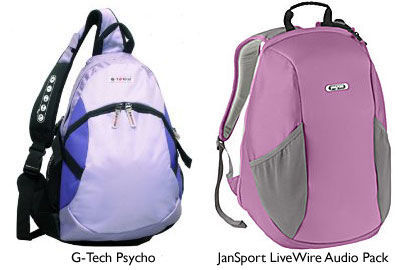
- ALa mochila de Julia es igual bonita que la mochila de Jazmín.
- BLa mochila de Julia es tan bonita que la mochila de Jazmín.
- CLa mochila de Julia es tan bonita como la mochila de Jazmín.
- DLa mochila de Julia es tanta bonita como la mochila de Jazmín.
9Which of the following statement is true?
- ANo sé bailar pero sé a muchas bailarinas.
- BNo conozco bailar pero conozco a muchas bailarinas.
- CNo conozco bailar pero sé a muchas bailarinas.
- DNo sé bailar pero conozco a muchas bailarinas.
10What is the best response this question?
¿Cuánto tiempo hace que juegas al basquetbol?- AJuego hace dos años.
- BJuego dos años hace.
- CHace juego dos años.
- DJuego dos años.
- ECuanto dos años juego.
11Which of these is NOT a reflexive marker?
- Ame
- Bte
- Cnos
- Dos
- Elo
- Fle
- Gse
12Which of these is in the logical correct order?
- AMe lavo las mano antes de secar las manos
- BMe lavo las manos despues de secar las manos.
- CMe seco las manos después de lavarme las manos.
- DMe seco las manos antes de lavarme las manos.
13Reflexive markers have various placements in a sentence. All of the following but one is a possible placement for the reflexive marker. Which one of these is incorrect?
- ABefore a conjugated verb.
- BAfter an infinitive
- CAfter a progressive form (the gerund)
- DAfter a positive command
- EAfter a perfect form (the participial form)
14If José is born in Guatemala, but works in Miami, which of the following is true?
- AJosé es de Guatemala y ahora es en Miami.
- BJosé está de Guatemala y ahora está en Miami.
- CJosé es de Guatemala y ahora está en Miami.
- DJosé está de Guatemala y ahora es en Miami.
15Paying attention to ser and estar, how would you translate the following?
María is happy. She is a little short, but is playing basketball for the school.
- AMaría es contenta. Ella es un poco baja, pero es jugando basketbol para la escuela.
- BMaría es contenta. Ella es un poco baja, pero está jugando basketbol para la escuela.
- CMaría está contenta. Ella es un poco baja, pero es jugando basketbol para la escuela.
- DMaría está contenta. Ella es un poco baja, pero está jugando basketbol para la escuela.
- EMaría es contenta. Ella está un poco baja, pero está jugando basketbol para la escuela.
16How would you best express the following?
I can't find them anywhere, where are my maps?- A... las mapas mías.
- B... las mías mapas.
- C... los mapas míos.
- D... los míos mapas.
17Which of these is correct as they fight about the book?
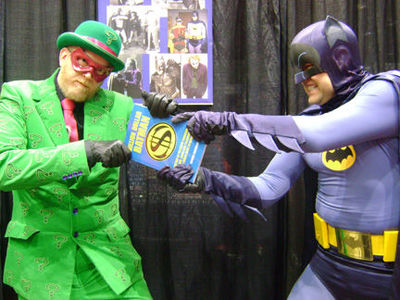
- AEsta no es tuya, es mía.
- BEsta no es tuya, es mío.
- CEste no es tuyo, es mía.
- DEste no es tuyo, es mío.
18How could you state the following in the past tense?
- Hoy yo como pizza, bebo un refresco, y mi hermana habla conmigo.- AThere is no difference - you just say 'yesterday'
- Ayer yo como pizza, bebo un refresco, y mi hermana habla conmigo. - BAll verbs end in the same past tense 'ed' ending
Ayer yo comí pizza, bebí un refresco, y mi hermana hablí conmigo. - CEach verb gets a different kind of ending.
Ayer yo comé pizza, bebí un refresco, y mi hermana hablá conmigo. - DAR verbs get one kind of ending, ER and IR a different, and different subjects do too.
Ayer yo comí pizza, bebí un refresco, y mi hermana habló conmigo.
- AThere is no difference - you just say 'yesterday'
19How would you say the following in the past tense?
Hoy yo toco el piano y almuerzo con mis amigos. (today I play the piano and eat lunch with my friends)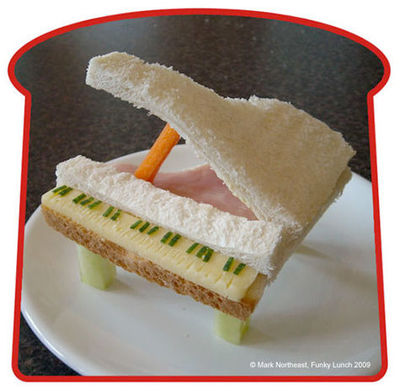
- A... tocé .... almuerzé.
- B... toqué .... almuercé.
- C... tocé .... almorcé.
- D... tocé .... almuerqué.
- E... togué .... almuergué.
20Do you want this dress or that one?

- A¿Quieres esta vestido o aquella?
- B¿Quieres esto vestido o aquello?
- C¿Quieres ese vestido o aquel?
- D¿Quieres este vestido o aquel?
21Some of the following answers here are NOT direct objects. Select the ones that don't belong to this set.
- Ame
- Bte
- Cle
- Del
- Elo
- Fla
22A: ¿Puedes aydar a mamá con el trabajo?
B: Sí, yo ____ ayudo.- Ame
- Bte
- Cla
- Dlo
23Which of the following are correct ways to answer this question?
A: ¿Vas a comer el pastel?
B: Sí __________- Avoy a comerlo
- Bvoy a lo comer
- Cvoy lo a comer
- Dlo voy a comer
24A: ¿Dónde los espera tu papá a tu hermano y a ti?
B: _____ está esperando en el cine.- Ame
- Bte
- Clos
- Dnos
- Eos
25Which of the following is the best answer?
¿Cuál música te gusta más? La música de Argentina o la música de Colombia?
- AMe gusta música de Argentina.
- BMe gusta la de Argentina.
- CMe gusta de Argentina.
- DMe gusta Argentina.
26In dropping a noun in a statement (such as below) what remains in the statement?
¿Cuál camiseta te gusta más? ... ¿Te gusta la camiseta verde o la camiseta blanca con círculos?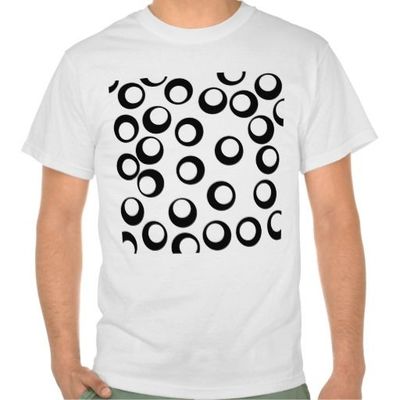
- AOnly the adjectives remain!
Me gusta blanca con círculos. - BCan't drop a noun that doesn't make sense.
Me gusta la camiseta verde. - CDrop only the noun, leave the article and any phrases
Me gusta la blanca con círculos - DDrop the noun, the article and the adjective, the person will understand.
Me gusta
- AOnly the adjectives remain!
27How do you say the following in the past tense?
I went to the restaurant and I gave my girlfriend a ring.
- AVoy al restaurante y doy un anillo a mi novia.
- BVí al restaurante y dé un anillo a mi novia.
- CFui al restaurante y di un anillo a mi novia.
- DFue al restaurante y dio un anillo a mi novia.
28How would you say the following in the past tense?
I went to the movies and saw a good movie. It was a wonderful evening.
- AYo voy al cine y veo una buena película. Es una noche maravillosa.
- BYo fue al cine y fue una buena película. Fue una noche maravillosa.
- CYo fui al cine y fue una buena película. Fui una noche maravillosa.
- DYo fui al cine y vi una buena película. fue una noche maravillosa.
29Which of the following answers are possible to this question?
¿Quién hizo tu cama esta mañana?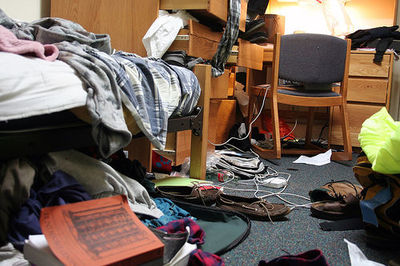
- AMi mamá la hice
- BTu haces la cama
- Cyo la hice esta mañana.
- DNadie la hizo.
30What is a good answer to the following question?
¿Pudiste comprar la ropa para la fiesta?- ASi la pude compré.
- BNo, no la pude comprar.
- CNo, no la poder compré.
- DSi, pude la comprar.
31What do you tell a child when they have not yet eaten their vegetables?
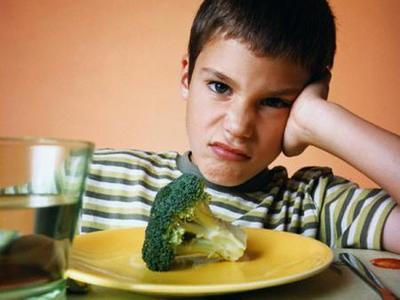
- A¡Comes las verduras!
- B¡Cómelas!
- C¡Come tus verduras!
- D¡Cómete verduras!
32The following are the irregular verbs for the commands
Ven Di Sal Haz Ten Ve Pon Sé
- AVerdadeiro
- BFalso
33Es muy fácil llegar a mi casa de aquí. Dobla a la derecha en la primera calle, entonces _____ derecho por dos cuadras. (ir)
- Ava
- Bve
- Cvi
- Dvaya
- Efue
- Fyendo
34¿Qué estas haciendo?
- AEstoy hablando con mi mamá y bebiendo un café.
- BEstoy hablando con mi mamá y bebando un café.
- CEstoy habliendo con mi mamá y bebiendo un café.
- DEstoy hablo con mi mamá y bebo un café.
35¿Qué están haciendo? (leer y pedir ayuda)
- AEstoy leer un libro y mi amigo está pedir ayuda.
- BEstoy leiendo un libro y mi amigo está pediendo ayuda.
- CEstoy leendo un libro y mi amigo está pidiendo ayuda.
- DEstoy leyendo un libro y mi amigo está pidiendo ayuda.
Informações
- Descrição
- This is a short quiz on the grammar we looked at during the semester. Only a few questions per each grammar point.
- Autor
- MrAbels
- Idioma
- English
- Visualizações
- 126
- Histórico
- Criado em 6 dez 2014 · atualizado em 26 mai 2016
- Etiquetas
- Avaliação
- Ainda sem avaliações Avalie este quiz