
Quiz
Ch 13 Brainstem 2 - Eye Movements & Pupillary Control
Este quiz tem tipos de pergunta que abrem no player de sempre.
Perguntas do quiz (33)
1Which muscles are innervated by CN III - Occulomotor n.?
- AMedial Rectus m.
- BSuperior Rectus m.
- CInferior Rectus m.
- DInferior Oblique m.
- ESuperior Oblique m.
- FLateral Rectus m.
2Which muscles are innervated by CN IV - Trochlear n.?
- ASuperior Oblique m.
- BLateral Rectus m.
- CMedial Rectus m.
- DSuperior Rectus m.
- EInferior Rectus m.
- FInferior Oblique m.
3Which muscles are innervated by CN VI - Abducens n.?
- ALateral Rectus m.
- BMedial Rectus m.
- CSuperior Rectus m.
- DInferior Rectus m.
- EInferior Oblique m.
- FSuperior Oblique m.
4AD-Duction
- AMedial Rectus m.
- BInferior Rectus m.
- CSuperior Rectus m.
- DInferior Oblique m.
- ESuperior Oblique m.
- FLateral Rectus m.
5Depression and Extorsion;
Depression increases with AB-Duction- AInferior Rectus m.
- BMedial Rectus m.
- CSuperior Rectus m.
- DInferior Oblique m.
- ESuperior Oblique m.
- FLateral Rectus m.
6Elevation and Intorsion;
Elevation Increases with AB-Duction- ASuperior Rectus m.
- BInferior Rectus m.
- CMedial Rectus m.
- DInferior Oblique m.
- ESuperior Oblique m.
- FLateral Rectus m.
7Elevation and Extorsion;
Elevation increases with AD-Duction- AInferior Oblique m.
- BSuperior Oblique m.
- CLateral Rectus m.
- DMedial Rectus m.
- EInferior Rectus m.
- FSuperior Rectus m.
8Depression and Intorsion;
Depression increases with AD-Duction- ASuperior Oblique m.
- BLateral Rectus m.
- CMedial Rectus m.
- DInferior Rectus m.
- ESuperior Rectus m.
- FInferior Oblique m.
9AB-Duction
- ALateral Rectus m.
- BMedial Rectus m.
- CInferior Rectus m.
- DSuperior Rectus m.
- EInferior Oblique m.
- FSuperior Oblique m.
10Oculomotor Palsy is characterized by which form of double vision?
- ADiagonal Diplopia
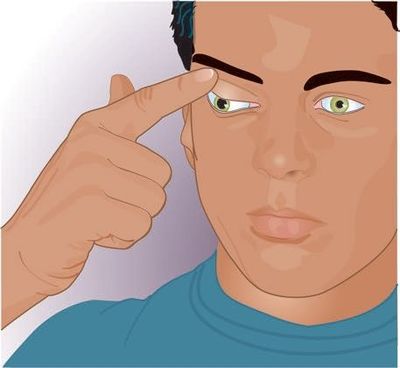
- BVertical Diplopia
- CHorizontal Diplopia
- ADiagonal Diplopia
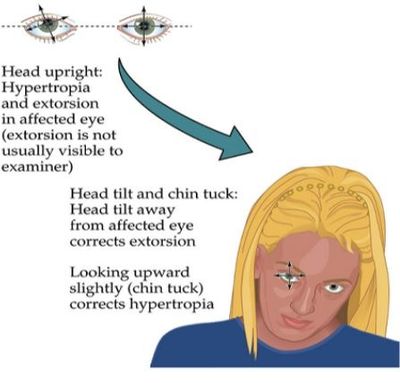
11Trochlear Palsy is characterized by which form of double vision?
- AVertical Diplopia
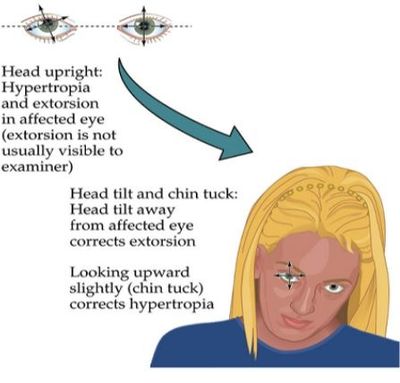
- BDiagonal Diplopia
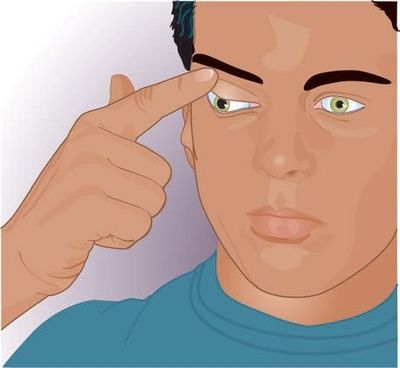
- CHorizontal Diplopia
- AVertical Diplopia
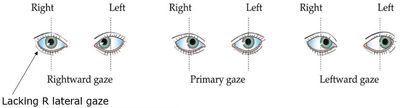
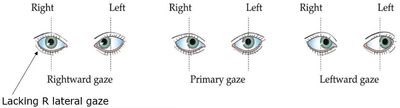
12Abducens Palsy is characterized by which form of double vision?
- AHorizontal Diplopia
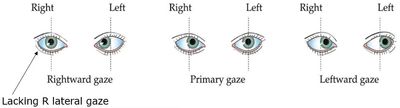
- BDiagonal Diplopia
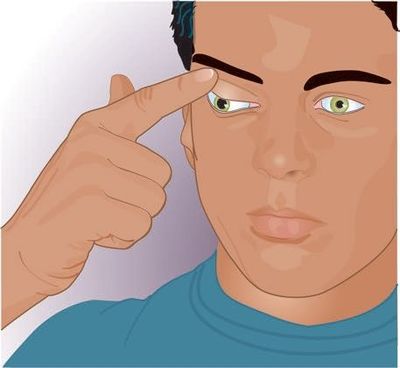
- CVertical Diplopia
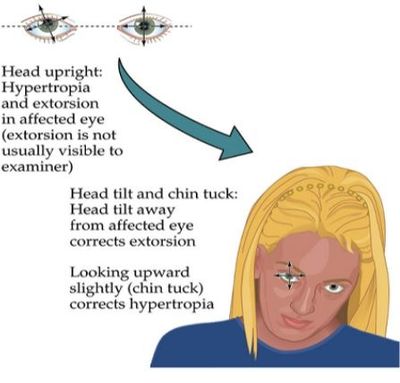
- AHorizontal Diplopia
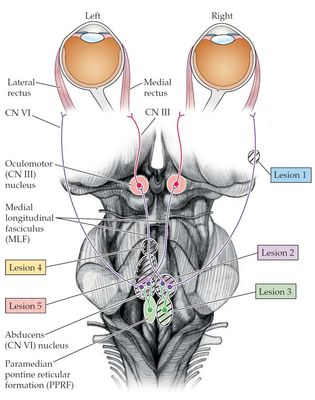
13Label the Image depicting the pathways controlling horizontal eye movements.
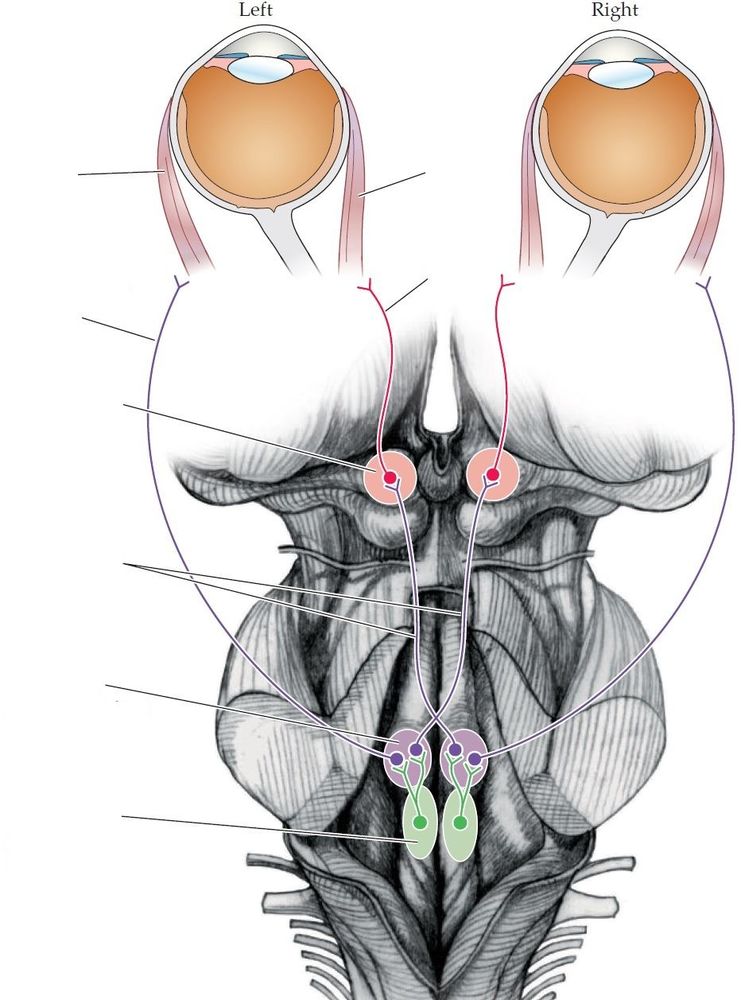
- ALateral Rectus m.
- BMedial Rectus m.
- CCN VI
- DCN III
- EOculomotor Nucleus
- FMedial Longitudinal Fasciculus (MLF)
- GAbducens Nucleus
- HParamedian Pontine Reticular Formation
- ICN II
- JCN IV
14What are the symptoms of Lesion 1?
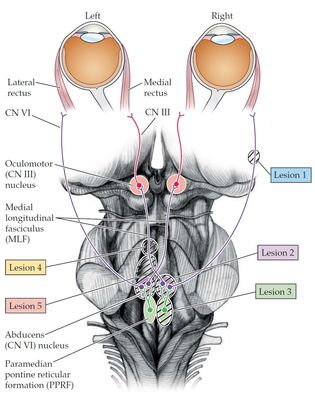
- AR Abducens Palsy

- BR Lateral Gaze Palsy

- CLeft INO
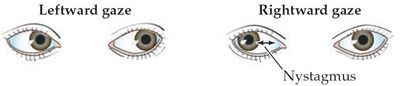
- D1 1/2 Syndrome
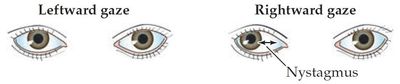
- AR Abducens Palsy
15What are the symptoms of Lesion 2?
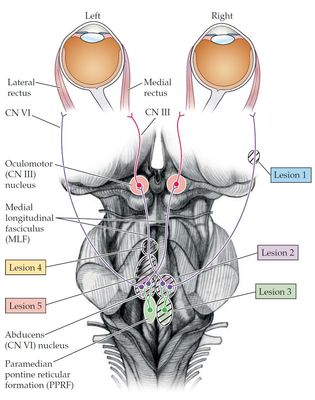
- AR Abducens Palsy

- BR Lateral Gaze Palsy

- CLeft INO
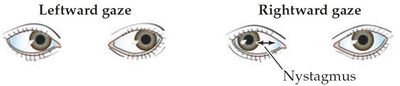
- D1 1/2 Syndrome
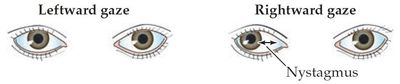
- AR Abducens Palsy
16What are the symptoms of Lesion 3?
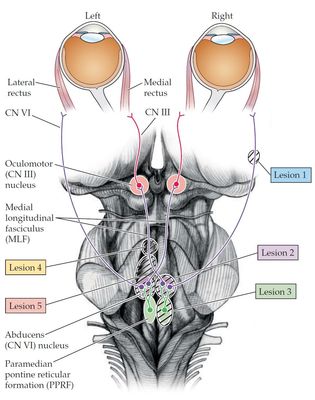
- AR Abducens Palsy

- BR Lateral Gaze Palsy

- CLeft INO
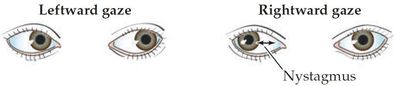
- D1 1/2 Syndrome
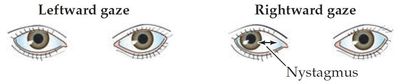
- AR Abducens Palsy
17What are the symptoms of Lesion 4?
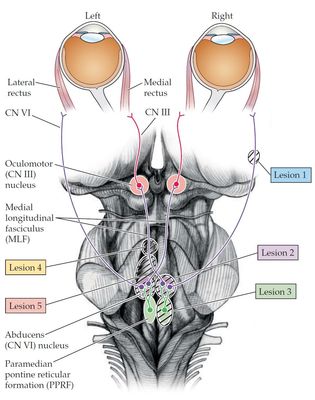
- AR Abducens Palsy

- BR Lateral Gaze Palsy

- CLeft INO
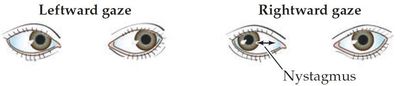
- D1 1/2 Syndrome
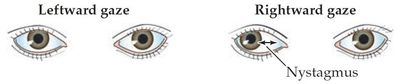
- AR Abducens Palsy
18What are the symptoms of Lesion 5?
- AR Abducens Palsy

- BR Lateral Gaze Palsy

- CLeft INO
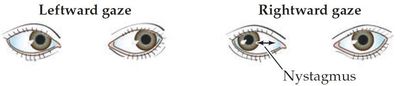
- D1 1/2 Syndrome
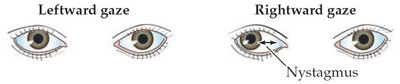
- AR Abducens Palsy
19The nuclei located in the Upper Midbrain at the level of the Superior Colliculi and Red Nuclei, just ventral to the Periaqueductal Gray Matter is called the [blank_start]Oculomotor[blank_end] Nuclei and corresponds to CN [blank_start]III[blank_end].
- AOculomotor
- BTrochlear
- CAbducens
- DIII
- EIV
- FVI
20The nuclei located in the Lower Midbrain at the level of the Inferior Colliculi and the decussation of the Superior Cerebellar Peduncle is the [blank_start]Trochlear[blank_end] Nuclei which corresponds with CN [blank_start]IV[blank_end].
- ATrochlear
- BOculomotor
- CAbducens
- DIV
- EIII
- FVI
21The nucleus located in the Floor of 4th Ventricle under the Facial Colliculi in the Mid-to-lower Pons is the [blank_start]Abducens[blank_end] Nucleus which corresponds to CN [blank_start]VI[blank_end].
- AAbducens
- BTrochlear
- COculomotor
- DVI
- EIII
- FIV
22These are the possible causes of what condition?
-Mechanical problems (i.e. Orbital fracture)
-Disorders of the extraocular muscles (i.e. Thyroid disease)
-Disorders of the neuromuscular junction (i.e. Myasthenia gravis)
-Disorders of CN III, IV, VI and their pathways- ADiplopia
- BPtosis
- CMydriasis
- DHorner’s Syndrome
- EPseudoptosis
23Patient presents with their left eye in the "Down and Out Position" and slight Ptosis.
Which CN do you immediately suspect is involved?- ACN III
- BCN IV
- CCN VI
24As you walk into the waiting room to greet a new patient, he turns his ahead away from you and tucks his chin to his chest.
Which is the most likely cause of this behavior?- APatient has Vertical Diplopia so he is trying to minimize the effect while focusing on you.
- BPatient is rather shy. Just give him some time to warm up to you.
- CPatient has Abducens Palsy so he is trying to minimize the effect while focusing on you.
- DPatient has Optokinetic Nystagmus and is trying to focus on you.
25Which direction will a patient turn his head to minimize Horizontal Diplopia?
- AToward the affected eye
- BAway from the affected eye
- CHead movements alone will not correct a Horizontal Diplopia
- DAway from the affected eye with the chin tucked to the chest
26For Mydriasis [blank_start]Sympathetic[blank_end] Activation causes Contraction of the Pupillary [blank_start]Dilator[blank_end] Muscle and [blank_start]Parasympathetic[blank_end] Relaxation causes Relaxation of the Pupillary [blank_start]Sphincter[blank_end] Muscle.
- ADilator
- BSphincter
- CSphincter
- DDilator
- ESympathetic
- FParasympathetic
- GParasympathetic
- HSympathetic
27Miosis requires relaxation of the Sympathetic NS and activation of the Parasympathetic NS.
- AVerdadeiro
- BFalso
28Miosis requires activation of the Sympathetic NS and relaxation of the Parasympathetic NS.
- AVerdadeiro
- BFalso
29Mydriasis can be caused by which of the following?
- APupillary Light Reflex responding to decreased light entering the eye.
- BPupillary Light Reflex responding to increased light entering the eye.
- CAccommodation Reflex
- DParasympathetic Activation
30The Accommodation Reflex...
- Aoccurs when an object being focused upon moves closer
- Boccurs when an object being focused upon moves further away
- Cis related to Mydriasis
- Dis related to Pseudoptosis
- Eis related to Ptosis
31The following are possible causes for which condition?
-Horner’s Syndrome
-Oculomotor Palsy
-Myasthenia Gravis- APtosis
- BPseudoptosis
- CMiosis
- DMydriasis
- EOptokinetic Nystagmus
32Which of the following describe Optokinetic Nystagmus?
- AAllows the eye to follow objects in motion when the head remains stationary
- BComposed of slow eye movements in one direction interrupted repeatedly by fast, saccade-like eye movements in the opposite direction
- CStabilizes the eyes on a visual image during head and body movements
- DOccurs normally
- EIndicative of CN III lesion
- FIndicative of CN VI lesion
33[blank_start]Vestibulo-Ocular Reflex[blank_end] stabilizes the eyes on a visual image during head and body movements
- AVestibulo-Ocular Reflex
- BOptokinetic Nystagmus
- CPseudoptosis
Informações
- Descrição
- Neuroscience (Exam 3) Quiz sobre Ch 13 Brainstem 2 - Eye Movements & Pupillary Control, criado por Ben Williams em 20-03-2017.
- Autor
- Ben Williams
- Idioma
- English
- Visualizações
- 146
- Etiquetas
- Avaliação
- Ainda sem avaliações Avalie este quiz