
DIDACTIC 3

Slides do conjunto (11)
-
- Increase motivation
- Measure progress
- Allow you to make decisions
- Guide your teaching process
-
- Audience Behavior
- Condition
- Degree
- Specific
- Measurable
- Achievable
- Relevant
- Time-bound
-
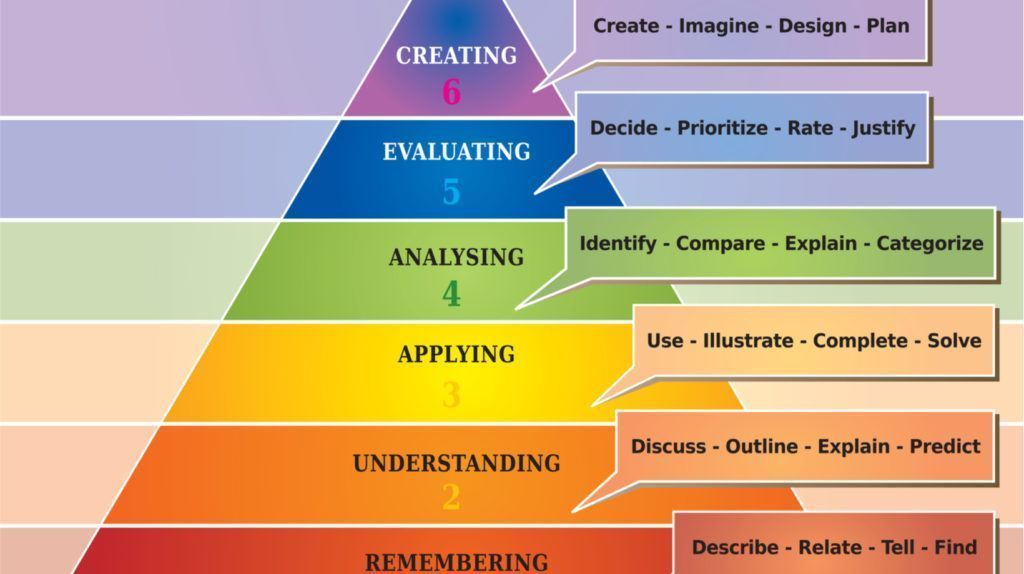
- The cognitive process dimension represents a continuum of increasing cognitive complexity—from remember to create.
-
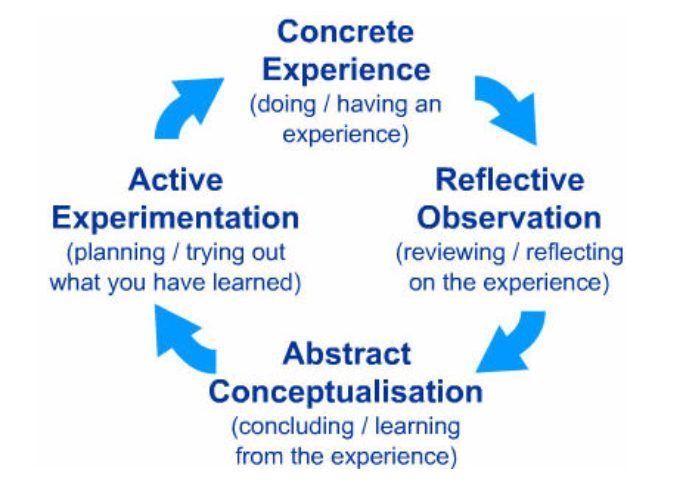
- ELT defines learning as the process whereby knowledge is created through the transformation of experience.
- knowledge results from the combination of grasping and transforming experience.
-
- knowledge results from the combination of grasping and transforming experience.
-
stages of experimential learning
- CONCRETE EXPERIENCE
- 2. REFLECTIVE OBSERVATION
- 3.ABSTRACT CONCEPTUALIZATION
- 4.ACTVE EXPERIMENTATION
- THE LEARNER ENCOUNTERSBA NEW EXPERIENCE OR ENGAGES IN A REINTERPRETATION PRECESS OF AN EXISTING EXPERIENCE.
- 2.THE LEARNER REVIEWS AND REFLECTS ON THE NEW EXPEREINCE AND IDENTIFY ANY INCONSISTENCIES BETWEEN EXPERIENCE AND UNDERSTANDING.
- 3.LEARNER ANALIZE THE CONCEPS AND FORMING CONCLUSIONS AND GENERALIZATION.
- 4. CONCLUTIONS AND GENERALIZATIONS ARE USED TO TEST HYPOTHESIS AND THUS THE LESRNER ENGAGES IN NEW EXPERIENCES.
-
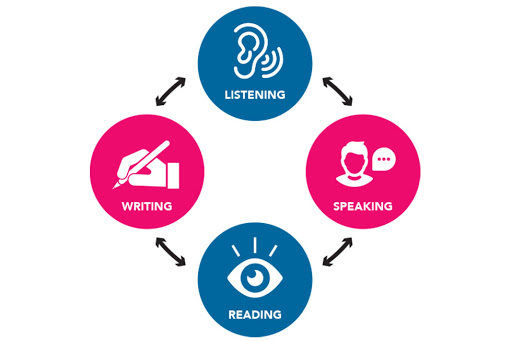
- LESTENING: IT IS SOMEONE WHO CONSTRUCT REASONABLE INTERPRETATION ON THE BASIS OF AN UNDERSPECIFIED INPUT AND RECOGNIZES WHEN MORE SPECIFIC INFORMATION IS REQUIRED.
- WHAT DOES LISTENING INVOLVE?
- SCHEMMA
- LANGUAGE DISCOURSE
- KNOWLEDGE KNOWLEDGE
-
- MEANS USING THE INFARMARION THAT IS PROVIDED TO THE LEARNER TO INCREASE THEIR KNOWLEDGE OF THE LANGUAGE.
- CHARACTERISTIC:
- 1 they read widely with different purposes
- 2 they read fluently and use their metacognitive capacity to focus on the meaning of what they read,
- 3 they develop their comprehension by using what they read
- 4 they are metacognitively aware as they use a variety of reading strategies and
- 5 they are motivated readers
-
- FLUENCY:
- operated the laguage system quickly.
- ACCURACY:
- is conforming to the language sydtem itself.
- APPROPRIACY:
- is all about sociocultural context, or progmatics.
- AUTHENTICITY:
- self expresion and the develoment of authentic voice.
- DIFICULTIES:
- Clustering
- Redundancy
- Reduced forms performance variables
- Colloquial language
- Rate of delivery
- Stress, rhythm, and intonation
- Interaction rules
-
- INTENSIVE
- RESPONSIVE
- TRANSACTIONAL(MONOLOG)
- INTERPERSONAL(MONOLOG)
- EXTENSIVE(MONOLOG)
-
- WRITING INVOLVED A MENTAL PROCESS THAT DIFFERS FROM SPEAKING.
- unique characteristics.
- PERMANENCE
- PRODUCTION TIME
- DISTANCE
- ORTHOGRAPHY
- COMPLXITY
- FORMALITY
Informações
- Descrição
- Slides sobre DIDACTIC 3, criado por XIOMARA VANESSA CUELLAR ALVARADO em 17-05-2019.
- Criado por
- XIOMARA VANESSA CUELLAR ALVARADO
- Visualizações
- 2
- Avaliação