
Flashcards
science equipment and key terms
Flashcards do conjunto (48)
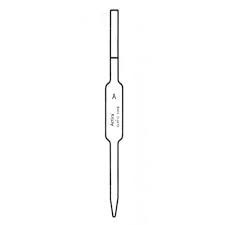
- 1what is this called?this is a PIPETTE
- 2what is a molecule?a molecule is the smallest part of an element or compound that can exist on its own / two or more atoms grouped together
- 3explain the term "mixture".a mixture is two or more substances mixed together without a chemical reaction
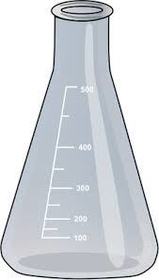
- 4what is this called?a conical flask
- 5what is an element ?an element is a substance that cannot be split into any simpler substances by chemical means.
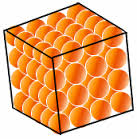
e.g copper ,gold ,hydrogen,chloride - 6what kind of molecules does a solid have?a solid has tightly packed molecules so there is no space for them to move.
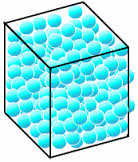
- 7what kind of molecules does a liquid have?a liquid has closely packed molecules with a little bit of space so that the liquid can flow.
- 8what kind of molecules does gas have?gas has very loosely packed molecules scattered about the place which means they have loads of space to move so the gas difuses.
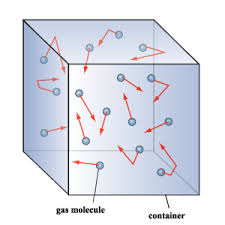
- 9what is an atom?an atom is the smallest part of an element that still has the same properties of that element.
e.g CO2 - 10explain a physical change.a physical change is one in which no new substance is made
e.g tearing paper - 11explain a chemical change.a chemical change is a change in which a new substance is made.
e.g burning paper, rusting , milk going sour - 12what is a compound?a compound is 2 or more elements chemically combined.
e.g water, sodium chloride , carbon dioxide - 13name the parts of this microscope.
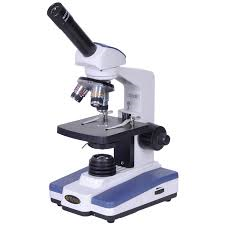
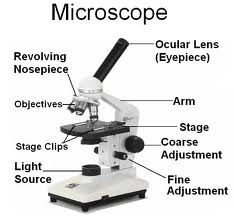
- 14what does this symbol mean?it means oxidising.
(causes flammable substances to burn more fiercely)
- 15this is a diagram of a plant cell. label the drawinga- cell wall
b- large central vacuole
c- nucleus
d- cytoplasm
e- chloroplasts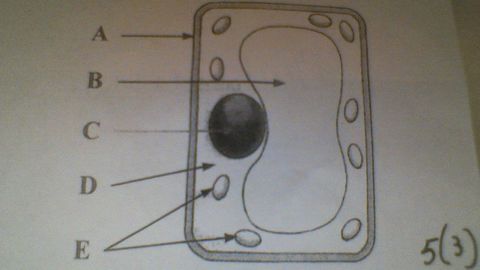
- 16name two differences between plant cells and animal cells1) plant cells have a large central vacuole animal cells don't
2) plant cells have a cell wall. - 17what do you use to stain plant cells so you can see them under the microscope?iodine.
- 18what is a tissue?it's a group of similar cells with a special function (e.g muscle,nerve)
- 19what is an organ?an organ is a group of different tissues that work together to carry out a special function.
e.g the heart, the ears,stomach lungs.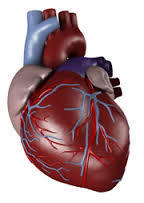
- 20what is a system?a system is a group of organs working together .
e.g the digestive system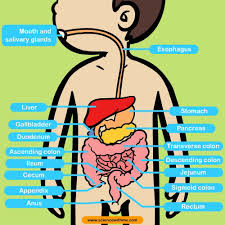
- 21name this piece of equipment and label the main parts.this is called a Bunsen burner
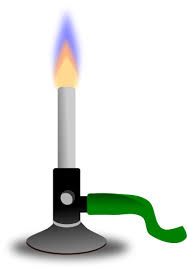
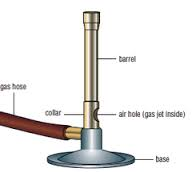
- 22name the 7 characteristics of living things1) movement
2) growth
3) feeding
4) sensitivity
5) respiration
6) reproduction
7) excretion - 23label this diagram of an animal cellA- cell membrane
B- nucleus
C- cytoplasm
(the little circles are vacuoles btw)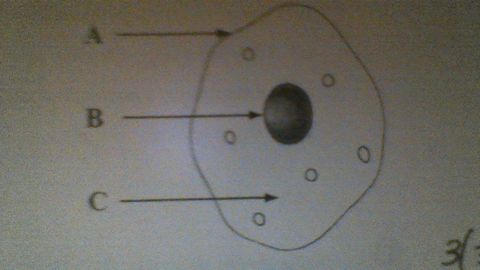
- 24what is the definition of the word "cell"a cell is a basic unit of life
- 25what is an organism?an organism is a group of systems working together.
e.g humans,fish,insect,plants - 26name two ways to measure a curve1) a curvy metre
2) a piece of string - 27how do you measure diameter/thickness1) simple calliper
2) vernier calliper (very accurate)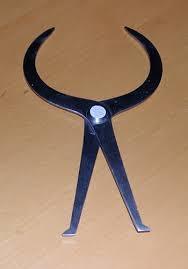
- 28how do you find the area of a regular shape?length x width
- 29how do you measure volume?length x width x length
- 30what kind of energy does a battery havechemical
- 31give an example of potential energystretched elastic band
- 32what is the law of conservation of energyenergy cannot be created or destroyed only changed from one form to another.
- 33what is "renewable" energy?sources can be used again and again
- 34what is "non renewable" energy?sources are only used one and never again.
- 35what is "matter"?matter is anything that takes up space and has mass.
- 36all matter is made up of _______ called ______. (fill in the blanks)all matter is made up of particles called molecules.
- 37what does "difuse" mean?e.g gas difuses by spreading round the air/room and not staying in the one place.
- 38at what temperature does water boil at?water boils at 100 °C
- 39what temperature does water freeze at?0 °C
- 40the difference between boiling and evaporating?boiling-the liquid changes to a gas throughout the liquid
evaporating-liquid changes to a gas at the surface only - 41what is a solution?a solution is a mixture of a solute and a solvent
- 42what is a solvent?a liquid in which the substance dissolves.
- 43what is a solute ?the substance placed in the solvent
- 44whats an insolubile solid?a solid that does not dissolve
- 45what is a soluble solid?a solid that does dissolve
- 46examples of solutes and solventssolutes solvents
tar petrol
paint white spirits
p marker highlighter - 47what is a dilute solution?a dilute solution has lots of solvent and a little solute.
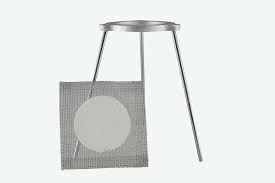
- 48what are these called?tripod and wire gauze
Informações
- Descrição
- see how well you know your science equipment and key terms
- Criado por
- schoolstudy1
- Visualizações
- 42
- Avaliação