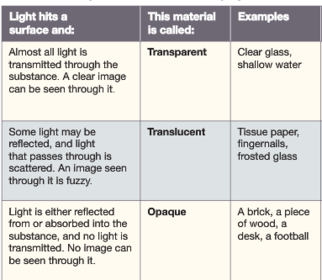
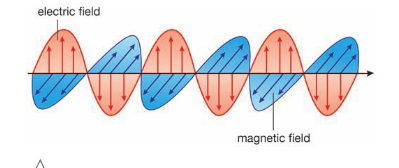
Light is a form of energy called electromagnetic radiation.Light travels in a complex wave called the electromagnetic wave.This wave has a specific frequency and wavelength.Electromagnetic waves do not need a medium to travel through, so they can travel through a vacuum.A light wave travels at 300,000km per second.When light hits a surface, it could either be transmitted, absorbed or reflected.
Caption: : When lights hits a surface, it can be reflected, transmitted or absorbed. This table gives us examples
Examples:
Slide 3
Most objects do not produce their own light, because light bounces off them and into your eyes. Most objects reflect light from the sun. This process is called reflection
Objects and their Light
Slide 4
When light reflects off a very smooth surface such as a mirror or a window, it under goes regular reflection.The surfaces of most objects are quite rough up close. these surfaces reflect light in many directions and do not form an image. This is called diffuse reflection.Law of Reflection;Angle of incidence= Angle of reflection i=r
Diffuse and Regular Reflection
Slide 5
Plane Mirrors and Refraction
Plane mirrors are flat mirrors. When looking into a plane mirror your image is identical in every way except that your right side appears in the mirror as your left. This is called lateral inversion.Refraction: Light is bent as it travels out from water in the glass to the air. This bending of light is called refraction.Light refracts when it travels to one transparent substance into another.
Slide 6
Why does refraction occur?
Light travels through substances at different speeds. The refractive index is a measure of how easily light travels through a substance.Light bends away from the normal when entering a substance of lower refractive index. It bends towards the normal when entering a substance of higher refractive index. Depth Illusions: Depth illusions occur because light from an object under water is bent away from the normal when it leaves the water surface into the air.