
Flussdiagramm
Comparative Table 2
Inhalt des Flussdiagramms
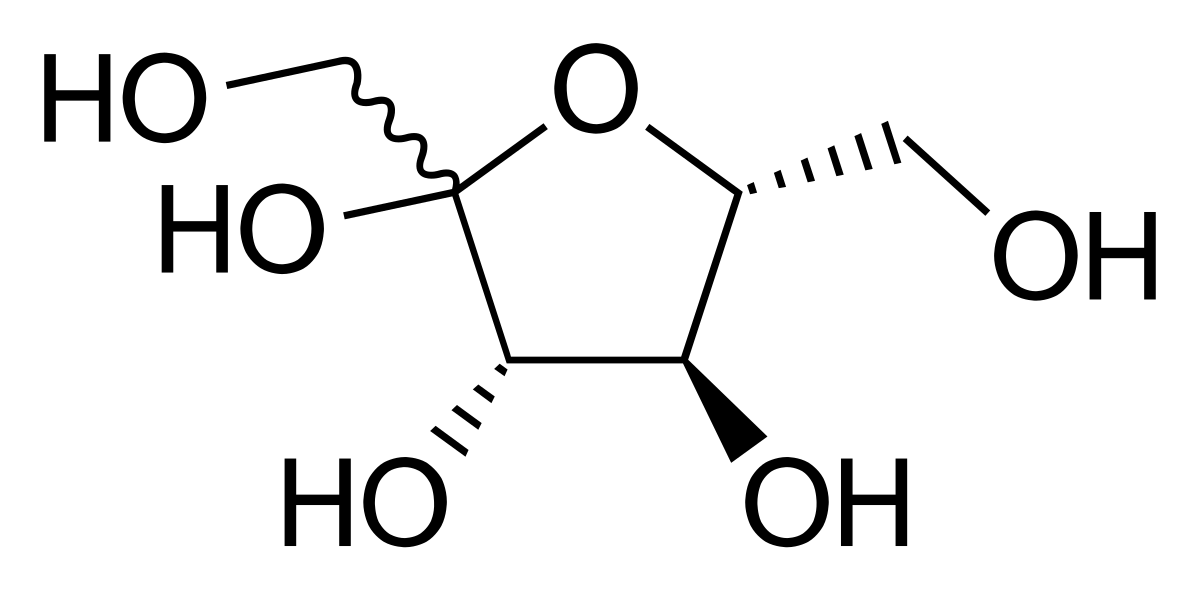
Fructose
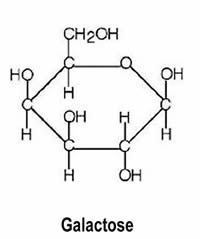
Galactose
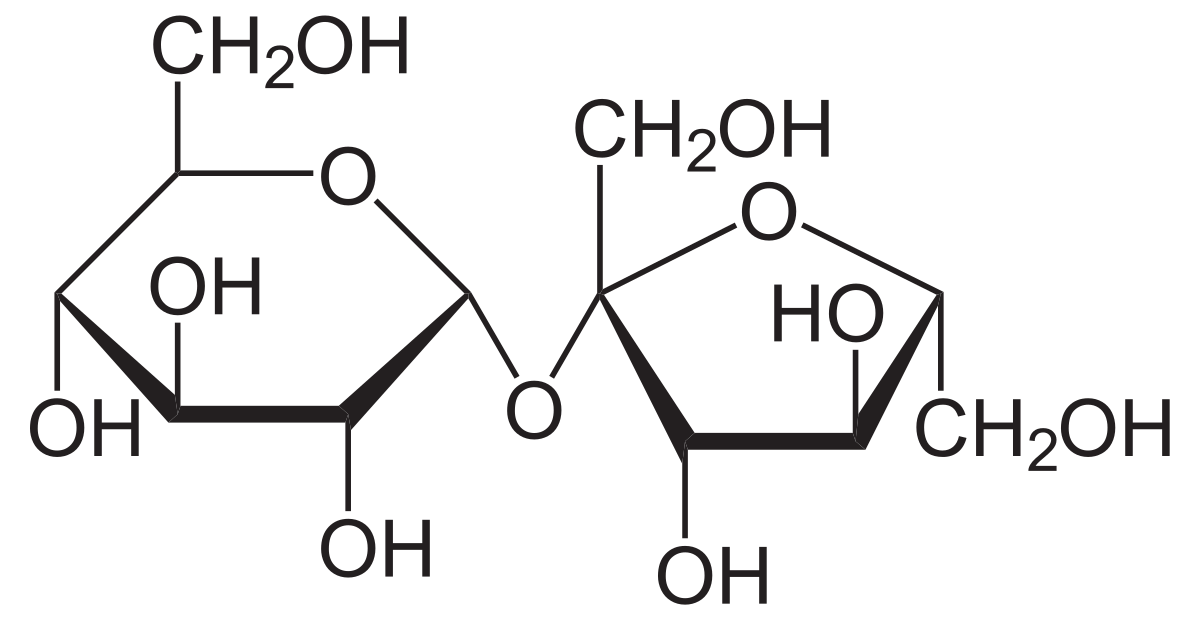
Sucrose
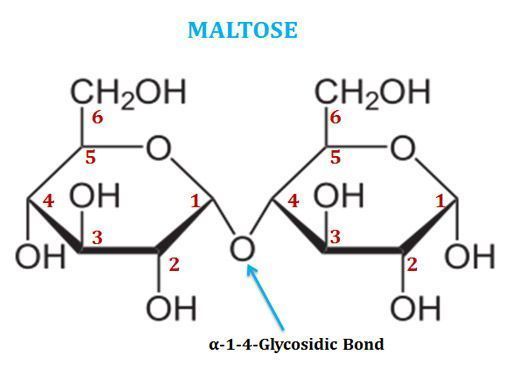
Maltose
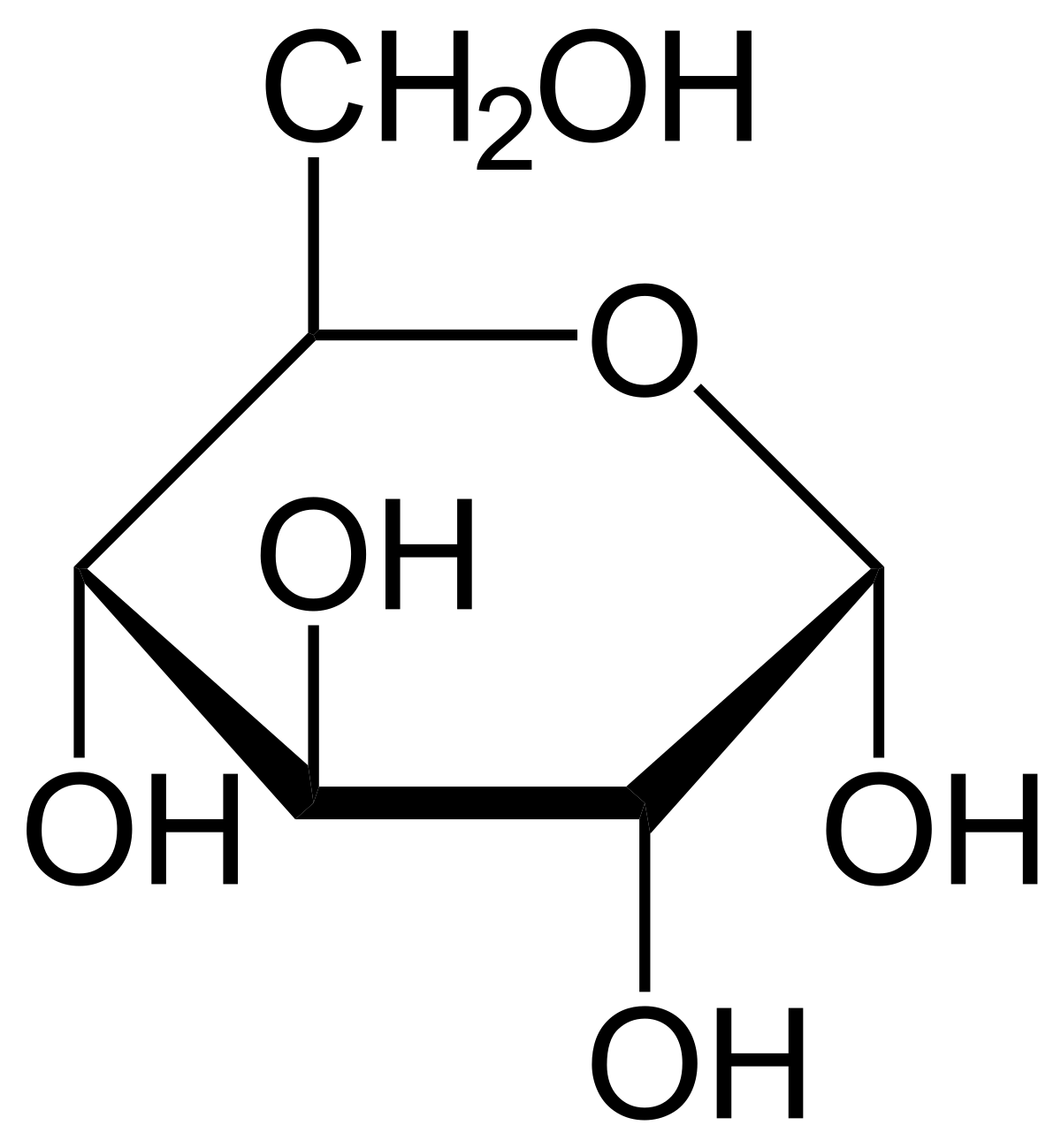
Glucose
Glucose is the main type of sugar in the blood and is the major source of energy for the body's cells. Glucose comes from the foods we eat or the body can make it from other substances. Glucose is carried to the cells through the bloodstream.
Fructose, or fruit sugar, is a simple ketonic simple sugar found in many plants, where it is often bonded to glucose to form the disaccharide sucrose. Sometimes called fruit sugar, fructose is found in fruit, some vegetables, honey, and other plants. Fructose and other sugars are carbohydrates, an important source of energy for the body.
Galactose (from the Greek galakt which means milk), a C4 epimer of glucose, is a hexose widely used to build up biologically functional glycoconjugates in living organisms. When combined with glucose through covalent bonds, it makes the widely known lactose, a disaccharide largely found in milk.
Sucrose is a complex molecule consisting of two monosaccchrides. In common language it is called as table sugar or cane sugar. Sucrose is the scientific name of sugar. The two monosaccchrides are glucose and fructose. Sucrose is a non reducing sugar.
Maltose results from the enzymatic hydrolysis of amylose, a homopolysaccharide , by the enzyme amylase.ou can find it in wheat, cornmeal, barley and several ancient grains. Many breakfast cereals also use malted grains to add natural sweetness. Fruits are another common source of maltose in the diet, especially peaches and pears.
Informationen
- Beschreibung
- Flussdiagramm am Comparative Table 2, erstellt von Leonardo Andr�s Carpio L�pez am 08/04/2021.
- Erstellt von
- Leonardo Andr�s Carpio L�pez
- Aufrufe
- 28
- Bewertung