
Karteikarten
Neuroscience in Education
Karten in diesem Stapel (11)
- 1—Defined investigates the processes by which the brain learns and remembers, from the molecular and cellular levels right through to brain systems.
- 2TEACHINGTeaching is a very specialized kind of social interaction, and some of its aspects (reading the minds of others, inferring their motivational and emotional states) are after all already investigated in cognitive neuroscience.

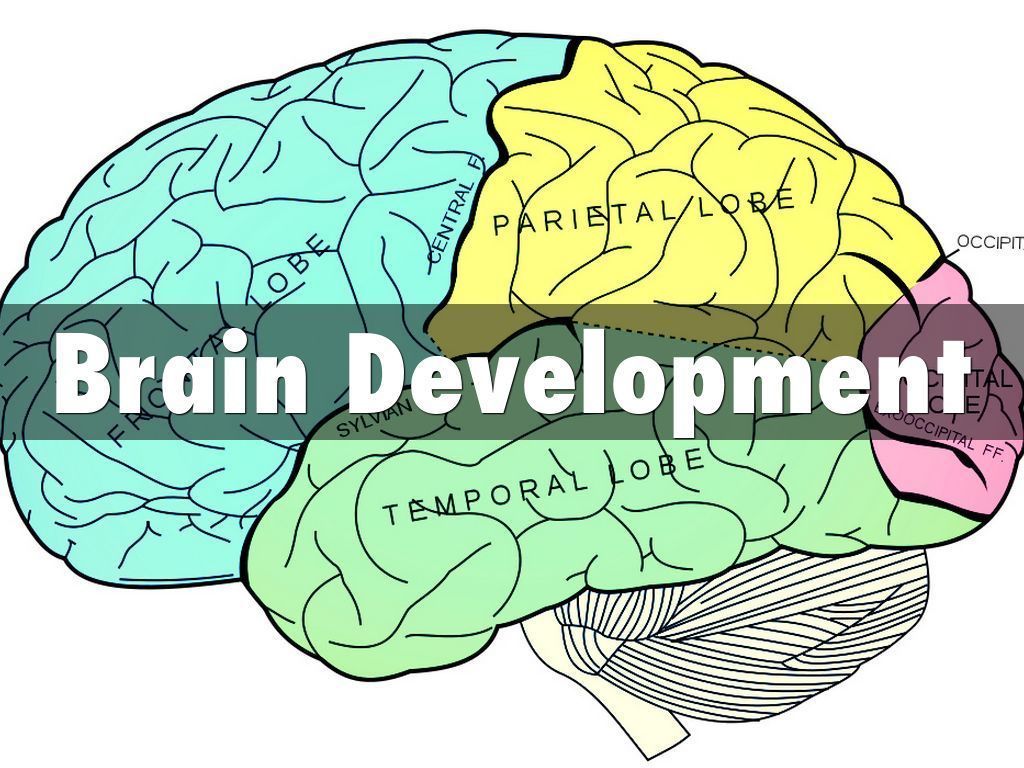
- 3—Brain volume quadruples between birth and adulthood, because of the proliferation of connections, not because of the production of new neurons.
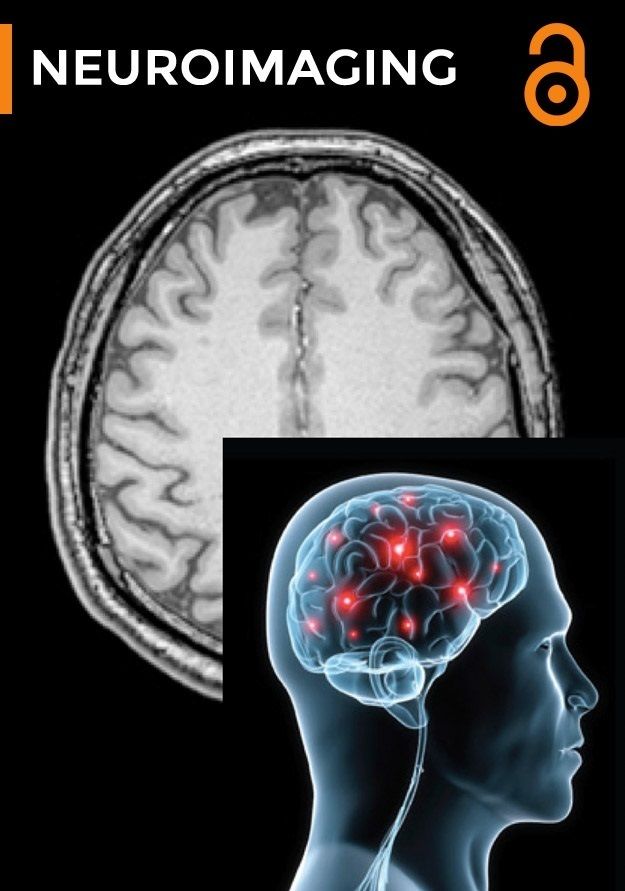
- 4NEUROIMAGINGStudies are based on the assumption that any cognitive task makes specific demands on the brain which will be met by changes in neural activity.
- 5COGNITIVE NEUROSCIENCEThe tools of cognitive neuroscience offer various possibilities to education, including the early diagnosis of special educational needs, the monitoring and comparison of the effects of different kinds of educational input on learning, and an increased understanding of individual differences in learning and the best ways to suit input to learner.
- 6LANGUAGEHence when linguistic input is degraded or absent for various reasons (e.g., being hearing impaired, being orally impaired), speech and language are affected. Studies of normal adults show that grammatical processing relies more on frontal regions of the left hemisphere, whereas semantic processing and vocabulary learning activate posterior lateral regions of both hemispheres.
- 7READINGNeuroimaging studies of both children and adults suggest that the major systems for reading alphabetic scripts are lateralised to the left hemisphere. These studies typically measure brain responses to single word reading using fMRI or ERPs.
- 8MATHEMATICSIt has been argued that there is more than one neural system for the representation of numbers. Neural areas activated during finger counting (a developmental strategy for the acquisition of calculation skills) eventually come to partially underpin numerical manipulation skills in adults.
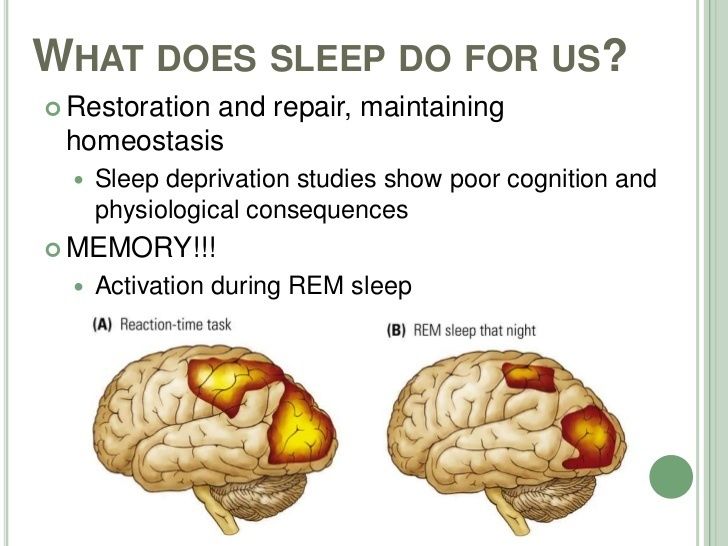
- 9SLEEP AND COGNITIONNeuroimaging studies suggest indeed that Rapid Eye Movement (REM) sleep is not only associated with self-reports of dreaming but is important for learning and memory.
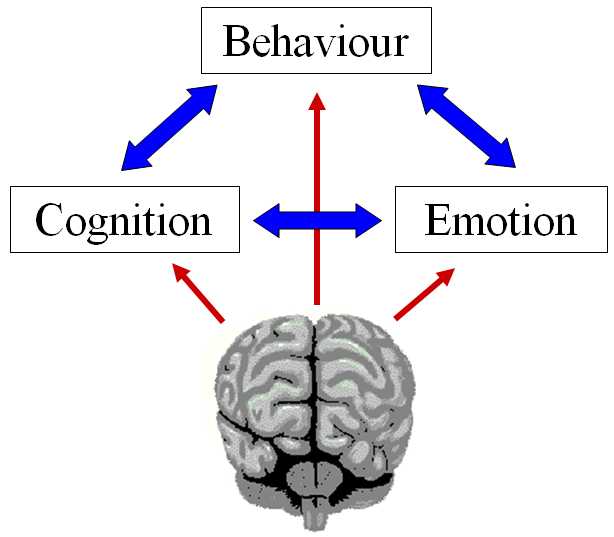
- 10EMOTION AND COGNITIONThe ‘emotional brain’ (LeDoux, 1996) has strong connections with frontal cortex (the major site for reasoning and problem solving). When a learner is stressed or fearful, connections with frontal cortex become impaired, with a negative impact on learning. Stress and fear also affect social judgments, and responses to reward and risk. One important function of the emotional brain is assessing the value of information being received.
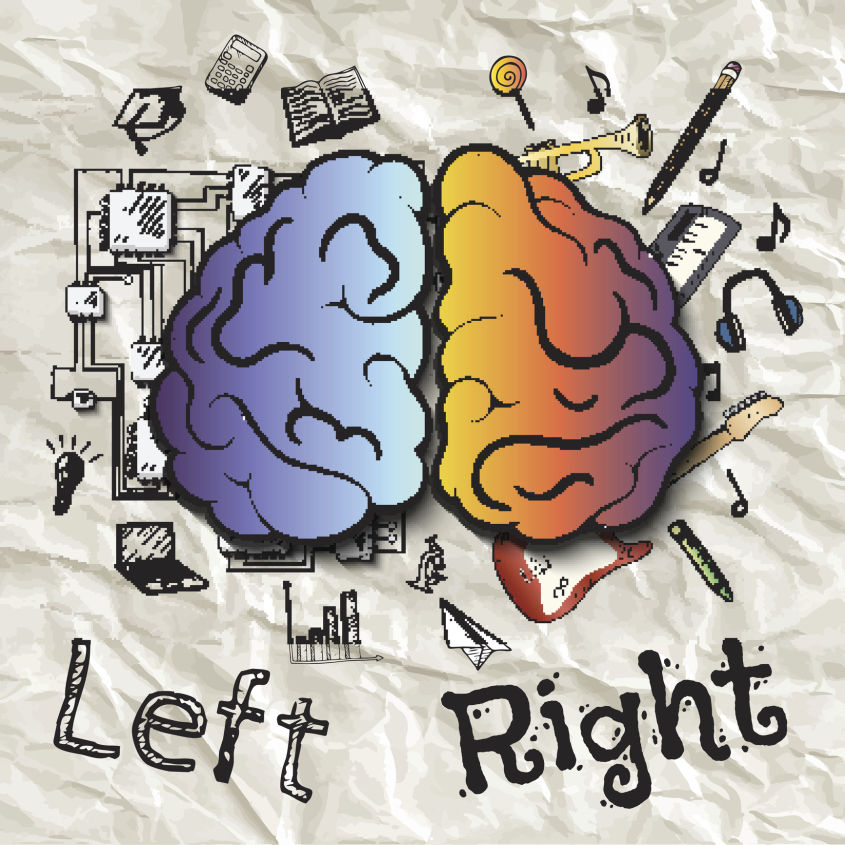
- 11NEUROMYTHSThe three myths given most attention in the OECD report are (1) the lay belief in hemispheric differences (‘left brain’ versus ‘right brain’ learning etc.), (2) the notion that the brain is only plastic for certain kinds of information during certain ‘critical periods’, and that therefore education in these areas must occur during the critical periods, and (3) the idea that the most effective educational interventions need to be timed with periods of synaptogenesis.
Informationen
- Beschreibung
- Neuroscience in Education to understand better how the brain works and influence in the process of learning.
- Erstellt von
- Leidy Zúñiga
- Aufrufe
- 84
- Tags
- Bewertung