
Karteikarten
Memorization: equations
Karten in diesem Stapel (140)
- 1W = Fdcosθ *Θ= the angle between F and dthe work done by a constant force on an object moving in a specific direction
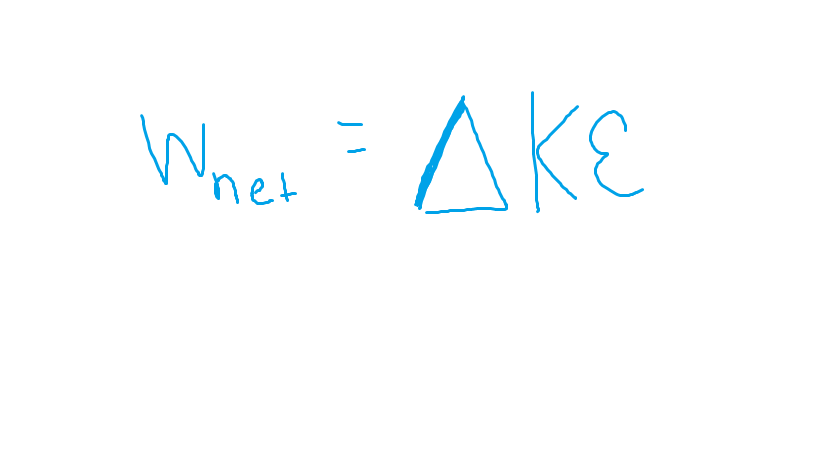
- 2—work-energy theorem
- 3—translational
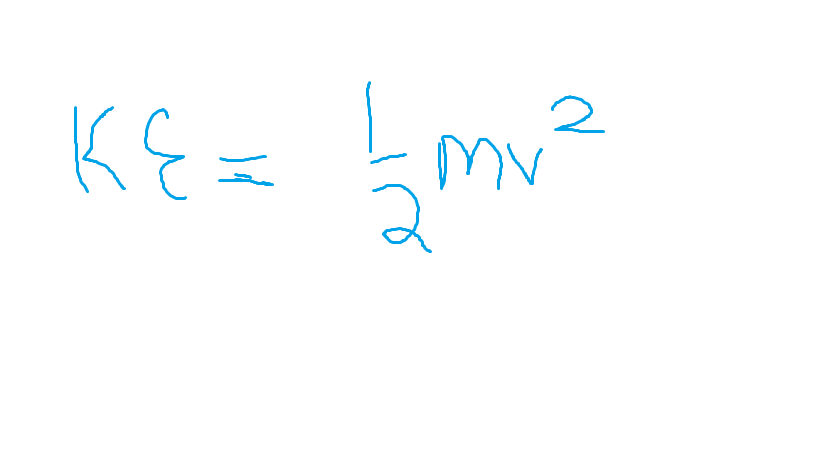
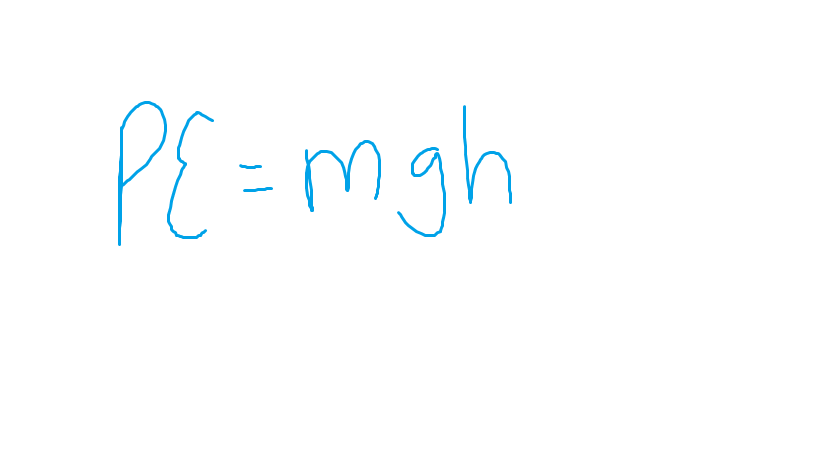
kinetic energy - 4—gravitational potential energy
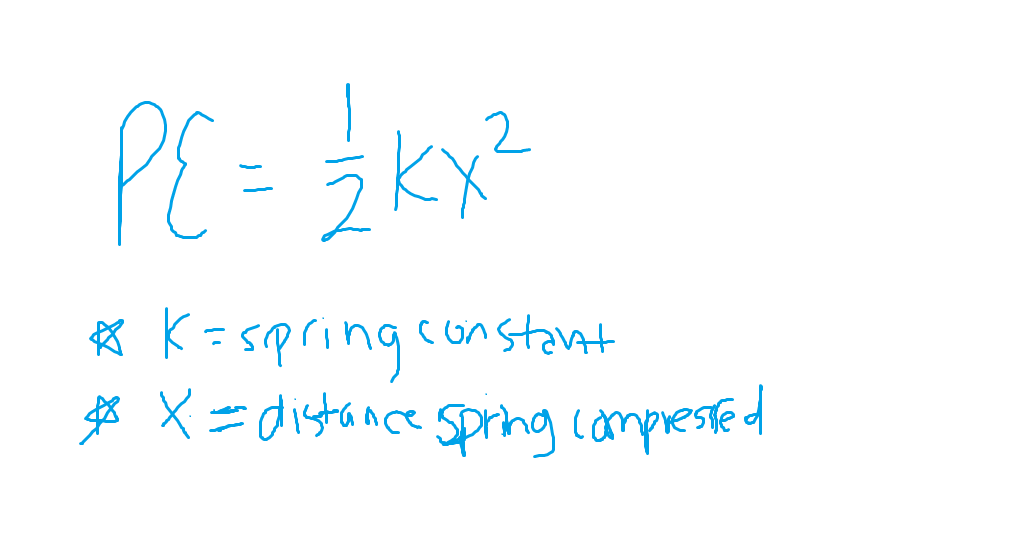
- 5—elastic potential energy
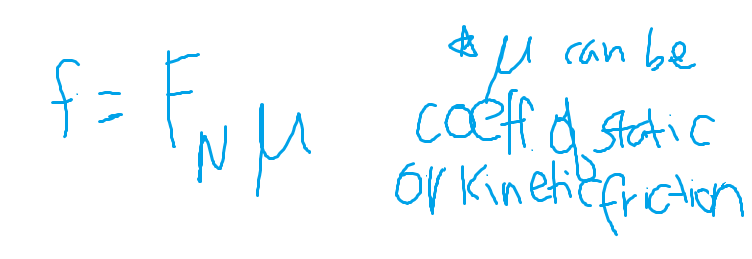
- 6—magnitude of frictional force
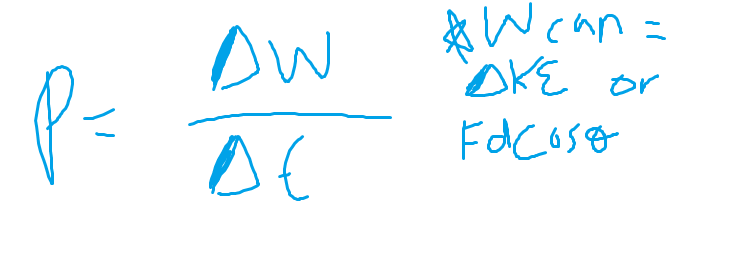
- 7—Power
- 8—Hydrostatic Pressure
*applies to static fluids
*hydrostatic pressure increases as depth increases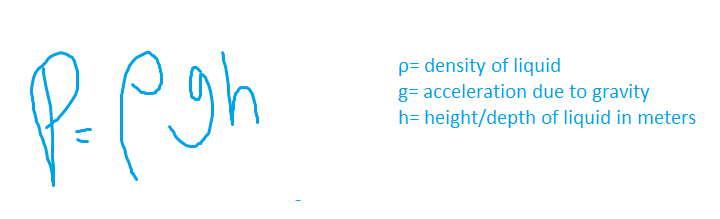
- 9—Continuity equation
*continuity of flow is conserved in a fluid because mass is conserved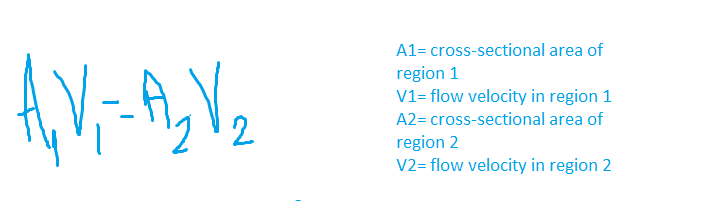
- 10—Bernoulli’s Equation
*analysis of a liquid as it moves through a tube
*applies conservation of energy to flowing fluid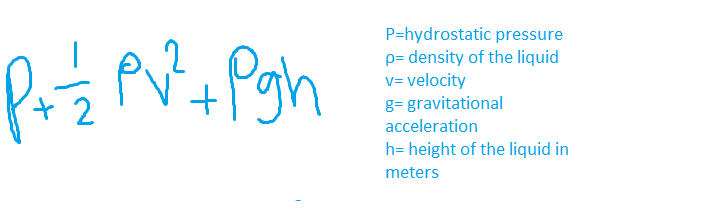
- 11—Ideal gas law
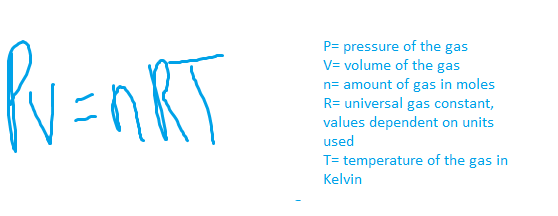
- 12—Boyle’s Law
*calculates pressure or volume of an ideal gas as the other variable changes as they are inversely related*
*APPLICABLE ONLY WHEN n AND T ARE CONSTANT*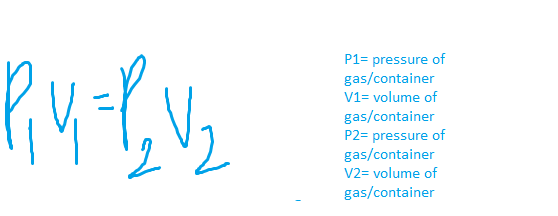
- 13—Charles Law
*calculation of volume/temperature of an ideal gas when the other variable changes as they are directly related*
*APPLICABLE ONLY WHEN n AND P ARE CONSTANT*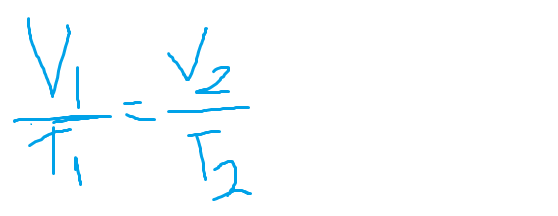
- 14—Avogadro's law
*change in amount of ideal gas/volume when the other variable changes
*APPLICABLE ONLY WHEN T AND P ARE CONSTANT*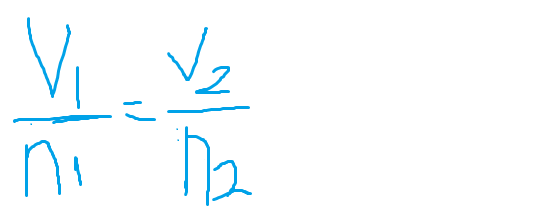
- 15—Dalton’s Law of Partial Pressures
*pressure exerted by a mixture of gases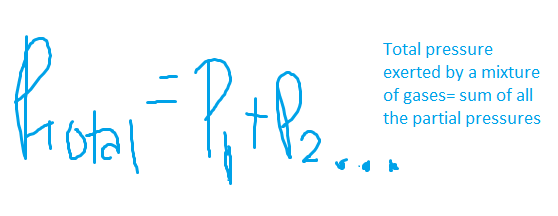
- 16—Coulomb's law
*the electrostatic force between 2 electrically charged particles is equal to...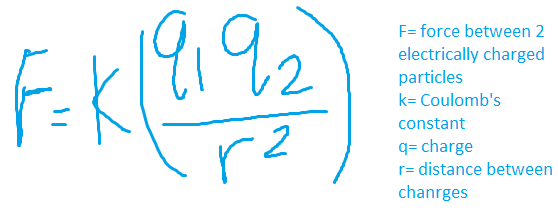
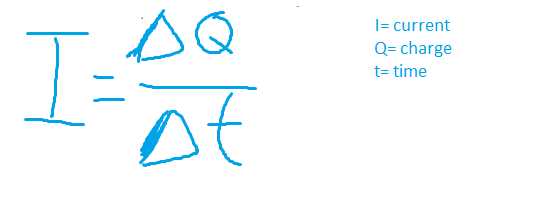
- 17—current through a circuit
- 18—Ohm's law
*current through a circuit in ohms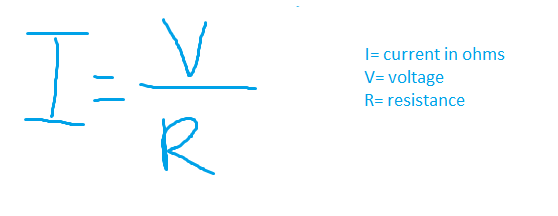
- 19—Resistivity
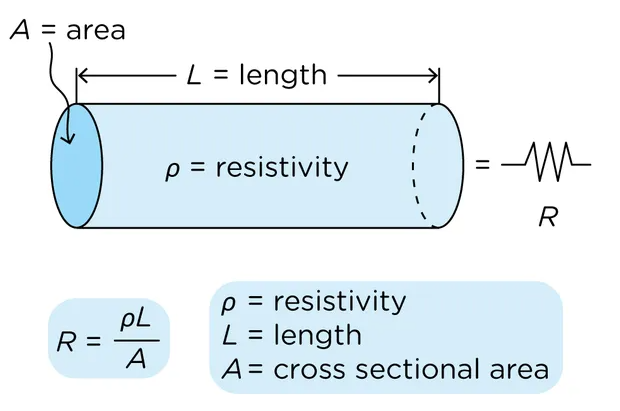
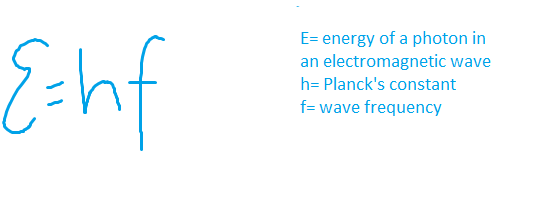
- 20—Photon energy
- 21—Snell's Law
*change in the direction of a light ray as it moves from mediums with different refractive indices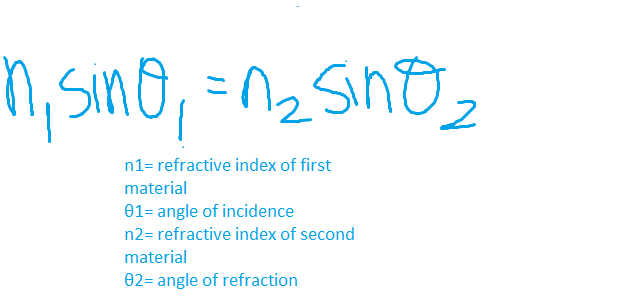
- 22—Lens/Mirror equation
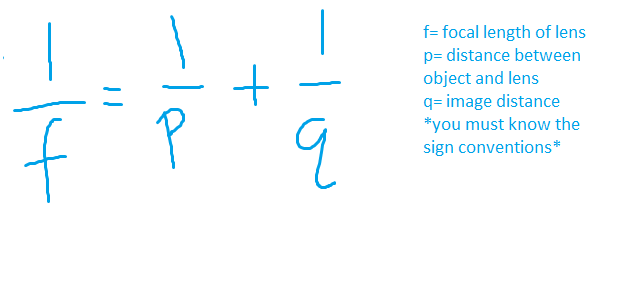
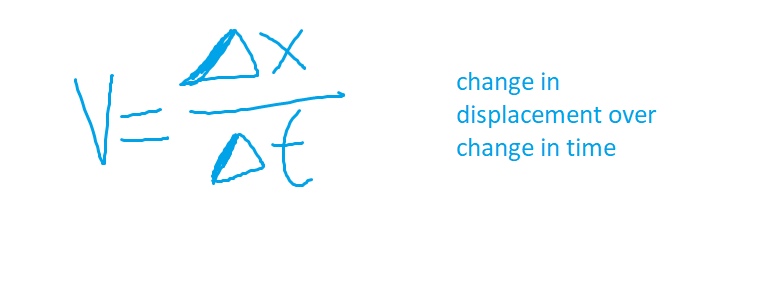
- 23—Definition of velocity
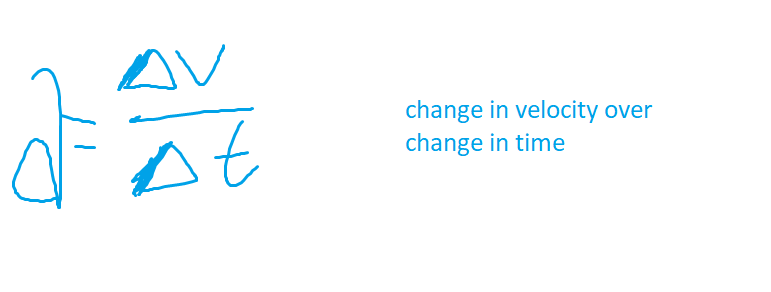
- 24—definition of acceleration
- 25—final velocity equals... when not given displacement
*applicable only when acceleration is constant*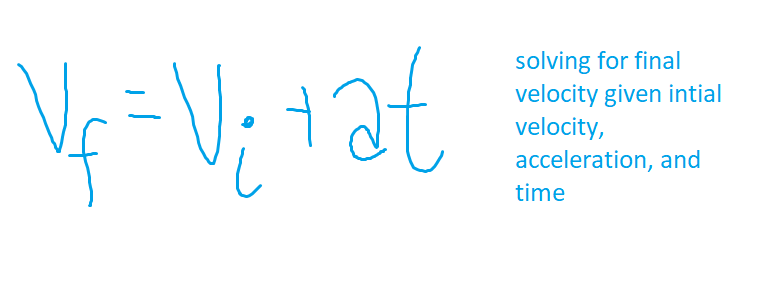
- 26—final velocity equals... when not given time
*applicable only when acceleration is constant*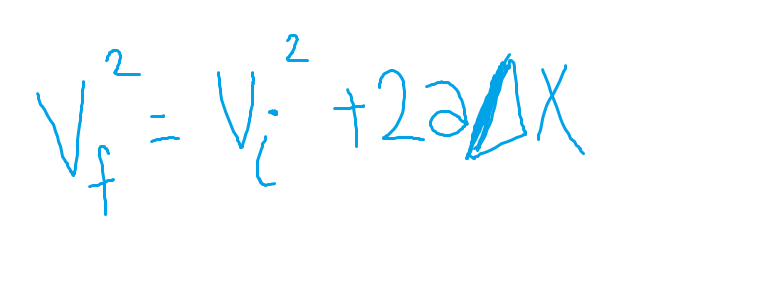
- 27—displacement equals...when not given acceleration
*applicable only when acceleration is constant*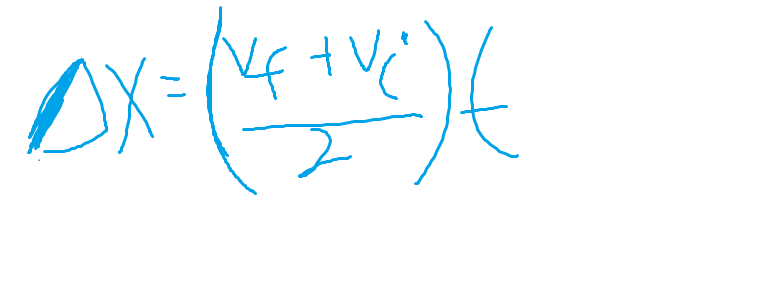
- 28—displacement equals...when not given final velocity
*applicable only when acceleration is constant*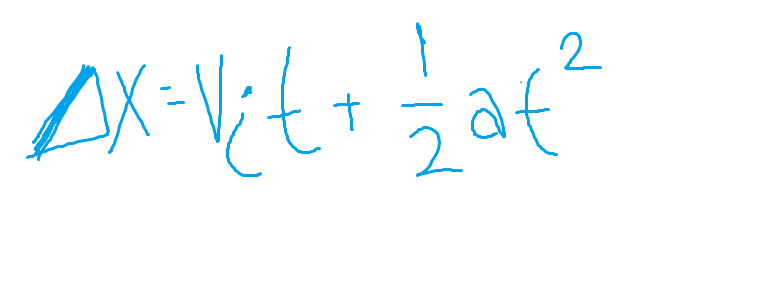
- 29—Period of circular motion
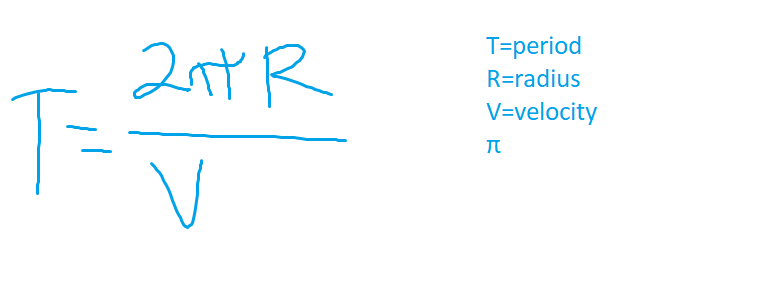
- 30—relationship of angular and linear velocity
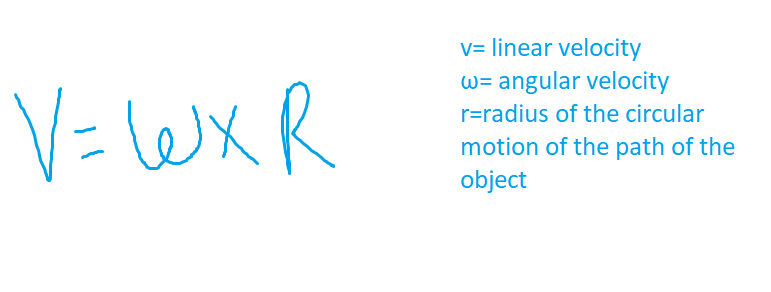
- 31—relationship of angular and linear displacement
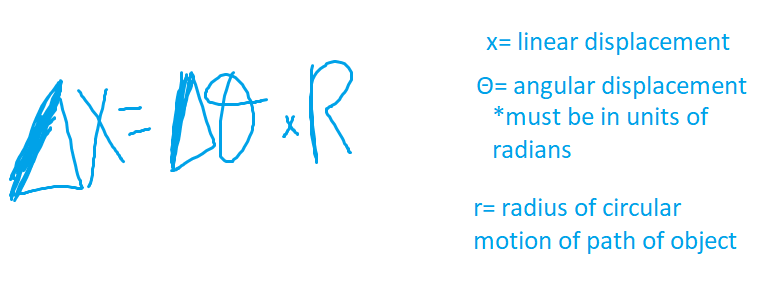
- 32—frequency of circular motion
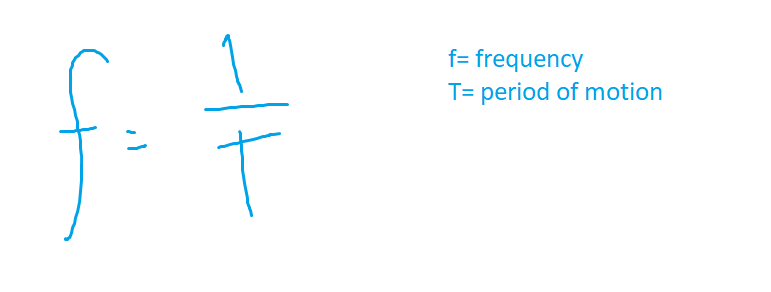
- 33—centripetal acceleration
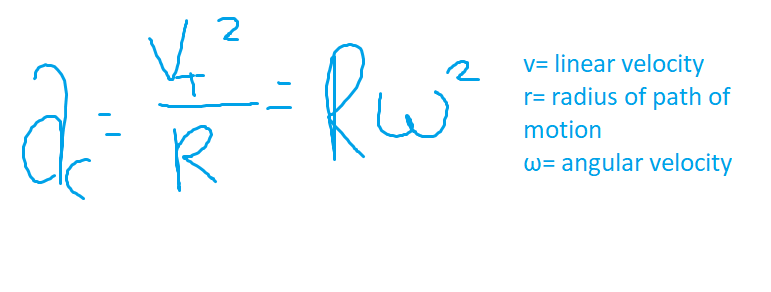
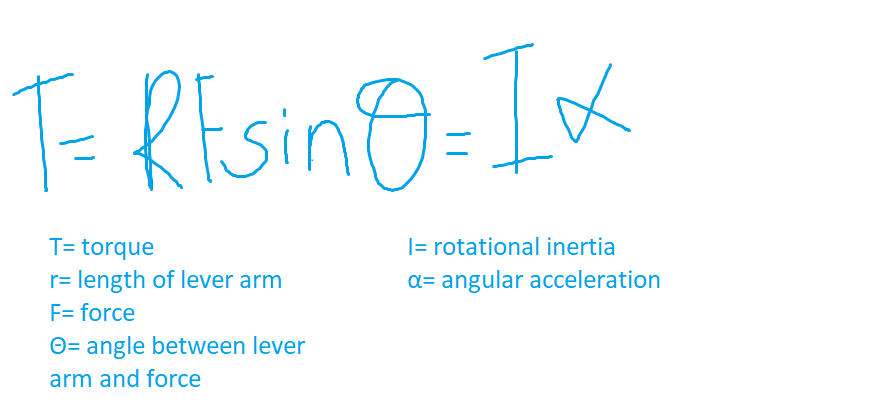
- 34—Torque
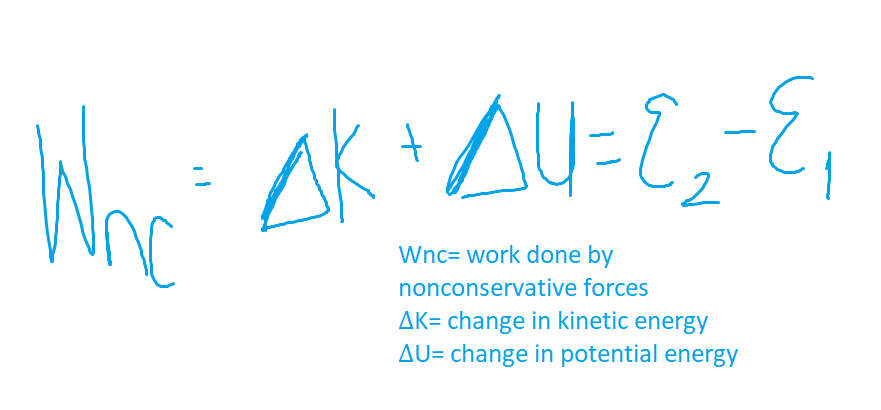
- 35—Conservation of energy
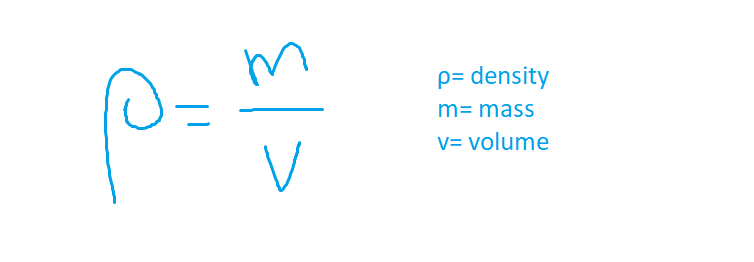
- 36—density
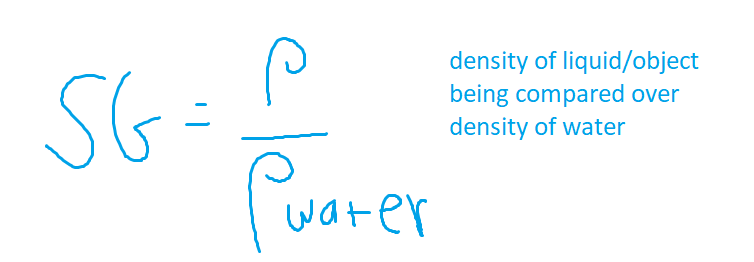
- 37—specific gravity
- 38—Buoyant force
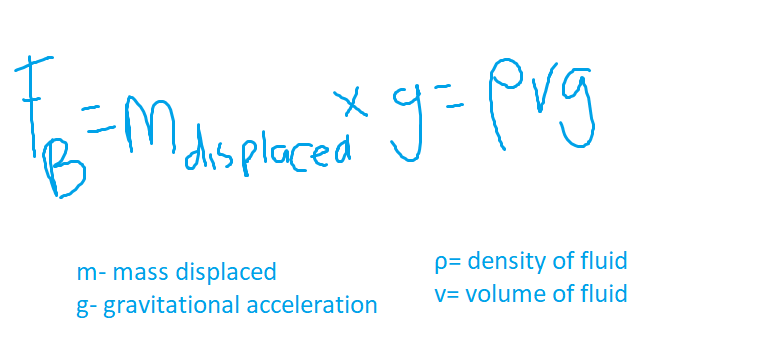
- 391 atm = 101,000 Paatmospheric pressure
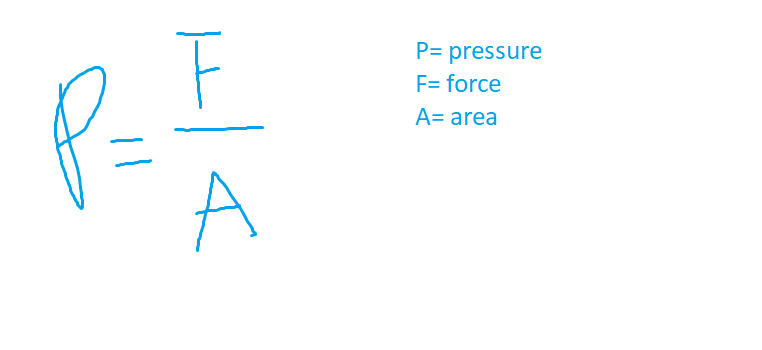
- 40—definition of pressure
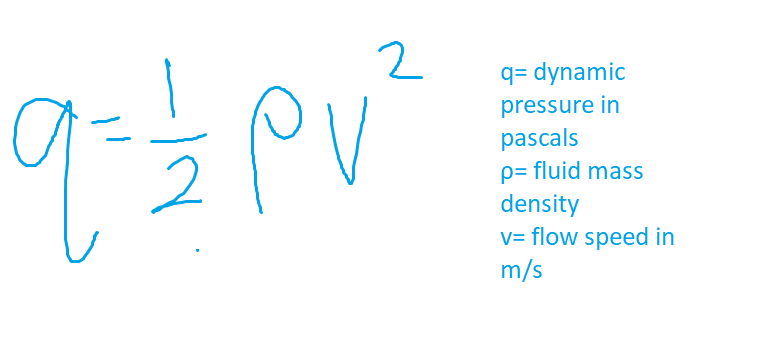
- 41—dynamic pressure
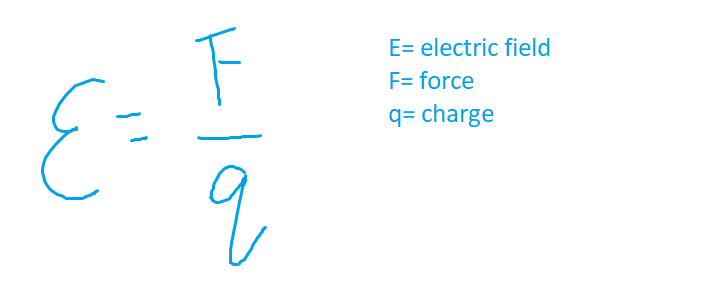
- 42—Strength of the electric field at any point in the field
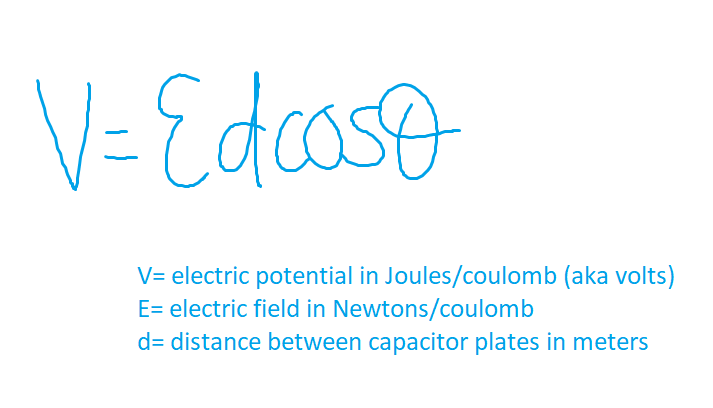
- 43—electric potential between capacitor plates
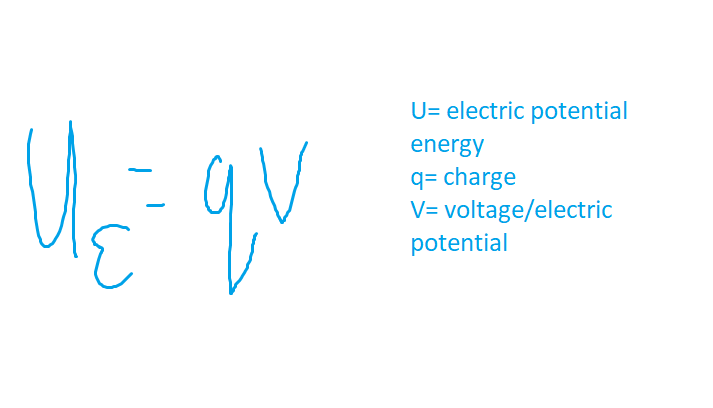
- 44—electric potential energy
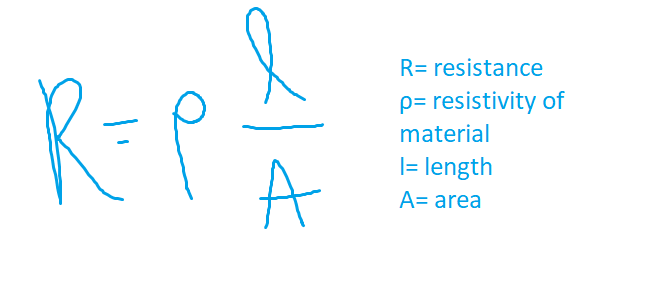
- 45—resistance
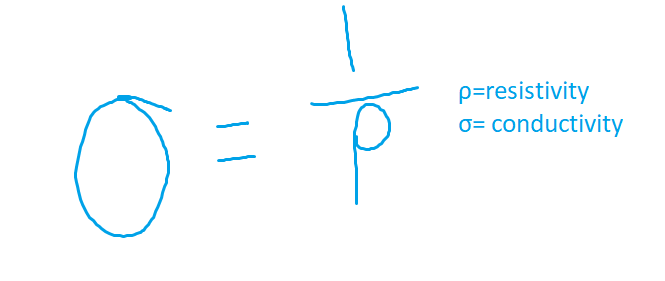
- 46—conductivity
- 47—Total resistance of series circuit
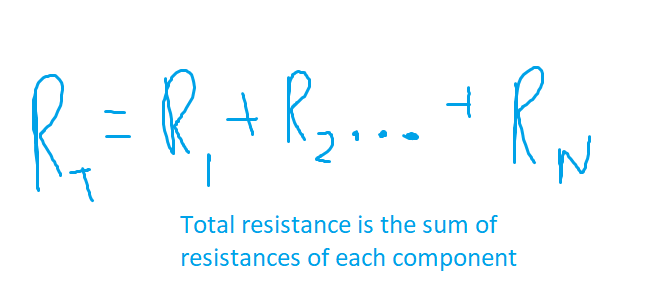
- 48—Total capacitance of series circuit
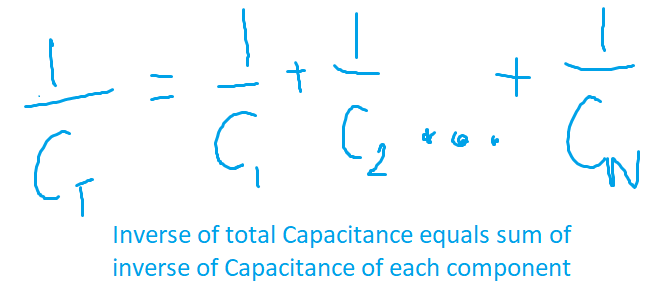
- 49—Total resistance of parallel circuit
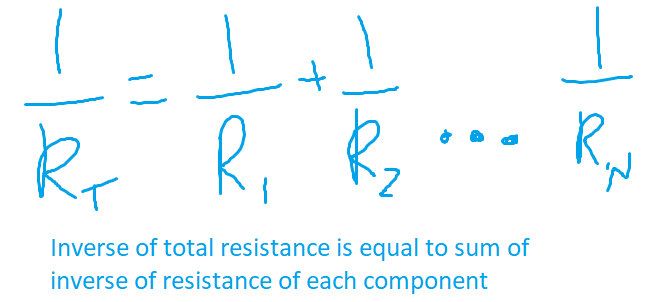
- 50—Total capacitance of parallel circuit
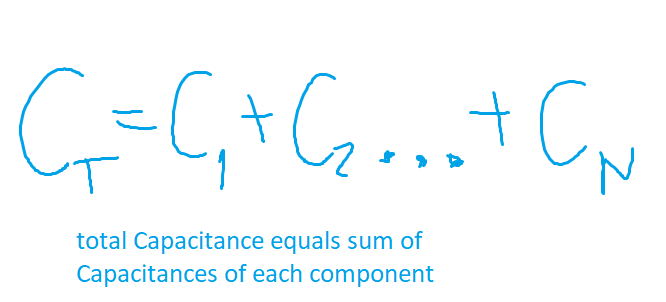
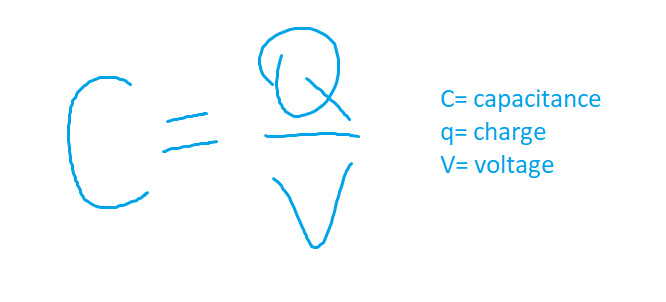
- 51—Capacitance
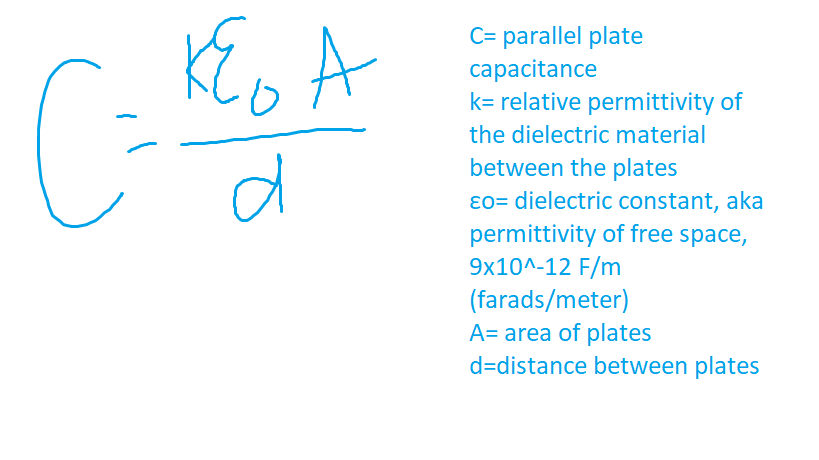
- 52—parallel plate capacitors
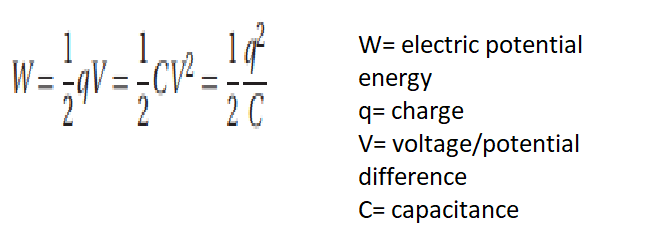
- 53—electric potential energy stored in a capacitor
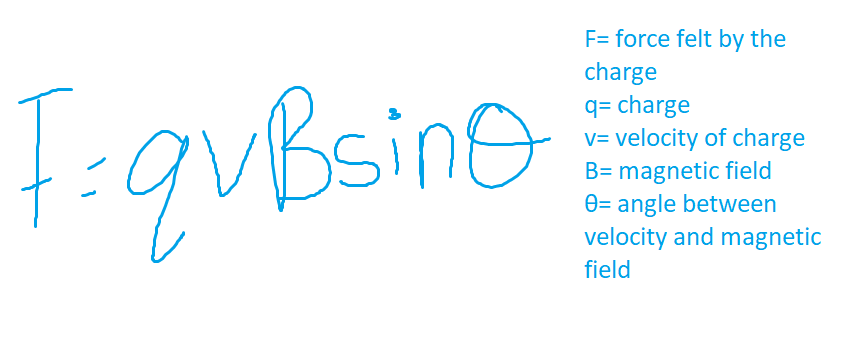
- 54—Magnetic force experienced by a charged moving through a magnetic field
- 55—Magnetic force experienced by a current-carrying wire moving through a magnetic field
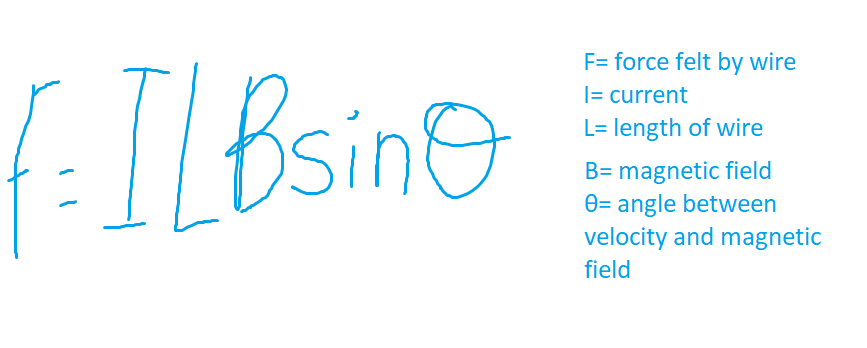
- 56—magnitude of magnetic field created by straight wire
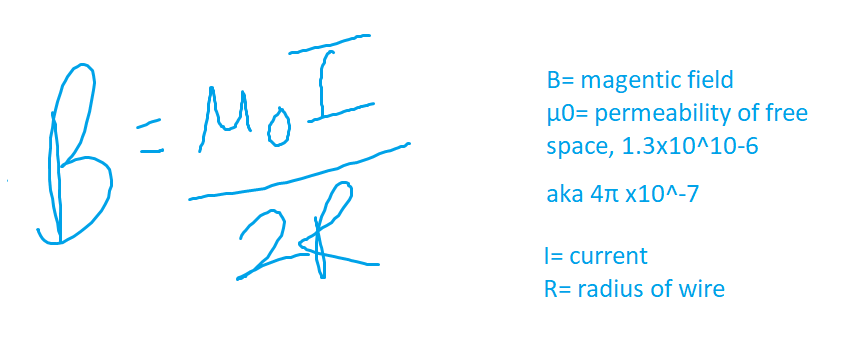
- 57aka, image distance divided by object distance = image height divided by object heightMagnification of a mirror/lens
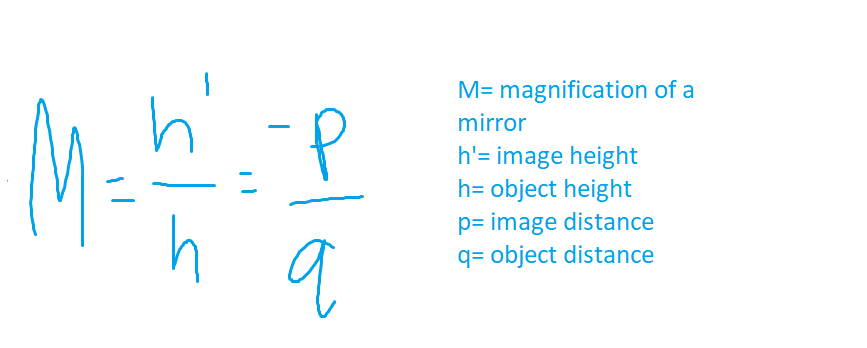
- 58—thin lens equation
*relates focal length and image and object distances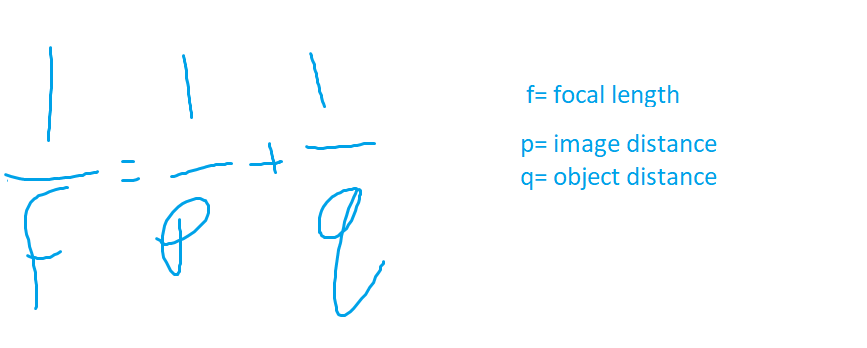
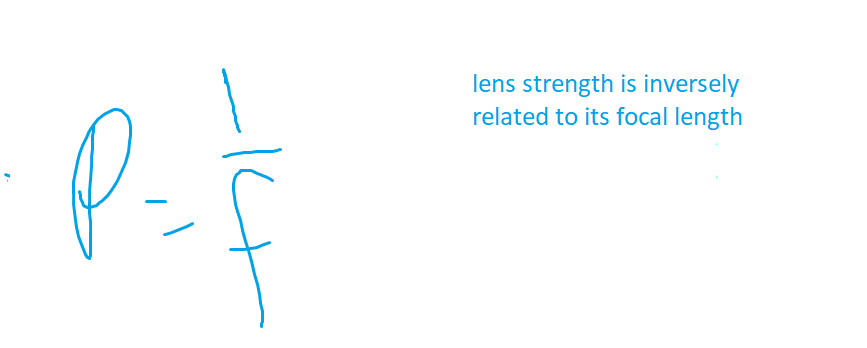
- 59—power of a lens
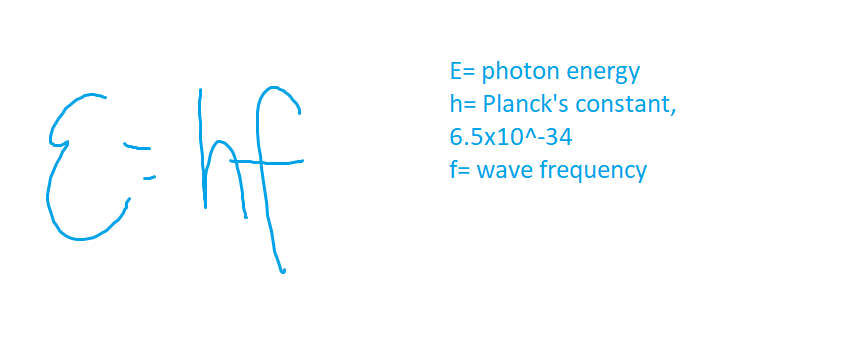
- 60—Photon energy
- 61—double slit equation
*applies to diffraction gratings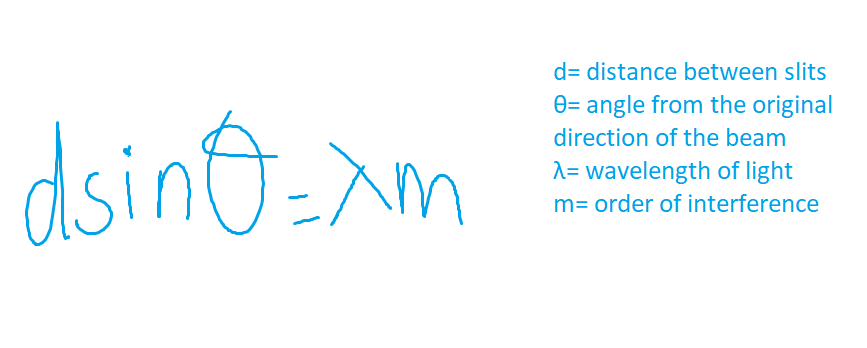
- 62—single slit equation
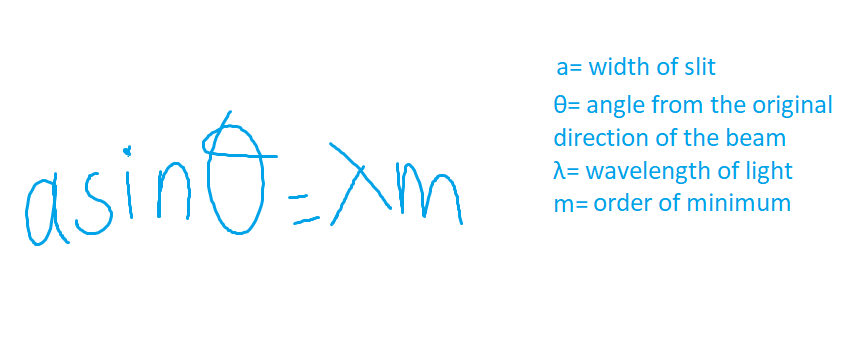
- 63—Doppler equation
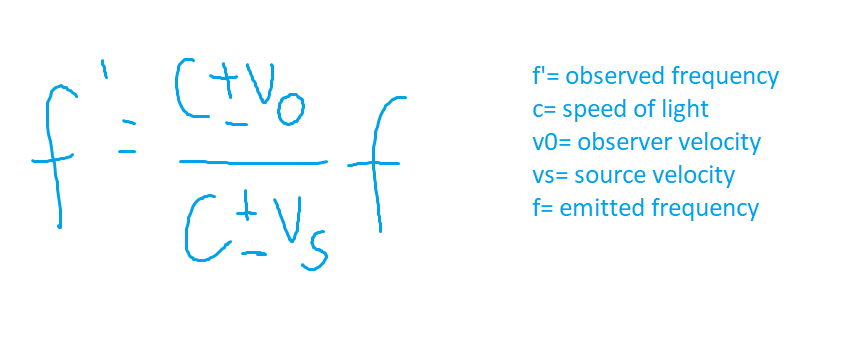
- 64c = 3x10^8 m/sspeed of light
- 65—velocity of sound
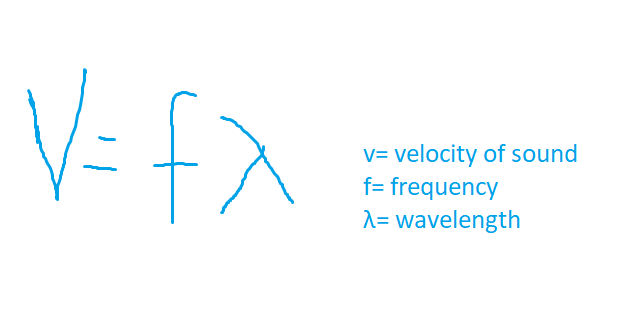
- 66—decibel scale
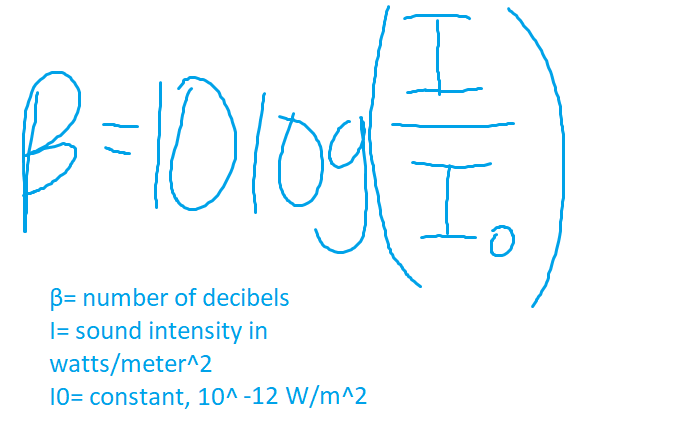
- 67—Poiseuille's Law
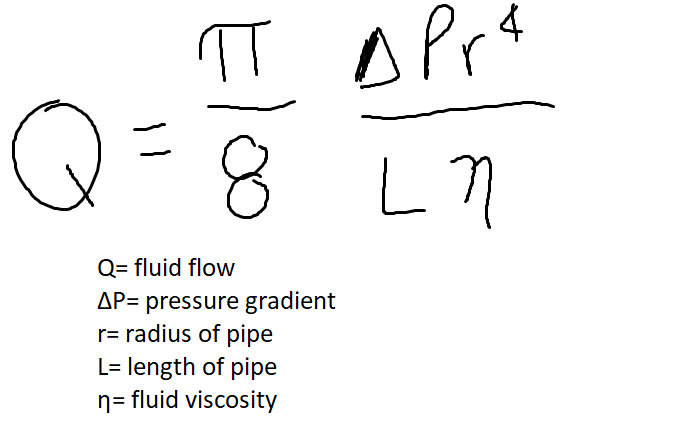
- 68—Reynold's number
*reveals whether fluid flow is turbulent or laminar
*Nr>3000, flow is turbulent; Nr<2000 flow is laminar; 2000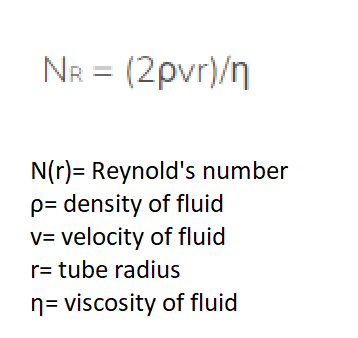
- 69—surface tension
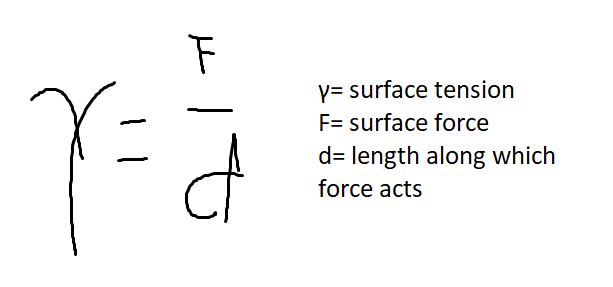
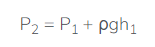
- 70—Bernoulli's equation for static fluids
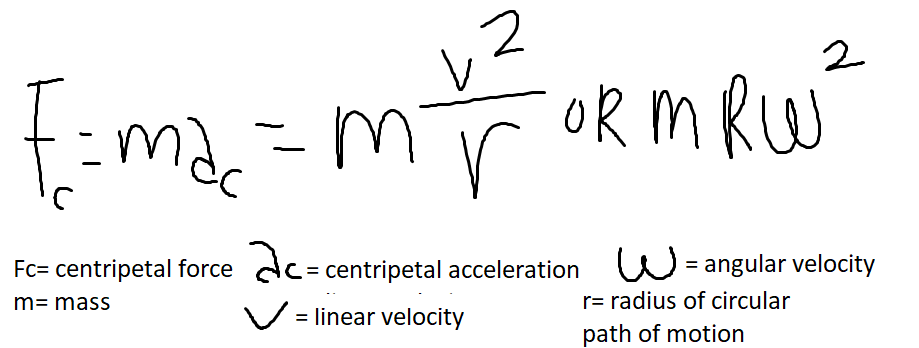
- 71—Centripetal Force
- 72—Torque for a fixed angular displacement
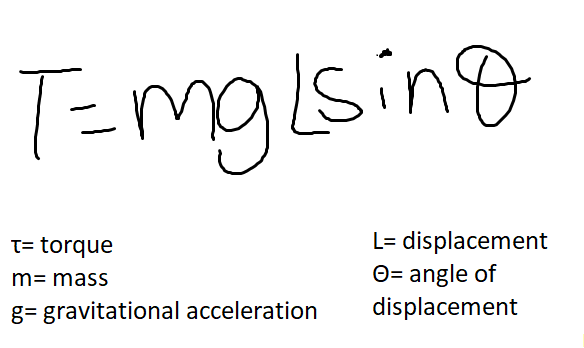
- 73—angular frequency
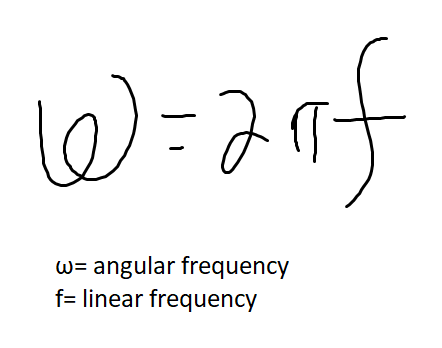
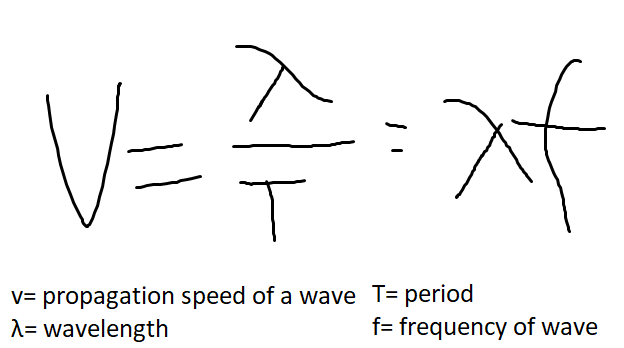
- 74—propagation speed of a wave
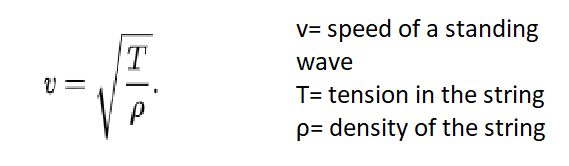
- 75—speed of a standing wave
- 76—definition of displacement
*NOT PATH DEPENDENT*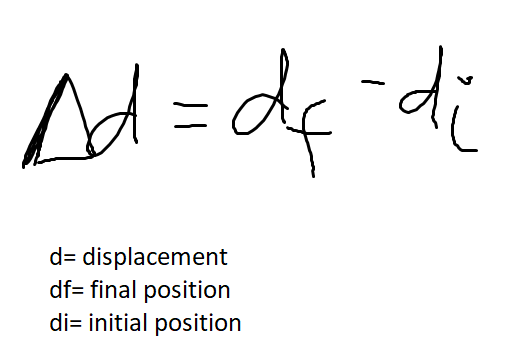
- 77tangent of slope of v vs t graphinstantaneous acceleration
- 78—average acceleration
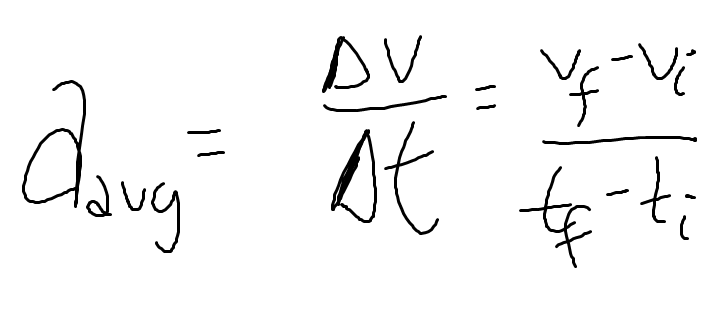
- 79—average velocity
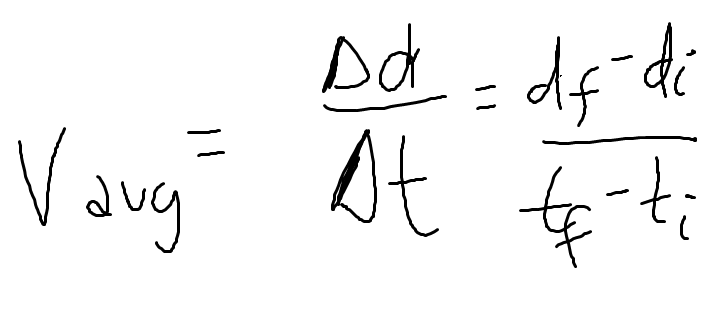
- 80tangent of slope of d vs t graphinstantaneous velocity
- 81—Hooke's Law
*force required to stretch a spring*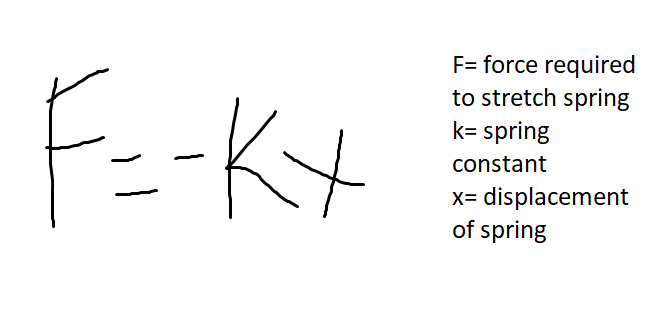
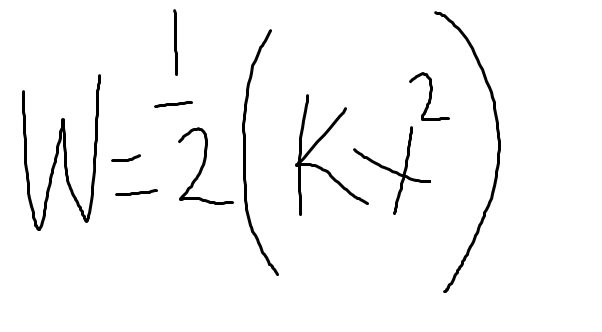
- 82—Work done stretching a spring
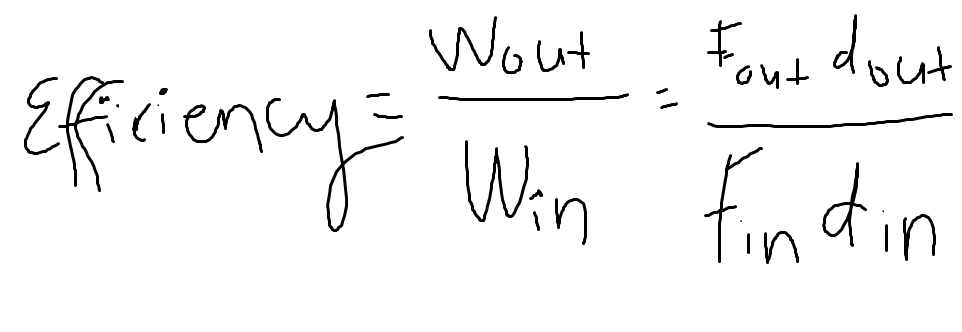
- 83—Efficiency
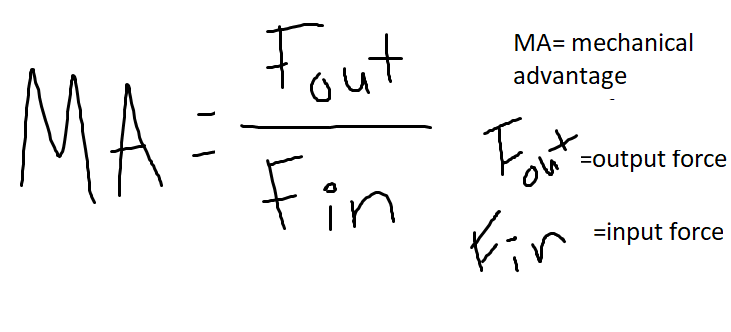
- 84—Mechanical advantage
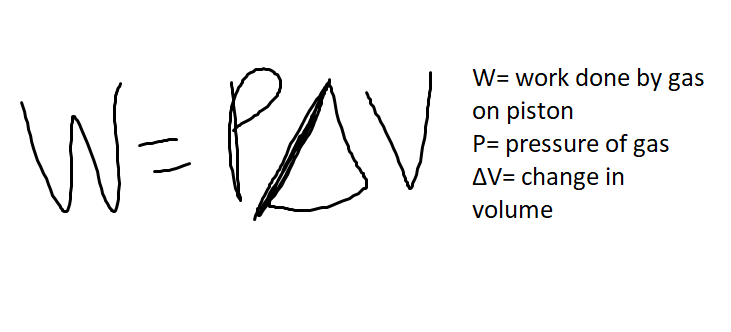
- 85—Work done by gas on a piston
- 86P= IVElectrical Power given current and voltage
- 87—Electrical Power given resistance and voltage
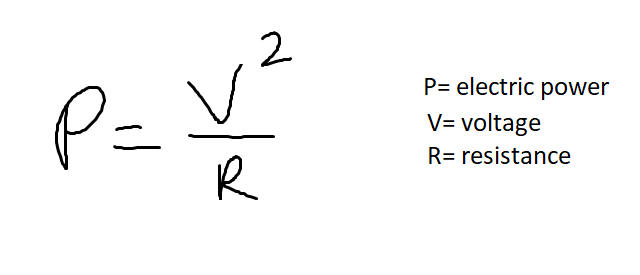
- 88—Electrical Power given resistance and current
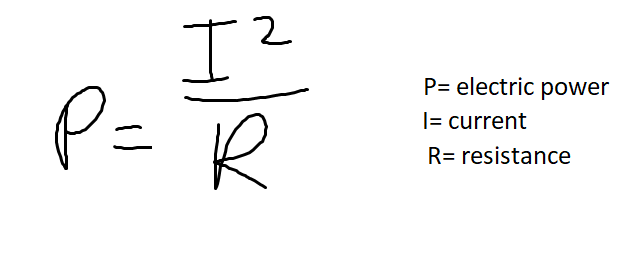
- 89—Conversion from Fahrenheit to Celsius OR from Celsius to Fahrenheit
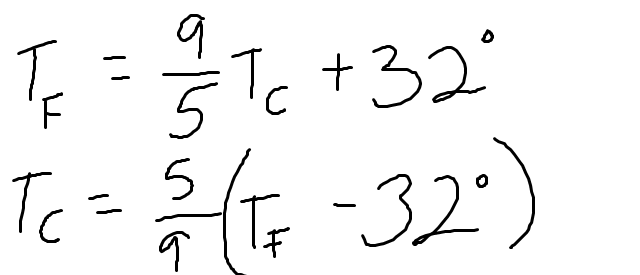
- 90—Conversion from Celsius to Kelvin OR from Kelvin to Celsius
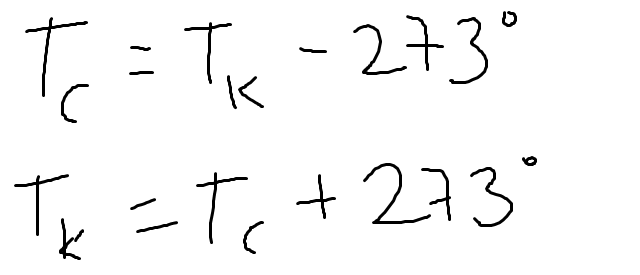
- 91Q= mCΔT Q= heat energy m= mass C= heat capacity ΔT= change in temperatureHeat capacity
*measures the amount of heat energy required in joules to raise the temperature of 1 gram of a substance by 1 degree Celsius* - 92—fraction of an object's volume that is submerged
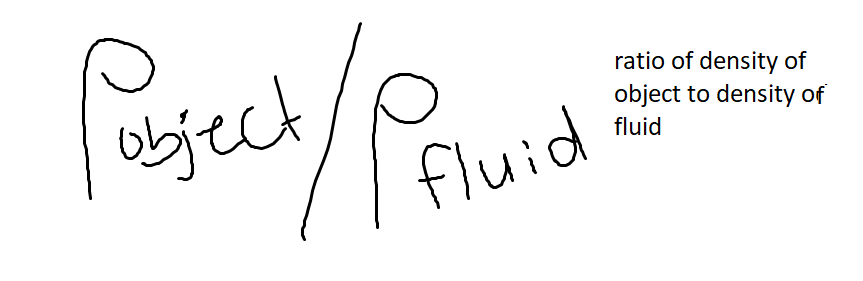
- 93—Pascal's principle
*relation of pressure to force; pressure change in an incompressible fluid is transmitted through the entire fluid so the same change occurs everywhere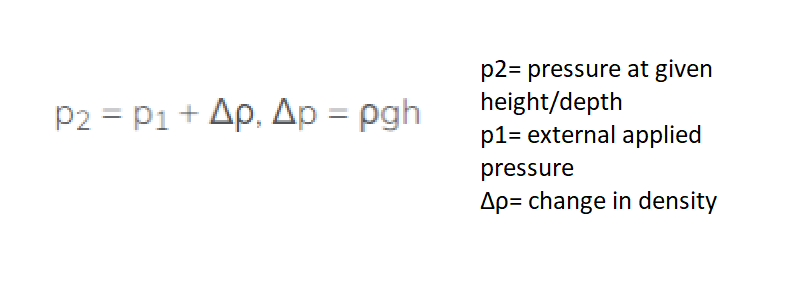
- 94—volumetric flow rate
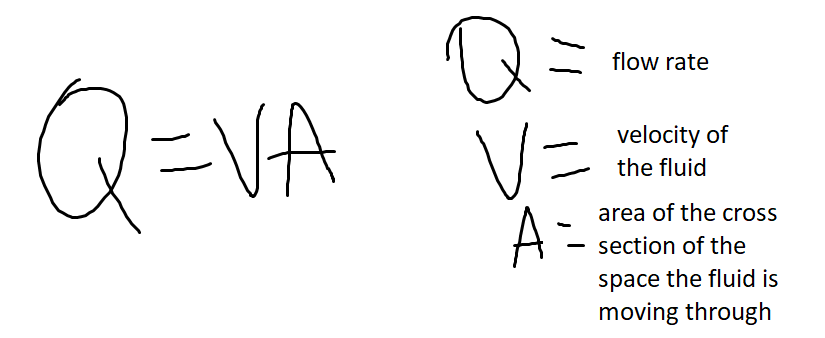
- 95—Bernoulli's principle for tube with constant depth
*demonstrates inverse relationship of velocity and pressure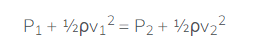
- 96Q = ΔH = mC(p)ΔT Q= heat energy ΔH= change in enthalpy m= mass C(p)= heat capacity of a gas at constant pressure ΔT= change in temperatureheat capacity for gas with constant pressure (Cp)
- 97ΔU = mC(v)ΔT ΔU= internal energy of the gas m= mass C(v)= heat capacity of a gas at constant volume ΔT= change in temperatureheat capacity for gas with constant volume (Cv)
- 98—van der waals equation
*used to calculate real gas behavior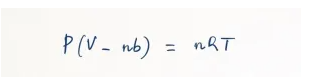
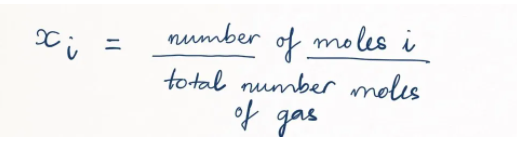
- 99—mole fraction
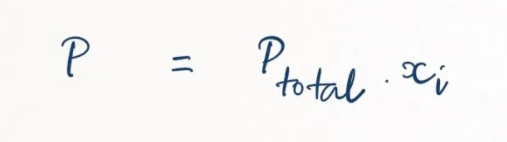
- 100—calculation of partial pressure
- 101—electrostatic force exerted on any charge if electric field is known

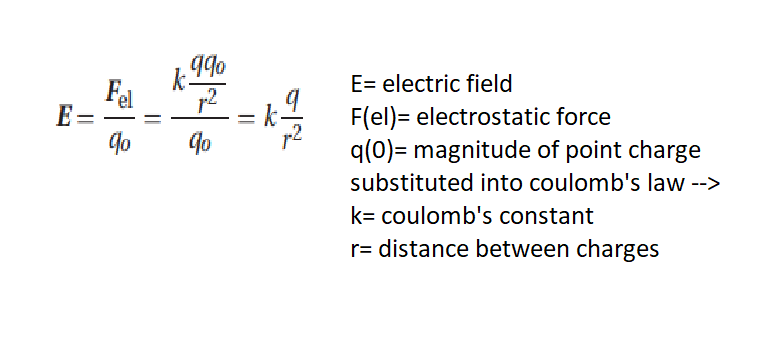
- 102—Magnitude of Electric field
- 103—Total electric field generated by multiple charges

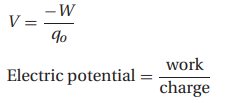
- 104—electric potential
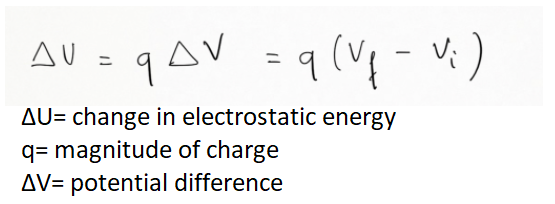
- 105—electric potential difference
- 106—current in series circuit

- 107—current in parallel circuit

- 108—electromotive force (emf, ε)
*the voltage when no current is flowing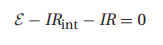
- 109—net voltage in a series circuit

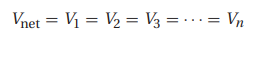
- 110—net voltage in a parallel circuit
- 111C = κCo C= new capacitance with the dielectric present κ= dielectric constant Co= original capacitance without dielectricnew capacitance of a capacitor with a dielectric insulator added
- 112—Nernst equation
*STANDARD potential of the concentration cell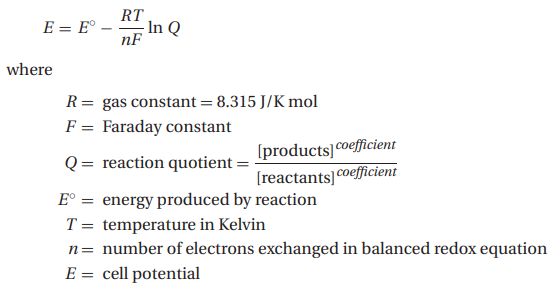
- 113—Nernst equation
for NONSTANDARD potential of concentration cell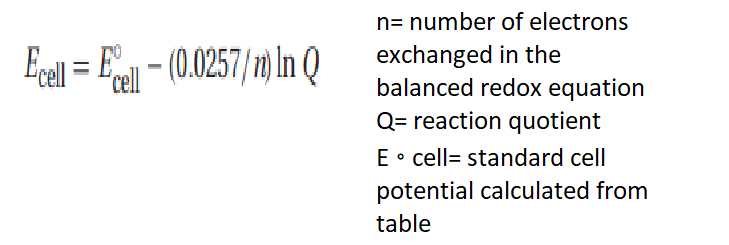
- 114—work done by voltaic cell
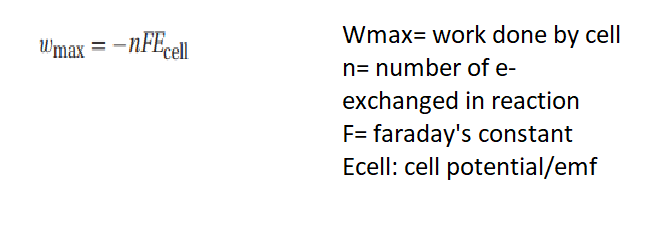
- 115πr^2area of a circle
- 116—gravitational force
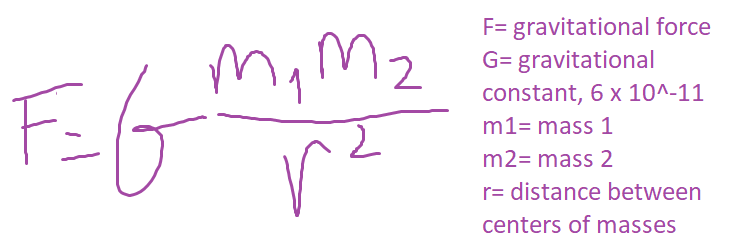
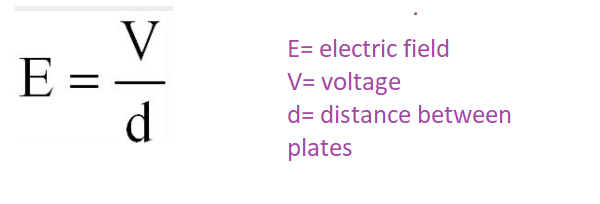
- 117—Electric field between capacitor plates
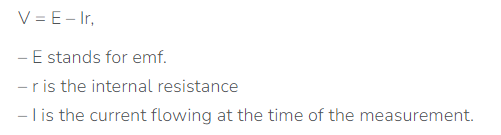
- 118—terminal voltage
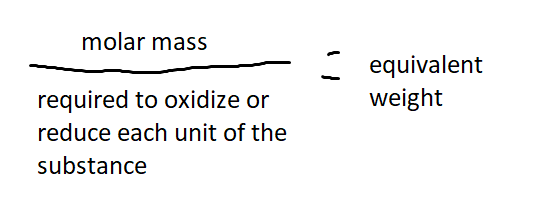
- 119—equivalent weight
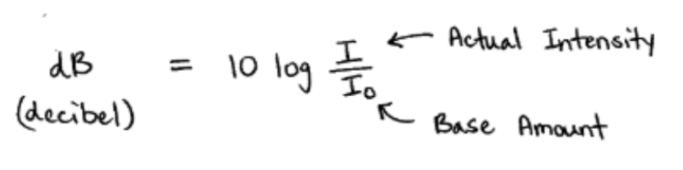
- 120—sound intensity in terms of decibels
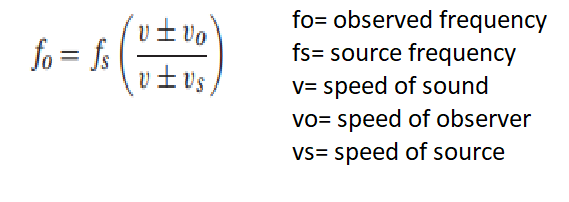
- 121plus or minus sign changes based on situationdoppler-shift frequency
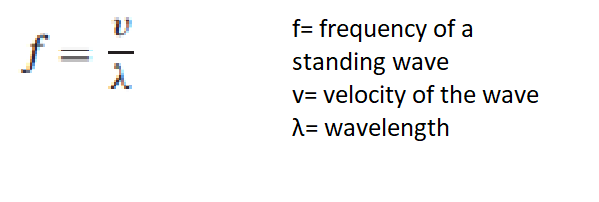
- 122—frequency of a sound wave
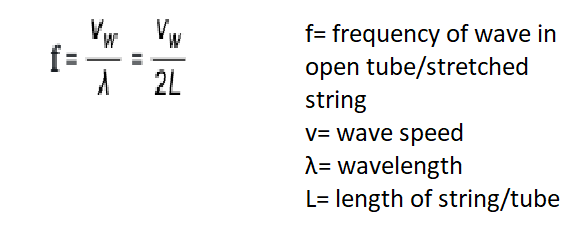
- 123—frequency in an open tube/stretched string
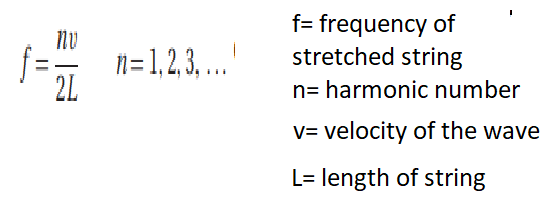
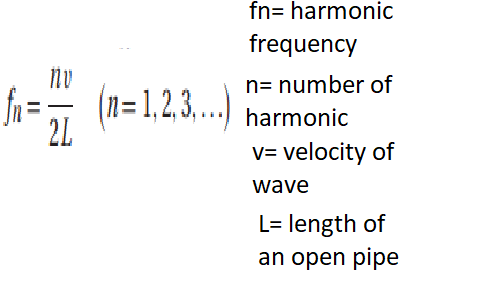
- 124—2nd harmonic frequency and onward
- 125—length of open pipe
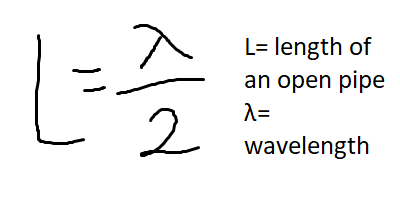
- 126—fundamental frequency of open pipe
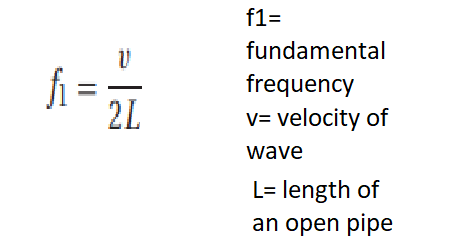
- 127—harmonic frequencies of an open pipe
- 128—length of pipe with 1 open end
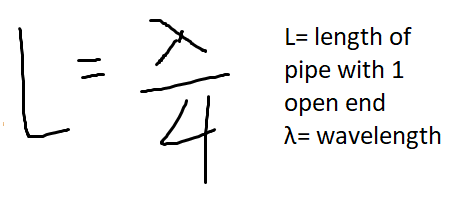
- 129—fundamental frequency of pipe with 1 open end
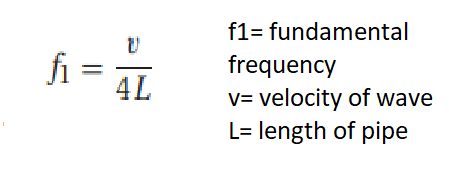
- 130—harmonic frequencies of a pipe with 1 open end
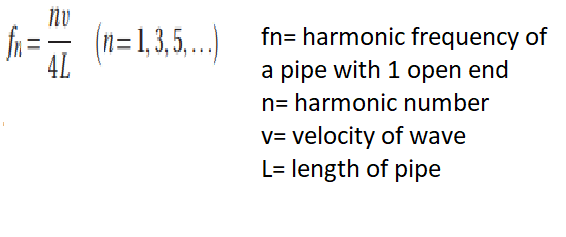
- 131—position of bright fringes in an interference pattern (2 slits)
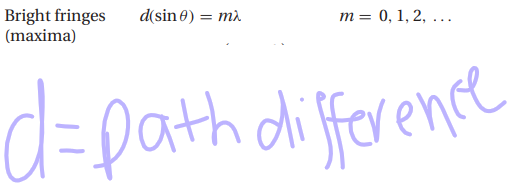
- 132—position of dark fringes in an interference pattern (2 slits)

- 133—position of dark fringes in a diffraction pattern (1 slit)

- 134—sound intensity
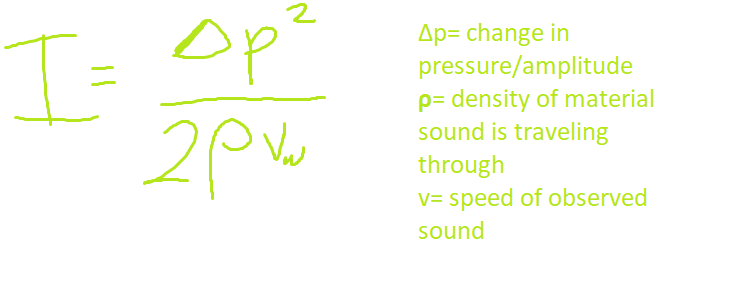
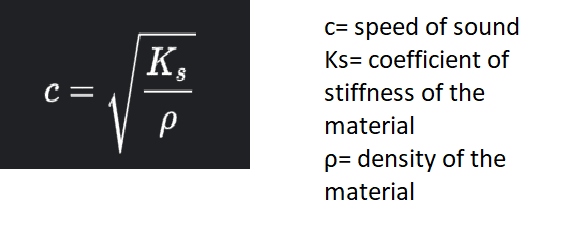
- 135—speed of sound
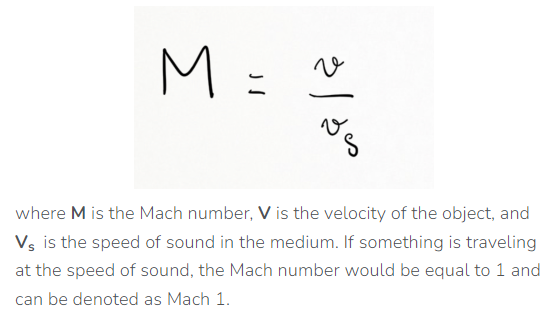
- 136—Mach number
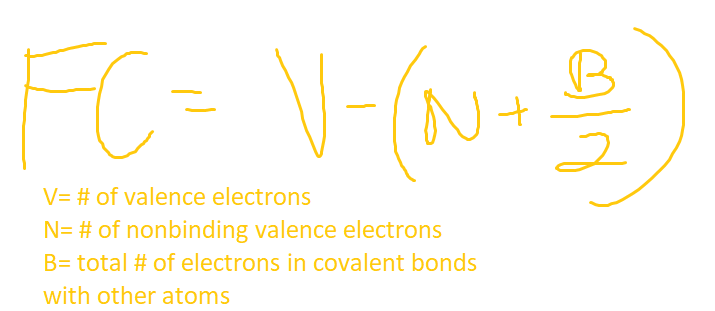
- 137—Formal charge
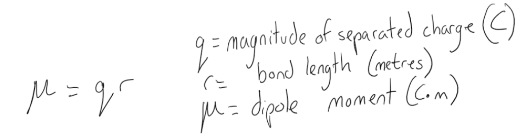
- 138—dipole moment
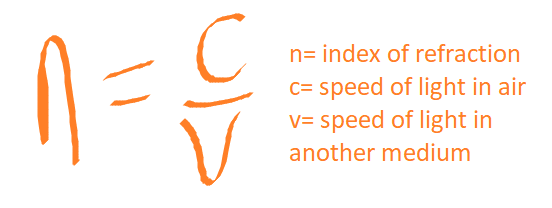
- 139—index of refraction
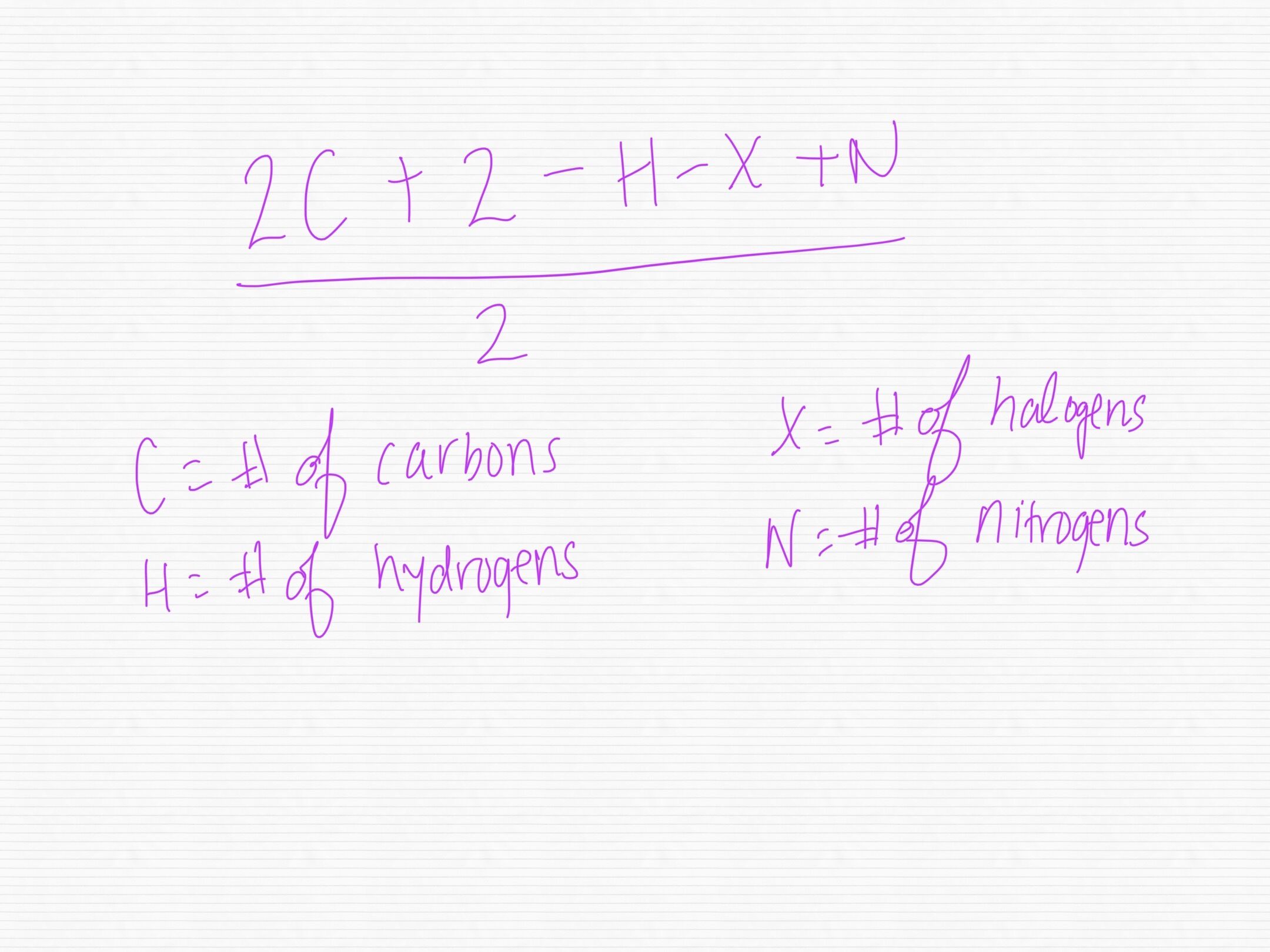
- 140Degree of unsaturation
Informationen
- Beschreibung
- Karteikarten am Memorization: equations, erstellt von 000 000 am 17/02/2022.
- Erstellt von
- 000 000
- Aufrufe
- 0
- Bewertung