
Mindmap
User Centered Design
Inhalt der Mindmap
User Centered Design
Based on:
- Early focus on users and tasks:
- Directly studying cognitive
- Behavioural
- Anthromorphic
- Attitudinal Characteristics
- Empirical Measurement: User's reactions and perfomance to:
- Scenarios
- Manuals
- Simulations &Prototypes
- Problems are found and fixed in user testing
- Early focus on users and tasks:
Software Engineering Lifecycle
- Used as reference model to divide development into different phases and identify different activities during interface desgin
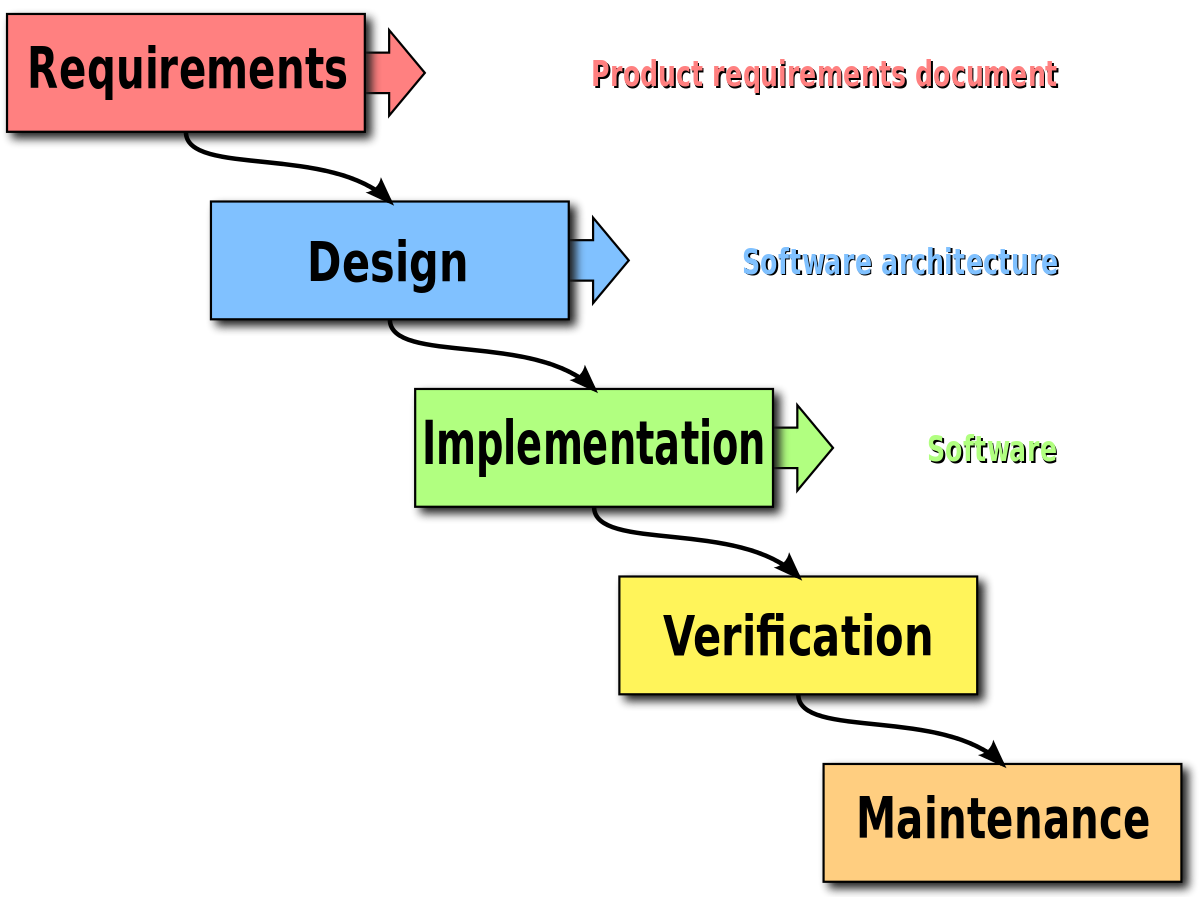
- Waterfall model
- Requirements elicitation: Identify the priorities for different parties in the software
- Specification: High level representation of a design
- Design: More detailed selection of particular options of alternative technique
- Implementation: Build the system by the required standard
- Testing: Evaluation of a system
- Maintenance: Modifications to an initial system
- Waterfall model
- Does not clearly identify a role for HCI at any point in development
- Used as reference model to divide development into different phases and identify different activities during interface desgin
Design cycles of interactive system
- Four basics activities for interaction design
- Establishing requirement for user experience
- Designing alternatives that meet those requirements
- Prototyping alternative design, to be be communicated and assessed
- Evaluating the builds throughout the process and the user experience it offers
- Four basics activities for interaction design
Understanding & Analyse the user
- Importance of involving users
- Expectation Management
- Realistic expectations
- No surprises, no disappointments
- Timely training
- Communication, no hype
- Ownership
- Users as active stakeholder, more tolerant towards problem and make big difference to acceptance and success of product
- Expectation Management
- Degrees of user involvement
- Member of the design team
- Full time: constant input, but lose touch with users
- Part time: Patchy inpu, and very stressful
- Short term:Inconsistent across project life
- Long term: consistent, but lose touch with users
- Newsletter and other dissemination devices
- Reach wider users demographic
- Require dual communication
- User involvement after product is released
- Combination of these approaches
- Member of the design team
- Categories of user/stakeholder
- Primary: frequent hands-on
- Secondary: Occasional or via someone else
- Tertiary:affected by its introduction, or will influence its purchases
- Importance of involving users
Data Recording/Gathering
- Five key issues of data gathering
- Setting Goals: Decide how to analyze gathered data
- Identify participants
- Relationship with participants, clear and professional
- Triangulation:View data from multiple perspective
- Pilot studies: Small trial of main study
- Data recording techniques
- Notes,audio,video photographs
- Notes plus photographs
- Audio plus photographs
- Video
- Research techniques
- Interviews: Formal meeting in person,to gather info or opinion regarding developed system
- Interview types
- Unstructured : Without script.Rich ,not replicable
- Structured: Tightly scripted,replicable and lack richness
- Semi-structured: Guided by script but press on interesting issues with depth. Balance between richnessand explicability
- Questions types
- Closed Questions: yes/no questions
- Open Questions:no predetermined format
- Running the interview
- Introduction: Introduce yourself, explain the interview goals, reassure ethical issues,ask to record,present any informed consent form
- Warm-Up: Begin with easy and non-threatening questions
- Main body: Present questions in logical order
- Cool-off period: Defuse tensions with easy questions at the end
- Closure: Thank interviewee, signal the end
- Interview types
- Questionnaires
- Advantages of online questionnaires
- Quick response
- Costless copying and postage
- Data collected in database
- Reduced time of data analysis
- Easily corrected errors
- Problems with online questionnaires
- Problematic sampling for unknown population
- One response per individu
- Changes of questions in email questionnaire
- Advantages of online questionnaires
- Observation
- Types of observation
- Indirect Observation
- Diaries
- Interaction logging
- Direct observation in controlled environment
- Direct Observation in the field
- Structuring frameworks
- Degree of participation(insider or outsider)
- Ethnography: philosophical set of techniques that include participant observation and interviews
- Indirect Observation
- Types of observation
- Interviews: Formal meeting in person,to gather info or opinion regarding developed system
- Quantitative and Qualitative Research
- Quantitative
- Data: Expresses as numbers
- Analysis:Numerical methods to ascertain size, magnitude,amount
- Simple Quantitative analysis
- Average
- Percentage
- Graphical Representation
- Qualitative
- Data: Difficult to measure sensibly as numbers
- Analysis: Expresses the nature of elements, represented as themes,patterns,stories
- Theoretical Framework
- Grounded Theory: aims to derive theory from systematic analysis of data
- Open: identify categories
- Axial: Flesh out and link subcategories
- Selective: Form theoretical scheme
- Distributed Cognition: People, environment and artefacts are regarded as one cognitive system
- Activity Theory: Explains human behaviour in terms of our practical activity with the world
- Grounded Theory: aims to derive theory from systematic analysis of data
- Theoretical Framework
- Simple Qualitative analysis
- Recurring patterns or themes
- Categorizing data
- Look for critical incidents
- Tools to support data analysis
- Spreadsheet
- Statistical Packages
- Qualitative data analysis tools
- Quantitative
- Five key issues of data gathering
Bilder und Dateien der Mindmap
Informationen
- Beschreibung
- Mindmap am User Centered Design, erstellt von ADAM ISKANDAR am 17/05/2018.
- Erstellt von
- ADAM ISKANDAR
- Aufrufe
- 1
- Bewertung