
Mindmap
Cognitive influences on Language Learning
Inhalt der Mindmap
Cognitive influences on Language Learning
All conditions, strategies or processes learners have acces to while learning a foreign language (IEXPRO, 2020, p.5)
- There are 4 factors related , two of them are:
- INTELLIGENCE OR "G" FACTOR
- GARDENER 1985
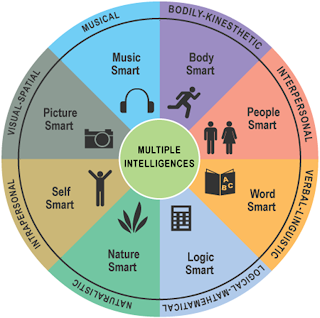
- Claimed the existence of MULTIPLE INTELLIGENCES
- Logico-mathematic/ Linguistic/ Spatial/ Musical/ Bodily-Kinesthetic/ Interpersonal/ Intrapersonal/ Naturalistic/ Spiritual.
- Claimed the existence of MULTIPLE INTELLIGENCES
- It is present in all learners
- Measured by IQ tests
- Represents an important factor in SLA (under formal instruction)
- GENESEE (1976) & EKSTRAND (1977) show that:
- Intelligence may influence acquisition of some L2 skills
- Reading, writing,, language analysis and vocabulary study.
- Oral fluency and skills are less likely influenced by intelligence
- Intelligence may influence acquisition of some L2 skills
- GARDENER 1985
- APTITUDE
- Natural ability people have to perform different actions, such as SLA.
- CAROLL & SAPON
- Created the Modern Language Aptitude Test
- Identified 4 main components:
- Phonetic/ Phonemic coding ability
- Grammatical sensitivity
- Inductive language learning ability
- Rote learning ability
- Identified 4 main components:
- Created the Modern Language Aptitude Test
- BIALSTOK, FROHLICH (1978), KRASHEN (1981) maintained that:
- Aptitude can´t be trained as they consider it unmodifiable in SLA
- SKEBA (1989) believed that:
- Aptitude factor has to involve adapting classes according to the learners´characteristics (learner centered).
- CAROLL & SAPON
- It´s different from intelligence
- Natural ability people have to perform different actions, such as SLA.
- INTELLIGENCE OR "G" FACTOR
- There are 4 factors related , two of them are:
The other 2 factors related are also:
- COGNITIVE STYLE
- It is how learners perceive, "monitor, conceptualise and recalls linguistic information" (IEXPRO, 2020, p. 11)
- BROWN (1973)
- It is a combination of cognition and affect
- Identified 4 variables:
- Reflective-impulsive thinking.
- Broad-narrow categorizing
- Skeletonizing-embroidering
- Belief congruence-contradiction
- Identified 4 variables:
- It is a combination of cognition and affect
- WITKIN (1962, 1971)
- Designed a test (Group Embedded Test)
- Used to identify and measure
- Field dependent people
- People who can´t difference between figures from the gorund (holistic view)
- Field independent people
- People capable to separate figuires from the ground & essential from inessential elements. (analytic view)
- Field dependent people
- Used to identify and measure
- Designed a test (Group Embedded Test)
- SKEHAN
- Field dependent person: Person oriented, sensitive towards other people.
- Field independent: Less sensitive, object oriented, cerebral.
- REID (1987)
- WILLING (1987)
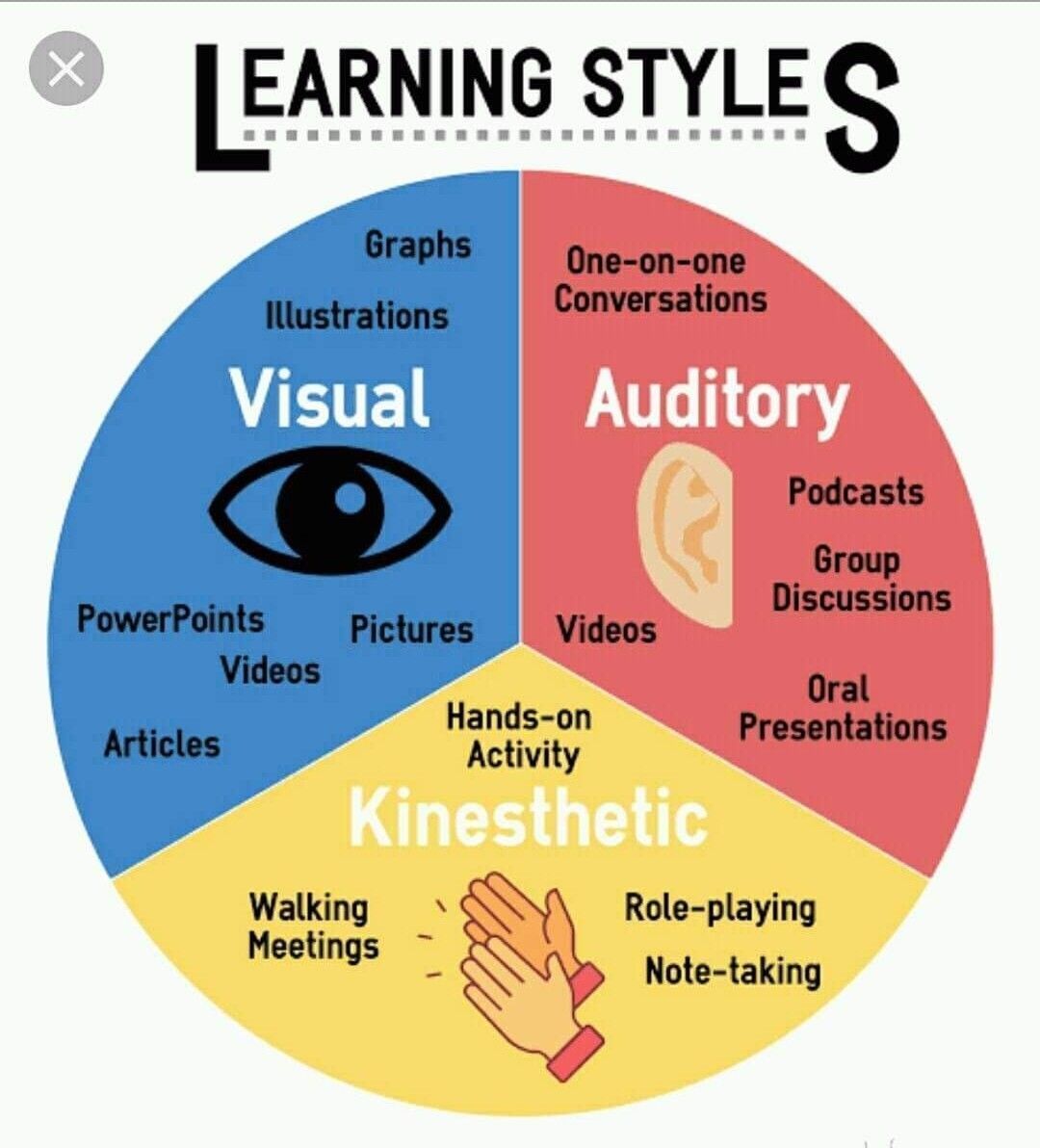
- OTHER LEARNING STYLES
- Concrete, Analytic, Communicative, Authority-oriented.
- OTHER LEARNING STYLES
- OTHER LEARNIG TENDENCIES
- Visual, Auditory, Kinaesthetic, Tactile.
- WILLING (1987)
- BROWN (1973)
- It is how learners perceive, "monitor, conceptualise and recalls linguistic information" (IEXPRO, 2020, p. 11)
- LEARNING STRATEGIES
- Techniques used by learners to acquire and learn an L2
- Some features
- Contribute to communicate, let learners be autonomous, can be taught, present in all learners, support learning, are often conscious and observable.
- O´MALLEY (1985), ELLIS 1985), WENDEN & RUBIN (1987), WILLING (1988), OXFORD & CROOKHALL (1989)
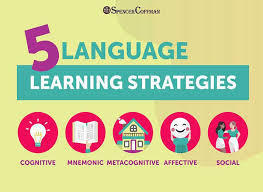
- Identified several learning strategies:
- Cognitive
- Ways to understand linguistic system.
- Memory
- Help to store information.
- Compensation
- Compensate for missing knowledge.
- Metacognitive
- Learning to learn.
- Social
- Social actions involved in learning process.
- Affective
- Learners´emotions & attitude towards the language.
- Communication
- Oral production.
- Cognitive
- Identified several learning strategies:
- Strategy training
- Elements that could help teachers develop trough practices.
- Can also happen OUT-OF-CLASS
- The contact learners have with the L2, outside the classroom.
- Can also happen OUT-OF-CLASS
- Elements that could help teachers develop trough practices.
- Some features
- Techniques used by learners to acquire and learn an L2
- COGNITIVE STYLE
Bilder und Dateien der Mindmap

Informationen
- Beschreibung
- Mind map that describes the most important aspects of Chapter 1
- Erstellt von
- Ernesto Rosales
- Aufrufe
- 286
- Tags
- Bewertung