
Mindmap
C4
Inhalt der Mindmap
C4
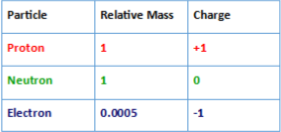
Atoms
- Number of protons = Number of electrons
Chemical Equations
- (s) = Solid
- (l) = Liquid
- (g) = Gas
- (aq) = Dissolved in water
- When balancing equations, balance one atom at a time
Line Spectrums
- Lithium, Li, - red flame
- Sodium, Na, - yellow/orange flame
- Potassium, K, - lilac flame
- Spectroscopy
- The practical technique used to produce line spectrums
- 1. When heated, electrons in an atom release energy as light
- 2. The wavelengths emitted can be recorded as a line spectrum
- 3. Different elements have different wavelengths of light because each element has a different electron arrangement
- 4. Each element has a different pattern of wavelengths, and a different line spectrum
- 5. Line spectrums can be used to identify elements
History of The Periodic Table
- Dobereiner
- Organised elements into groups based on chemical properties, called triads
- The middle element of each triad had a relative atomic mass that was the average of the other two
- For example, Lithium, Sodium and Potassium
- Newlands
- Noticed that when you arranged the elements in the order of their RAM, every eighth element had similar properties, so he listed the known elements in rows of seven
- Called these sets 'Newlands' Octaves'
- Pattern broke down on third row, with transition metals like titanium and iron messing it up
- Left no gaps for new elements, so work was ignored
- Presented ideas of Chemical Society in 1865, but he was criticised because...
- Groups didn't contain elements with similar properties
- Mixed up metals and non-metals
- Didn't leave gaps for elements that hadn't been discovered yet
- Dmitri Mendeleev
- Placed elements in order of RAM
- Left gaps to keep elements with similar properties in the same vertical groups
- Predicted properties of undiscovered elements that could fit in the gaps that he left
- Dobereiner
The Modern Periodic Table
- Elements laid out in order of increasing proton number
- Metals are found to the left and non-metals to the right
- Elements with similar properties form columns
- The vertical columns are called groups
- The group number tells you how many electrons there are in the outer shell
- The rows are called periods
- From the periodic table, we can get the RAM, the proton number, the name and the symbol of the element
Electron Shells
- 1st shell: 2, 2nd shell: 8, 3rd shell: 8 etc
- Electrons prefer full outer shells
Ionic Bonding
- When atoms lose or gain electrons they form charged particles called ions
- When Group 1 elements lose an electron they form positive ions
- When elements in Group 7 gain an electron. they form negative ions
- Oppositely charged ions are strongly attracted to each other and this is called an ionic bond
- For example, the sodium atom gives up its outer electron and becomes an Na+ ion and the chlorine atom picks up the spare electron and becomes a Cl- ion
- Solid ionic compounds like sodium chloride are made up of a giant lattice of ions, and each lattice forms a single crystal. When ionic compounds become molten or are dissolved in water they can conduct electricity because the ions are able to move
Group 1 - The Alkali Metals
- All have one electron in their outer shell
- They are shiny when freshly cut, but quickly react with oxygen in moist air and tarnish
- As you go down Group 1 the metals...
- Become more reactive because the outer electron is easily lost because its further from the nucleus
- Have a higher density because the atoms have more mass
- Have a lower melting point
- Have a lower boiling point
- Reaction with cold water produces hydrogen gas, makes an alkaline solution and a hydroxide of the metal forms
- Reaction with chlorine produces colourless crystalline salts
Group 7 - Halogens
- Seven electrons in their outer shells, making them very reactive
- As you go down Group 7, the halogens...
- Become less reactive because the outer electrons are further from the nucleus and son additional electrons are attracted less strongly
- Have a higher melting point
- Have a higher boiling point
- Form diatomic molecules which are pairs of atoms
- Colours of Flames
- Fluorine - a very reactive, poisonus YELLOW GAS at room temperature
- Chlorine - a fairly reactive, poisonous dense GREEN GAS at room temperature
- Bromine - a dense, poisonous, ORANGE VOLATILE LIQUID at room temperature and forms an ORANGE GAS
- Iodine - a DARK GREY CRYSTALLINE SOLID at room temperature or a PURPLE VAPOUR
- Reactions with alkali metals produce salts called metal halides
- Reactions with iron produce coloured solids called iron halides
- Displacement Reaction - where a more reactive element pushes out (displaces) a less reactive element from a compound
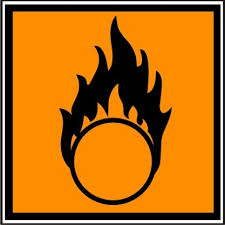
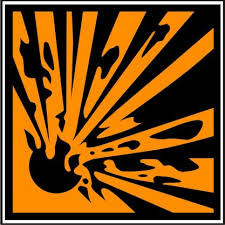
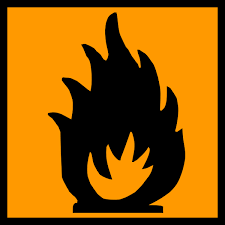
Laboratory Safety
- Oxidising
- Provides oxygen which allows materials to burn easily, like liquid oxygen
- Explosive
- Can explode - BANG, like some peroxides
- Highly Flammable
- Catches fire easily, like petrol
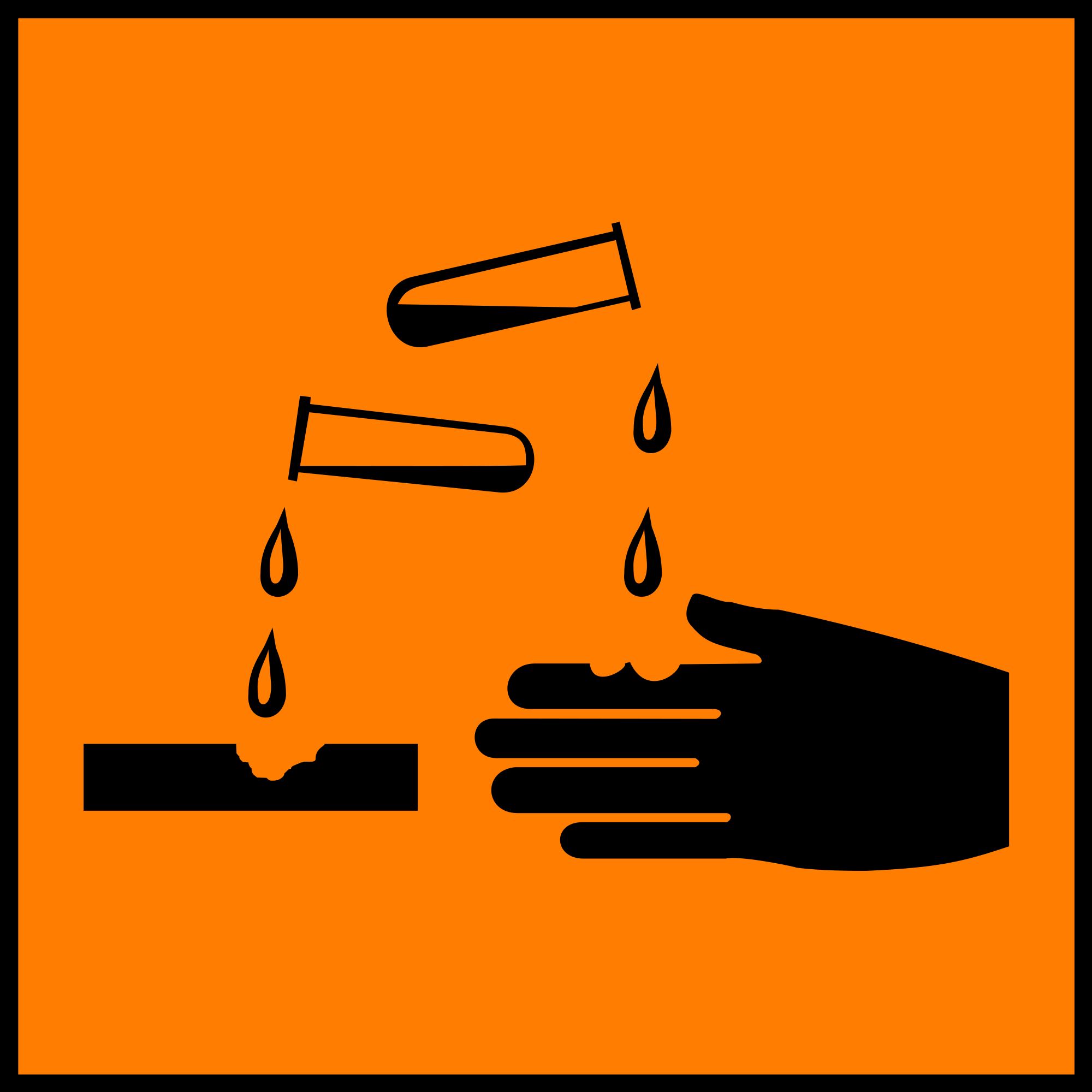
- Corrosive
- Attacks and destroys living tissue, including eyes and skin, like concentrated sulphuric acid
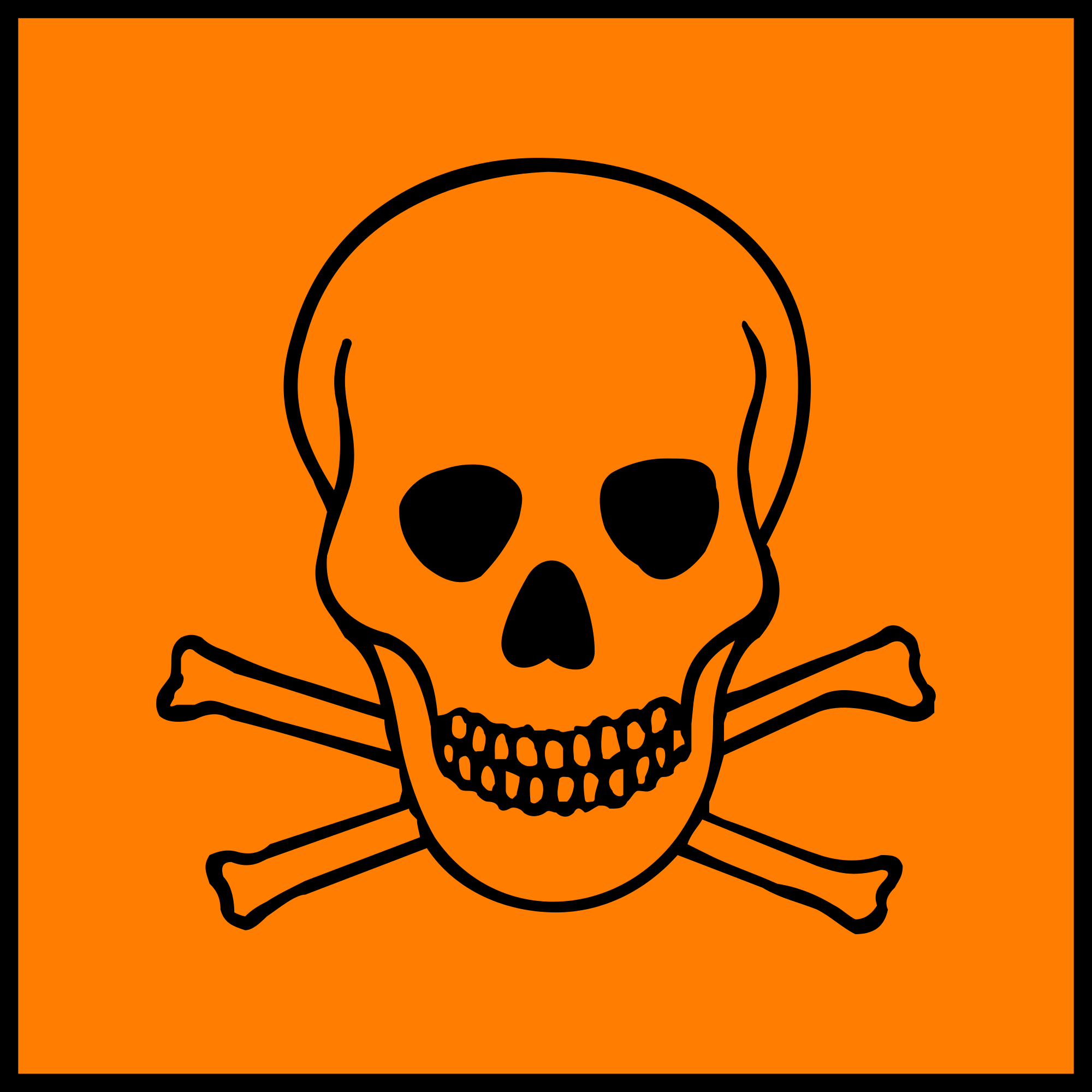
- Toxic
- Can cause death either by swallowing, breathing in, or absorption through the skin
Bilder und Dateien der Mindmap
Informationen
- Beschreibung
- Mindmap am C4, erstellt von Uzair Arif am 07/04/2015.
- Erstellt von
- Uzair Arif
- Aufrufe
- 4
- Bewertung