
Mindmap
How does the brain learn?
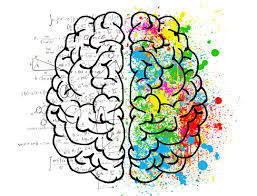
Inhalt der Mindmap
How does the brain learn?
Cooperation in the Brain
- Information is communicated via:
- Axons, glial cells, the bloodstream, the immune system, and peptides (messenger molecules)
- Information is communicated via:
Each side of the brain processes things differently.
- Left side processes information in sequence, and by using language and text representations.
- Right side process information random, focused on a whole, and has a spatial context.
The brain learns when:
- Input from senses or activated by memory/thinking
- Information sent to thalamus
- Information routed to appropriate cortical structure for processing
- If the emergency stimulus, the amygdala responds
- Hippocampus organizes, distributes, and connects memories with other areas for long-term storage.
Sensitive Periods in Brain Development
- Developing Social and Emotional Skills
- The Importance of Nutrition
- The Dynamic Teenage Brain
The human brain has the ability to generate new brain cells. Therefore, has plasticity and the ability to be shaped by environment at any age.
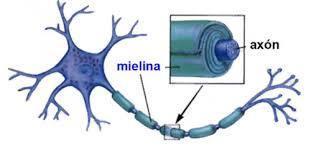
- Process Understanding Myelination:
- Myelin insulates the axon so that the electrical impulse travels more efficiently
- Brain chemicals are transmitted from the synapse but are dispersed to wide areas of the brain
- Through a network of neurons, sensory information is transmitted by synapses
- Process Understanding Myelination:
The Importance of Prior Knowledge and Mental Models
- Mental models are coherent structures for understanding things.
- The brain’s rhythms play a key role in understanding and influencing cognitive performance
- experiential learning requiring children to move from the concrete to the abstract
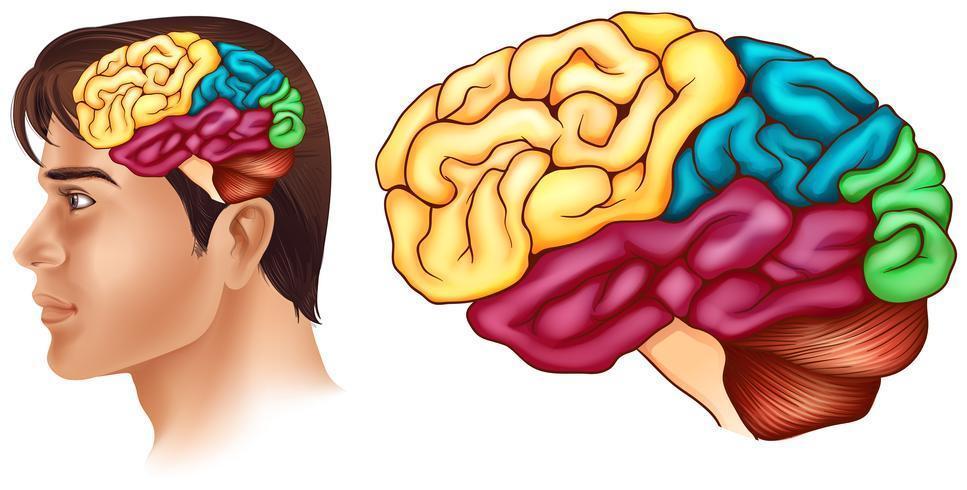
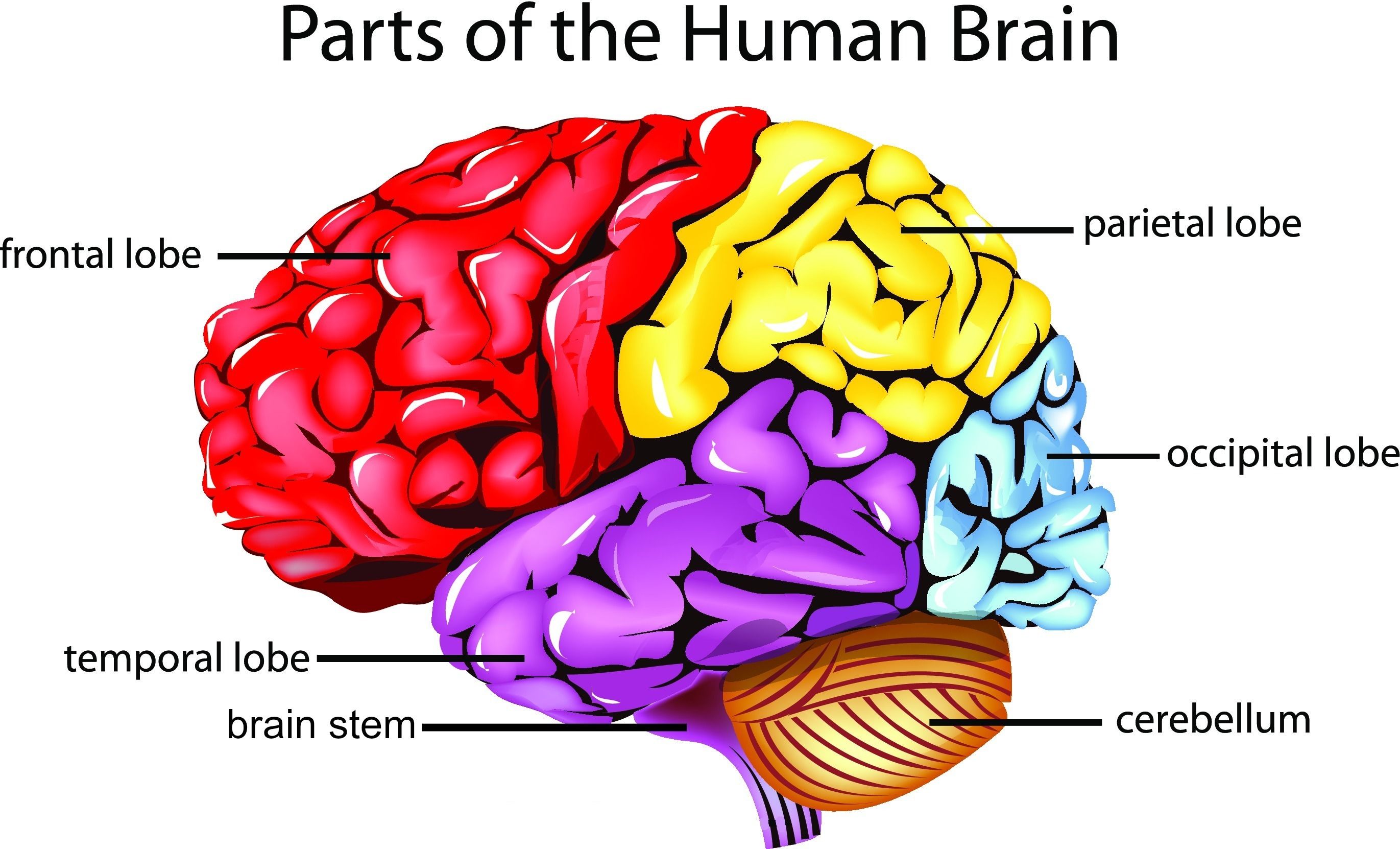
The brain consists of three principle parts – stem, cerebellum and cerebrum
- Each area of the cerebrum specializes in a function
- Frontal lobe
- Sense of information about the environment, memories and emotions
- Occipital lobe
- Visual information
- Parietal lobe
- Integrates sensory information and focused attention
- Temporal lobe
- Houses memories, emotions and language
- Limbic system
- It is in charge of regulating the physiological and emotional responses of our body
- Responsible for motivation, emotions, learning and memory
- It is in charge of regulating the physiological and emotional responses of our body
- Frontal lobe
- The brain stores new information by linking it to patterns of related information already stored in neural circuits of existing memory.
- Each area of the cerebrum specializes in a function
The nervous system is the most complex structure in the human body
- Divided into central nervous system (CNS) and system peripheral nervous
- Is capable of generating all our behavior, and its basic structure are the neuron with the capacity of excitability and conductivity
Bilder und Dateien der Mindmap

Informationen
- Beschreibung
- Mindmap am How does the brain learn?, erstellt von Camila Echavarría am 04/08/2020.
- Erstellt von
- Camila Echavarría
- Aufrufe
- 0
- Bewertung