
Mindmap
Remedial IV
Inhalt der Mindmap
Remedial IV
1. Indirect Questions
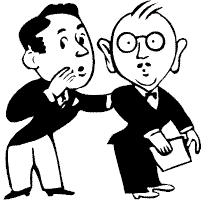
- Indirect questions are a little more formal and polite. We use them when talking to a person we don’t know very well, or in professional situations, and their form is a little different.
- Could you tell me where is the office?
- Indirect questions are a little more formal and polite. We use them when talking to a person we don’t know very well, or in professional situations, and their form is a little different.
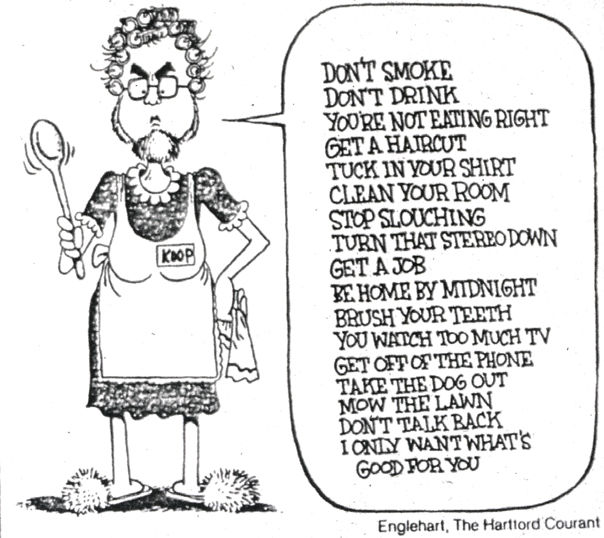
2. Imperatives
- gives a direct command. It can end in a full stop or an exclamation mark, depending on the forcefulness of the command.
- Clear this desk by tomorrow!
- gives a direct command. It can end in a full stop or an exclamation mark, depending on the forcefulness of the command.
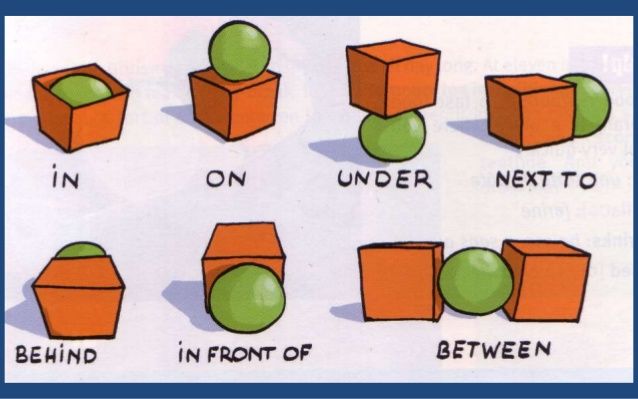
3.Prepositions
- use prepositions to connect nouns or between nouns and pronouns.
- The book behind the elephant
- use prepositions to connect nouns or between nouns and pronouns.
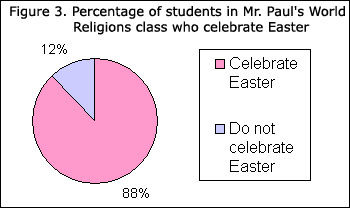
4. Graphs and Charts
- The graphics help us understand the information obtained through "graph", "chart" and "diagram" are ambiguous terms, sometimes used equivalently.
5. Adverbs of frequency
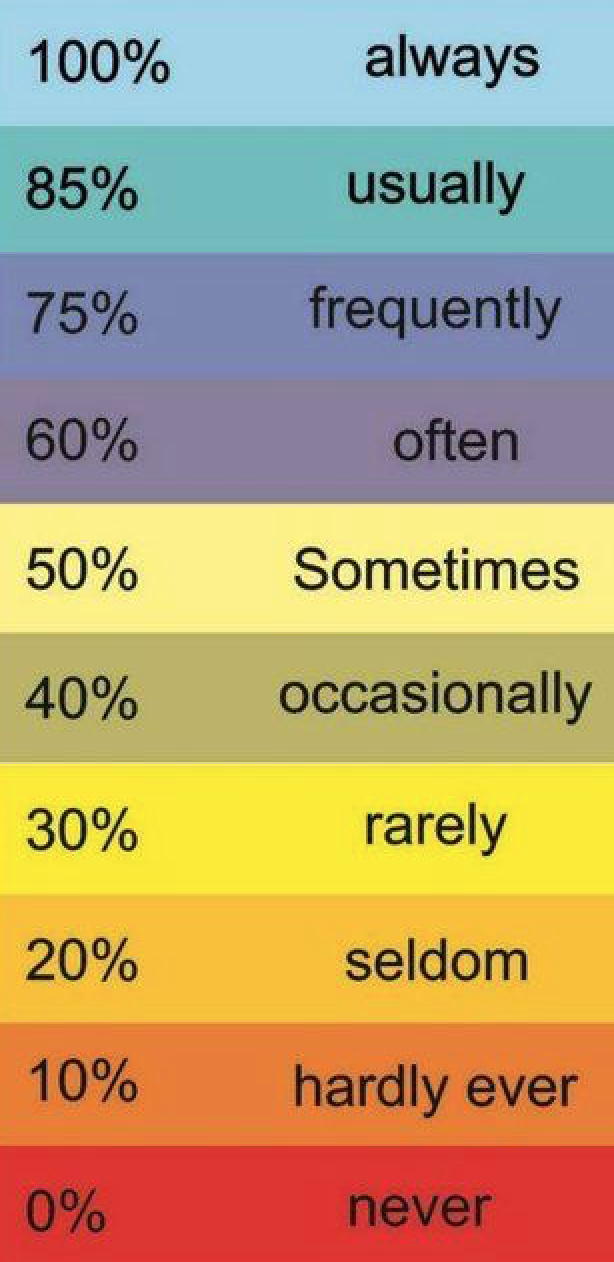
- Adverbs that change or qualify the meaning of a sentence by telling us how often or how frequently something happens are defined as adverbs of frequency.
- I hardly ever drink alcohol.
- Adverbs that change or qualify the meaning of a sentence by telling us how often or how frequently something happens are defined as adverbs of frequency.
6. Comparative asverbs
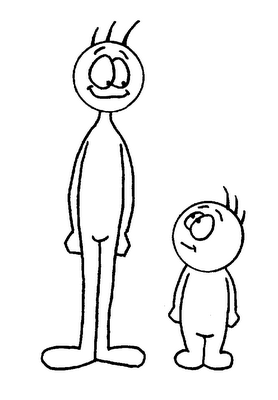
- They show a degree of comparison. You use them when you want to compare two people, places, or things.
- I run as fast as Megan.
- They show a degree of comparison. You use them when you want to compare two people, places, or things.
7. The order of adjectives
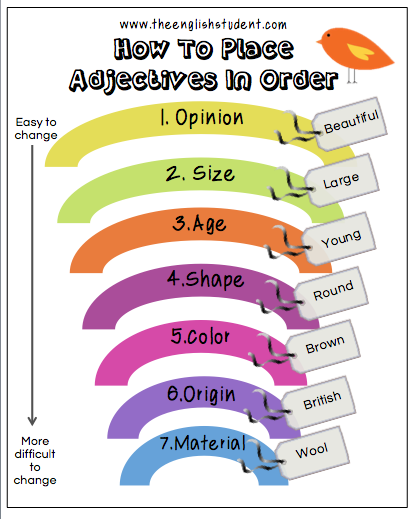
- Adjectives must accommodate a specific way depending on the type for which the sentence can be understood
- My sister adopted a beautiful big white bulldog.
- Adjectives must accommodate a specific way depending on the type for which the sentence can be understood
8. Will, Going To
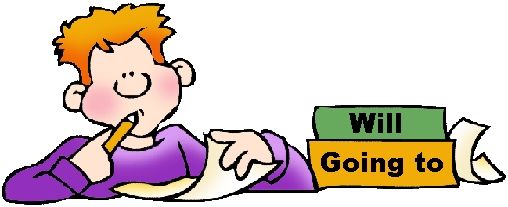
- Will uses for the future facts or things we believe to be true about the future, with expressions such as 'probably', 'possibly', 'I think', 'I hope'.
- The President will serve for four years.
- Going to future prediction based on evidence in the present situation, have made the decision
- Not a cloud in the sky. It's going to be another warm day.
- Will uses for the future facts or things we believe to be true about the future, with expressions such as 'probably', 'possibly', 'I think', 'I hope'.
9. Reported Speech
- Normally, the tense in reported speech is one tense back in time from the tense in direct speech.
10. Passive & Active voice
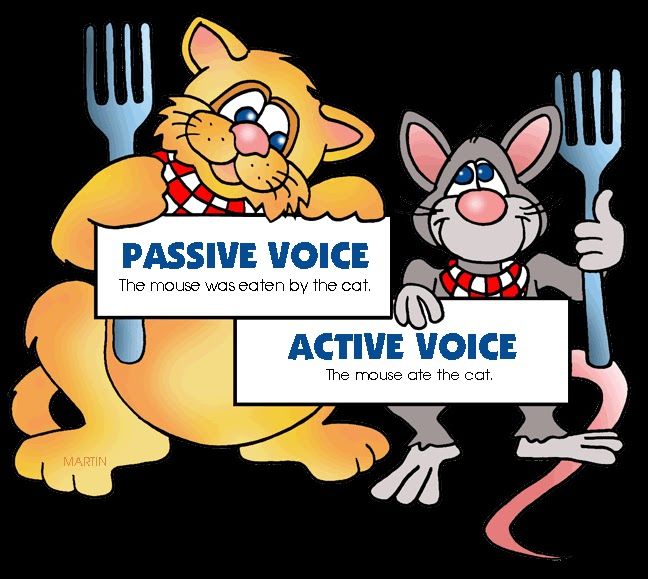
- In active sentences, the thing doing the action is the subject of the sentence and the thing receiving the action is the object.
- Once a week, Tom cleans the house.
- In passive sentences, the thing receiving the action is the subject of the sentence and the thing doing the action is optionally included near the end of the sentence.
- The car was repaired by Sam.
- In active sentences, the thing doing the action is the subject of the sentence and the thing receiving the action is the object.
11. Present perfect simple / continuous
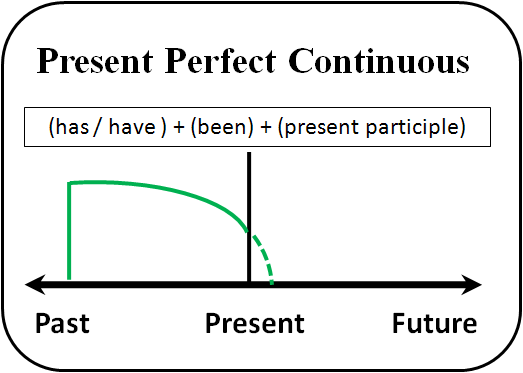
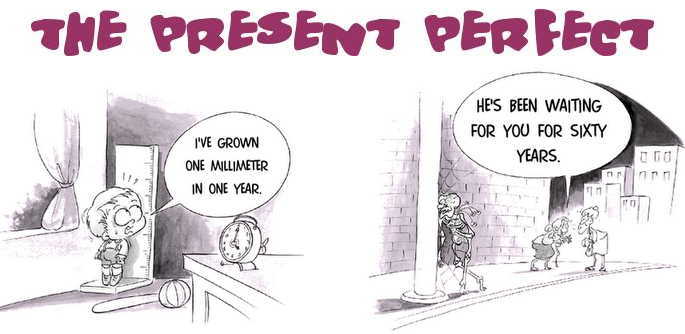
- We use he present perfect continuous for an activity that has just stopped and present perfect simple when we express that an action is completed, finished recently.
12. Too and Enough
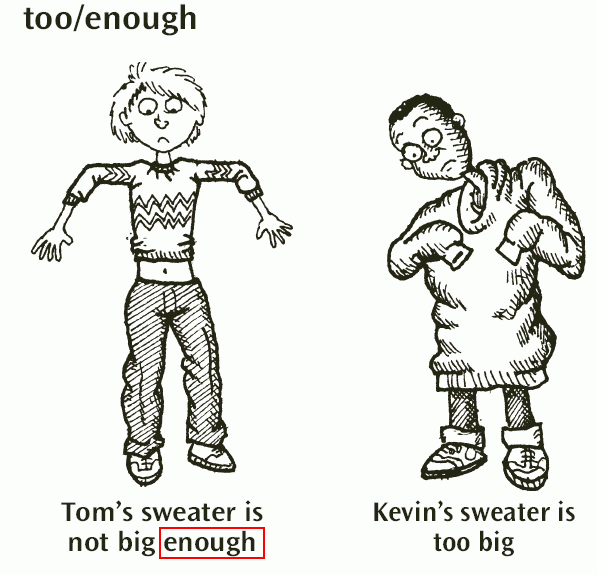
- Enough it is an adjective used to indicate that it is sufficient or as needed, and too It is an adverb that indicates a more than sufficient .
Bilder und Dateien der Mindmap
Informationen
- Beschreibung
- Mapa mental de lo visto en clase ciclo 2015
- Erstellt von
- Nydia Álvarez
- Aufrufe
- 23
- Tags
- Bewertung