
11219058
Beschreibung

Mindmap von Paige Keller, aktualisiert more than 1 year ago

|
Erstellt von Paige Keller
vor fast 9 Jahre
|
|
Cardiogenic
Shock
- Assessment
- Risk
Factors
- Stress
- Smoker
- Obesity
- Cardiac/family history of MI
- Stress
- Clinical
Manifestations
- Cardiovascular
- Tachycardia
- By: Paige Keller
214197420
- By: Paige Keller
214197420
- Weak pulse
- Decreased capillary refill time
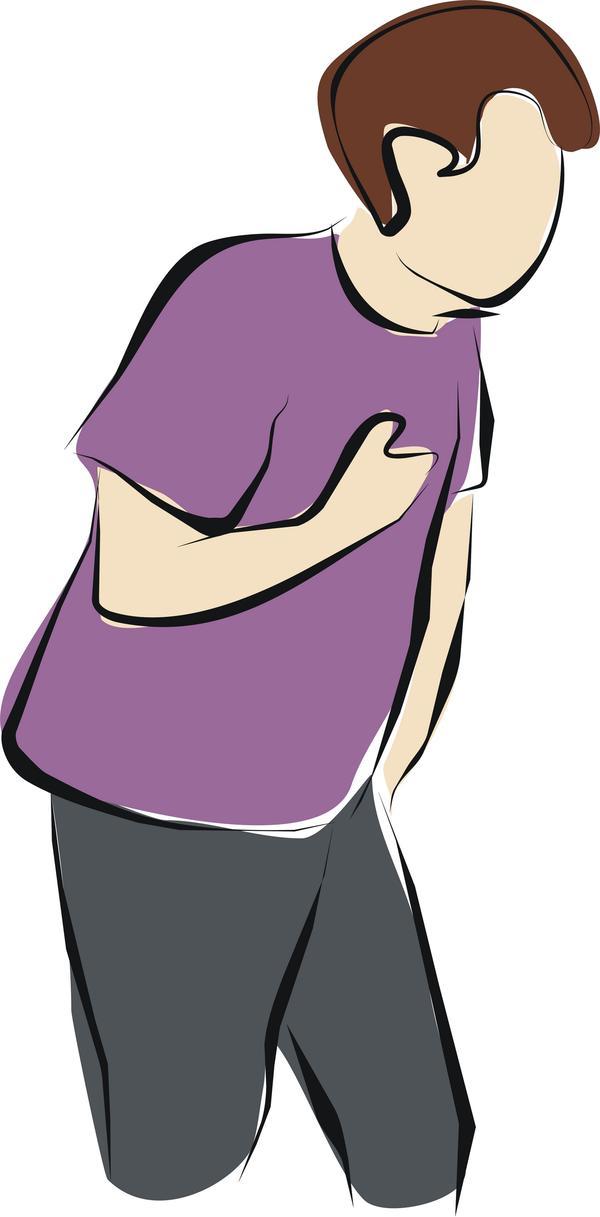
- Chest pain may or may not be present
- Tachycardia
- Pulmonary
- Tachypnea
- Cyanosis
- Crackles and Wheezes in lung sounds
- Severe shortness of breath
- Tachypnea
- Renal
- Decreased urine output
- Increased Na+ and H20 retention
- Decreased renal blood flow
- Decreased urine output
- Skin
- Pallor
- Cool, clammy
- Diaphoresis (sweating)
- Pallor
- Neurologiccal
- Anxiety, confusion, agitation
- Los of consiousness
- Anxiety, confusion, agitation
- Gastrointestinal
- Decreased bowel sounds
- Nausea and vomiting
- Decreased bowel sounds
- Cardiovascular
- Risk
Factors
- Treatment
- Drug Therapy
- Diuretics
- Used to decrease plasma volume and peripheral edema.
- Used to decrease plasma volume and peripheral edema.
- Inotropic Agents
- Dopamine
- Produces cardiac stimulation to improve heart funtion
- Produces cardiac stimulation to improve heart funtion
- Dobutamine
- Produces systemic
vasodilation, causing an
increase in strength and
force of the heart causing
more blood to circulate
throughout the body
- Produces systemic
vasodilation, causing an
increase in strength and
force of the heart causing
more blood to circulate
throughout the body
- Norepinephrine
- Norepinephrine increases
blood pressure and
afterload. Increased
afterload may result in
decreased cardiac output,
increased myocardial
oxygen demand, and
cardiac ischemia.
- Norepinephrine increases
blood pressure and
afterload. Increased
afterload may result in
decreased cardiac output,
increased myocardial
oxygen demand, and
cardiac ischemia.
- Dopamine
- Vasodilators
- Nitroglycerine
- Causes a decrease in preload and blood pressure
- Causes a decrease in preload and blood pressure
- Nitroglycerine
- Opioid Analgesics
- Morphine
- Morphine
- Diuretics
- Nursing Intervention/
Collaborative Care
- Prevention/ Health Teaching/ Discharge Planning
- Smoking cessation
- Importance of
proper diet
and exercise
- Lower cholesterol
and saturated fats
from diet
- Lower cholesterol
and saturated fats
from diet
- Control hypertension
- Smoking cessation
- Involve family in the comfort and care of the patient
- Monitor urine output, lab values i.e. BUN and serum creatinine
- Monitor vital signs: blood pressure, pulse, respiratory rate, every 1-5 minutes until patient is stable
- Correction of underlying cause
- Monitor ABG's, CBC's, Lytes
- Maintain patent arterial line
- Fluid/IV Therapy
- Effective pain management
- Oxygen therapy
- Prevention/ Health Teaching/ Discharge Planning
- Surgical
Management
- Percutaneous Coronary Intervention (PCI)
- Should be initiated within 90 minutes of presentation
- Should be initiated within 90 minutes of presentation
- Coronary Artery Bypass Surgery (CABG)
- Percutaneous Coronary Intervention (PCI)
- Drug Therapy
- Diagnosis
- Pathophysiology
- Primary ventricular ischemia
- Systolic dysfunction causing ineffective blood perfusion
- Decreased cardiac output,
Decreased stroke volume
- SNS stimulation resulting in increased heart
rate and systemic vascular resistance.
- Further cardiac damage and progressive decline
of cardiac output due to increase workload and
oxygen demand.
- Further cardiac damage and progressive decline
of cardiac output due to increase workload and
oxygen demand.
- SNS stimulation resulting in increased heart
rate and systemic vascular resistance.
- Decreased cardiac output,
Decreased stroke volume
- Systolic dysfunction causing ineffective blood perfusion
- Structural problems
- Dysryhmias
- Primary ventricular ischemia
- Etiology
- Myocardial infarction resulting in
significant dysfunction or loss of left
ventricular myocardium (greater than 40%)
- Right ventricular myocardial infarction
- End-stage cardiomyopathy
- Papillary muscle dysfunction
- Free wall rupture
- Congenital heart defects
- Congenital heart defects
- Free wall rupture
- Papillary muscle dysfunction
- End-stage cardiomyopathy
- Right ventricular myocardial infarction
- Myocardial infarction resulting in
significant dysfunction or loss of left
ventricular myocardium (greater than 40%)
- Labs/Diagnostic
Studies
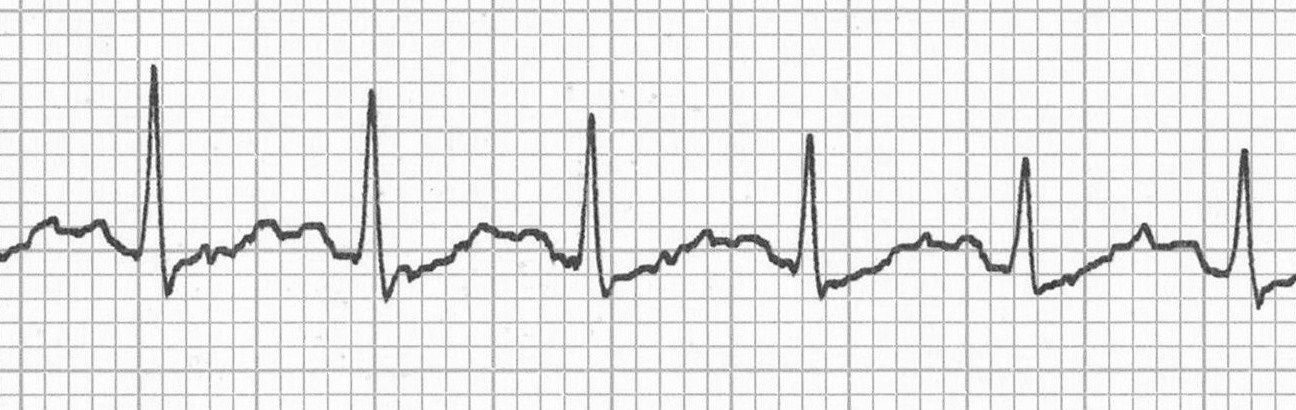
- ECG
- Detects and records the
hearts electrical
activity, measuring rate
and rhythm
- ST elevation indicative of an MI
- ST elevation indicative of an MI
- Detects and records the
hearts electrical
activity, measuring rate
and rhythm
- Cardiac Enzyme Test
- Creatine kinase and CK-MB will be elevated
- Myoglobin
- Troponins present are indicative of damaged cardiac muscle
- LDH will be elevated approx. 10 hours after onset of MI
- Creatine kinase and CK-MB will be elevated
- Coronary Angiography
- Dye is injected into the bloodstream allowing an x-ray of the heart
and blood vessels to identify areas with blockages
- Dye is injected into the bloodstream allowing an x-ray of the heart
and blood vessels to identify areas with blockages
- Echocardiogram
- Identifies damaged areas of the heart due to poor blood
flow
- Identifies damaged areas of the heart due to poor blood
flow
- Blood Tests
- ABG's
- Biochemical profile
- CBC
- ABG's
- Pulmonary Artery Catheterization
- Catheter is used to check blood pressure in the pulmonary artery
- Catheter is used to check blood pressure in the pulmonary artery
- ECG
- Pathophysiology
- Expected Outcomes
- Positive outcomes are possible with a
rapid diagnosis,, prompt medical
interventions and supportive therapies,
- Positive outcomes are possible with a
rapid diagnosis,, prompt medical
interventions and supportive therapies,
- What is
it?
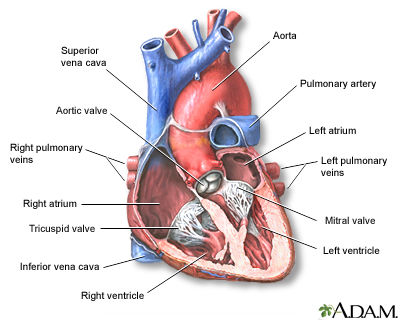
- Occurs primarily when
there is a severe
dysfunction of the left,
right, or both ventricles that
result in inadequate
pumping of blood.
- Frequently associated with
multisystem organ failure and
is a medical emergency if not
treated right away
- Occurs primarily when
there is a severe
dysfunction of the left,
right, or both ventricles that
result in inadequate
pumping of blood.
Medienanhänge






Möchten Sie kostenlos Ihre eigenen Mindmaps mit GoConqr erstellen? Mehr erfahren.