
15202683
Beschreibung

Mindmap von shahid alzaghari, aktualisiert more than 1 year ago

|
Erstellt von shahid alzaghari
vor mehr als 7 Jahre
|
|
Walking with difficulty
- Mohammed,
19 years olds
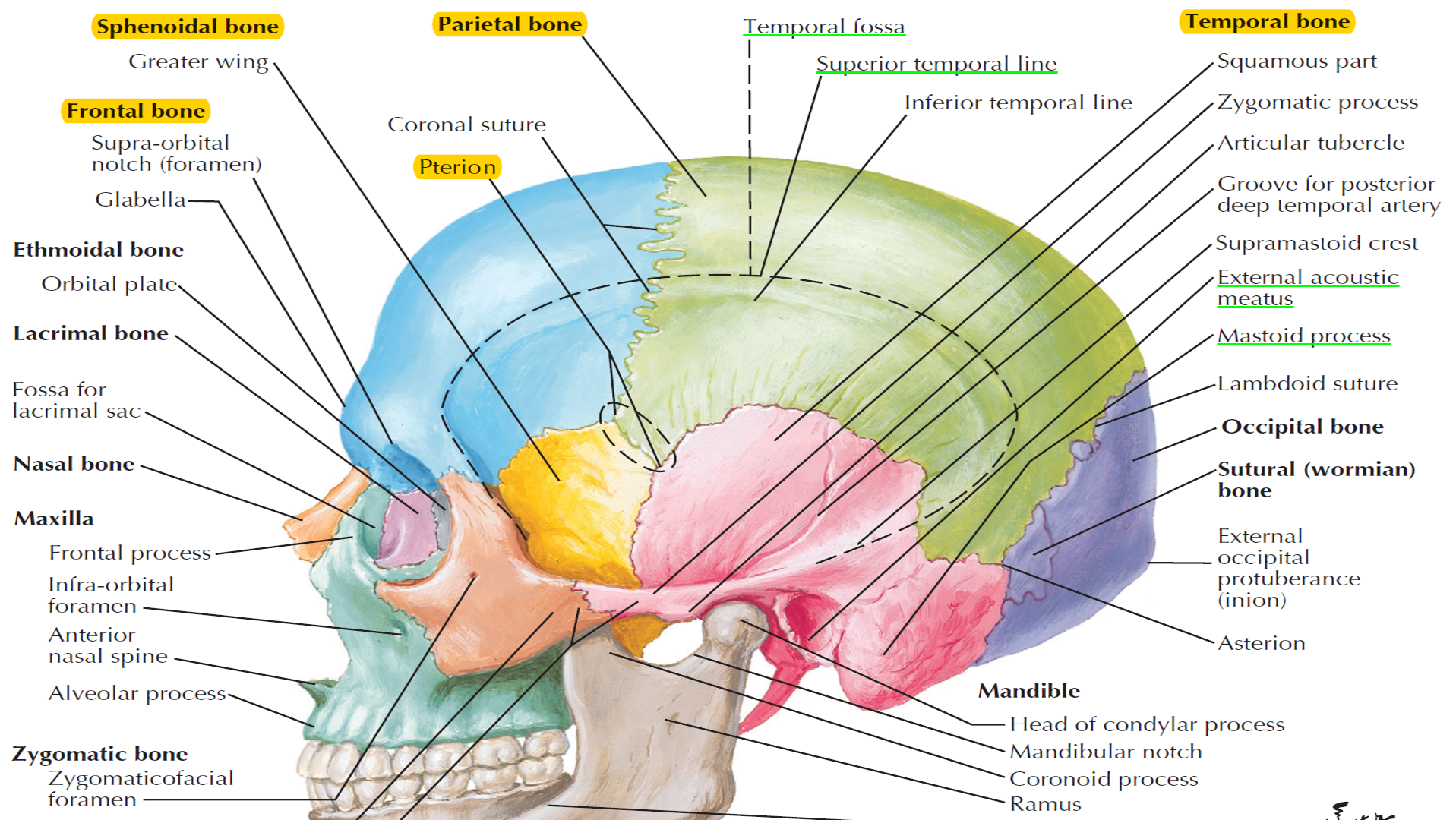
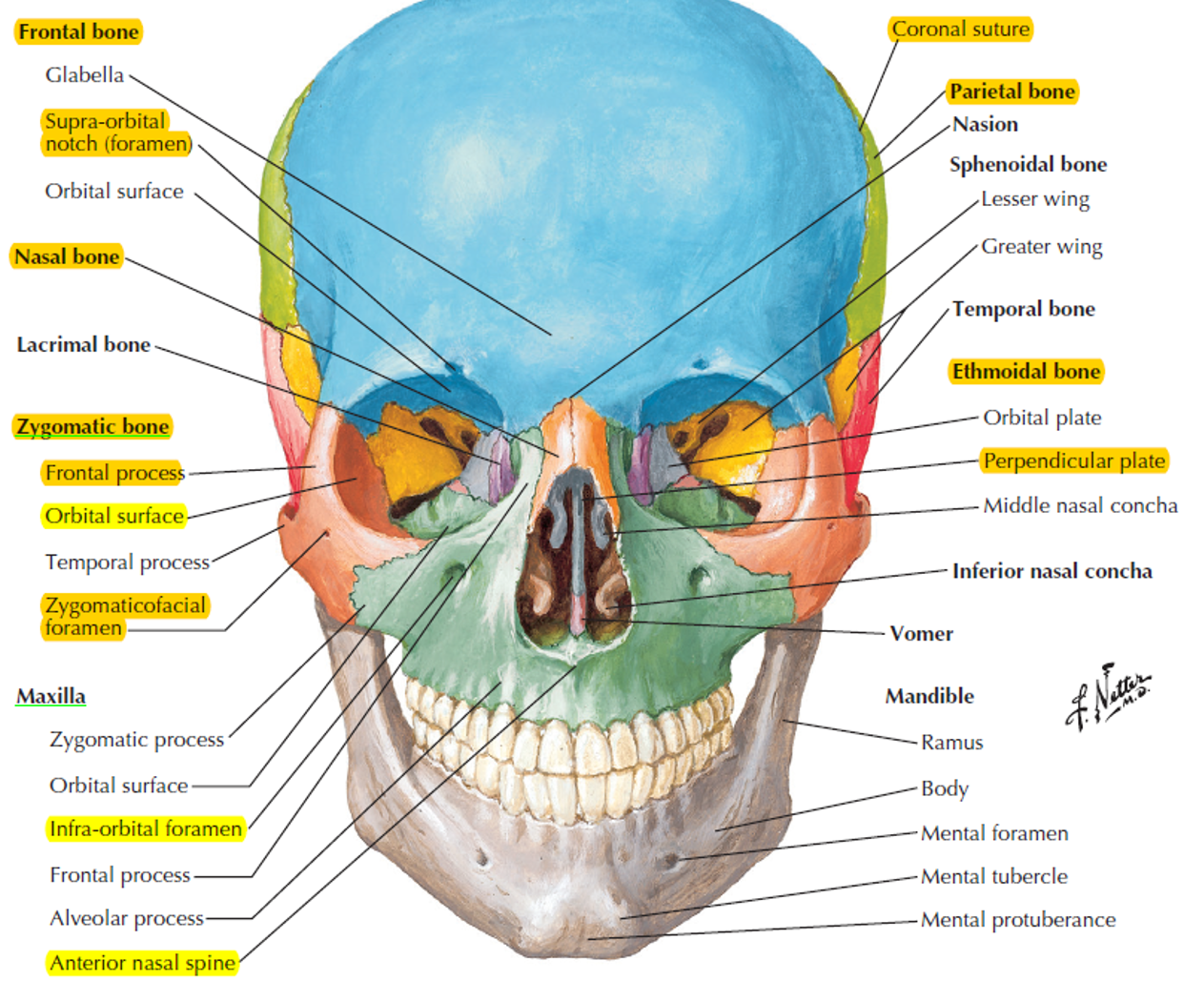
- Anatomy of the skull
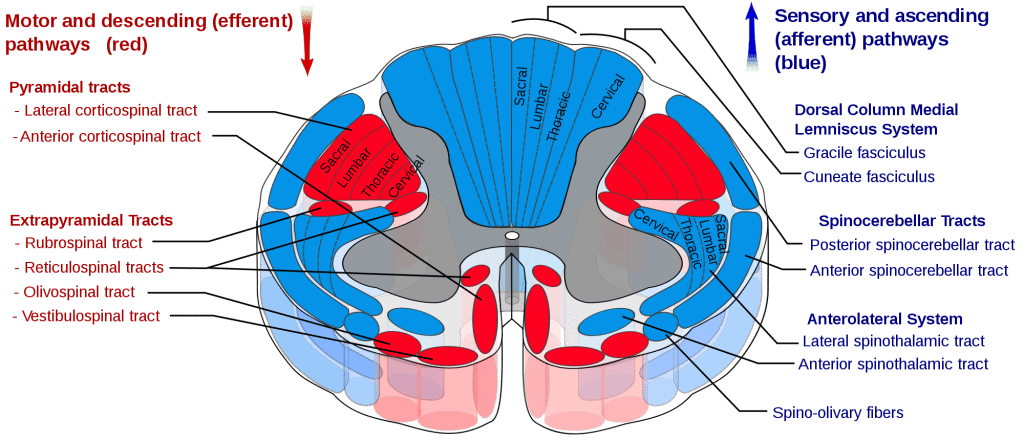
- Tractology
- Sensory
- Dorsal White Column
- Nucleus gracilis
- Nucleus cuneatus
- Nucleus gracilis
- Ventral & Lateral spinothalamic tract
- Dorsal & Ventral spinocerebeller tract
- Dorsal White Column
- Motor
- Lateral corticospinal (pyramidal) tract
- Anterior corticospinal tract(pyramidal)
- Vestibulospinal tract
- Descending autonomic tracts
- Lateral corticospinal (pyramidal) tract
- Sensory
- Lesions:
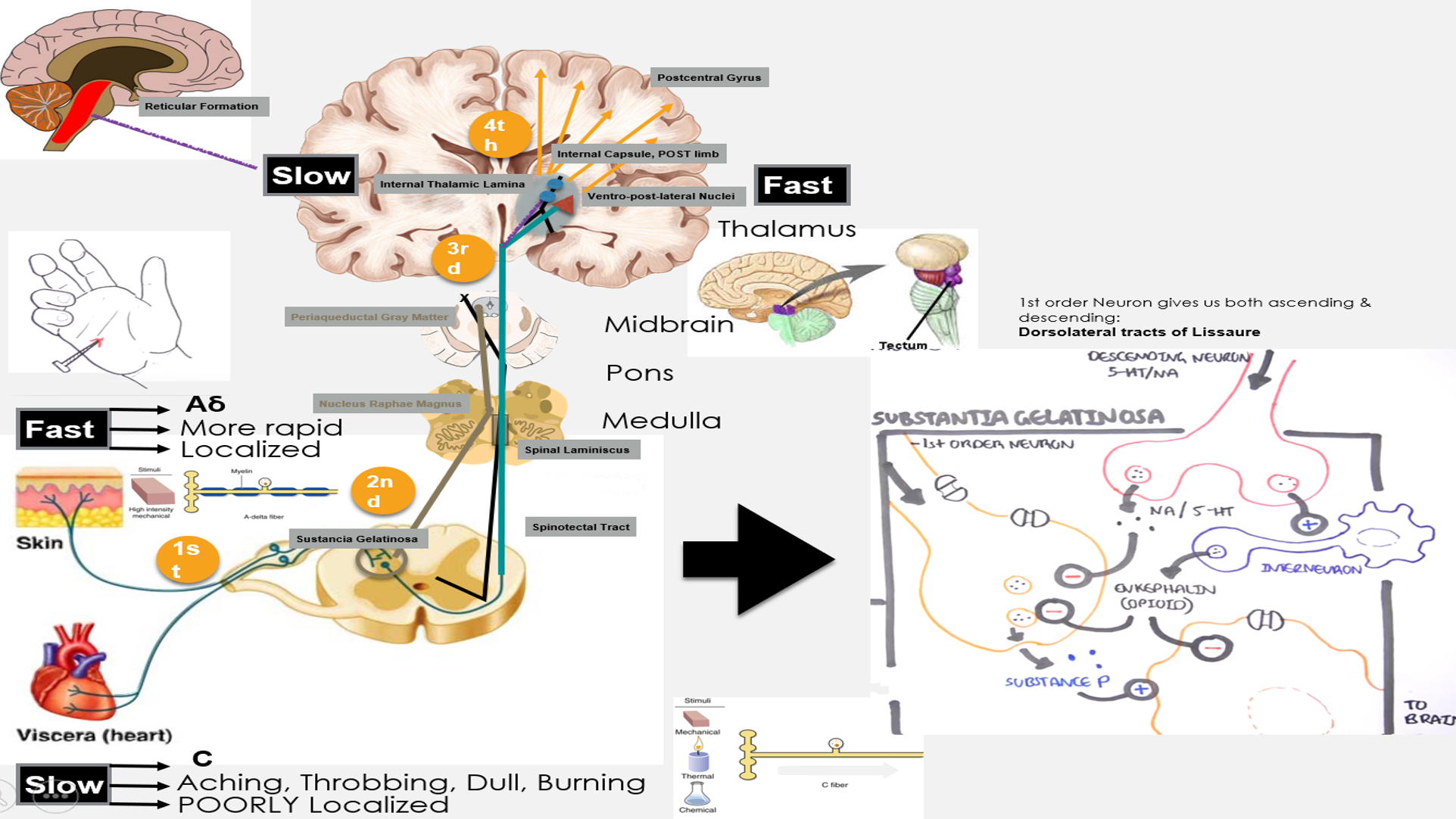
- Physiology of pain and
temperature:
- Syringomyelia:
- Clinical presentation:
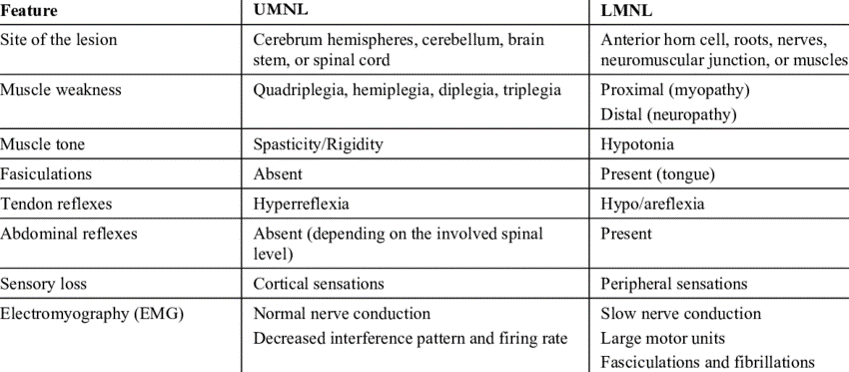
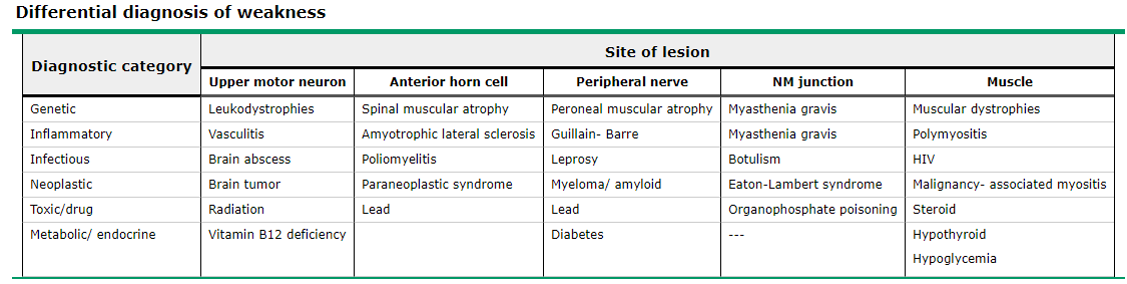
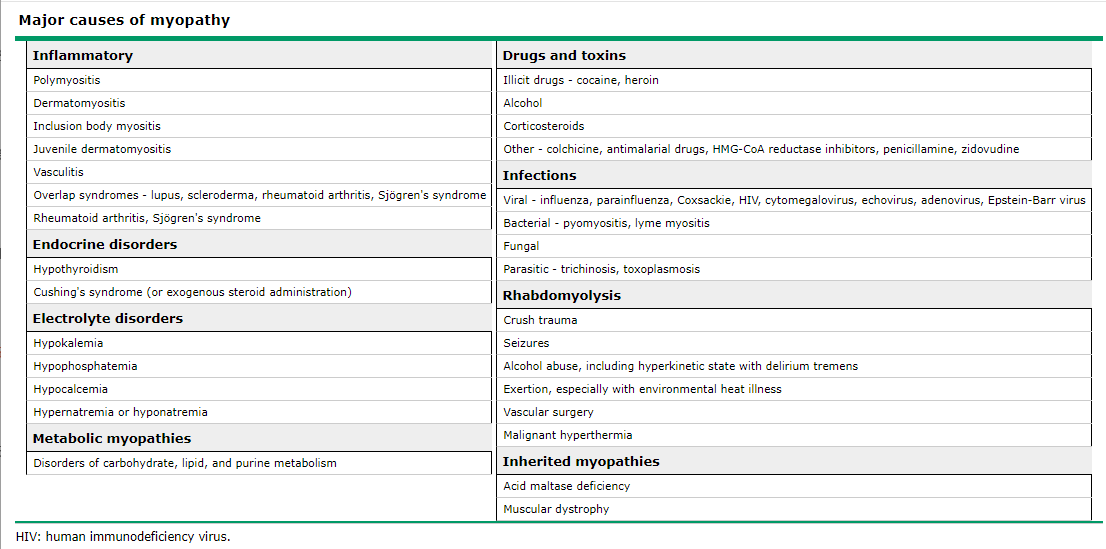
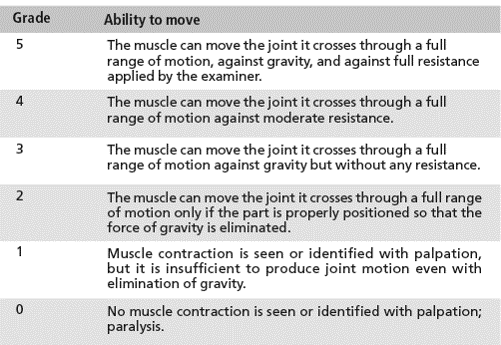
- Muscle weakness
- Evaluation of the patient:
- 1- History
- 2- Physical examination
- 3- Localizing the lesion:
- 4- Determine the cause of the lesion:
- 1- History
- Evaluation of the patient:
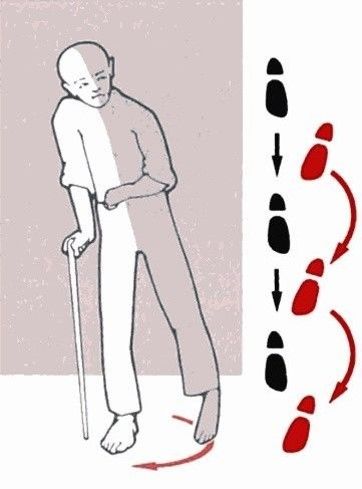
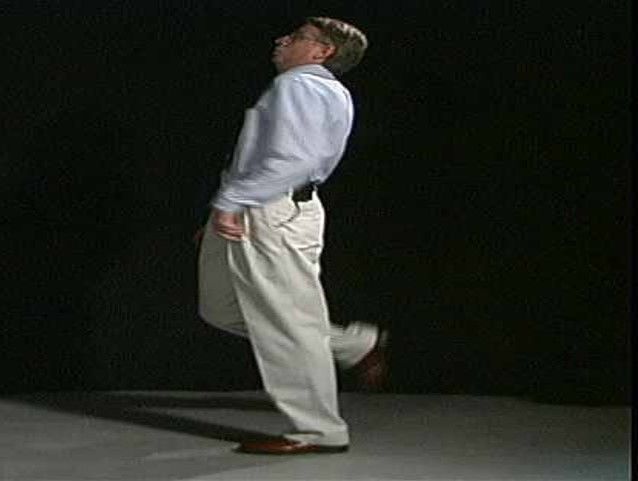
- Gait abnormalities
- Hemiplegic gait (spastic gait)
- Seen in stroke
- Seen in stroke
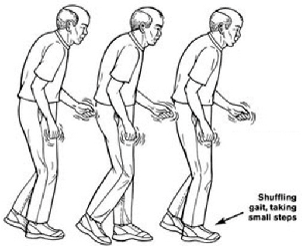
- Parkinsonian gait
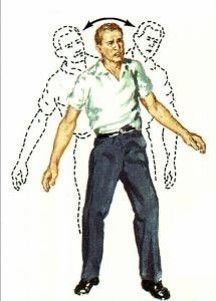
- Atexia gait
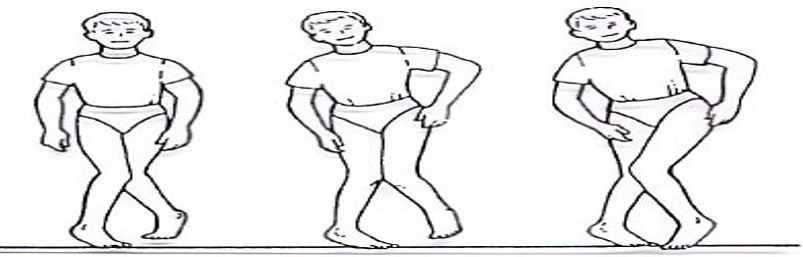
- Diplegic Gait(Scissors gait)
- Seen in cerebral palsy
- Seen in cerebral palsy
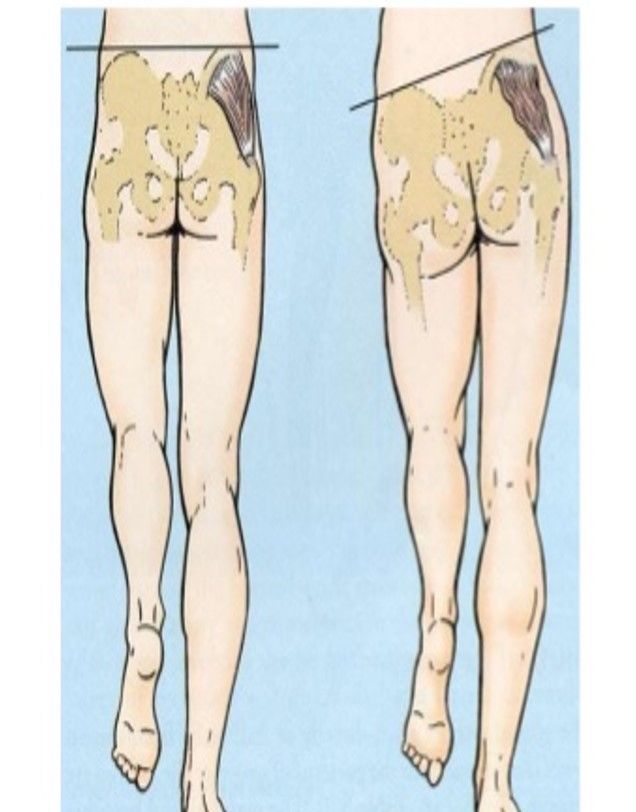
- Myopathic Gait (waddling gait)
- Neuropathic Gait (Steppage Gait)
- Hemiplegic gait (spastic gait)
- Loss of reflexes
- Loss of pain,
temperature & crude
touch sensation
- Muscle weakness
- Pathophysiology:
- Congenital
- Arnold-Chiari
malformation
II.
- Arnold-Chiari
malformation
II.
- Acquired
- Complication of:
- Trauma
- Meningitis
- Hemorrhage
- Tumor
- Trauma
- Complication of:
- is the development of a fluid-filled cyst (syrinx)
within the spinal cord. Over time, the cyst may
enlarge, damaging the spinal cord.
- Congenital
- Treatment
- If not causing any S&S:
- monitoring with periodic MRI and neurological exams
- monitoring with periodic MRI and neurological exams
- If causing any S&S yet discovered on MRI for unrelated reason:
- monitoring with periodic MRI and neurological exams
- monitoring with periodic MRI and neurological exams
- Causing S&S:
- Surgery:
- remove the pressure the syrinx places on the SC
- restore the normal flow of CSF
- help improve the symptoms and nervous system (neurological) function
- remove the pressure the syrinx places on the SC
- Surgery:
- Treat Chiari Malformation
- Drain syrnix
- Removing obstruction
- Correcting the abnormality
- If not causing any S&S:
- Clinical presentation:
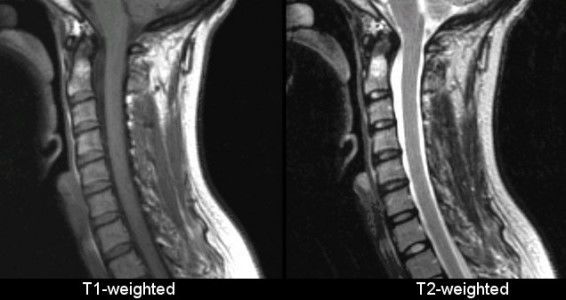
- Radiological investigation of SC:
- MRI
- T1
- darker;
fluid is
hypointense
(black)
- darker;
fluid is
hypointense
(black)
- T2
- brighter;
fluid is
hyperintense
(white)
- brighter;
fluid is
hyperintense
(white)
- T1
- MRI
- Medical report:
- It should include:
- Laboratory test results
- Medical images
- A history of your treatments
- Your response to treatments
- Documentation of any medications
- Documentation of your diagnosis
- An overview of your medical history
- A history of hospitalizations
- Findings of physical and mental examinations
- Statements confirming your limitations and abilities
- Laboratory test results
- It should include:
Medienanhänge
Möchten Sie kostenlos Ihre eigenen Mindmaps mit GoConqr erstellen? Mehr erfahren.