
Mindmap
Chapter 5 : Consumer Market Behavior

Inhalt der Mindmap
Chapter 5 : Consumer Market Behavior
stimulus-response model
- buyers' characteristics → perception → reaction to stimuli → affect behavior
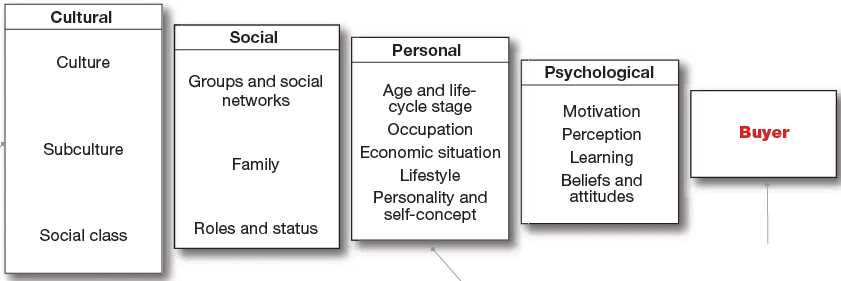
Consumer Behavior Characteristics
- Cultural Factors
- CUlture
- persons' values, perception, wants & behaviors
- cultural shifts
- Sub-culture
- religions
- racial
- geographic
- Social class
- factors
- occupation
- income
- education
- wealth
- category
- upper class
- upper upper class
- lower upper class
- middle upper class
- middle class
- upper middle class
- middle middle class
- lower middle class / working class
- lower class
- upper lower class
- middle lower class
- lower lower class
- upper class
- factors
- CUlture
- Social Factors
- Small groups
- membership groups
- groups have direct influence to person
- reference groups
- direct (face-to-face) or indirect reference points that form attitudes & behaviors
- aspirational groups
- individual wishes to belong
- word-of-mouth influence
- opinion leaders (influentials / leading adopters)
- people within reference group
- exert social influence
- special skills, knowledge & characteristics
- buzz marketing
- people within reference group
- brands' evangelists
- membership groups
- Online social networks
- socialize / exchange info & opinions
- blogs
- message boards
- social media sites
- YouTube
- communal shopping sites
- Amazon
- eBay
- Lazada
- Shopee
- Family
- Husband
- Wife
- Children
- Parents
- Role & Status
- clubs
- online communities
- organisations
- family
- Small groups
- Personal Factors
- Occupation
- managerial
- blue-collar workers
- white collar workers
- Age & Stage
- Nielsen PRIZM Lifestyle Group System
- Economic situations
- Personality (Self-concept / Self-Image)
- persons' / groups' unique characteristics
- Personality traits
- self-confidence
- dominance
- sociablity
- autonomy
- adaptability
- aggresiveness
- Brand personality traits
- Sincere
- down-to-earth
- honest
- wholesome
- cheerful
- Excitement
- daring
- spirited
- imaginative
- up-to-date
- Competence
- reliable
- intelligence
- successful
- Sophistication
- glamorous
- upper class
- charming
- Ruggedness
- outdoor
- tough
- Sincere
- Liefstyle
- AIO dimensions
- activities
- work
- hobbies
- shopping
- sports
- social events
- interest
- food
- family
- fashion
- recreation
- opinions
- about themselves
- about social issues
- about business
- about products
- activities
- Consumers don't buy products, they buy values & lifestyle
- AIO dimensions
- Occupation
- Psychological Factors
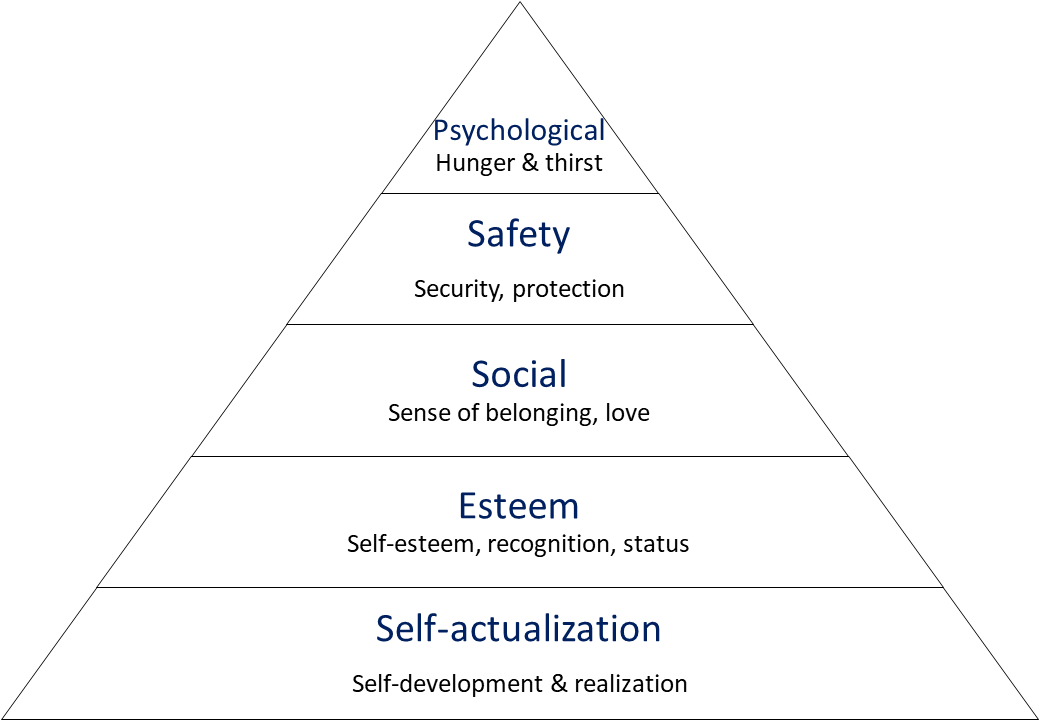
- Motivation
- need + intensity = motive
- subconscious motive
- motivation research
- consumers' emotions & behavior
- interpretive consumer research
- motivation research
- seek satisfaction
- subconscious motive
- need + intensity = motive
- Perception
- Senses
- sigth
- hearing
- smell
- touch
- taste
- Perceptual processes
- selective attention
- screen out most exposed info
- info fits into existing mindset
- selective distortion
- interpret info that support existing beliefs
- retain info that support attitudes & beliefs
- selective retention
- remember favored brands' good points & forget competing brands' good points
- selective attention
- subliminal messages / advertising
- Senses
- Learning
- drives
- ↑ internal stimuli = call to action
- stimuli
- drive + stimuli = motive
- cues
- minor stimuli → determine when, where & how person responds
- responses
- interest to buy
- reinforcement
- ↑ rewarding experience = ↑ reinforced
- drives
- Beliefs & Attitudes
- Beliefs
- descriptive thought a person hold about something
- Based on :
- real knowledge
- opinion
- faith
- Attitudes
- evaluations, feelings, tendencies toward objects / ideas
- liking / disliking
- moving toward / away
- fit products with existing attitudes
- evaluations, feelings, tendencies toward objects / ideas
- Beliefs
- Motivation
- Cultural Factors
Buying Decision Behavior
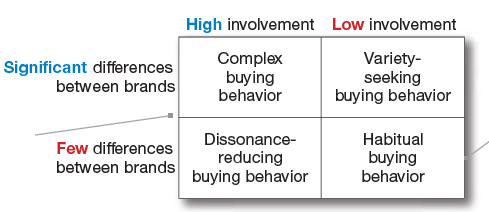
- Types
- Complex buying behavior
- ↑ involvement in purchase & ↑ differences among brands
- buyer develop beliefs → attitudes → thoughtful purchase choice
- help buyers learn product-class attributes & importance
- differentiate brands' features → describe & illustrate brands' benefits → promotional material / online info & videos
- Dissonance-reducing buying behavior
- ↑ involvement in expensive, infrequent or risky purchase & ↓ difference among brands
- post-purchase dissonance (after-sale discomfort)
- after-sale communications → evidence & support to help consumers feel good
- Habitual buying behavior
- ↓ consumer involvement & ↓ significant brand differences
- price & sales promotions
- add product features & enhancements
- Variety-Seeking buying behavior
- ↓ consumer involvement & ↑ significant brand differences
- lower prices / special deals / coupons / free samples / advertising
- Complex buying behavior
- Types
Buying Decision Process
- Needs recognition
- buyer recognize problem / needs
- internal stimuli
- external stimuli
- buyer recognize problem / needs
- Information search
- personal sources
- family
- friends
- neighbors
- acquintance
- commercial sources
- advertising
- salepeople
- web & mobile sites
- packaging
- displays
- public sources
- mass media
- consumer rating organizations
- social media
- online searches & peers reviews
- Experiential sources
- product examination
- product usage
- Commercial sources inform buyer but personal sources legitimize / evaluate products for buyer
- personal sources
- Alternative Evaluation
- careful calculations & logical thinking
- little or no evaluation
- impulse & rely on intuition
- Purchase Decision
- factors between purchase intention & purchase decision
- attitude of others
- unexpected situational factors
- factors between purchase intention & purchase decision
- Post-purchase behavior
- customers' expectations
- aim for delight customers
- encourage complain & feedbacks
- perceived performance
- customers' expectations
- New Products
- Adoption process
- Awareness
- consumer aware new products
- lack information about the new products
- Interest
- consumer seek info about the new products
- Evaluation
- consumer consider whether trying new products
- Trial
- consumer tries the new products on a small scale
- Adoption
- consumer decides for full and regular usage new products
- Awareness
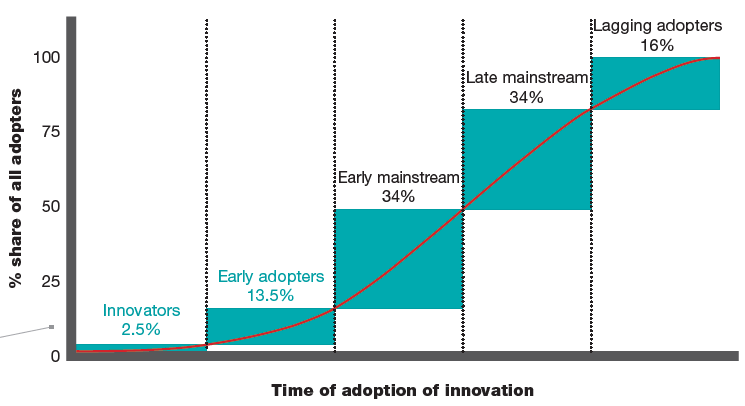
- Individual Differences
- Innovators
- venturesome - try new ideas at some risk
- Early adopters
- guided by respect - opinion leaders adopt new ideas early but carefully
- Early mainstream adopters
- deliberate - adopt new ideas before average person
- Late mainstream adopters
- skeptic - adopt an innovation only after majority people have tried it
- Lagging adopters
- tradition bound - suspicious of changes & adopt innovation when it become tradition
- Innovators
- Adoption Rate Influence
- Relative advantage
- appear superior to existing products
- Compatibility
- fits value & experiences potential customers
- Complexity
- difficulty to understand or use
- Divisibility
- may be tried on limited basis
- Communicability
- can be observed or described to others
- Initial & ongoing costs
- Risk & uncertainty
- Social approval
- Relative advantage
- Adoption process
- Needs recognition
Bilder und Dateien der Mindmap

Informationen
- Beschreibung
- Mindmap am Chapter 5 : Consumer Market Behavior, erstellt von Abduh Mustapha am 15/01/2019.
- Erstellt von
- Abduh Mustapha
- Aufrufe
- 3
- Bewertung