
Mindmap
Computer science paper 2
Inhalt der Mindmap
Computer science paper 2
computational thinking
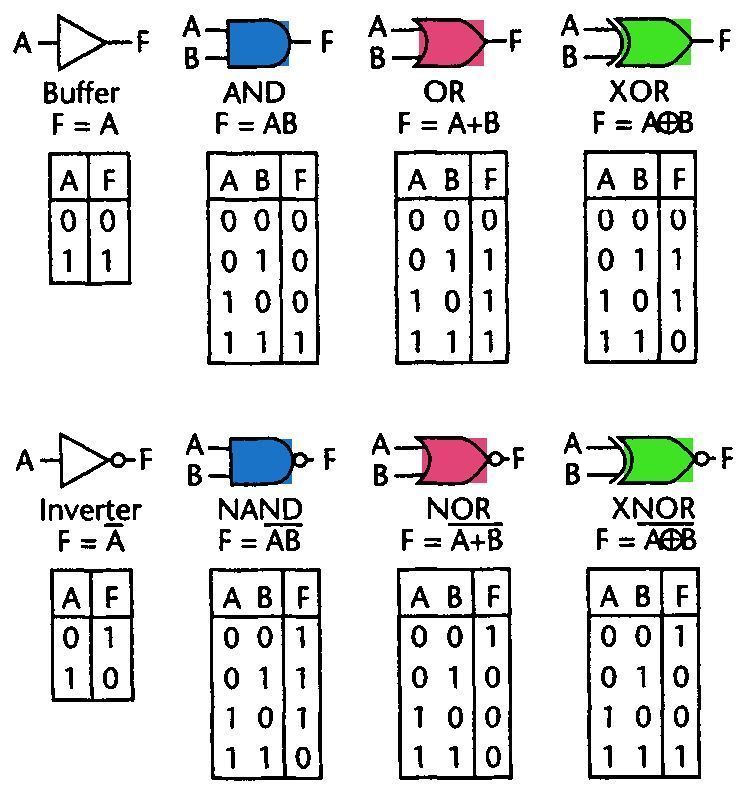
- logic gates
algorithms
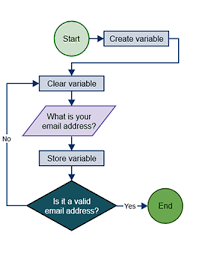
- An algorithm is a name given to a defined set of steps used to complete a task
- Example
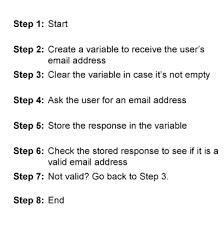
- algorithms can also be shown as pseudocode
- rectangle
- Process
- circle
- star/end
- parallelogram
- Input/output
- diamond
- decision
- Searching and sorting
- Binary and linear search
- linear search
- each item in the list is checked in order
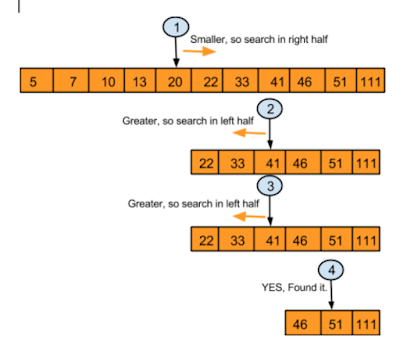
- binary search
- an ordered list is divided in 2 with each comparison
- A linear search looks down a list, one item at a time, without jumping. ... A binary search is when you start with the middle of a sorted list, and see whether that's greater than or less than the value you're looking for, which determines whether the value is in the first or second half of the list.
- linear search
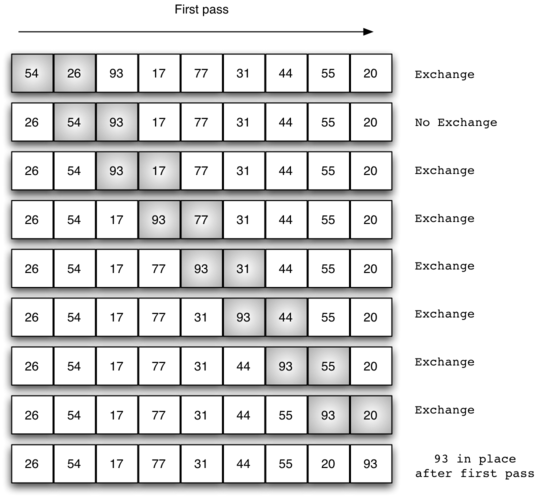
- bubble sort
- Bubble sort, sometimes referred to as sinking sort, is a simple sorting algorithm that repeatedly steps through the list, compares adjacent pairs and swaps them if they are in the wrong order. The pass through the list is repeated until the list is sorted.
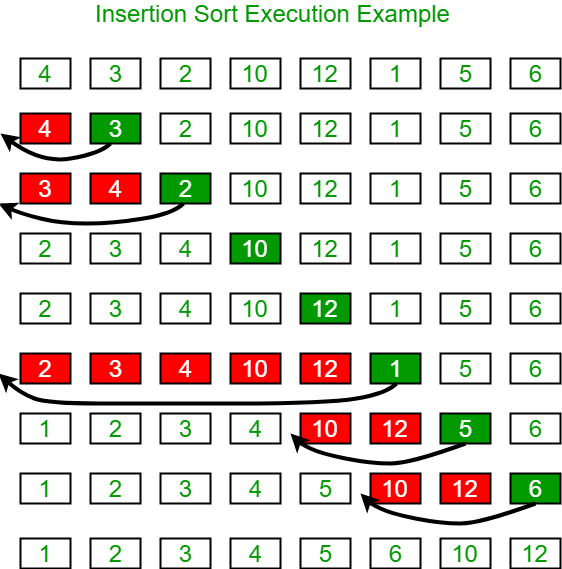
- insertion sort
- nsertion sort is a simple sorting algorithm that builds the final sorted array one item at a time. It is much less efficient on large lists than more advanced algorithms such as quicksort, heapsort, or merge sort.
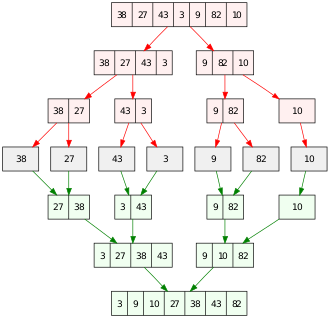
- merge lists
- Merge algorithms are a family of algorithms that take multiple sorted lists as input and produce a single list as output, containing all the elements of the inputs lists in sorted order.
- Binary and linear search
SQL
- A database is an alternative to storing data in a file and it is deigned specifically to handle, sort, search and manipulate organised data. A database is a persistent, organised and structured store of data. To add and retrieve information from a database this is done using a special purpose programming language called Structured Query Language (SQL). SQL was created for use with databases, it consists of a set of commands to carry out tasks (search, update, insert, delete, find records)
- there are many different types of sql
- Select
- this retrieves a record. other commands can then be carried out on that record without affecting the whole database
- From
- the identifies the table where the data comes from
- where
- This sets out some condition with which to choose only certain records
- and
- this allows multiple conditions to be set all of which must be true
- or
- this allows multiple conditions to be set, any of which needs to be true
- like
- this allows data to be selected that are similar to the criteria
- Select
- there are many different types of sql
- A database is an alternative to storing data in a file and it is deigned specifically to handle, sort, search and manipulate organised data. A database is a persistent, organised and structured store of data. To add and retrieve information from a database this is done using a special purpose programming language called Structured Query Language (SQL). SQL was created for use with databases, it consists of a set of commands to carry out tasks (search, update, insert, delete, find records)
programming
Bilder und Dateien der Mindmap
Informationen
- Beschreibung
- Mindmap am Computer science paper 2, erstellt von Zak Butler am 26/06/2019.
- Erstellt von
- Zak Butler · Jun 2019
- Aktualisiert
- 26 Jun 2019
- Aufrufe
- 3
- Bewertung