
Algorithms
117 resources created by 111 users
This Algorithms page on GoConqr gathers community-made mind maps, quizzes, flashcards, flowcharts and notes, from flowchart symbols and pseudocode to sorting, searching and Dijkstra's shortest path. It's built for school students revising a topic, university students and professional candidates filling gaps, and teachers after ready-made material. There are over 1,300 resources here, including more than 30 quizzes, over 700 mind maps and over 300 flashcards, mostly at secondary level with some university material. Pick a resource, test yourself, then make your own.
Top Algorithms resources
-
Mind map Computer Science Revision notes for 2.1 Algorithms on paper 2 of the OCR computer science 1-9 scale course.
-
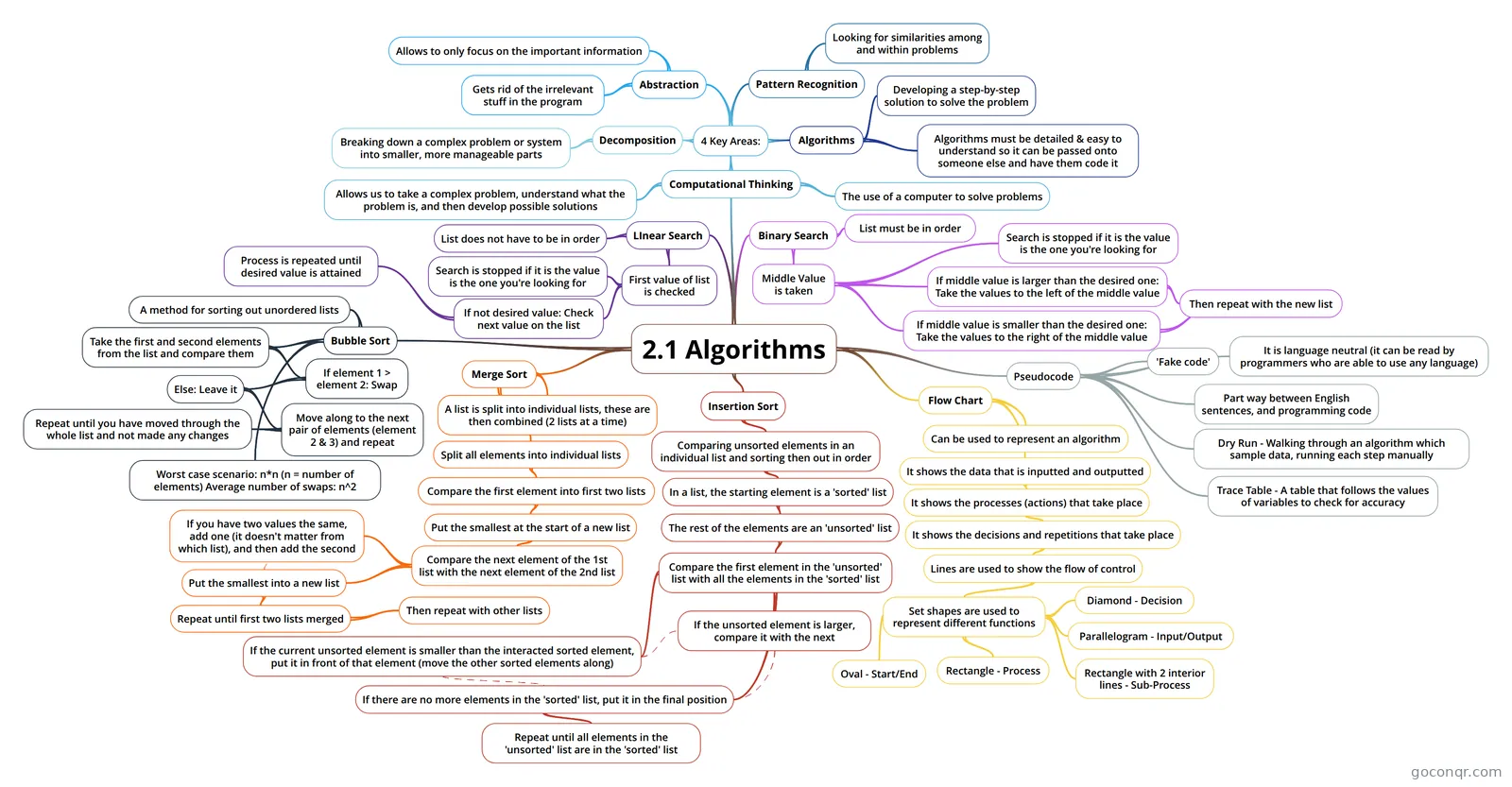 Mind map 2.1 Algorithms
-
Mind map Problem Solving
-
24 cardsSorting
-
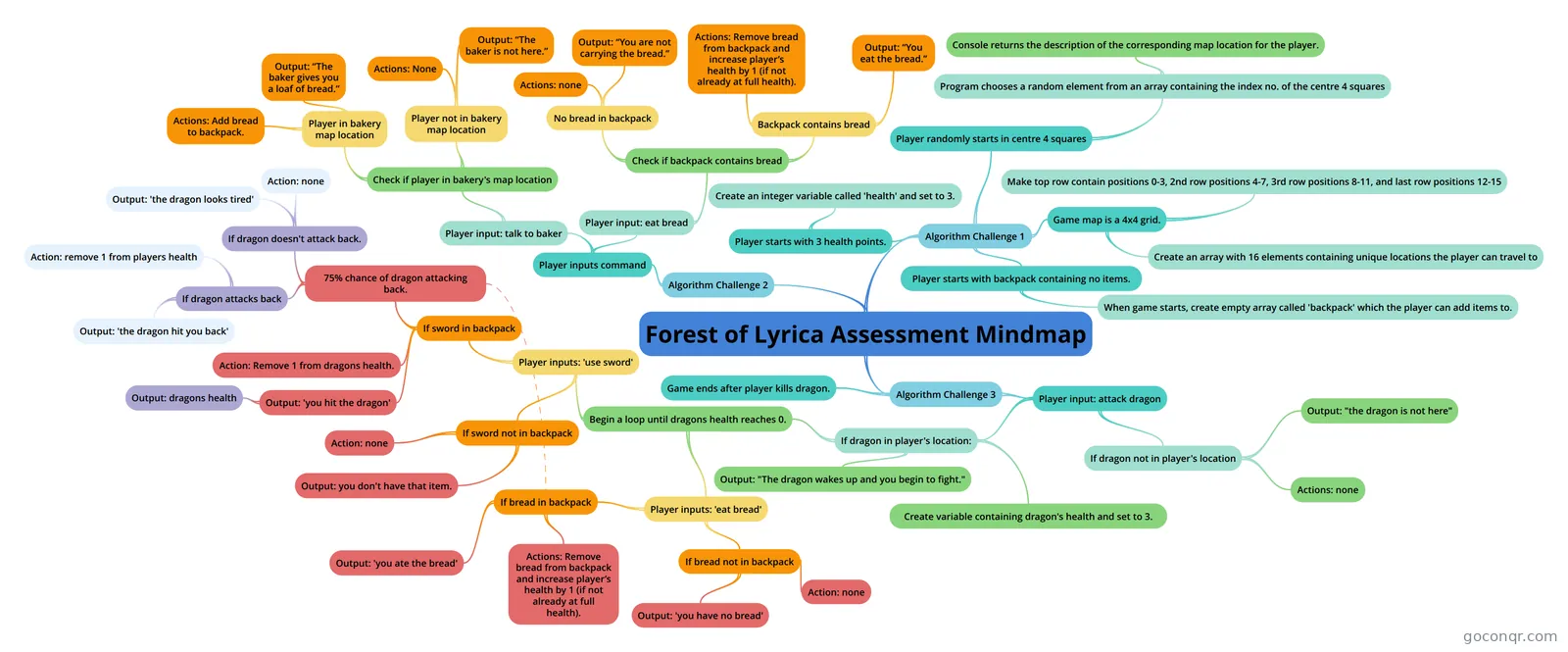 Mind map Forest of Lyrica Assessment Mindmap f
-
9 questions16. Greedy Algorithm (Huffman code) What is the greedy algorithm(the 3 steps) to create an encoding tree to compress files?
-
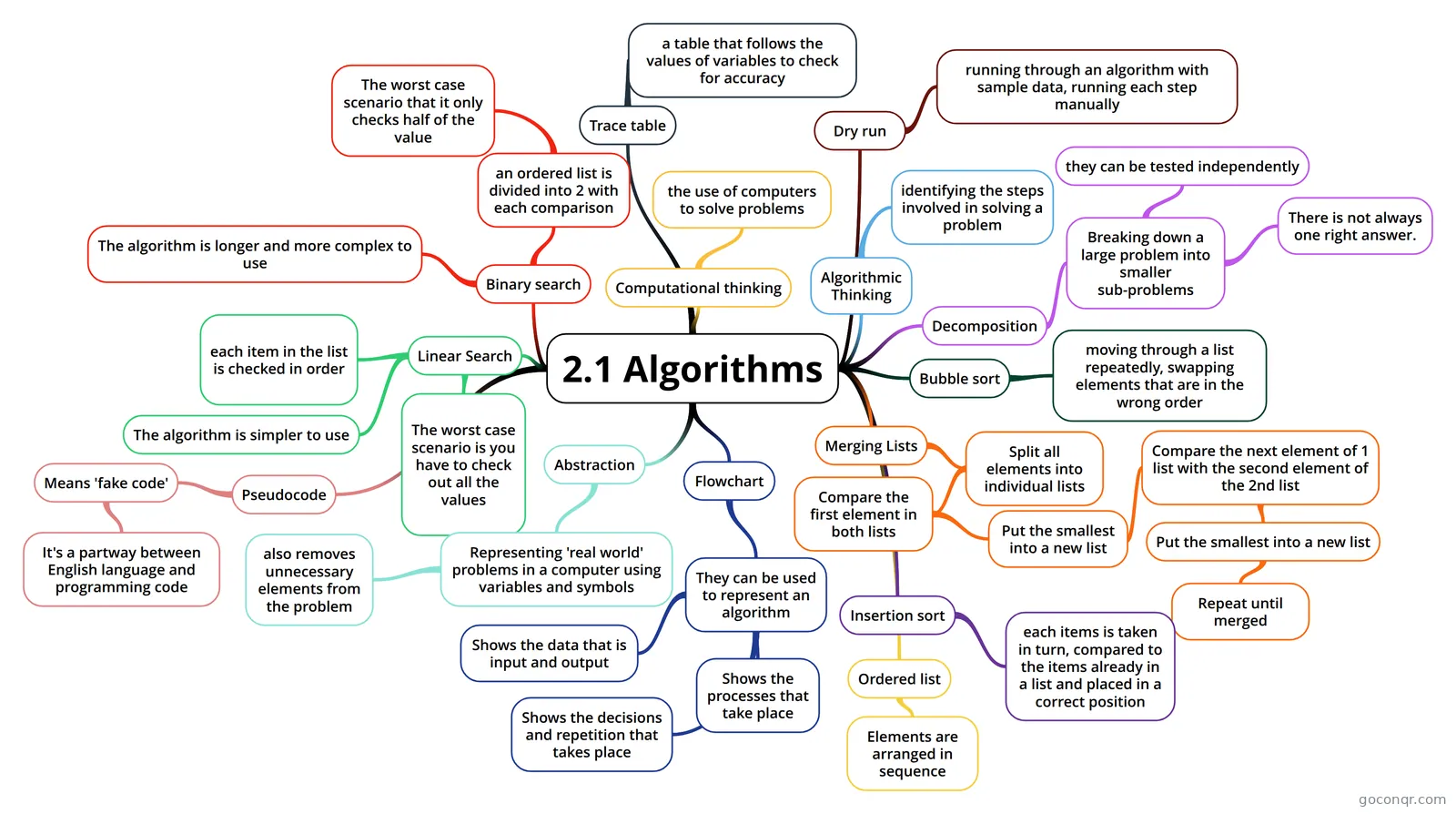 Mind map 2.1 Algorithms
-
9 cardsRange Minimum Query Define the Range Minimum Query Problem i.e what does an RMQ return?
Quizzes
See all 12 quizzes-
9 questions16. Greedy Algorithm (Huffman code) What is the greedy algorithm(the 3 steps) to create an encoding tree to compress files?
-
5 questionsAlgorithm and Flowchart test An algorithm is a series of steps to solve a problem or carry out a task.
-
24 questionsComputing Quiz 1 A trace table is a way of identifying any...
-
15 questions6. Algorithm Intro Algorithms and Data Structures | Test 3 Review | CSCI-3110-002 MTSU
-
10 questionsSorting Algorithms Describe Selection Sort
-
15 questions8. Algorithm Case Study Binary search works on both sorted and non-sorted arrays.
-
14 questionsComputing Quiz What pseudocode notation do we use?
-
6 questionsAlgorithms Algorithms are instructions to complete any type of tasks, from coding to cooking.
Mind maps
See all 38 mind maps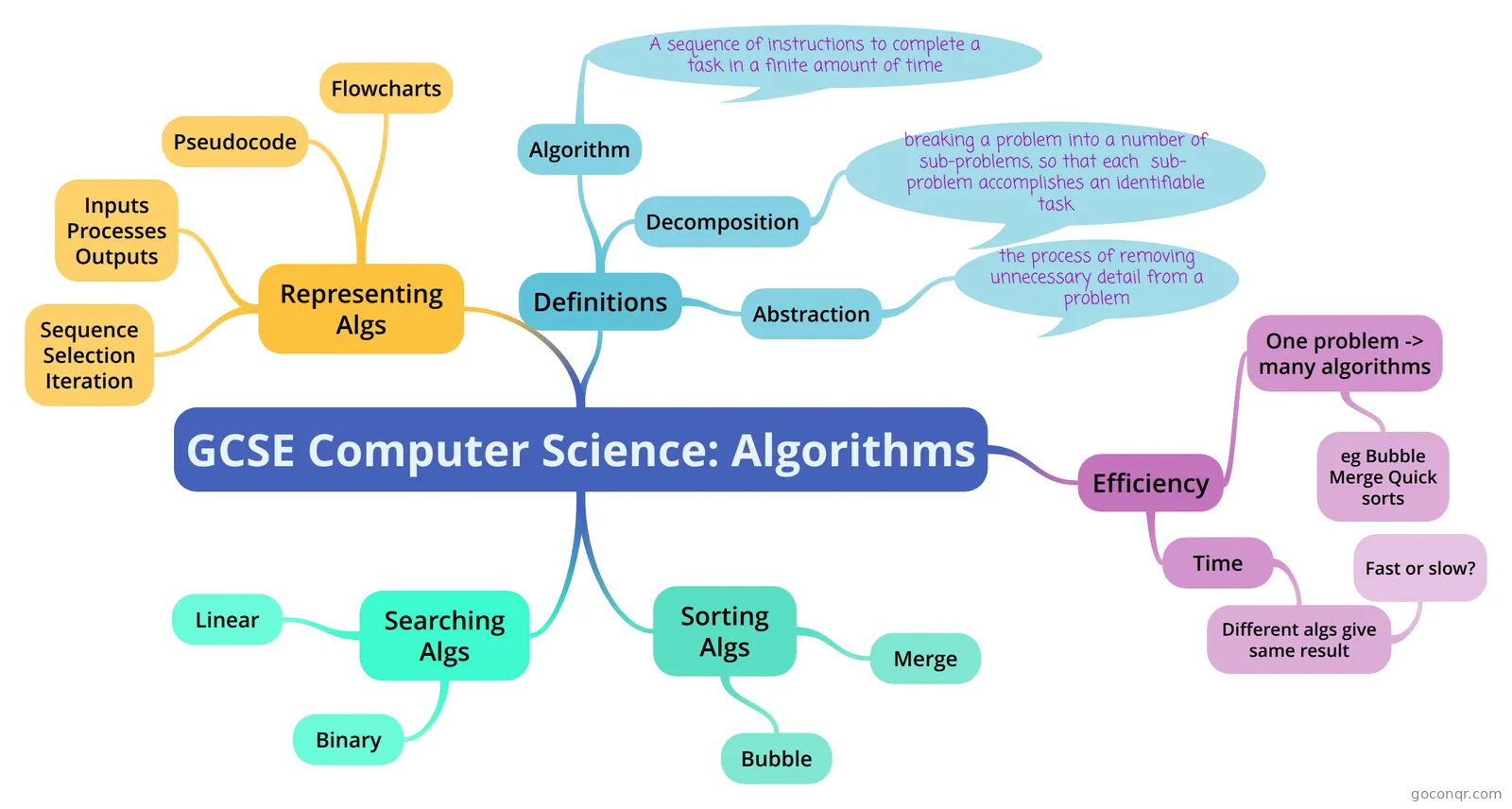
Flashcards
See all 39 flashcards-
24 cardsSorting
-
9 cardsRange Minimum Query Define the Range Minimum Query Problem i.e what does an RMQ return?
-
12 cardsAlgorithms flashcards Week two homework
-
5 cardsFlowchart Symbols Flashcards to represent the meanings and the different symbols in flowcharts. Set by Mr. Remedio.
-
5 cardsFlow charts What does this flow chart symbol mean?
-
4 cardsFLOWCHART THE BEST ONE IN THE CLASS YOU'RE WELCOME
-
4 cardsFlowchart Symbols
-
59 cardsComputer Science GSCE questions What is an algorithm?
Flowcharts
See all 21 flowcharts-
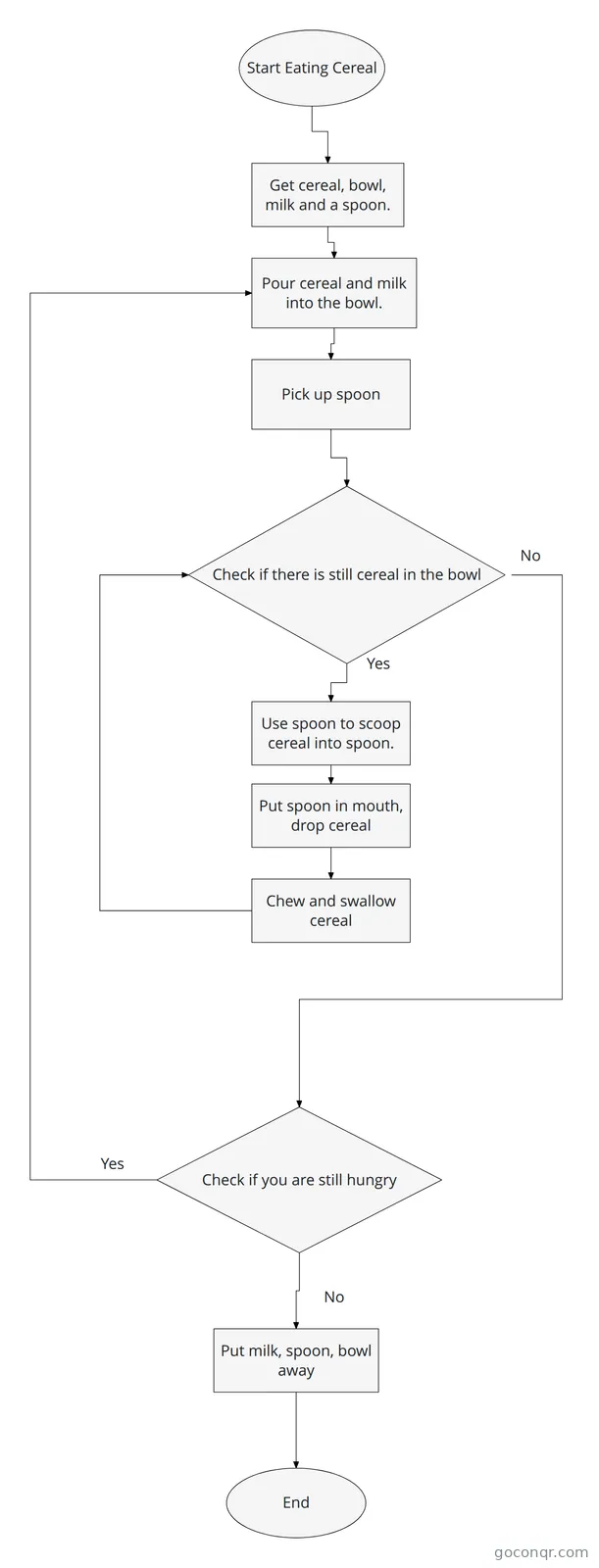 Eating a Bowl of Cereal Flow Chart - Writing Algorithms -A rectangle for an action that happens one time -An oval for start and end -A rhombus (diamond) for a ques...
-
Traffic Lights Flowchart by Finn and Fin A flow chart about Traffic Lights
-
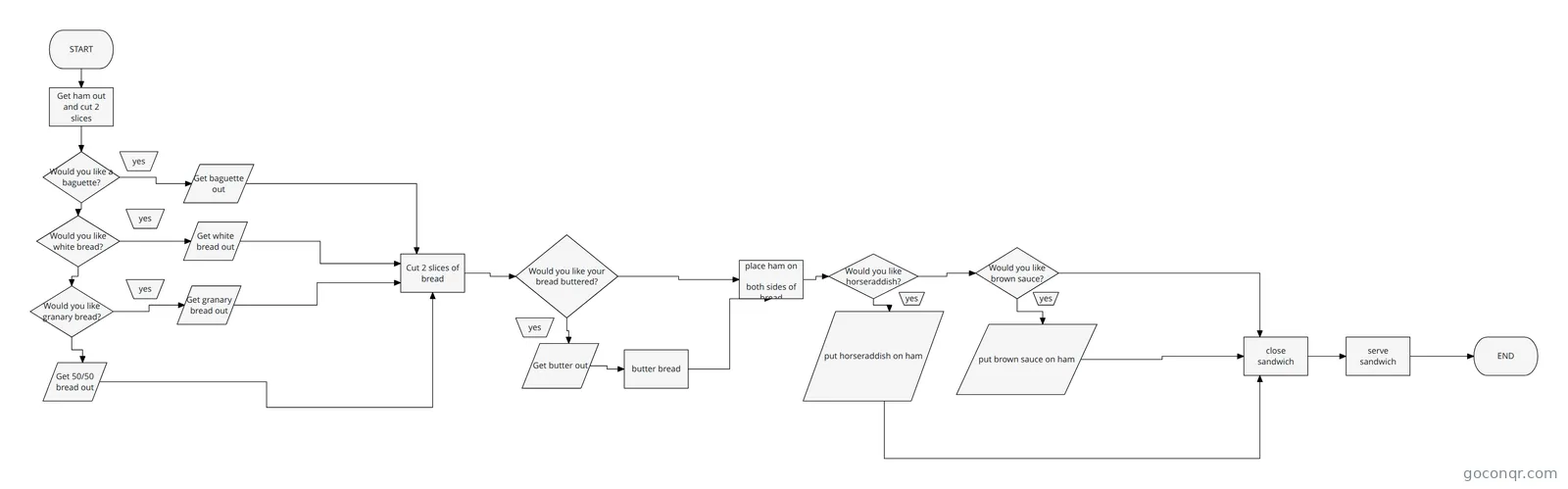 Ham Sandwich How to make a ham sandwich
-
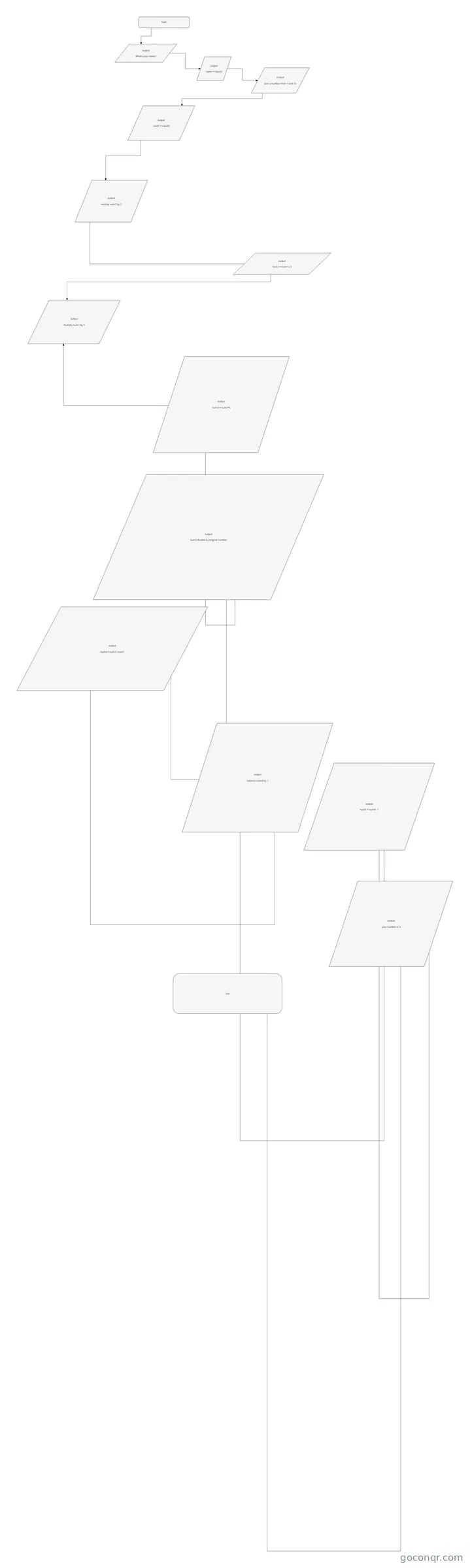 Mind-reading maths trik i read ur mind with mah trik
-
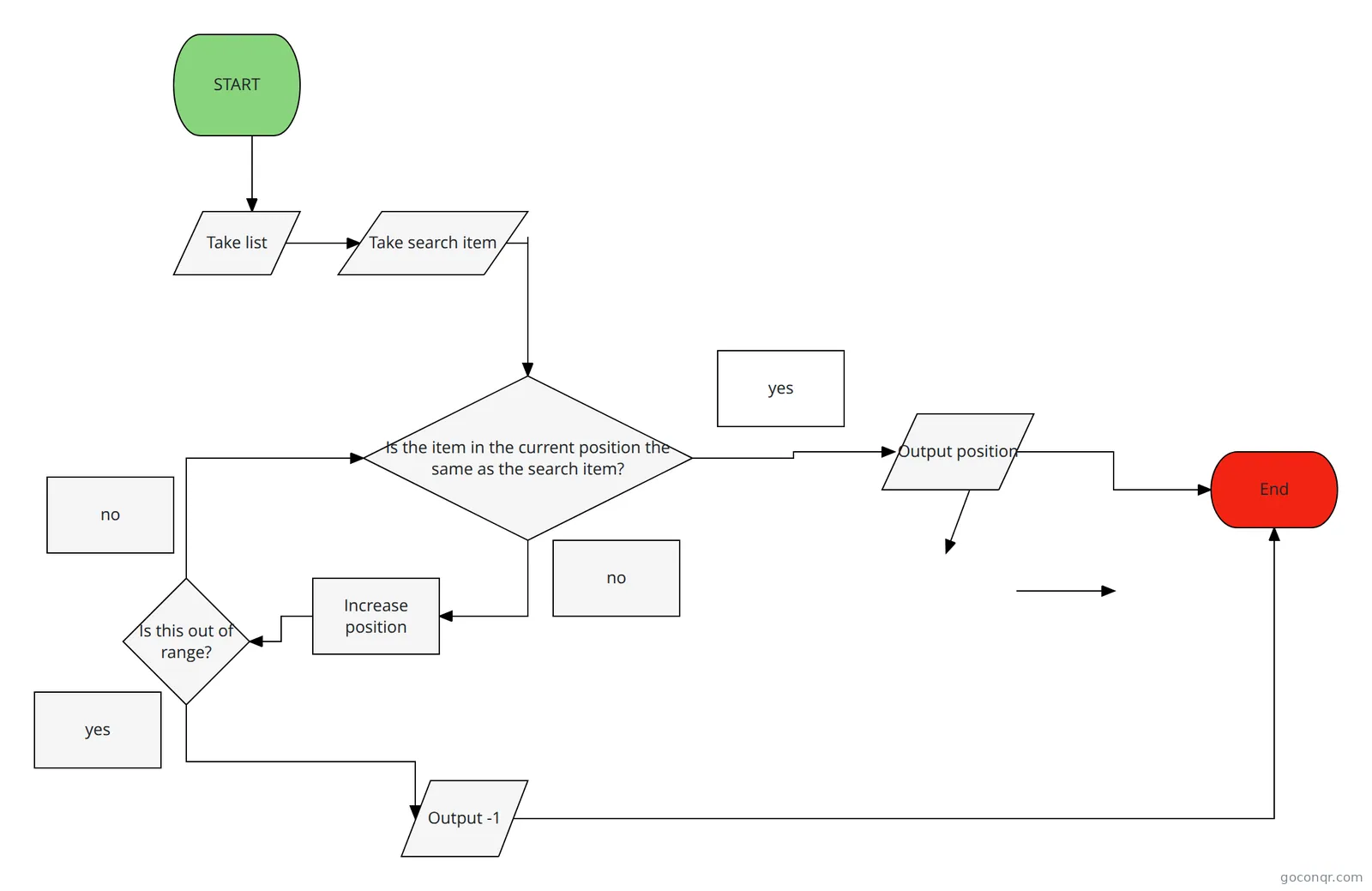 linear search sfdgsfgsfgsegsfgsfgsdfgvcbszsdfwfdzscvzcv yes
-
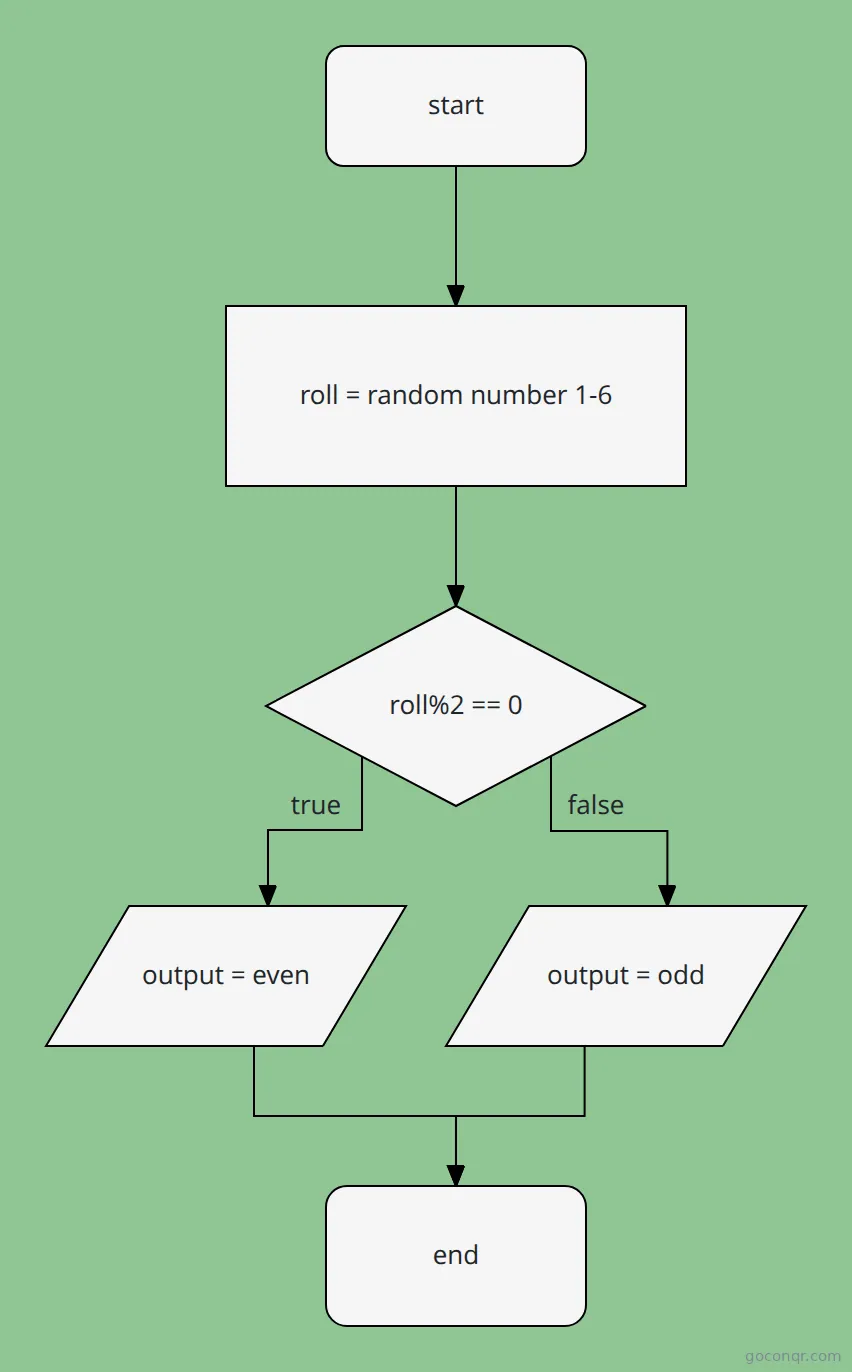 dice roll flowchart for dice roll 19/09/2022 edit for homework odd or even
-
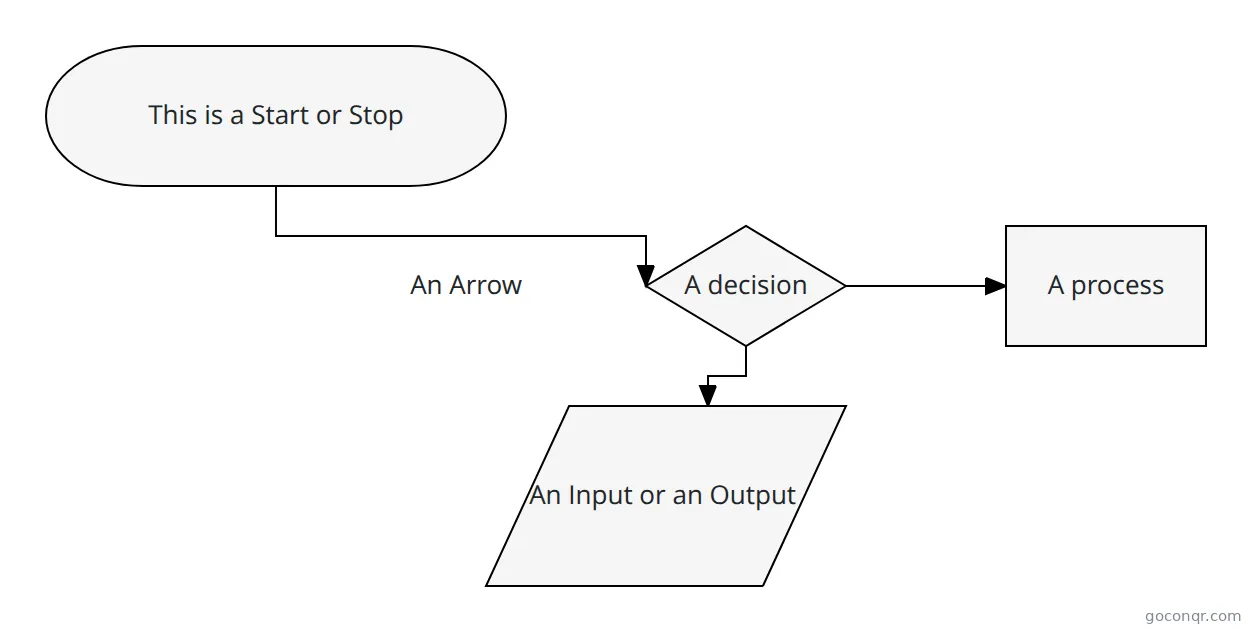 Flow Chart symbols Flowchart symbols
-
my flowchart
Notes
-
CS 2420 Sorting
-
AMORTIZED ALGORITHMS AND THEIR ANALYSIS AMORTIZED ALGORITHMS Algorithms are quantitative techniques to analyze the solution. It may range from analyzing an ant's path to the analysis of the effective distance travelld by the earth INTRODUCTIONS
-
Analysis Of Algorithms
-
Video Revision Videos on AlgorithmsSome videos to help you revise - watch, make notes, test yourself! Searching Logic Gates
-
WEEK ONE NOTES FROM SUGGESTED READINGS WEEK ONE Cormen, Leiserson, Rivest, and Stein, Introduction to Algorithms (3rd edition) Chapters 1-4
Slides
More Computing and ICT (programming, computer science, digital skills, educational technology) topics
About Algorithms
GoConqr OriginalWhat this page covers
The unit sits in the Programming strand of Computing and ICT. Much of it follows the GCSE Computer Science and GCSE Computing style of topic, with some A-level Computer Science, AP Computer Science Principles and university-level algorithm material alongside.
- Computational thinking: mind maps list the four elements: decomposition, pattern recognition, abstraction and algorithmic thinking.
- Representing algorithms: pseudocode, flowcharts, and inputs, processes and outputs.
- Searching and sorting: linear and binary search, bubble and insertion sort, and sorting quizzes.
- Efficiency and harder topics: Big-O, time complexity, greedy algorithms, backtracking, branch and bound, and graph searches.
Where to start
Begin with the mind map GCSE Computer Science: Algorithms. It links representing algorithms, efficiency, searching and sorting in one view. Then open the mind map 2.1 Algorithms for the computational thinking basics.
Next, learn the shapes used in flowcharts. The Flowchart Symbols flashcards cover the terminator, flow line, input/output, process and decision. Try the flowcharts Ham Sandwich, dice roll and linear search to see symbols at work.
Using quizzes and maps together
Read a mind map first, then take a quiz on the same topic. The Algorithm and Flowchart test suits the early stage. Bubble and Insertion sort is a good map to read before the Sorting Algorithms quizzes. Any question you miss tells you which branch to reread.
For university students, the quiz on greedy algorithms and Huffman code, the Range Minimum Query flashcards and the slides on Dijkstra's Shortest Path Algorithm go further. The Dijkstra vs A* Algorithm slides compare two route-finding methods.
Making it your own
Revise in short rounds: one map, one flashcard deck, one quiz. Teachers can pick a flowchart or a set of key term flashcards to use with a class.
When you are ready, choose a topic above and make your own flashcards from what you found hardest.
Frequently asked questions
Which resource should I open first?
Start with the mind map GCSE Computer Science: Algorithms. It covers definitions, decomposition, abstraction, pseudocode, flowcharts, efficiency, searching and sorting in one place. After that, try the Algorithm and Flowchart test to see which parts you remember and which need another look.
Are the resources free to use?
Yes. Every resource on this page is free to open, study and take, with no account needed. A free account also saves your quiz scores and lets you make your own quizzes, mind maps, flashcards and notes.
Which exams and levels do these resources suit?
Most are at secondary level, and the listed resources mention GCSE Computer Science, GCSE Computing, A-level Computer Science and AP Computer Science Principles. Some material is university level, such as the Range Minimum Query flashcards and the Dijkstra slides.
What do the mind maps cover?
The mind maps cover computational thinking, algorithm constructs, searching algorithms, algorithm efficiency and sorting. Examples include Bubble and Insertion sort, Searching Algorithms and Algorithm Efficiency. There are over 700 mind maps, so you can compare several explanations of the same topic.
How can I practise flowcharts?
Learn the symbols with the Flowchart Symbols flashcards, then take the Flowchart Quiz. You can also read worked flowcharts such as Ham Sandwich, dice roll, linear search and Traffic Lights Flowchart by Finn and Fin. Then draw one of your own.
Who made these resources?
They were made by GoConqr users, not by GoConqr. Over 1,100 contributors have added material here, so the style and depth vary. If a topic seems thin, try a nearby mind map or quiz, or make your own.