Mindmap
intro to ecology
Inhalt der Mindmap
intro to ecology
Organismal ecology
Population ecology
Community ecology
what determines the distribution and abundance of organism?
- abiotic factors
- temperature, precipitation, soil etc
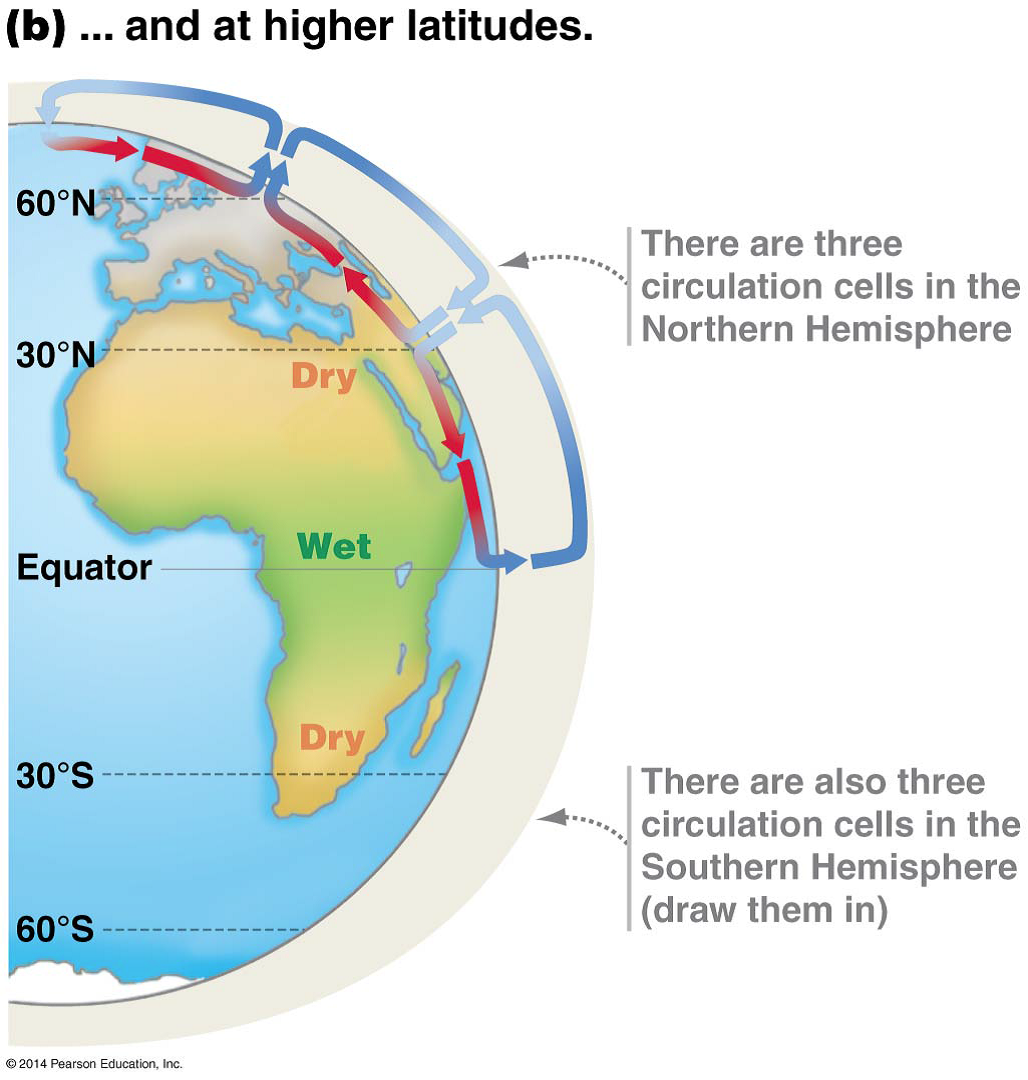
- global climate patterns
- temperature
- equator is hot; poles is cold
- precipitation
- Hadley cells
- rain shadow effects due to mountain and oceans
- Hadley cells
- seasonality
- temperature
- global climate patterns
- temperature, precipitation, soil etc
- biotic factors
- parasites, competition, symbiotic, predation etc
- past and present abiotic and biotic factors interact
- determine how global climate patterns influence biomes
- Terrestrial biomes
- Tropical wet forests
- high species diversity
- Subtropical deserts
- slow growth
- Temperate
- forests
- seasonal growth
- grassland
- seasonal growth
- forests
- Boreal forests (taiga) ; north canada..
- low productivity, high biomass
- Arctic tundra (permafrost)
- northen hemisphere arctic region
- low productivity
- northen hemisphere arctic region
- Tropical wet forests
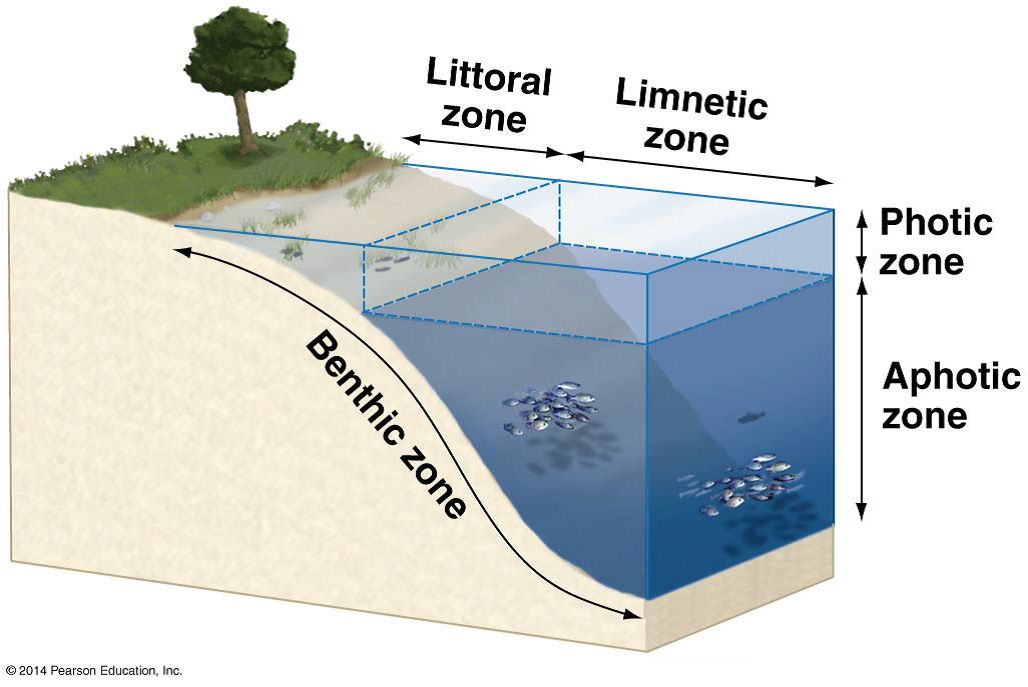
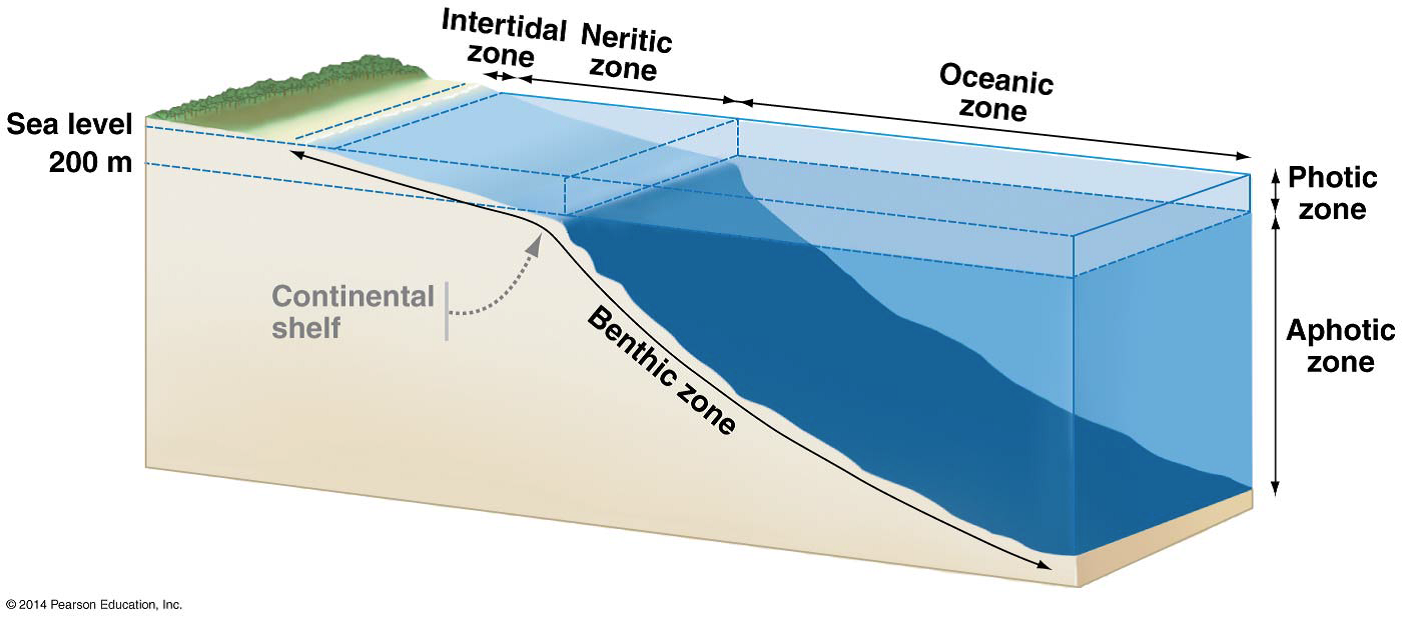
- Aquatic biomes
- Salinity
- Water depth
- wavelength
- photosynthesis
- wavelength
- Water turbidity
- cloudiness
- Water flow
- ocean upwelling
- lake turnover
- freshwater biomes
- lake, ponds
- wetlands
- streams ( creek, river)
- ocean biomess
- Estuary
- Terrestrial biomes
- influence present patterns
- dispersal ability
- wallace line
- dispersal ability
- influenced by human activities
- transport new species (exotic species which is non-native) to new location
- one who is invasive would eliminates natives
- (competes w/ native, prey on native, bring pathogens to native)
- one who is invasive would eliminates natives
- transport new species (exotic species which is non-native) to new location
- determine how global climate patterns influence biomes
- abiotic factors
Ecosystem ecology
Global ecology
the levels of ecological study