
Mindmap
Global Concerns
Inhalt der Mindmap
Global Concerns
Christian beliefs about the world
- To be used responsibly
- Resources enhance and enrich our lives
- We should take care not to damage or destroy things God made
- Made by God and precious
- The story of Creation
- To be good stewards
- Natural things have goodness
- To be taken care of
- Care for the environment
- Protect
- Sustainability
- Share fairly
- Preserve
- To be used responsibly
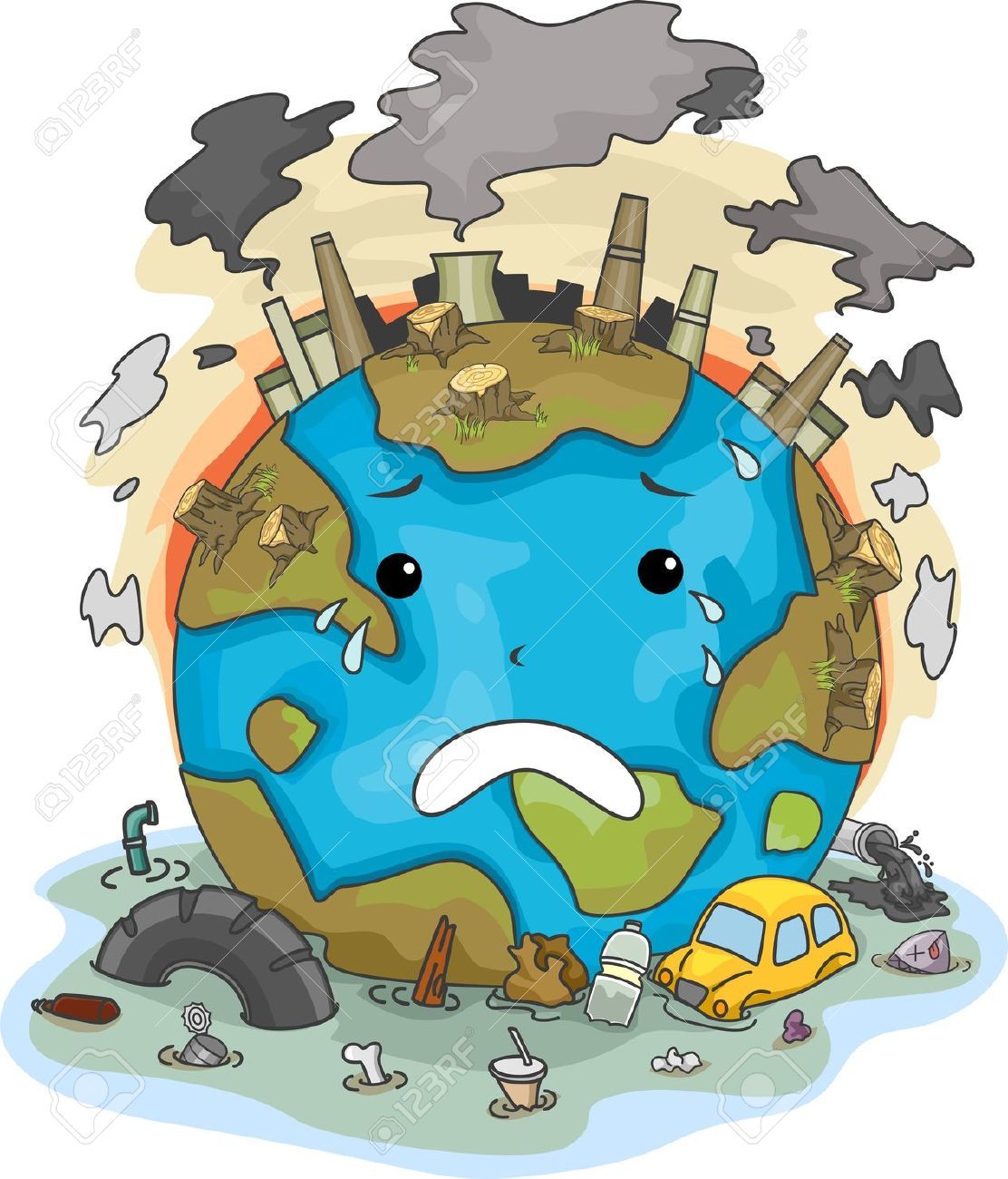
Environmental problems
- Serious and increasing problems
- Pollution
- Factories
- Incinerators
- Nuclear plants
- Cars
- Power plants
- Chemical plants
- Rivers
- Soil
- Habitat destruction
- Soil erosion
- Silting
- Landslides
- Tropical Rainforest deforestation
- Plants and wildlife destroyed
- Trees are the lungs of the earth and remove CO2
- Lost opportunity
- Species
- Medical cures
- Indigenous tribes
- Lost landscapes
- Abuse of natural resources
- Limited supplies quickly drained
- Resources become scarce
- Countries fight
- Technology destroys grasslands, forests and oceans
- Extinction of species
- Less variety
- Pollution
- Serious and increasing problems
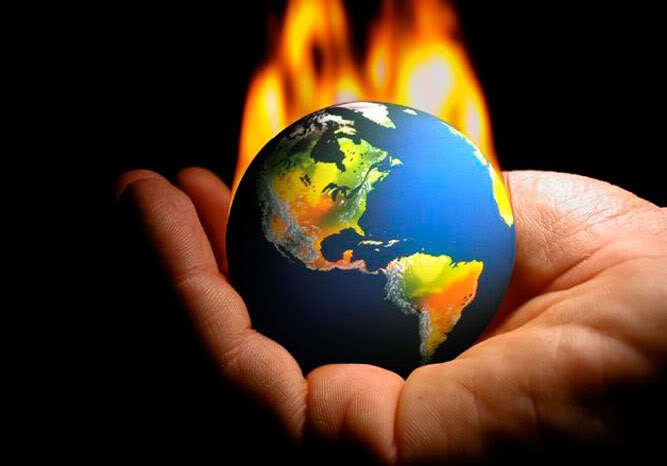
Climate change
- Atmosphere affected
- Long term changes in "average weather"
- Science says "The planet is changing... due to human activity"
- Storms
- Flooding
- Drought
- Wild fires
- Increase temperatures
- Increase wind
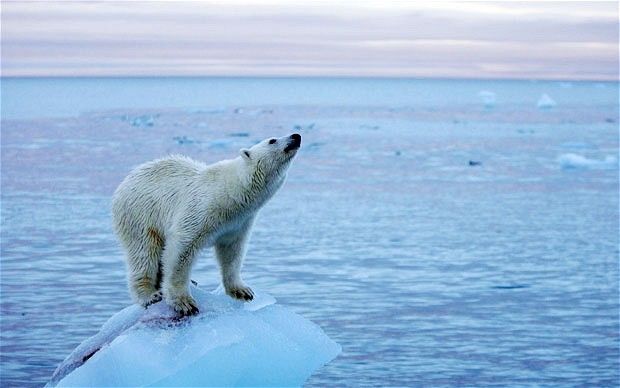
- Melting of polar ice caps
- Increased sea levels
- Long term changes in "average weather"
- Serious and increasing problems
- We can't stop it
- Poorest countries hit hardest
- Poor quality of life
- Water shortage
- Reduced crop yield
- Gases from burning = increase greenhouse gasses = increased gobal temperature = climate change
- Increased death rate of elderly and sick due to heat
- Atmosphere affected
National and international responses
- National responses
- Stern Report (2006)
- Climate change is/was real
- 1% of GDP to be spent to avoid effects of climate change
- Failure to do so will cause world economic hardship
- Humans are making things worse
- UK Government policies
- Encourage energy conservation and recycling
- Increasing tighter building regulations
- New builds to have loft and cavity wall insulation
- Support development of new greener car fuels
- Find non-carbon producing alternative energy
- Renewable
- Nucear
- Stern Report (2006)
- International responses
- EU 2020 targets
- Reduce carbon emissions to 20% below 1990 levels
- Have 20% of energy from renewable rescources
- Wind farms
- Solar power
- Greenhouse gas-friendly power stations
- Denmark achieves 20% of energy from windfarms
- Kyoto Protocol (1997)
- International Framework Convention on Climate Change
- The aim is to reduce greenhouse gasses by 5%
- Adopted on 11 December 1997. Came into force 2005
- 182 states had signed by 2008
- UK and Germany have reduced emissions
- USA, China and India have increased their emissions
- These countries have not signed the agreement
- Unless these countries agree to reduce emissions, little anyone else will help
- Earth Summits
- Rio de Janeiro (1992)
- To halt destruction of irreplaceable natural resources and pollution
- Christian attitudes to Earth Summits
- Joining ecological 'green' Christian organisations
- Own report
- Encouraging Christian and Church response
- The Pope had 2700 solar panels on the Vatican roof
- Cut personal carbon during lent
- EU 2020 targets
- National responses
Christian responses to environmental problems
- Simple living, respect life
- Don't waste rescources
- 1971: Anglican Church declares environmental abuse "blasphemy"
- Be good stewards
- Don't just see the problem as better management but as a moral crisis
- Look after creation
- Change lifestyle
- Be less greedy
- Earth Charter Movement
- Supported by over 2500 organisations
- 13 principals
- Evangelical views
- God's punishment of humanity for sin
- Noah
- Christians should prepare for the second coming of Jesus and final judgement, not stop climate problems
- The end of the world is coming
- Book of Apocalypse
- Environmental catastrophe = God's plan
- God's punishment of humanity for sin
- Simple living, respect life
Christian beliefs about respect for each other
- Love
- Compassion for others
- Parables
- People are important
- The Bible teaches us to love our neighbours as ourselves
- Respect
- The glory of God is a person fully alive
- The human person is sacred, unique, created by God in his own image
- Justice
- Respect others
- Christian teachings
- Human beings have a moral responsibility to help those in need
- God takes human actions really seriously
- Love for Jesus is shown through love and service to those less fortunate
- Loving your neighbour is an essential part of being a Christian
- Christianity is a religion where love for God is shown through deeds of practical, loving kindness
- Christians should
- Respect others
- Visit those who are sick or in prison
- Care for strangers
- Clothe and respect those who have lost everything
- Provide for the hungry and thirsty
- Follow Christian teachings to show love of God, obedience to Jesus and respect for human beings
- Love
Christians response to the need of the poor overseas
- Donate to charity
- CAFOD
- Christian Aid
- Trocaire
- Tearfund
- Periods of fasting or giving up something
- Campaign against exploitation
- Help others that are less fortunate
- Help those who are being exploited
- Support FAIRTRADE
- Oxfam
- Traidcraft
- Donate to charity
The causes of world poverty
- Trade barriers
- Unfair rules
- Bad government
- Corruption and mismanagment = poor decisions
- Health care
- Increased child mortality
- Environmental
- Natural disasters, crop destruction and disease
- Greed
- Rich countries abuse their positions and take more
- HIV/AIDS
- People die young, countries can't develop
- Conflict or War
- People flee, services suffer and War takes the resources
- Debt
- Increased borrowing and difficulties in repayment
- Poverty Cycle
- This is a cycle of decline
- Hunger
- Ill health
- Less food
- Less work
- This is a cycle of decline
- Trade barriers
A world divided
- Poverty
- 40,000 children starve to death daily
- Extreme poverty means living on less than 1 dollar a day
- 1 in 5 of the worlds population live in extreme poverty
- Extreme poverty means not meeting basic needs for survival such as: food, water, clothing, shelter, sanitation, education and health care
- Those born into poverty have reduced life expectancy
- Resource distribution
- World resources are not evenly shared
- Poor countries are known as LEDC's
- The richest 1% of people own 40% of the world's wealth
- 50% of the world's adults own 1% of world wealth
- Basic needs of the rich (R) and poor (P)
- These differ greatly
- Education
- P = Illiterate
- R = Free access to schools
- Food
- P = Food is scarce, expensive and malnutrition and disease exist
- R = Food is cheap, plentiful and people overeat and are obese
- Water
- P = Unsafe, scarce supplies = child deaths and collecting of water
- R = Good clean water easily avaible, taken for granted and are angry when the use of it is restricted
- Health
- P = Increased death rate before the age of 1. No drugs and no hospitals
- R = Free GP's/hospitals. Subsidised medicines
- Work
- P = Unsafe employment, low pay, low skill, no opportunities
- R = High income, job opportunities, safe working conditions, health and safety regulations and help for the unemployed
- Poverty
Individual and community responses
- Individual responses
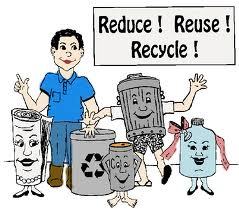
- Reduce, recycle and reuse
- Stop using plastic bags
- Say no to products with unnecessary packaging
- Turn appliances off
- Only turn taps on when you need water
- Insulate lofts and walls
- Use energy efficient bulbs
- Make less car journeys
- Buy local produce
- Walk or cycle
- No plane journeys
- Community responses
- Buy local produce
- No plane journeys
- Walk or cycle
- Christian responses
- Making church premises and gardens energy efficient
- Autumn workshops
- Radio discussions on climate change
- Raising money for solar pannels
- Make allotments
- Distribute fresh vegetables to neighbours
- Alternative services highlighting green issues
- Solar panels on roofs
- Contribute to the national grid
- There is only a short time left to do something
- Individual responses
Aid agencies
- Faith in action
- Support
- Educate
- Raise awareness
- Poster, leaflets, videos...
- Campaign to promote justice
- Raise awareness
- Provide emergency relief
- Shelters and food
- Long term aid for development
- Start-up investment
- Communities to help themselves
- Start-up investment
- Trocaire
- Christian Aid
- Tearfund
- CAFOD
- Faith in action
Bilder und Dateien der Mindmap


Informationen
- Beschreibung
- Mindmap am Global Concerns, erstellt von -Nick- am 14/08/2015.
- Erstellt von
- -Nick-
- Aufrufe
- 5
- Bewertung