
Mindmap
RAM memories
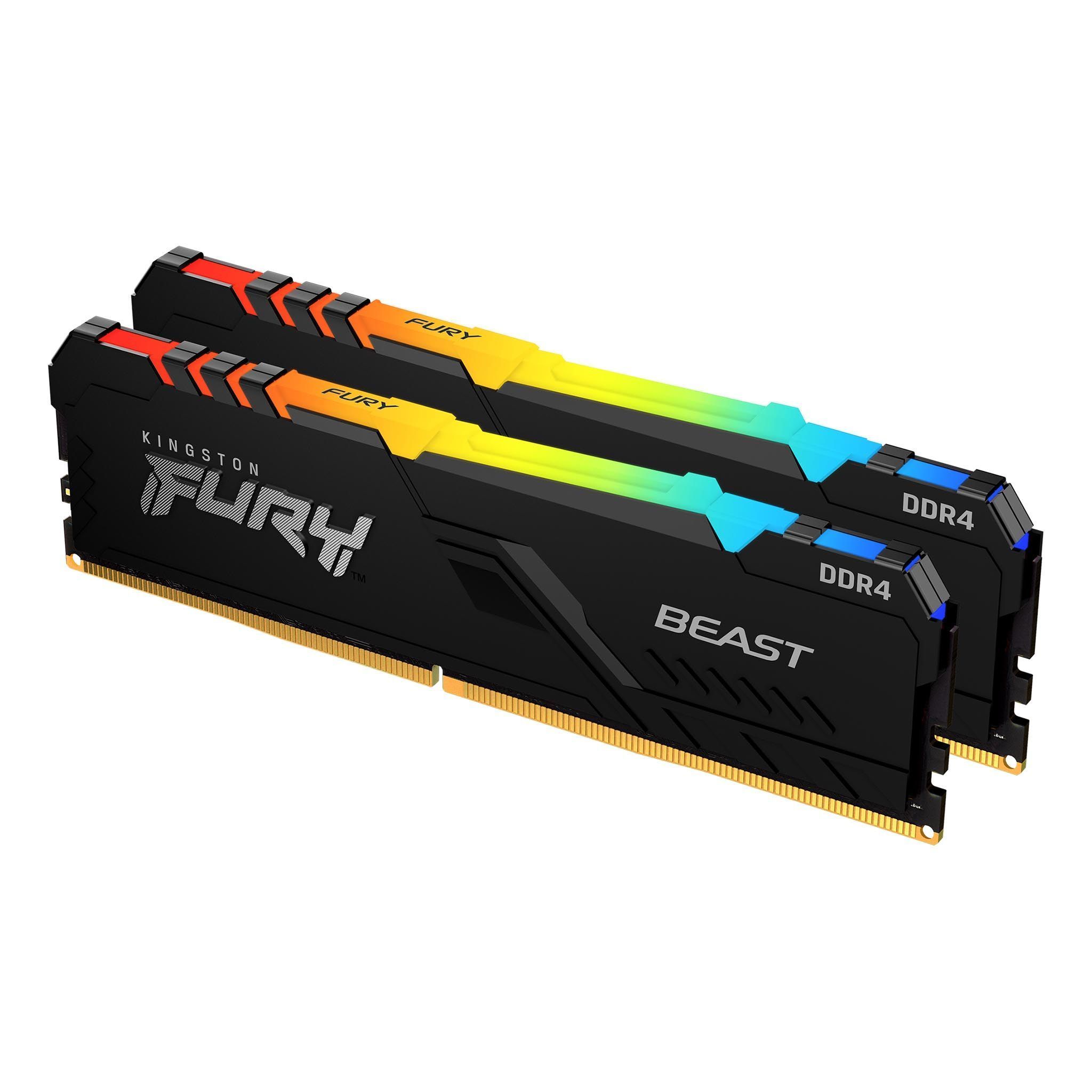
Inhalt der Mindmap
RAM memories
The first RAM memory was invented in 1947 by John von Neumann. He called it a "carousel"; he later called it "random access memory" as well.
- The history of RAM Memory begins between the years 1949 and 1952, when some of the first types of RAM with a magnetic core began to be developed and used.
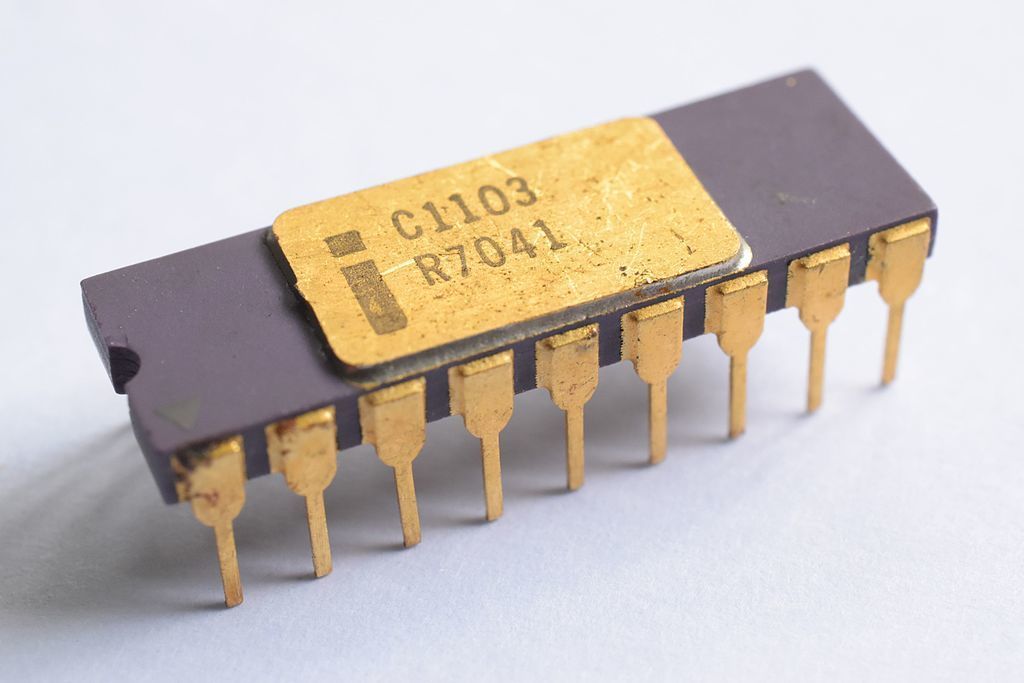
- In the 60s, RAM memories based on semiconductor chips would arrive, created by Intel, such as its 3101 chip. The following year, Intel would present DRAM, a new design that it used for the 1103
- In 1973 another innovation would arrive that allowed to miniaturize the DRAM chips and. This is the multiplexing of memory addresses. Something that MOSTEK launched with its MK4096.
- By the end of the 70s, these types of chips were used by most of the computers of the time, both in SIPP format, and later in SIMM, and DIMM/SODIMM, as we know them today.
- Dynamic RAM (DRAM) It was used from the early 70's to the 90's.
- It began to be used in 1990, we can still find it today in some devices
- Synchronous Dynamic RAM (SDRAM): Since 1993 until now it is used in PCs and consoles
- Single Data Rate Synchronous Dynamic RAM (SDR SDRAM): second generation of SDRAM, it began to be used in 1993 and continues today
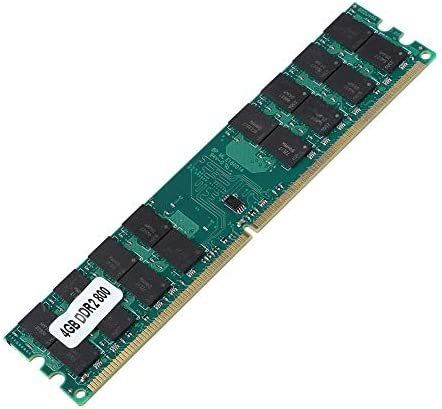
- Double Data Rate Synchronous Dynamic RAM (DDR SDRAM):This is the type of standard RAM since the year 2000, being the basis for the following generations: DDR2, DDR4 and DDR5
- Graphics Double Data Rate Synchronous Dynamic RAM (GDDR SDRAM): designed for video rendering in conjunction with a GPU on a graphics card, the latest versions are GDDR6 and GDDR6X
- RAM High Bandwidth Memory (HBM): created by AMD and SK Hynix, with Samsung currently replacing AMD, it is characterized by the enormous number of memory channels it supports, up to 8 different ones
- DDR4 SDRAM came to market in Q2 2014, focusing on ECC memory, while non-ECC DDR4 modules became available in Q3 2014, accompanying the release of Haswell-E processors that require DDR4 memory.
- DDR5 memory was first announced in 2012. but it hasn't come out until 2021
- DDR4 SDRAM came to market in Q2 2014, focusing on ECC memory, while non-ECC DDR4 modules became available in Q3 2014, accompanying the release of Haswell-E processors that require DDR4 memory.
- RAM High Bandwidth Memory (HBM): created by AMD and SK Hynix, with Samsung currently replacing AMD, it is characterized by the enormous number of memory channels it supports, up to 8 different ones
- Graphics Double Data Rate Synchronous Dynamic RAM (GDDR SDRAM): designed for video rendering in conjunction with a GPU on a graphics card, the latest versions are GDDR6 and GDDR6X
- Double Data Rate Synchronous Dynamic RAM (DDR SDRAM):This is the type of standard RAM since the year 2000, being the basis for the following generations: DDR2, DDR4 and DDR5
- Single Data Rate Synchronous Dynamic RAM (SDR SDRAM): second generation of SDRAM, it began to be used in 1993 and continues today
- Synchronous Dynamic RAM (SDRAM): Since 1993 until now it is used in PCs and consoles
- It began to be used in 1990, we can still find it today in some devices
- Dynamic RAM (DRAM) It was used from the early 70's to the 90's.
- By the end of the 70s, these types of chips were used by most of the computers of the time, both in SIPP format, and later in SIMM, and DIMM/SODIMM, as we know them today.
- In 1973 another innovation would arrive that allowed to miniaturize the DRAM chips and. This is the multiplexing of memory addresses. Something that MOSTEK launched with its MK4096.
- In the 60s, RAM memories based on semiconductor chips would arrive, created by Intel, such as its 3101 chip. The following year, Intel would present DRAM, a new design that it used for the 1103
- The history of RAM Memory begins between the years 1949 and 1952, when some of the first types of RAM with a magnetic core began to be developed and used.
Bilder und Dateien der Mindmap
Informationen
- Beschreibung
- Mindmap am RAM memories, erstellt von Joel Carrión Villatoros am 28/11/2022.
- Erstellt von
- Joel Carrión Villatoros
- Aufrufe
- 0
- Bewertung