Mindmap
cycle of mater
Inhalt der Mindmap
cycle of mater
carbon cycle
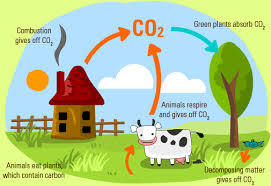
- All living things are made of carbon. Carbon is also a part of the ocean, air, and even rocks. Because the Earth is a dynamic place, carbon does not stay still.
- In the atmosphere, carbon is attached to some oxygen in a gas called carbon dioxide. Plants use carbon dioxide and sunlight to make their own food and grow. The carbon becomes part of the plant. Plants that die and are buried may turn into fossil fuels made of carbon like coal and oil over millions of years. When humans burn fossil fuels, most of the carbon quickly enters the atmosphere as carbon dioxide.
- In the atmosphere, carbon is attached to some oxygen in a gas called carbon dioxide. Plants use carbon dioxide and sunlight to make their own food and grow. The carbon becomes part of the plant. Plants that die and are buried may turn into fossil fuels made of carbon like coal and oil over millions of years. When humans burn fossil fuels, most of the carbon quickly enters the atmosphere as carbon dioxide.
- All living things are made of carbon. Carbon is also a part of the ocean, air, and even rocks. Because the Earth is a dynamic place, carbon does not stay still.
oxygen cycle
- Oxygen is an important element to life on Earth. It is the most common element of the human body. It makes up about 65% of the mass of the human body. Most of this is in the form of water (H2O). Oxygen also makes up about 30% of the Earth and 20% of the atmospher
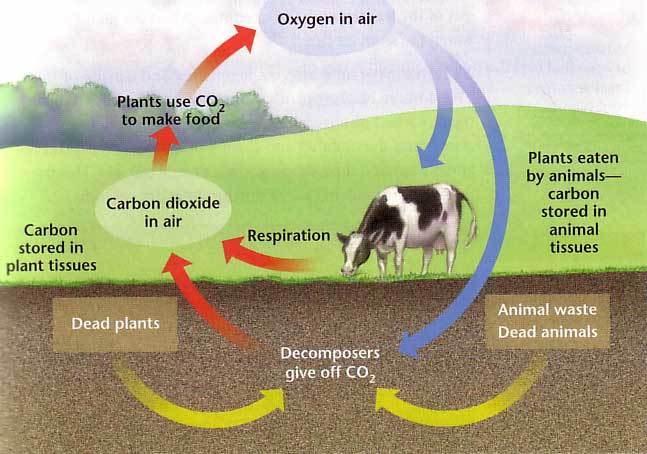
- Oxygen is constantly being used and created by different processes on planet Earth. All of these processes together make up the oxygen cycle. The oxygen cycle is interconnected with the carbon cycle. In the simple example of the oxygen cycle, the oxygen is used and cycled by plants and animals. Plants are the main creators of oxygen in the atmosphere through the process of photosynthesis. Here the tree uses sunlight and carbon dioxide to produce energy and releases oxygen. The giraffe breathes in the oxygen and then breathes out carbon dioxide. The plant can then use this carbon dioxide and the cycle is complete. Simple diagram of the oxygen cycle
- Oxygen is an important element to life on Earth. It is the most common element of the human body. It makes up about 65% of the mass of the human body. Most of this is in the form of water (H2O). Oxygen also makes up about 30% of the Earth and 20% of the atmospher
Nitrogen is one of the primary nutrients critical for the survival of all living organisms. Although nitrogen is very abundant in the atmosphere, it is largely inaccessible in this form to most organisms. This article explores how nitrogen becomes available to organisms and what changes in nitrogen levels as a result of human activity means to local and global ecosystems.
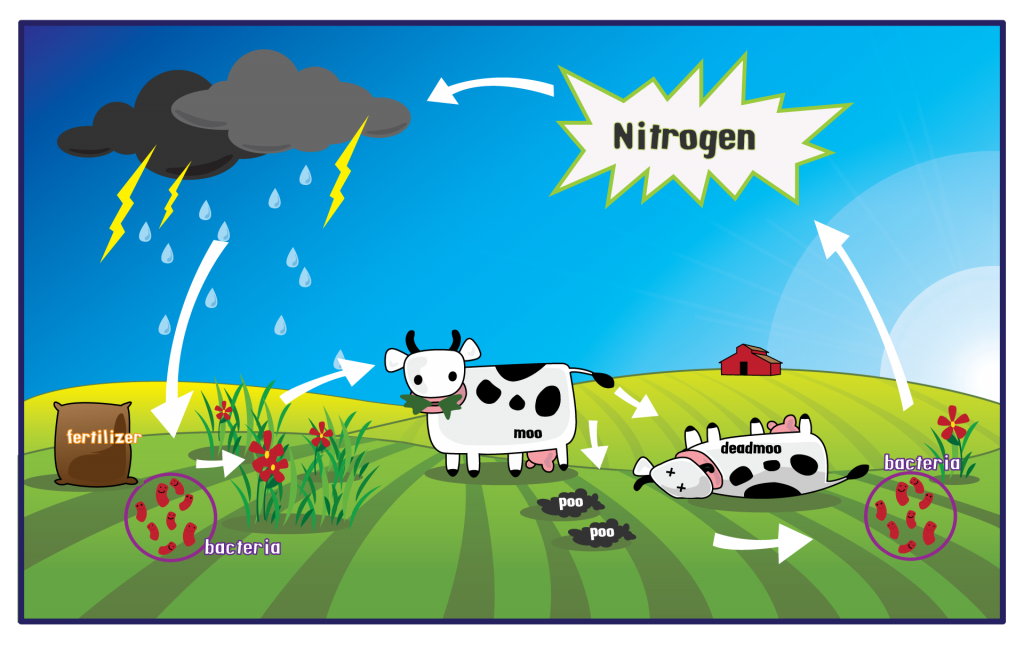
- Nitrogen is one of the primary nutrients critical for the survival of all living organisms. It is a necessary component of many biomolecules, including proteins, DNA, and chlorophyll. Although nitrogen is very abundant in the atmosphere as dinitrogen gas (N2), it is largely inaccessible in this form to most organisms, making nitrogen a scarce resource and often limiting primary productivity in many ecosystems. Only when nitrogen is converted from dinitrogen gas into ammonia (NH3) does it become available to primary producers, such as plants. In addition to N2 and NH3, nitrogen exists in many different forms, including both inorganic (e.g., ammonia, nitrate) and organic (e.g., amino and nucleic acids) forms. Thus, nitrogen undergoes many different transformations in the ecosystem, changing from one form to another as organisms use it for growth and, in some cases, energy. The major transformations of nitrogen are nitrogen fixation, nitrification, denitrification, anammox, and ammonific
- Nitrogen is one of the primary nutrients critical for the survival of all living organisms. It is a necessary component of many biomolecules, including proteins, DNA, and chlorophyll. Although nitrogen is very abundant in the atmosphere as dinitrogen gas (N2), it is largely inaccessible in this form to most organisms, making nitrogen a scarce resource and often limiting primary productivity in many ecosystems. Only when nitrogen is converted from dinitrogen gas into ammonia (NH3) does it become available to primary producers, such as plants. In addition to N2 and NH3, nitrogen exists in many different forms, including both inorganic (e.g., ammonia, nitrate) and organic (e.g., amino and nucleic acids) forms. Thus, nitrogen undergoes many different transformations in the ecosystem, changing from one form to another as organisms use it for growth and, in some cases, energy. The major transformations of nitrogen are nitrogen fixation, nitrification, denitrification, anammox, and ammonific