
Mindmap
Endothermic Reactions By Sarah Arnold
Inhalt der Mindmap
Endothermic Reactions By Sarah Arnold
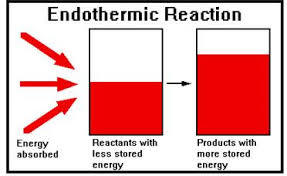
In thermodynamics, the term endothermic process describes a process or reaction in which the system absorbs energy from its surroundings; usually, but not always, in the form of heat.
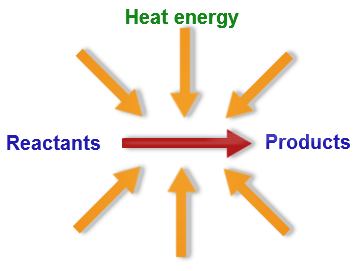
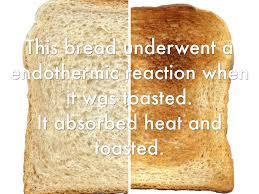
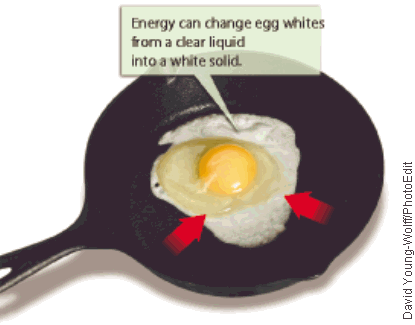
- These are reactions that take in energy from the surroundings. The energy is usually transferred as heat energy, causing the reaction mixture and its surroundings to get colder. The temperature decrease can also be detected using a thermometer.
- Some examples of endothermic reactions are electrolysis, the reaction between ethanoic acid and sodium carbonate and the thermal decomposition of calcium carbonate in a blast furnace.
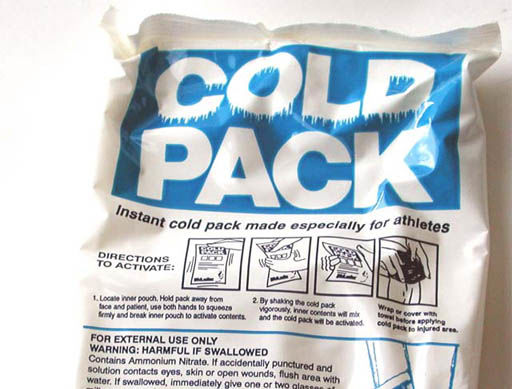
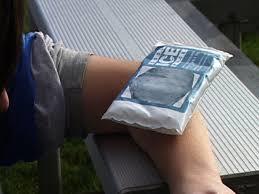
- Endothermic reactions can be used for everyday purposes. For example, certain sports injury cold packs use endothermic reactions.
- Some examples of endothermic reactions are electrolysis, the reaction between ethanoic acid and sodium carbonate and the thermal decomposition of calcium carbonate in a blast furnace.
- These are reactions that take in energy from the surroundings. The energy is usually transferred as heat energy, causing the reaction mixture and its surroundings to get colder. The temperature decrease can also be detected using a thermometer.
In reversible reactions, the reaction in one direction will be exothermic and the reaction in the other direction will be endothermic.
- The decomposition of ammonium chloride is a reversible reaction. Ammonium chloride decomposes when it is heated, so the forward reaction is endothermic - energy must be transferred from the surroundings for it to happen. The backward reaction is exothermic - energy is transferred to the surroundings when it happens.
- The reaction between anhydrous copper sulfate and water is reversible. Water is driven off from hydrated copper sulfate when it is heated, so the forward reaction is endothermic - energy must be transferred from the surroundings for it to happen.
- The backward reaction is exothermic - energy is transferred to the surroundings when it happens. This is easily observed. When water is added to anhydrous copper sulfate, enough heat is released to make the water bubble and boil.
- The reaction between anhydrous copper sulfate and water is reversible. Water is driven off from hydrated copper sulfate when it is heated, so the forward reaction is endothermic - energy must be transferred from the surroundings for it to happen.
- The decomposition of ammonium chloride is a reversible reaction. Ammonium chloride decomposes when it is heated, so the forward reaction is endothermic - energy must be transferred from the surroundings for it to happen. The backward reaction is exothermic - energy is transferred to the surroundings when it happens.
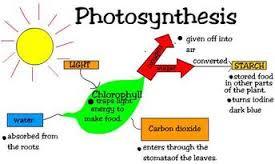
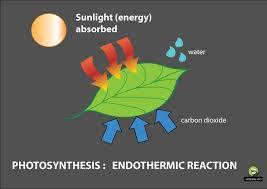
The concept is frequently applied in physical sciences to, for example, chemical reactions, where thermal energy (heat) is converted to chemical bond energy.
- The term was coined by Marcellin Berthelot from the Greek roots endo-, derived from the word "endon" (ἔνδον) meaning "within" and the root "therm" (θερμ-) meaning "hot."
- The large majority of chemical reactions are exothermic. Exothermic reactions give out heat to their surroundings.
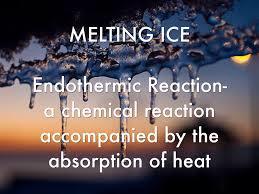
- Breaking bonds (overcoming the force of attraction) requires energy. You have to put heat in - it is endothermic. This is why melting and boiling are endothermic.
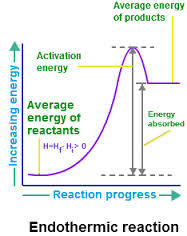
- If you have to put in more energy than you get out, then the reaction is endothermic.
- An endothermic reaction occurs when a greater amount of energy is required to break the existing bonds in the reactants than is released when the new bonds form in the products.
- In other words, this means an endothermic reaction requires or takes in energy in order for it to proceed. The energy that is required by the reaction to move forward can be in many forms, but it is typically in the form of heat.
- The large majority of chemical reactions are exothermic. Exothermic reactions give out heat to their surroundings.
- The term was coined by Marcellin Berthelot from the Greek roots endo-, derived from the word "endon" (ἔνδον) meaning "within" and the root "therm" (θερμ-) meaning "hot."
Bilder und Dateien der Mindmap



Informationen
- Beschreibung
- Mindmap on Endothermic Reactions!
- Erstellt von
- Sarah Arnold
- Aufrufe
- 51
- Tags
- Bewertung