Mindmap
PBL Session 1: Daniel Escobar- Learning Issues
Inhalt der Mindmap
PBL Session 1: Daniel Escobar- Learning Issues
Heart Anatomy & Physiology
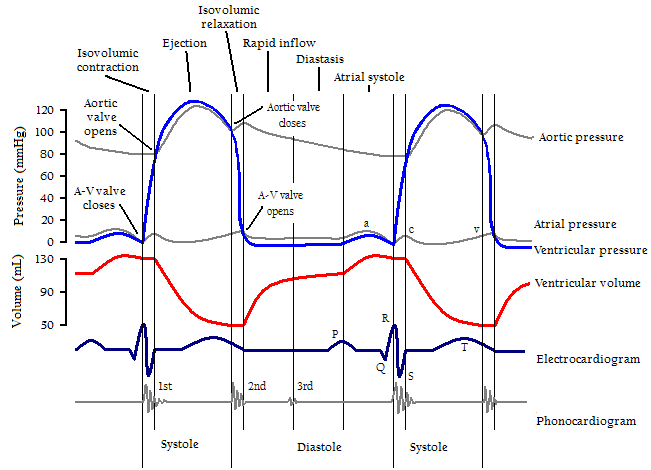
- Diastolic
- the lower of the two numbers, measures the pressure in the arteries between heartbeats (when the heart muscle is resting between beats and refilling with blood)
- the part of the cardiac cycle when the heart refills with blood following systole
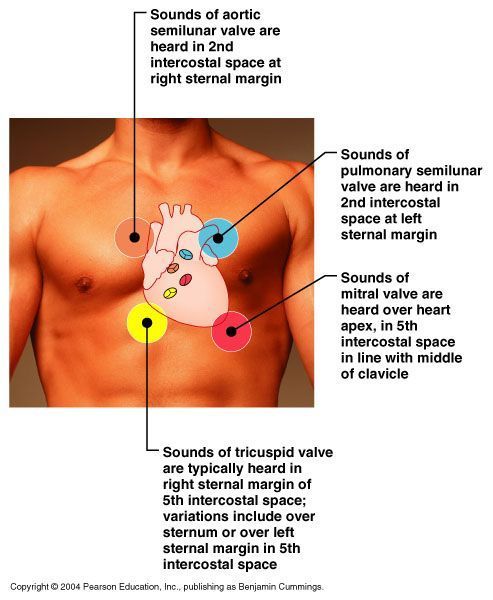
- S2 Dub
- beginning of ventricular diastole; semilunar valves close
- the left ventricle empties, its pressure falls below the pressure in the aorta. Aortic blood flow quickly reverses back toward the left ventricle, catching the pocket-like cusps of the aortic valve, and is stopped by aortic valve closure; Same with pulmonary
- beginning of ventricular diastole; semilunar valves close
- Systolic
- part of the cardiac cycle when the ventricles contract
- The top number, which is also the higher of the two numbers, measures the pressure in the arteries when the heart beats (when the heart muscle contracts).
- S1 Lub
- Beginning of Systole; atrioventricularvalves close
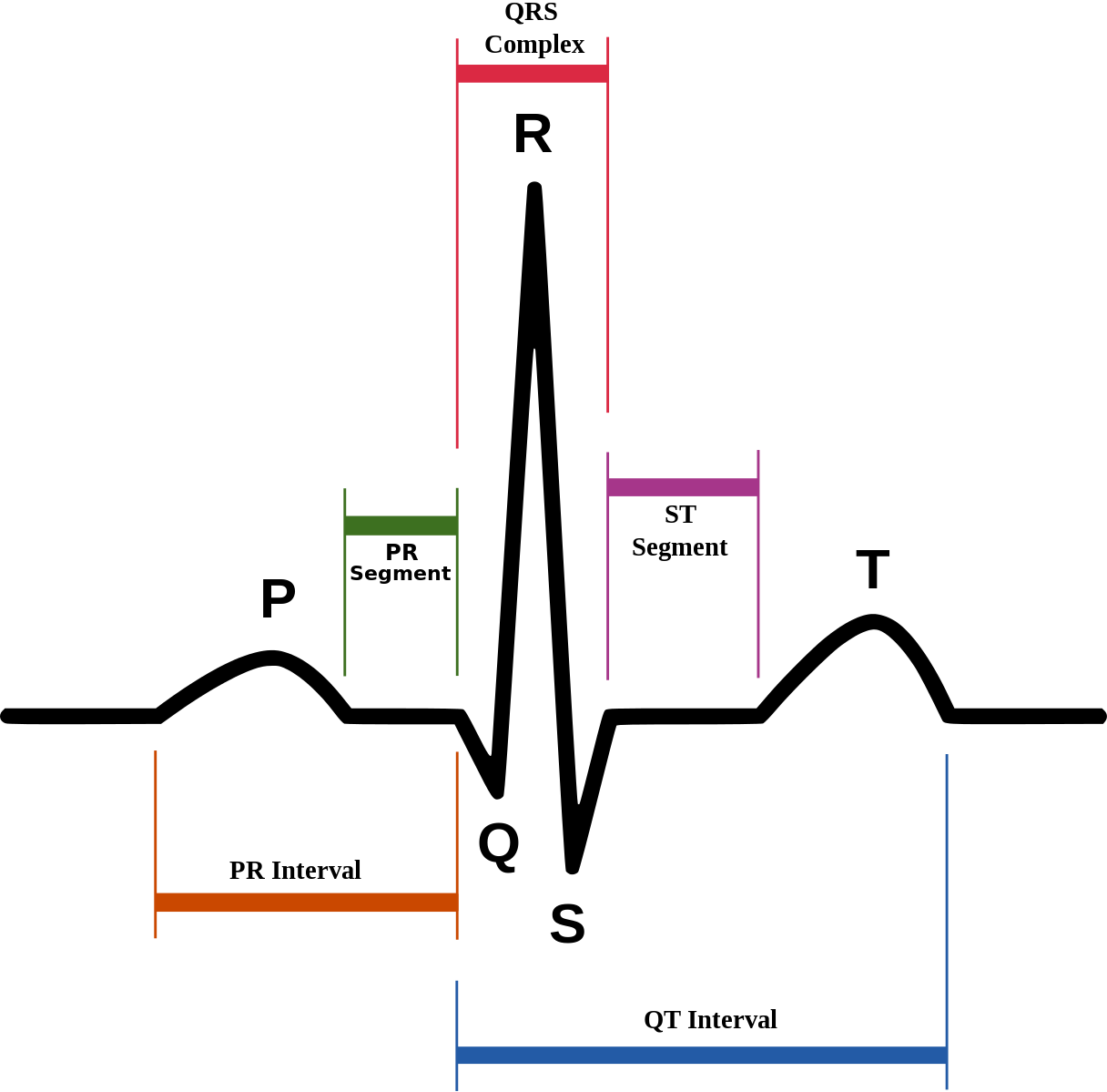
- QRS Complex
- P Wave; atrial depolarization
- QRS Wave; complex indicates ventricular depolarization which triggers contraction of the ventricles
- T Wave; repolarization of the ventricles
- QRS Wave; complex indicates ventricular depolarization which triggers contraction of the ventricles
- P Wave; atrial depolarization
- Diastolic
Murmurs
- extra or unusual sound during heartbeat
- Causes (Click on Notes)
- congenital heart defects
- Congenital heart defects can involve the interior walls of the heart, the valves inside the heart, or the arteries and veins that carry blood to and from the heart. Some babies are born with more than one heart defect. Heart valve problems, septal defects (also called holes in the heart), and diseases of the heart muscle such as hypertrophic cardiomyopathy are common heart defects that cause abnormal heart murmurs. A hole in the septum between the heart's two upper chambers is called an atrial septal defect. A hole in the septum between the heart's two lower chambers is called a ventricular septal defect. Hypertrophic cardiomyopathy (HCM) occurs if heart muscle cells enlarge and cause the walls of the ventricles (usually the left ventricle) to thicken. The thickening may block blood flow out of the ventricle. If a blockage occurs, the ventricle must work hard to pump blood to the body. HCM also can affect the heart’s mitral valve, causing blood to leak backward through the valve.
- acquired heart valve disease
- Acquired heart valve disease often is the cause of abnormal heart murmurs in adults. This is heart valve disease that develops as the result of another condition. Many conditions can cause heart valve disease. Examples include heart conditions and other disorders, age-related changes, rheumatic fever, and infections
- congenital heart defects
- Symptoms (Click on Note)
- Poor eating and failure to grow normally (in infants)Shortness of breath, which may occur only with physical exertionExcessive sweating with minimal or no exertionChest painDizziness or faintingA bluish color on the skin, especially on the fingertips and lipsChronic coughSwelling or sudden weight gainEnlarged liverEnlarged neck veins
- Tests (Click on Note)
- Echocardiography (Echo) EKG Chest XRay
- Treatment
- NEED TO FINISH TREATMENT & TESTS (WHAT TO LOOK FOR)
Vitals for 13 year old male
- ~100lbs
- 61.5 in
- Systolic 85-120 Diastolic 55-80
- 60-100 BPM
- 12-16