
Mindmap
bouncing baby boy 2
Inhalt der Mindmap
bouncing baby boy 2
Physical examinations
- upper body
- Head • Assess size, shape and symmetry. • Check distribution and character of hair and scalp. • Inspect sutures and fontanelles.
- Eyes • Inspect for pupillary size, equality, and reaction to light (using an ophthalmoscope). • Assess integrity of iris and test for ‘red reflex’. • Check for symmetry of eye movement’s and ability to fixate and follow. • Identify variations e.g. tearing, subconjunctival haemorrhage, hyper/ hypotelorism; cataract, discharge.
- Ears • Position o Structure including patency of the external auditory meatus • Well-formed cartilage
- Nose • Assess size, shape and position. • Check for nasal patency.
- Spine With baby prone palpate the vertebral column: • Inspect for signs of underlying deformities e.g. myelomeningocele • Inspect sacral area for possible sacral pit. (Noting a coccygeal pit is of no consequence).
- Arms and hands • Assess length for shortening. • Assess for symmetry and for full range of movement. • Inspect fingers for number, fusion or webbing.
- Abdomen • Inspect for symmetry and distension. • Palpate for presence of liver or spleen enlargement or masses. • Inspect umbilical cord for signs of separation and/or infection, hernia.
- Chest • Assess symmetry, shape, rib retraction. • Inspect breasts and nipples.
- Neck • Assess range of movement. • Palpate neck to identify lumps, swelling or webbing. • Inspect the clavicles for fractures.
- Mouth and palate • Check for symmetrical movement. • Inspect lips, gums, buccal surface, tongue and uvula. • Check hard and soft palates. • Ascertain suckling and rooting reflexes. • Identify variations e.g. tongue tie, natal teeth.
- lower body
- Legs • Inspect legs for length, contour, symmetry, size, full range of movement. • Inspect toes for number, fusion or webbing.
- Genitalia male • Palpate scrotum for the presence of both testes. • Identify the position of the urethral meatus. • Identify variations e.g. hydrocele. Genitalia female • Inspect vagina for patency and discharge. • Explain female mucoid discharge.
- upper body
Immunization
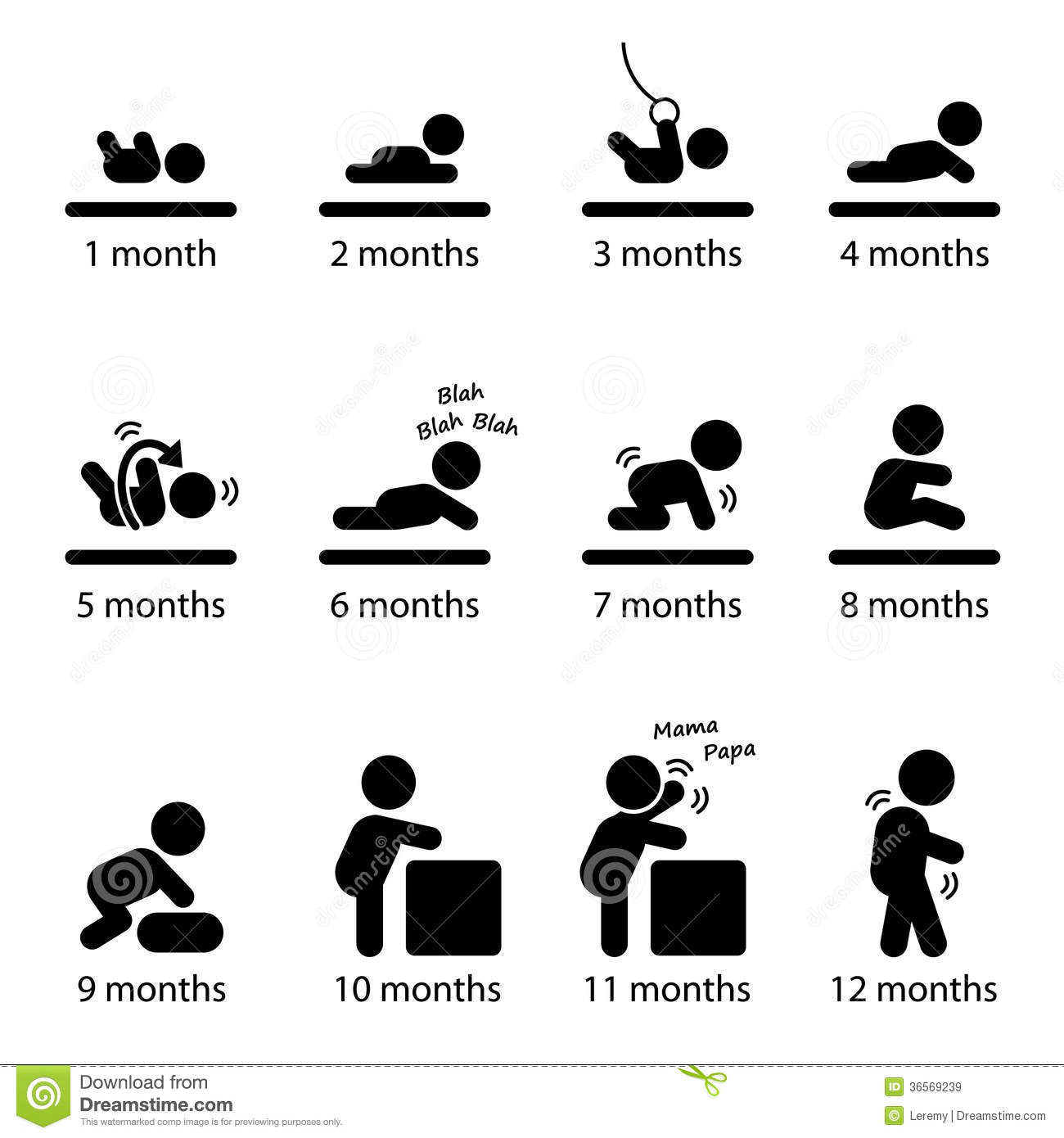
Growth and development schedules
- Developmental milestones
- Fine Motor (4-9 months)
- Gross motor (3-36 months)
- Personal/social Skills (2-36 months)
- Language (1-36 months)
- Growth chart
- growth parameters
- length
- weight
- Head circumference
- growth parameters
- Developmental milestones
child care institutions
- The Baby-Friendly Hospital Initiative
- a global program that was launched by the WHO, which promotes infant feeding and mother/ child bonding.
- well-child and well-baby clinic
- both visits include physical examination to ensure the wellness of the child.
- The Baby-Friendly Hospital Initiative
Nutrition and weaning
- methods of weaning
- One at a time
- Gradually and slowly
- Breastfeeding and food simultaneously
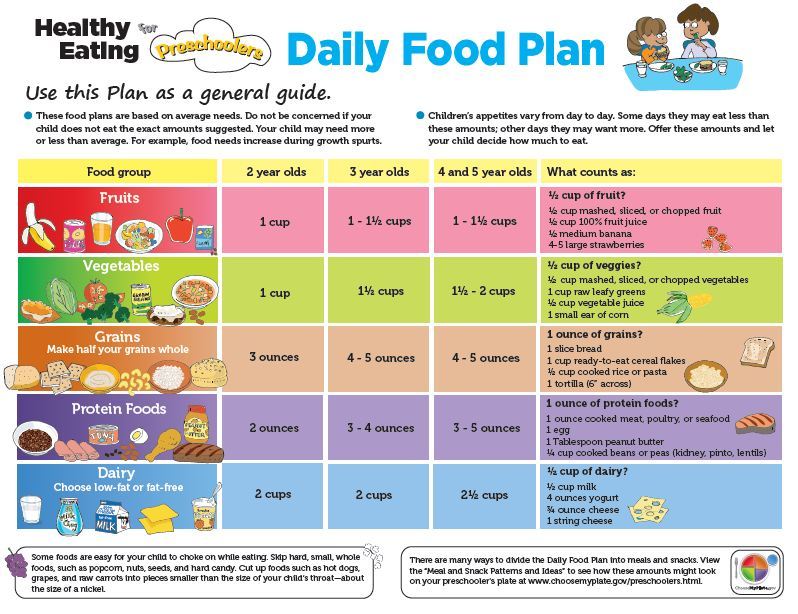
- Nutrition of 2 year old child
- Important basic meals
- Meat, fish, chicken
- Dairy products
- Fruits and vegetables
- Carbohydrates
- 3 healthy meals and 2 snacks per day
- Important basic meals
- methods of weaning
diseases
- Signs and symptoms of diarrhea
- 1- Frequent, loose, watery stools 2- Abdominal cramps 3- Abdominal pain 4- Bloating 5- rectal pain
- treatment of gastroenteritis
- 1- Drinking plenty of fluids to avoid dehydration 2- Taking paracetamol for any fever or aches and pains. 3- plenty of rest. 4- anti -vomiting medication (such as metoclopramide) and/or antidiarrhoeal medication (such as loperamide)
- causes of diarrhea (gastroenteritis )
- Short-term diarrhoea 1- virus – such as norovirus 2- bacteria – such as salmonella parasites – such as the Giardia 3- food allergy 4- Medicines -- such as antibiotics/ antacid medicines
- Long-term diarrhoea 1- irritable bowel syndrome (IBS) 2- inflammatory bowel disease 3- coeliac disease 4- bile acid malabsorption 5- chronic pancreatitis 6- diverticular disease 7- bowel cancer
- Dehydration
- Moderate: 5% loss
- Severe : 10% loss
- Mild : 2% loss
- Signs and symptoms of diarrhea
behavioral aspect
- hyperactivity
- sign of ADHD
- clumsiness
- Tantrums
- 1. Reduce stress 2. stay calm 3. Reward good behavior. 4. Be consistent
- Rubbing Genitalia
- - Dermal Pathologies
- - Urinary Tract Infections
- -Bad Hygiene Habits
- - Masturbation
- -Dermal Irritants
- hyperactivity
Bilder und Dateien der Mindmap
Informationen
- Beschreibung
- Mindmap am bouncing baby boy 2, erstellt von wafaa ahmed am 05/10/2016.
- Erstellt von
- wafaa ahmed
- Aufrufe
- 17
- Bewertung