
Mindmap
OCR - A-Level - Biology - Sampling Techniques
Inhalt der Mindmap
OCR - A-Level - Biology - Sampling Techniques
Animals
- Sampling via Observation
- Footprints
- Tells timing of passage
- Faeces
- Tells food and timing
- Bark rubbing
- Territorial
- Scratching, biting, scent, etc.
- Leftover food
- Saliva, appetite, teeth/claw marks
- DNA Sequencing
- Expensive but accurate
- Footprints
- Methods of Sampling
- Sweep nets
- Ponds
- Poke the mud then sweep backwards
- Figure of 8 sweeping
- Meadows
- Figure of 8 sweeping
- Ponds
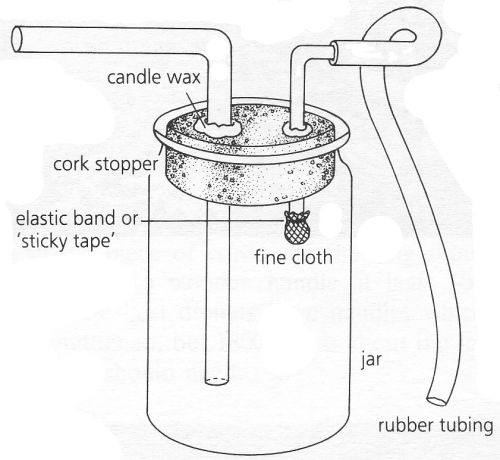
- Pooters
- Suck in one side, bring insects in
- Pitfall Trap
- Smaller organisms fall in, cannot get out
- Tullgren Funnel
- Light trap attracts insects, which fall in and cannot get out
- Sweep nets
- Sampling via Observation
Plants
- Random sampling
- Look to see which species are present
- AVOID BIAS
- Methods
- Take samples at regular distances (random transect line)
- Randomly generate numbers to correspond to coordinates in a region
- GPS with random generation for deciding locations
- Look to see which species are present
- Transect line
- Decide on a line and take quadrat samples along this line
- Biased if decided where to place the line
- Random if the line was generated (or the like)
- Gives a full range of samples
- Number of samples should correspond to the size of the habitat
- Tree sampling is easier because they can be seen clearly
- Random sampling
Done to determine the biodiversity of an area
- Biodiversity is the measure of the range of different species that live in a habitat
Bilder und Dateien der Mindmap
Informationen
- Beschreibung
- A level Biology (AS Module 4) Mindmap am OCR - A-Level - Biology - Sampling Techniques, erstellt von Josh Anderson am 01/02/2017.
- Erstellt von
- Josh Anderson
- Aufrufe
- 10
- Bewertung