
Notizen
Waves - created from Mind Map
Inhalt der Notizen (1)
Seite 1
Definitions
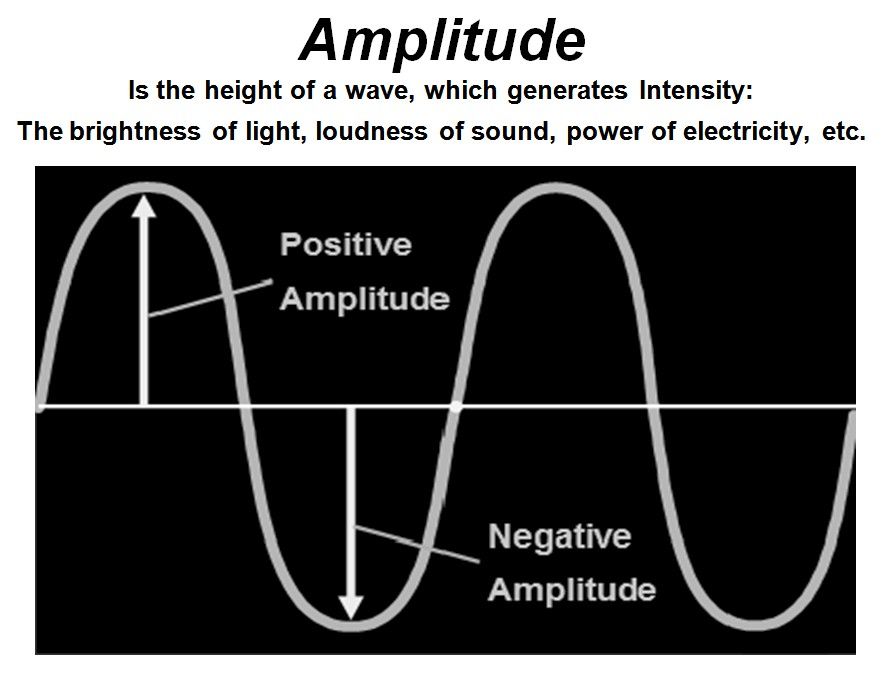
Amplitude (A) - This is "how high the wave is.
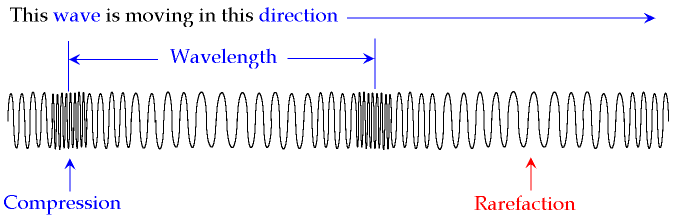
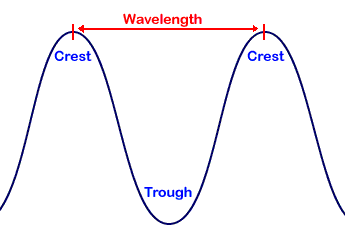
Wavelength (λ) - this is the distance between two Corresponding points on the wave and is measured in Metres.
Frequency (ƒ) - This is how many waves pass by every second and is measured in Hertz (Hz)
Time Period (T) - This is the time taken to produce one complete wave. T= 1/ƒ or ƒ=1/t
Types of Waves
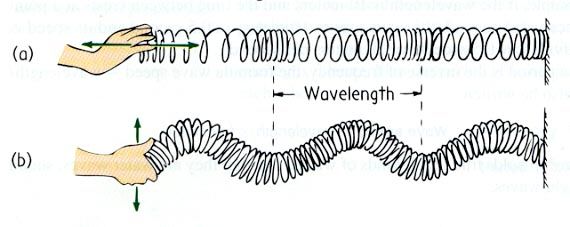
Transverse Waves - When the displacement is at right angles to the direction of the wave.
Longitudinal Waves - When the displacement is parallel to the direction of the wave
The Wave Equation
Wave Speed (V) = Frequency (ƒ) x Wavelength (λ)
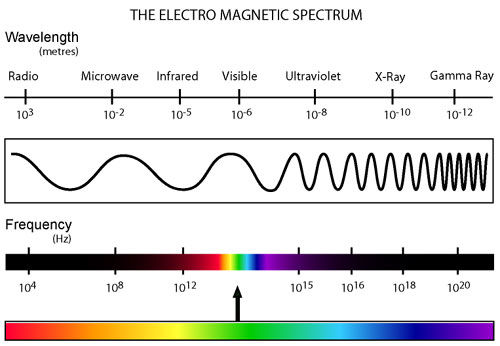
Electromagnetic Spectrum
Radiowaves
Microwaves
• Produced by High Frequency oscillations of electrons in aerial
Infrared
used in Mobile phones,Satellite TV
Visible Light
Absorbed energy of Infrared can generate Heat.
Ultraviolet
Yellow
Orange
Red
Green
Blue
Purple
commonly used to transmit signals by light and infrared radiation.
X-rays
Have shorter wavelength than visible light. The Sun is a natural source of ultraviolet light.
Gamma Rays
Can cause damage to body tissues, widely used in medicines. short wavelengths will pass body tissue.
Emitted from the nuclei of atoms,very penetrating and can be very harmful.
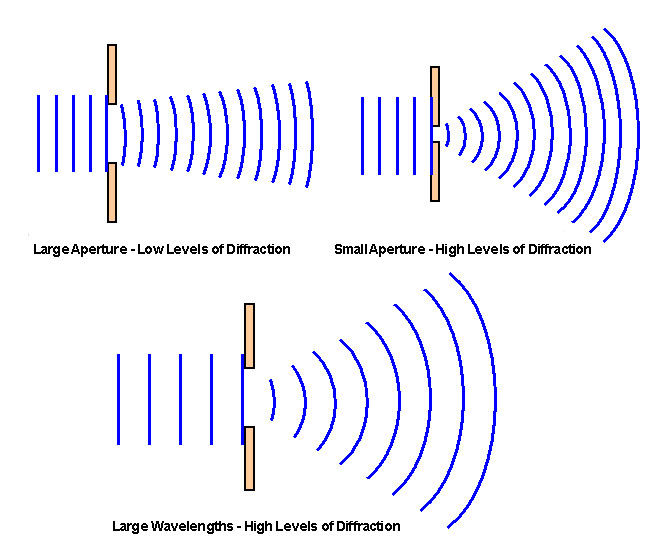
Diffraction
Note: A Barrier on one side can also cause diffraction. Therefore Diffraction can cause a wave to pass around a bend.
More Diffraction if the size of the gap is similar to the wavelength
Is the spreading out of waves when they pass through a gap or round the edge of an obstacle.
LIGHT
Light is a transverse wave that travels in straight lines.
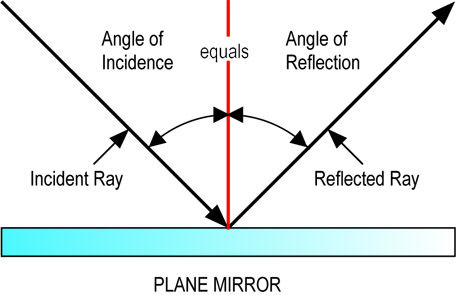
Angle of incidence = angle of reflection
Refractive index - There is a relationship between the incident angle and the refracted angle known as the REFRACTIVE INDEX. This is the ratio of the speed of light in air to the speed of light in the refracted material.
n= The Refractive index | i= angle of incidence in air | r= angle of Refraction in the other material
n= Sin 1 / Sin r
Sounds
Sounds are made when an object vibrates.
frequency range of the normal human ears is from about 20Hz to about 20000Hz
speed of sound is about 340 m/s
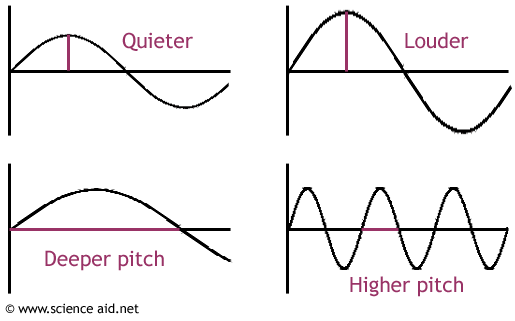
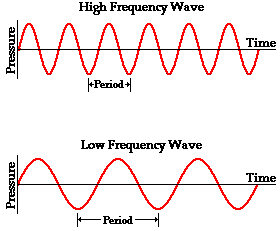
louder sounds have greater Amplitude whilst High Pitch Sounds have a shorter wavelength so more waves are visible, it has higher frequency waves.
Waves
Informationen
- Beschreibung
- Notiz am Waves - created from Mind Map, erstellt von pgabdaziz101 am 11/05/2014.
- Erstellt von
- pgabdaziz101
- Aufrufe
- 54
- Verlauf
-
- Erstellt von pgabdaziz101 · 11 Mai 2014
- Zu Notiz kopiert von pgabdaziz101 · 11 Mai 2014
- Bewertung