
EIS Lessons 2-4 Study Slideshow with Links to Study Tools
Folien in diesem Satz (18)
-
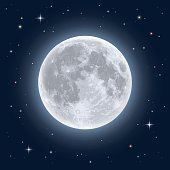
- It takes the moon 27.322 days to revolve around the Earth. This is around the time of a month.
-
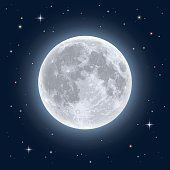
- Due to the motion, they make and the movement of the Earth, on it's axis and revolution, the stars seem to move.

- Bildunterschrift: Stars DON'T actually look like this :) They look like planets!
-
The Moon's Size Compared to Earth
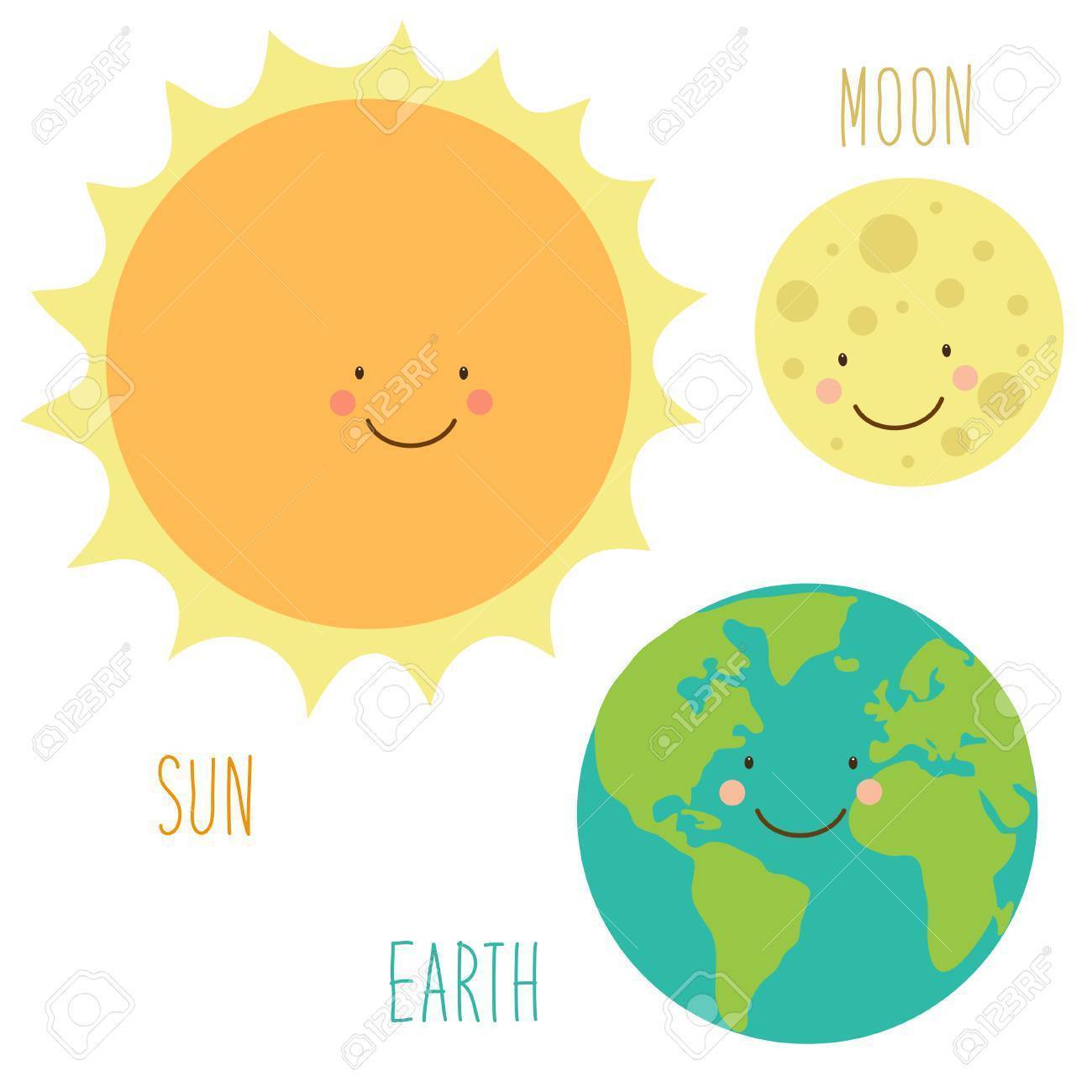
- The Moon is 1/4 of the size of the Earth.
-
- It takes Earth 365 and 1/4 days to orbit the Sun.
-
- It takes 24 hours for the Earth to rotate on its axis.
-
- Because the Sun is 400 times the Moon’s size but they are 400 times farther away from the Sun so, those two variables even each other out.
-
- The sun appears to rise in the east and set in the west.

-
Shadows in the Northern Hemisphere
- Shadows in the Winter and Summer differ because the sun is at different heights so they vary. The winter shadows become longer than those in summer due to the angles.

-
- The sun is higher in the sky during summer rather than winter.
-
- Shadows are shorter in length in summer because the angle is more direct compared to winter angles.
-
- A day that occurs between solstices. It is where day and night are equal in hours.
-
- In between the summer and winter solstice.
-
Why is the North Star important?
- It provides a stable marker in the Northern Hemisphere for the Earth's tilt on its axis.
-
- When the Northern Hemisphere experiences summer, the Southern Hemisphere experiences winter because it is receiving indirect sunlight.
-
Rise Latest Set Earliest Season
- This occurs in winter because it has the least amount of hours in a day.
-
- Summer is experienced in the Northern Hemisphere and winter is experienced in the Southern Hemisphere. I know this because the Northern Hemisphere is receiving direct sunlight while the Southern Hemisphere is receiving indirect.
-
- Because throughout the pattern, different sides of the Earth are facing the sun at different times. This is also known as indirect sunlight. This causes one area of the globe to be warm and continue to stay warm for a period of time, while on the other side, it is cold for a period of time.
-
- EIS Lessons 2-4 Study Flashcards
- Units 2-4 Practice Quiz 1
- Bildunterschrift: Clearly this is not what the planets look like in real life but I thought it was cool!
Informationen
- Beschreibung
- This is for the use of students in 7th Grade at West Middle School to help with Earth in Space Lessons 2-4. There are direct links for other study tools and practice quizzes so that you are ready for the test to come!
- Erstellt von
- Sofia Arana Lyon · Feb 2020
- Aktualisiert
- 28 Feb 2020
- Aufrufe
- 40
- Tags
- Bewertung