
Quiz
Highway Engineering 1 lecture 1
Erstelle ein kostenloses Konto, um dieses Quiz zu beenden
Speichere deinen Fortschritt und sieh dir dein Endergebnis an.
oder mit deiner E-Mail registrieren
Schon ein Konto? Anmelden
Fragen in diesem Quiz (30)
1On the Auckland Transport Website how is a road or road reserve defined?
- Athe area from the property boundary on one side of the road to the property boundary on the other side of the road. This includes the berm (grass verge), footpath and carriageway
- Bthe area from the foot path on one side of the road to the footpath on the other side of the road. This includes the berm (grass verge), footpath and carriageway
- Cthe berm from one side of the road, the guttering, the road, the opposite guttering to the berm on the other side of the road.
- Dthe road itself no other items included
2How many types of pavements are there?
- A4
- B3
- C2
- D5
3Portland cement concrete (PCC) pavements are rigid pavements. Choose the correct facts about rigid pavement.
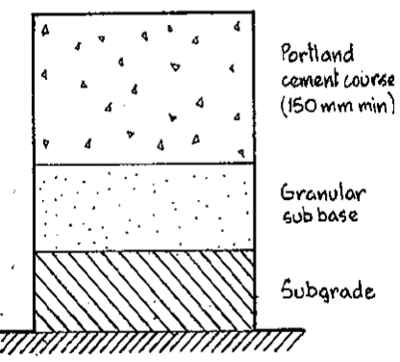
- AExpensive to make due to concrete laying machinery
- BAre self draining due to porous properties of concrete
- CMay or may not be laid on top of granular materials
- DDo not need any reinforcement due to the concrete colour strength
- EDoes not flex under loading to accommodate traffic due to their high modulus of Elasticity
- FAll of the above
4Flexible pavement structure flexes to accommodate traffic loads. Choose the correct facts about flexible pavements.
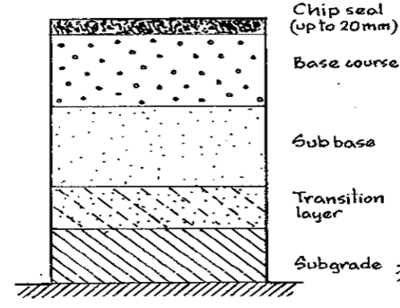
- AFlexible pavements can be made from wood, steel or glass chips depending on the countries code of practice.
- BFlexible pavements are bituminous pavements and can either be chipseal or asphaltic concrete surfacing.
- CFlexible pavements may or may not incorporate underlying layers of stabilized or unstabilized granular materials on a prepared subgrade.
- DAll of the above
5Semi-rigid or semi-flexible pavements are a mixture of rigid and flexible options. Choose the correct facts about this pavement type.
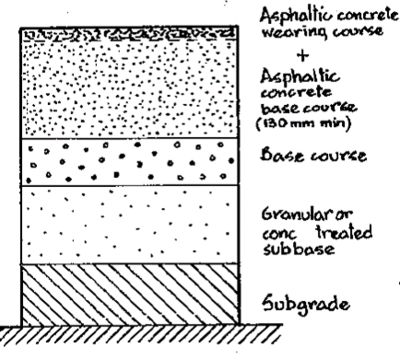
- AAn asphalt layer can overlay a PCC pavement when removing or reapiring the old PCC layer is not economical or practical?
- BSemi-rigid designs comprise of cement-asphaltic concrete mixture as the surfacing layer or the courses underneath the surfacing layer can be mixed withe either cement or asphalt to achieve a stronger base
- CResin modified pavements (RMP) was the original term for cement asphalt composite surfacing due to the use of polymer modified cement grouting material
- DAll of the above
6Pavement deflection under a vehicle wheel load, tensile stresses occur at the top of the pavement and compressive stresses occur at the bottom.
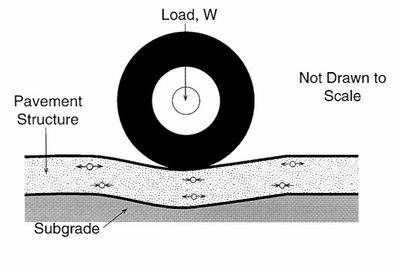
- ARichtig
- BFalsch
7What are the components of a road pavement in order.
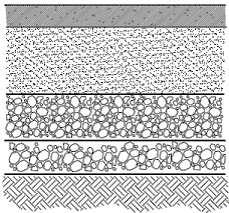
- AHot-mix Asphalt Surface, subgade, subbase(optional), Frost protection (as appropriate) basecourse.
- BHot-mix Asphalt Surface, Base Course (maybe stabilized) Subbase (optional) Frost protection (as appropriate) subgrade
- CChips, Bitumen, Frost protection (as appropriate) subbase, sub grade, Base course
8What do we need a road to do? Choose one.
- ASafe, comfortable travel of vehicles and non vehicular traffic
- BConsider alternative environmentally sustainable designs
- CServiceability- suitable for everyday use
- DAmenity- convenient feature accessible
- EAccess to all lots
- Flinks to roading network- local to highways
- Gcomply with standards and plans - eg AT or NZTA
- Hall of the above
9There are two different types of road heavy duty (Airport runways, motorways, wharves and container depots) and light duty (temporary roads and haul roads)?
- ARichtig
- BFalsch
10What are the construction types of roads. Choose the correct answers.
- AUnbound Crushed aggregate
- BAsphaltic Concrete (Bituminous bound)
- CConcrete
- DBlock paving
- ELime or Cement Stabilised Bases or Subgrade
- FReinforced with Geo-textiles or Geo-grids
- GReinforced Asphalt
11The mechanistic-Empirical Design approach seeks to explain the relationship between the loads and material properties of the pavement structure which is typically described using a mathematical model
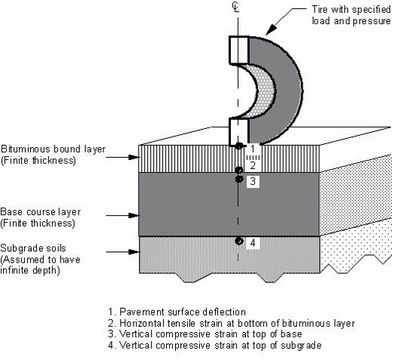
- ARichtig
- BFalsch
12The Empirical Design approach uses data from experience, experimentation or a combination of both.
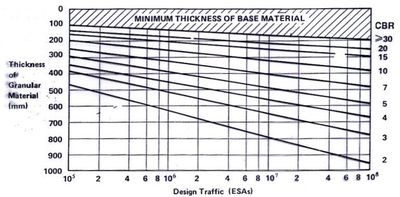
- ARichtig
- BFalsch
13What are the advantages of a mechanistic-empirical pavement design method?
- Acan be used for both existing pavement rehabilitation and new pavement construction
- B'it accommodates changing load types
- CIt can better characterize materials allowing for : better utilization of new materials, Accommodation of new materials and an improved definition of existing layer properties
- DIt accommodates environmental and aging effects of materials
- EIt better defines the role of construction
- FIt provides more reliable performance predictions
14The benefit of the mechanistic-empirical approach is its ability to accurately characterize insitu material, It eliminates the guess work, can be costly and new data is still developing.
- ARichtig
- BFalsch
15Who is the controlling authority for NZ state highways?
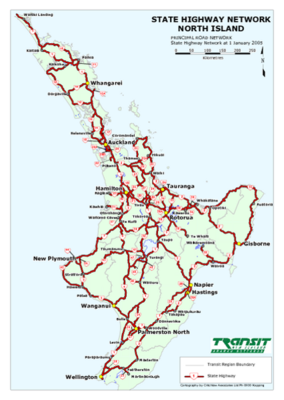
- AAustralia/New Zealand transport Authority ANZTA
- BDepartment of Transport and Main Roads New Zealand (TMRNZ)
- CThe New Zealand Transport Agency (NZTA)
- DThe New Zealand Transport Authority (NZTA)
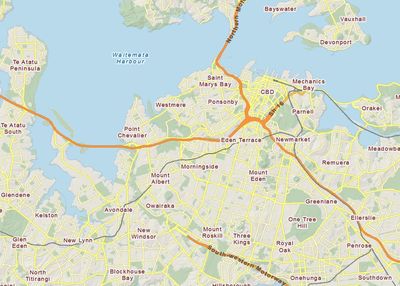
16The local authorities are responsible for local roads. In Auckland the Auckland Transport (AT) controls all local roads. It is a council controlled organization (CCO)
- ARichtig
- BFalsch
17Choose the correct Road Hierarchy functions:
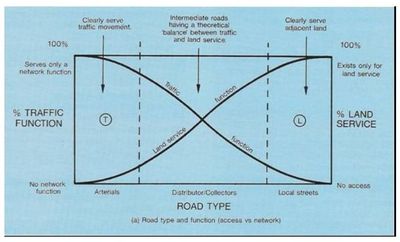
- AThe conventional road hierarchy classifies roads/streets according to their movement and access functions
- Broads/streets are designated into different groups or classes according to the type of service each group is intended to provide
- CThe hierarchical classification system is regarded as a fundamental tool for urban development and road network design and management
18What are the Auckland Hierarchy components for Arterials
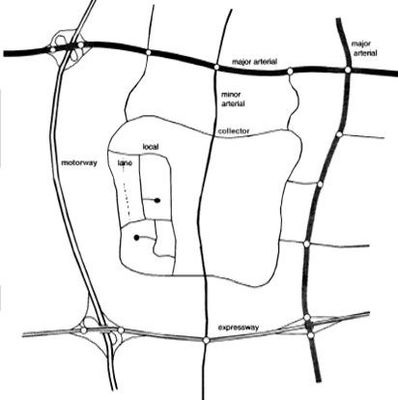
- AMotorways
- BStrategic Arterials
- CPrimary Arterials
- DSecondary Arterials
- EAll of the above
19What are the Auckland Hierarchy components for Non-arterial roads?
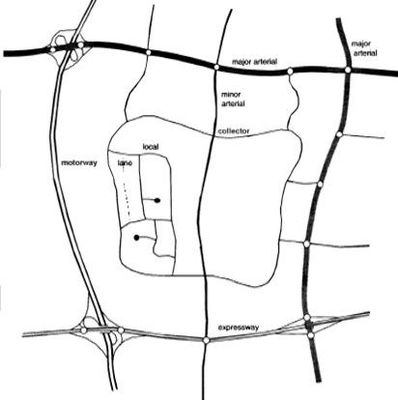
- ACollector/connector roads
- BLocal streets
- Clanes & service lanes
- Dshared space/shared zones
- Eall of the above
20What are the factors Influencing road design?
- AMoney, government policy, how fast the prime minister needs to travel, the need for animals to cross.
- BDesign vehicles, design speed, road user characteristics, functional classifications
- Cthe amount of bridges per road, how many pedestrian crossings are needed, the lighting systems, toll roads
- DTraffic volumes by type %heavy commercial vehicles, bus route and network, cycle volumes and network, land use context
21Collectors/distributors types of roads collect tolls and traffic fines and distribute amongst the road funding
- ARichtig
- BFalsch
22Local roads/streets provide vehicle access to developments and residential properties, access for emergency service vehicles, pedestrian and cyclist movements, neighbourhood social interactions, aesthetic values to the neighborhood, speed is kept low i.e 50km/h
- ARichtig
- BFalsch
23Levels of Temporary Traffic Management (TTM) are: (choose all those that apply)
- ALevel LV: low volume roads (AADT less than 500vpd)
- BLevel 1- low to moderate volume roads(AADT 500 to10,000vpd)
- CLevel 2 - high volume Roads (AADT greater than 10000 vpd
- Dlevel 3 - high volume, high speed multi-lane roads Expressways and Motorways (AADT greater than 10, 000 vpd and speed greater than 75km/h)
24How a road works: Pressure is exerted via a vehicle load on the surfacing layer. The pressure is distributed through the Basecourse and Subbase layers so the Pressure is reduced to a level that causes minimal subgrade deformation.
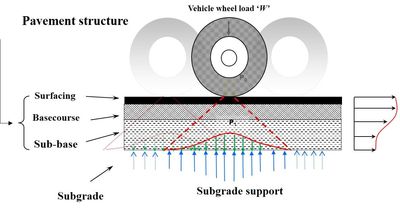
- ARichtig
- BFalsch
25Choose the correct facts for the Subgrade:
- AIt is the insitu soil beneath the road
- BIt has requirements of: strength-to support road loads, Drainage- to shed water, line and level-correct alignment and level for the road, and smooth-no bumps and hollows
- CSubgrade may be soft so options are: thicker sub-base layer, sub-grade improvement by drainage, preloading, lime stabilization, cement stabilization
- DThe layer just below the bituminous surface
26
the Subbase layer is between the base course and the subgrade and functions primarily as a structural support- ARichtig
- BFalsch
27Choose the facts for the subbase layer:
- AMinimizes the intrusion of fines from the subgrade into the pavement structure
- BImproves Drainage
- CMinimizes frost action damage
- Dprovides a working platform for construction
- EGenerally consists of lower quality materials than the base course but better than the subgrade soil
- FA subbase course is not always needed or used
- GAll of the above
28Basecourse, is the top of pavement, structural support to wheel loads, distributes load to subbase, minimum layer of 100mm and is compacted to "stone mosaic" finish not entirely smooth as needs to connect the surface layer with top of base course
- ARichtig
- BFalsch
29What is surfacing-chipseal?
- ADamaged pieces of road that has "chipped off"
- Bchip encased in binder, first coat seals-grade 4 in lower viscosity bitumen, second coat seals- grade 2 or 43 chip with 180/200 bitumen, Alternative-seal with locking coat (wet or dry)
- CBitumen with M 40 agreggate. Double coated for protection and long lasting coverage.
30what are thicker layers 100 to 150 mm semi rigid pavement,not used much in NZ rural areas as it is too expensive, waterproof, does not need chip seal underneath, tack coat usually used- called?
- ASufacing- BC
- Bsurfacing-CD
- Csurfacing AC
Informationen
- Beschreibung
- Lecture 1
- Autor
- Pauline Leota
- Sprache
- English
- Aufrufe
- 306
- Schlagwörter
- Bewertung
- Noch keine Bewertungen Bewerte dieses Quiz