
Quiz
Biological psychology
Dieses Quiz enthält Fragetypen, die sich im gewohnten Player öffnen.
Fragen in diesem Quiz (86)
1Which two things make up the central nervous system?
- ABrain and spinal cord
- BGanglia and the heart
- CSpinal cord and the lungs
- DSkin and muscle
2The nervous system contains all of the [blank_start]neurons[blank_end] in the body.
- Aneurons
3Nerve cells carry [blank_start]'messages'[blank_end] through an [blank_start]electrochemical[blank_end] process. Information is received by the [blank_start]dendrites[blank_end] and an [blank_start]electrical impulse[blank_end] travels down the [blank_start]axon[blank_end] to the [blank_start]axon terminal[blank_end] buttons.
- A'messages'
- Belectrochemical
- Cdendrites
- Delectrical impulse
- Eaxon
- Faxon terminal
4Neuro transmission is the same as synaptic transmission.
- ARichtig
- BFalsch
5Label the neuron.
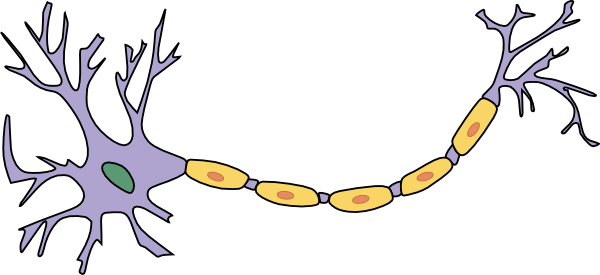
- ADendrite
- BSoma
- CNucleus
- DAxon
- EMyelin sheath
- FSchwann cell
- GNode of ranvier
- HAxon terminal button
6Label the neuron.
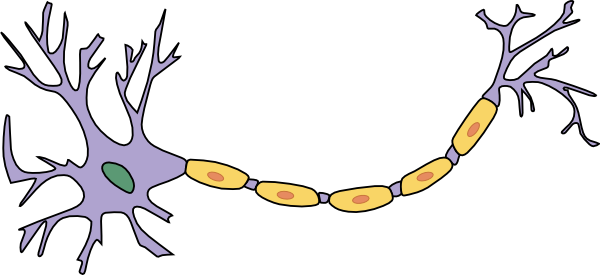
- ADendrite
- BNucleus
- CSoma
- DMyelin Sheath
- EAxon
- FAxon terminal button
- GSchwann cell
- HNode of ranvier
7Label the synapse.
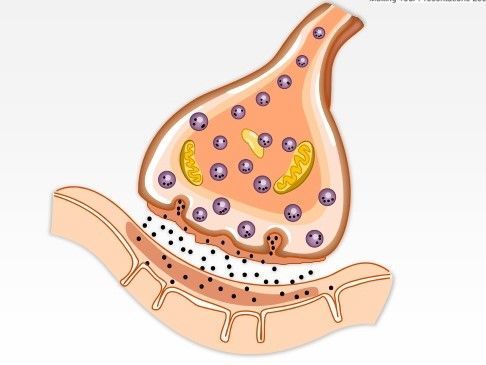
- Amitochondrion
- BVesicles containing neurotransmitter
- CReceptor
- DSynaptic cleft
- EPost-synaptic cell
- FPre-synaptic cell
8When a neuron receives a message from another neurone this chemical message can either:
-stimulate excitatory post synaptic potential which [blank_start]depolarises[blank_end] the neuron, [blank_start]reducing[blank_end] it's charge
-stimulate an inhibitory post synaptic potential, [blank_start]increasing[blank_end] it's charge and [blank_start]hyperpolarising[blank_end] the neuron.- Adepolarises
- Breducing
- Chyperpolarising
- Dincreasing
9When a neuron receives a message from another neuron, this chemical message can stimulate either an [blank_start]excitatory postsynaptic response[blank_end], or an [blank_start]inhibitory postsynaptic response[blank_end].
- Aexcitatory postsynaptic response
- Binhibitory postsynaptic response
10When a neuron has received enough excitatory messages, or at least more excitatory messages in comparison to the number of inhibitory messages, that are sufficiently strong enough to reach the neurons own threshold, what is triggered?
- AThe action method.
- BThe action ability.
- CThe action potential.
- DThe neurone potential.
11Neurons have a resting membrane potential of about...
- A-70mV
- B-90mV
- C-60mV
- D-45mV
12Label the synapse.
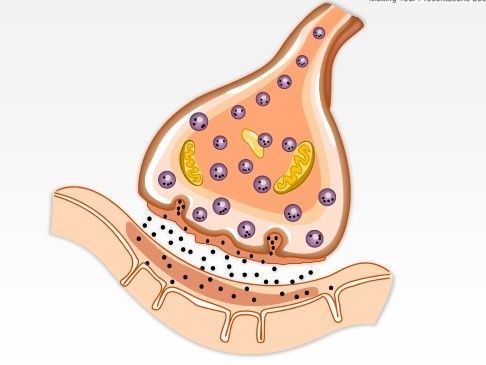
- APost-synaptic cell
- Bpre-synaptic cell
- Cmitochondrion
- DVesicles
- Eneurotransmitter
- Faxon
- Greceptor
13What happens when a chemical message stimulates an excitatory postsynaptic potential?
- AIt will slightly depolarise the neuron
- BIt will hyperpolarise the neuron
- CIt will reduce the charge of the neuron
- DIt will increase the charge of the neuron
14What happens when a chemical message stimulates an inhibitory postsynaptic potential?
- AIt will slightly depolarise the neuron
- BIt will hyperpolarise the neuron
- CIt will reduce the charge of the neuron
- DIt will increase the charge of the neuron
15What are the functions of Acetylcholine?
- AMuscle contraction
- BMotor control and important movement
- CExpression of emotion, such as anger and sexuality
- DNecessary for memory and cognitive functions such as wakefulness/alertness
- EFeeling pain
- FRegulation of temperature and hunger
- GLearning
- HSleeping
- IPosture
- JDependency behaviour, such as addictions
16What are the functions of Noradrenaline?
- AEmotion, especially mood control
- BSleeping and dreaming
- CLearning
- DPosture
- EControl of movement
- FFeeling pain
- GRegulation of temperature and hunger
- HStimulates muscle contractions
- IDependency behaviour, such as addictions
- JHormonal regulation such as control of the menstrual cycle
17What are the functions of Dopamine?
- AEmotion
- BCognitive functions
- CPosture and control of movement
- DReinforcement in learning
- EDependency behaviours such as addictions
- FHormonal regulation such as control of the menstrual cycle
- GSleeping
- HRegulation of temperature and hunger
- IFeeling pain
- JStimulates muscle contractions
18What are the functions of Serotonin?
- AMood control, especially in the limbic system
- BFeeling pain
- CSleeping
- DRegulation of temperature and hunger
- EPosture and control of movement
- FLearning
- GDependency behaviours, such as addictions
- HExpression of some emotions, such as anger and sexuality
- IHormonal regulation such as control of the menstrual cycle
- JCognitive functions
19The impact of alcohol on neurotransmission:
-It has a [blank_start]depressant effect[blank_end] on the nervous system
-It acts to inhibit [blank_start]neural transmission[blank_end] by [blank_start]increasing[blank_end] the action of [blank_start]GABA[blank_end]- Adepressant effect
- Bneural transmission
- CGABA
- Dincreasing
- Edecreasing
- Fstimulant effect
20The impact of Opiods on neurotransmission:
-[blank_start]Reduces[blank_end] GABA activity, which leads to [blank_start]overactivity[blank_end] of [blank_start]dopaminergic[blank_end] neurotransmission in the [blank_start]reward pathways[blank_end] of the brain.- AReduces
- BIncreases
- Coveractivity
- Dunderactivity
- Edopaminergic
- Freward pathways
21The impact of Amphetamines on neurotransmission:
-Increases [blank_start]dopamine[blank_end] and [blank_start]noradrenaline[blank_end] in the synapse by changing the [blank_start]reuptake[blank_end] process so that it works in [blank_start]reverse[blank_end]
-They force the release of these neurotransmitters, which can [blank_start]block[blank_end] reuptake, and in [blank_start]high doses[blank_end] can inhibit their breakdown in [blank_start]enzymes[blank_end]- Adopamine
- Bnoradrenaline
- Creuptake
- Dreverse
- Eblock
- Fhigh doses
- Genzymes
22The impact of Cocaine on neurotransmission:
-[blank_start]Increases[blank_end] activity in the [blank_start]dopamine pathway[blank_end] by blocking the [blank_start]reuptake[blank_end] of [blank_start]dopamine[blank_end]- Adopamine pathway
- Bserotonin pathway
- Cnoradrenaline pathway
- Dacetylcholine pathway
- Edopamine
- Fseratonin
- Gnoradrenaline
- Hacetylcholine
- IIncreases
- JDecreases
- Kreuptake
23The impact of Nicotine on neurotransmission:
-Targets aspects of the [blank_start]dopamine[blank_end] pathway, [blank_start]increasing[blank_end] the amount and transmission of dopamine by blocking the [blank_start]enzyme[blank_end] that [blank_start]breaks it down[blank_end].
-It mimics [blank_start]acetylcholine[blank_end] and binds to [blank_start]nicotinic receptors[blank_end]- Adopamine
- Bseratonin
- Cnoradrenaline
- Dincreasing
- Edecreasing
- Fenzyme
- Gbreaks it down
- Hacetylcholine
- Inicotinic receptors
24What are the functions of Noradrenaline?
- AAssociated with emotion, especially mood control. It is involved in functions such as sleeping and dreaming, as well as learning.
- BStimulates muscle contractions and has a key function in motor control and important movement. Necessary for memory and other cognitive functions such as attention and wakefulness/alertness. Involved in expressions of some emotions such as anger and sexuality.
- CRelated to emotion and cognitive functions as well as posture and control of movement. Associated with reinforcement in learning as well as dependency behaviour such as addictions. Used in hormonal regulation such as control of the menstrual cycle.
- DAssociated with mood control, particularly in the limbic system. Involved in functions such as feeling pain, sleep, regulating body temperature and hunger.
25What are the functions of Dopamine?
- AAssociated with emotion, especially mood control. It is involved in functions such as sleeping and dreaming, as well as learning.
- BStimulates muscle contractions and has a key function in motor control and important movement. Necessary for memory and other cognitive functions such as attention and wakefulness/alertness. Involved in expressions of some emotions such as anger and sexuality.
- CRelated to emotion and cognitive functions as well as posture and control of movement. Associated with reinforcement in learning as well as dependency behaviour such as addictions. Used in hormonal regulation such as control of the menstrual cycle.
- DAssociated with mood control, particularly in the limbic system. Involved in functions such as feeling pain, sleep, regulating body temperature and hunger.
26What are the functions of Acetylcholine?
- AAssociated with emotion, especially mood control. It is involved in functions such as sleeping and dreaming, as well as learning.
- BStimulates muscle contractions and has a key function in motor control and important movement. Necessary for memory and other cognitive functions such as attention and wakefulness/alertness. Involved in expressions of some emotions such as anger and sexuality.
- CRelated to emotion and cognitive functions as well as posture and control of movement. Associated with reinforcement in learning as well as dependency behaviour such as addictions. Used in hormonal regulation such as control of the menstrual cycle.
- DAssociated with mood control, particularly in the limbic system. Involved in functions such as feeling pain, sleep, regulating body temperature and hunger.
27What are the functions of Serotonin?
- AAssociated with emotion, especially mood control. It is involved in functions such as sleeping and dreaming, as well as learning.
- BStimulates muscle contractions and has a key function in motor control and important movement. Necessary for memory and other cognitive functions such as attention and wakefulness/alertness. Involved in expressions of some emotions such as anger and sexuality.
- CRelated to emotion and cognitive functions as well as posture and control of movement. Associated with reinforcement in learning as well as dependency behaviour such as addictions. Used in hormonal regulation such as control of the menstrual cycle.
- DAssociated with mood control, particularly in the limbic system. Involved in functions such as feeling pain, sleep, regulating body temperature and hunger.
28The impact of recreational drugs on the brain...
The brain contains a [blank_start]reward pathway[blank_end] which causes us to experience a [blank_start]pleasant and rewarding feeling[blank_end]. This encourages us to [blank_start]repeat behaviour[blank_end] that activates that pathway (behaviour + nice feeling = continued/repeated behaviour).
This has [blank_start]evolved[blank_end]- it is [blank_start]adaptive[blank_end] for us to feel good after eating high-calorie food for example, as it ensures that we store enough fat on our bodies in preparation for periods of famine.
Drugs hijack this reward system and produce pleasurable feelings without and [blank_start]adaptive functioning[blank_end].- Areward pathway
- Bpleasant and rewarding feeling
- Cnegative feeling
- Drepeat behaviour
- Eevolved
- Fadaptive
- Gadaptive functioning
29What happens to neurotransmitter that has not been absorbed?
- AIt is reuptaken
- BIt is broken down by enzymes
- CIt decays
- DIt is always absorbed
30Which part of the brain is related to personality and aggression?
- AFrontal Lobe
- BTemporal Lobe
- CCerebellum
- DOccipital Lobe
- EParietal Lobe
31Which part of the brain is in charge of vision?
- AOccipital Lobe
- BCerebellum
- CFrontal Lobe
- DParietal Lobe
- ETemporal Lobe
32Which part of the brain is in charge of memory functions?
- ATemporal Lobe
- BCerebellum
- CFrontal Lobe
- DOccipital Lobe
- EParietal Lobe
33Which part of the brain holds information centres, such as those for language?
- AParietal Lobe
- BFrontal Lobe
- COccipital Lobe
- DCerebellum
- ETemporal Lobe
34Which part of the brain controls behaviour that could be considered basic functioning, such as breathing?
- ACerebellum
- BParietal Lobe
- COccipital Lobe
- DTemporal Lobe
- EFrontal Lobe
35Label the parts of the brain.
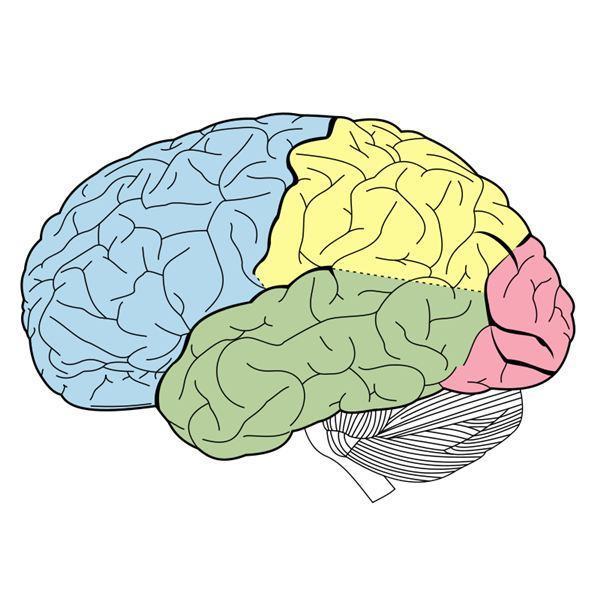
- AFrontal Lobe
- BTemporal Lobe
- CCerebellum
- DOccipital Lobe
- EParietal Lobe
36Label the parts of the brain.
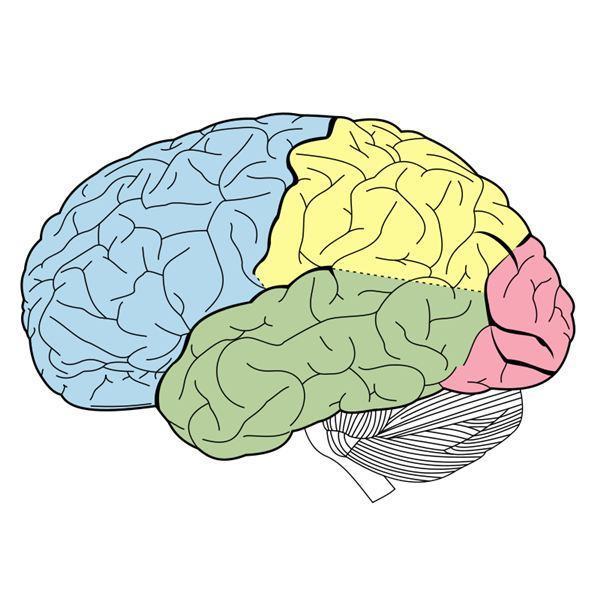
- AFrontal Lobe
- BTemporal Lobe
- CCerebellum
- DParietal Lobe
- EOccipital Lobe
37What is the main function of the occipital lobe?
- AVision
- BMemory
- CPersonality and aggression
- DTo hold information centres, such as those for language
- ETo control behaviours that are considered basic functioning, such as breathing
38What is the main function of the cerebellum?
- ATo control behaviours that are considered basic functioning, such as breathing
- BMemory
- CTo hold information centres, such as those in charge of language
- DPersonality and aggression
- EVision
39What is the main function of the parietal lobe?
- ATo hold information centres, such as those for language
- BPersonality and aggression
- CVision
- DMemory
- ETo control behaviours that are considered basic functioning, such as breathing
40What is the main function of the frontal lobe?
- APersonality and aggression
- BMemory
- CTo control behaviours that are considered basic functioning, such as breathing
- DVision
- ETo hold information centres, such as those for language
41What is the function of the temporal lobe?
- AMemory
- BPersonality and aggression
- CTo hold information centres, such as those for language
- DVision
- ETo control behaviours that are considered basic functioning, such as breathing
42Which part of the brain is linked with offensive behaviour?
- AMedial hypothalamus
- BDorsal hypothalamus
- CLateral hypothalamus
43Which part of the brain is linked with defensive behaviour?
- ADorsal hypothalamus
- BMedial hypothalamus
- CLateral hypothalamus
44Which part of the brain is linked with predatory aggression?
- ALateral hypothalamus
- BDorsal hypothalamus
- CMedial hypothalamus
45The hypothalamus is located in the limbic system.
- ARichtig
- BFalsch
46What type of behaviour is linked with the medial hypothalamus?
- AOffensive behaviour, where they physically attack another animal
- BDefensive behaviour in response to a threat of an attack
- CPredatory aggression involving attacking another species for food
47What type of behaviour is linked with the dorsal hypothalamus?
- ADefensive behaviour in response to a threat of an attack
- BPredatory aggression involving attacking another species for food
- COffensive behaviour where they physically attack another animal
48What type of behaviour is linked with the lateral hypothalamus?
- APredatory aggression involving attacking another species for food
- BDefensive behaviour in response to a threat of an attack
- COffensive behaviour where they physically attack another animal
49The hypothalamus leads to the production of testosterone.
- ARichtig
- BFalsch
50There is no generalisability issue relating to the hypothalamus and it's research that has been conducted upon animals.
- ARichtig
- BFalsch
51What are the main roles of the hippocampus, the amygdala and the hypothalamus?
- AControls our temperature
- BRole in self preservation
- CFight or flight response
- DVision
- ELanguage
- FCalculations
52Aims of Raine's study:
1. To see if there were [blank_start]brain differences[blank_end] between [blank_start]violent offenders and normal people[blank_end].
2. Raine aimed to find out if the [blank_start]brain functions[blank_end] of violent and non-violent criminals were different.
3. They wanted to see if murderers had brain dysfunctions in their p[blank_start]refrontal cortex[blank_end], angular gyrus, a[blank_start]mygdala gyrus[blank_end], amygdala, h[blank_start]ippocampus[blank_end], t[blank_start]halamus[blank_end] and c[blank_start]orpus collosum[blank_end] associated with [blank_start]violent behaviour[blank_end].- Abrain differences
- Bviolent offenders and normal people
- Cbrain functions
- Dmygdala gyrus
- Eippocampus
- Fhalamus
- Gorpus collosum
- Hrefrontal cortex
- Iviolent behaviour
53The sample of Raine's study included [blank_start]41[blank_end] murderers pleading not guilty by reason of insanity and [blank_start]41[blank_end] controls.
The main participants were [blank_start]39[blank_end] men and [blank_start]2[blank_end] women charged with either murder or manslaughter.- A39
- B2
- C41
- D41
54The participants of Raine's had a mixture of [blank_start]schizophrenia[blank_end], [blank_start]brain injury[blank_end], [blank_start]affective disorder[blank_end], [blank_start]epilepsy[blank_end], were [blank_start]substance abusers[blank_end] etc.
- Aschizophrenia
- Bbrain injury
- Caffective disorder
- Depilepsy
- Esubstance abusers
55Raine's study was an independent groups design.
- ARichtig
- BFalsch
56Which type of brain scan was used in Raine's study (1997)?
- APET scan
- BfMRI scan
- CCAT scan
57In Raine's study, what did processes did the control group have to go through before participating in the experiment?
- AAn assessment for general health
- BA psychiatric interview
- CA maths quiz
- DA physiological test
58In Raine's study, all participants were kept drug free two weeks before the scan.
- ARichtig
- BFalsch
59Results for the cortical regions of the brain (Raine 1997):
-Lower glucose metabolism in [blank_start]prefrontal cortex[blank_end] and [blank_start]parietal lobe[blank_end] in comparison to controls.
-Differences in the [blank_start]temporal lobe[blank_end].
-Higher metabolism in the [blank_start]occipital lobe[blank_end].- Aprefrontal cortex
- Bparietal lobe
- Ccerebellum
- Dtemporal lobe
- Eoccipital lobe
60Results for the subcortical areas (Raine 1997):
-Lower glucose metabolism in the [blank_start]corpus collosum[blank_end] than the control.
-Differences in activity in the [blank_start]left amygdala[blank_end] and greater activity in the [blank_start]right amygdala[blank_end].
-Differences in activity in the [blank_start]medial temporal lobe[blank_end], including the [blank_start]hypothalamus[blank_end].
-The murderers had greater [blank_start]thalamic activity[blank_end] than the controls.- Acorpus collosum
- Bleft amygdala
- Cright amygdala
- Dmedial temporal lobe
- Ehypothalamus
- Fthalamic activity
61Which of the following were conclusions of Raine's 1997 study on NGRI criminals?
- APrefrontal cortex deficits might make someone more impulsive and emotional.
- BDeficits in the limbic system might make someone more aggressive (hard to learn from mistakes and understand emotions).
- CThe parietal lobe, amygdala and hippocampus play a role in recognition, and deficits might make it harder to judge social situations, leading them to overreact.
- DNature has more of an affect on physical aggression and nurture affects verbal aggression.
62Aims of Brendgen's study (2005):
1- To see if social aggression is caused by the [blank_start]genes[blank_end] or the [blank_start]environment[blank_end].
2- To see if social aggression shares the [blank_start]same cause[blank_end] as [blank_start]physical aggression[blank_end].
3- To see if one type of aggression could lead to [blank_start]other types[blank_end] of aggression.- Agenes
- Benvironment
- Csame cause
- Dphysical aggression
- Eother types
63Who were the participants of Brendgen's study (2005)?
- AMono-zygotic twins
- BDi-zygotic twins
- CMales
- DFemales
- EAggressive criminals
- FChildren
- GAdults
- HIndividuals with depression
- IManic individuals
64In Brendgen's study, who rated the participant's behaviour?
- ATeachers and peers
- BParents and peers
- CTeachers only
- DPeers only
- EParents only
- FPsychologists
65In Brendgen's 2005 study, what were the participants tested on?
- ASocial aggression
- BPhysical aggression
- CPredatory aggression
- DDefensive behaviours
- EKindness
66Findings of Brendgen's study:
-Social aggression: [blank_start]environmental effects[blank_end] were found but only weak [blank_start]genetic effects[blank_end] were noted - e.g. there was [blank_start]equal correlation[blank_end] between MZ and DZ twins
-Physical aggression: significant effects of [blank_start]genes[blank_end] and limited effects of [blank_start]the environment[blank_end] - e.g. there was a [blank_start]higher correlation[blank_end] for MZ in comparison to DZ
-Directional affect: there was a directional affect between [blank_start]physical[blank_end] and [blank_start]social aggression[blank_end].- Aenvironmental effects
- Bgenetic effects
- Cequal correlation
- Dgenes
- Ethe environment
- Fhigher correlation
- Gphysical
- Hsocial aggression
67Further findings of Brendgen's 2005 study:
-Gender differences: boys were more [blank_start]physically aggressive[blank_end], girls were more [blank_start]socially aggressive[blank_end], according to both peers and teachers
-The way in which social aggression is [blank_start]expressed[blank_end] may in fact be caused by the [blank_start]environment[blank_end] e.g. learning language that leads to the expression of social aggression- Aphysically aggressive
- Bsocially aggressive
- Cenvironment
- Dexpressed
68Which of these were conclusions for Brendgen's 2005 study?
- ANature has more of an affect on physical aggression, and nurture has more of an affect on verbal aggression
- BThe environmental factors are changing as society develops, thus affecting verbal aggression
- CWe are evolving, so physical aggression is changing
- DPrefrontal cortex deficits might make someone more impulsive and emotional
- EAnimal studies into aggression can be generalised to humans
69Evolution happens by [blank_start]natural selection[blank_end].
Evolutionary psychologists would agree that the mind [blank_start]evolved[blank_end] much like the body and that aspects of human behaviour result from [blank_start]evolutionary adaptions[blank_end] that served our [blank_start]ancestral past[blank_end].
The [blank_start]structure and function[blank_end] of the brain has evolves to serve an [blank_start]adaptive function[blank_end] in the [blank_start]environment of evolutionary adaption[blank_end].- Anatural selection
- Bevolved
- Cevolutionary adaptions
- Dancestral past
- Estructure and function
- Fadaptive function
- Genvironment of evolutionary adaption
70Which of these are examples of evolved behaviours?
- AAggression to gain territory or resources
- BDefending against attacks
- CInflicting cost on same sex rivals
- DNegotiating status and power heirarchies
- EMate selection
- FImitating parents arguing
71Hormones are chemical messengers that transmit information around the body though the CNS.
- ARichtig
- BFalsch
72What is the role of oxytocin?
- ATo increase trust between people, making them more generous, loving and caring.
- BTo allow a person to flinch.
- CTo allow movement of muscles.
- DTo maintain male characteristics
73Which gland releases oxytocin?
- AThe pituitary gland
- BThe adrenal gland
- CThe thyroid gland
- DThe kidney
74Testosterone is an androgen.
- ARichtig
- BFalsch
75Testosterone impacts behaviour because [blank_start]antenatal exposure[blank_end] to testosterone has an [blank_start]organising effect[blank_end] on the [blank_start]developing brain[blank_end]- increased [blank_start]spatial ability[blank_end] and [blank_start]competitive aggression[blank_end].
- Aantenatal exposure
- Borganising effect
- Climiting effect
- Ddeveloping brain
- Espatial ability
- Fphonological ability
- Gcompetitive aggression
76Testosterone sensitises certain [blank_start]neural circuits[blank_end], for example, it stimulates [blank_start]cell growth[blank_end] in areas of the [blank_start]hypothalamus[blank_end] and amygdala.
- Aneural circuits
- Bcell growth
- Chypothalamus
- Dhippocampus
77Hormones are very slow.
- ARichtig
- BFalsch
78The eros is known as the libido and the focus is on enjoyment of life.
- ARichtig
- BFalsch
79What is the role of the thanatos?
- ADeath instinct
- BMakes you angry and aggressive; self destructive
- CEnjoyment and happiness of life
- DLife instinct
80Which of these apply to the Id?
- AInstincts/unconscious
- BComes out when you are dreaming
- CPleasure principle
- DDriven by the Eros and Thanatos
- EPreconscious/reality
- FPresent from birth
- GPrimitive
- HDevelops at 2 years
- IReality Principle
- JMorality Principle
81Which of these apply to the Ego?
- APreconsious/reality
- BDevelops at 2 yrs
- CReality principle
- DNorms of society begin to be learnt
- EBalances personality
- FPrimitive
- GDevelops at birth
- HDevelops at 3-6 yrs
- IMorality principle
- JPleasure principle
82Which of these apply to the superego?
- ADevelops around 3-6 yrs
- BMorality principle
- CMorality/conscious
- DControls urges for aggression
- EChild develops a conscience and a sense of what us right (ego ideal)
- FAggression shown at any point
- GDevelops from birth
- HDevelops at 2 yrs
- IReality principle
- JDriven by the Eros and Thanatos
83A defense mechanism directs our aggression outwardly, so that we harm others and not ourselves, or direct our energy elsewhere.
- ARichtig
- BFalsch
84Which of these best describes displacement?
- AYou take out your anger and frustration on a person or object, not the actual target of your anger.
- BChanneling your aggression into other acceptable behaviour.
- CDenying the emotions you have.
85Which of these best describes sublimation?
- AYou take out your anger and frustration on a person or object, not the actual target of your anger.
- BChanneling your aggression into other acceptable behaviour.
- CMight deny certain emotions
86Catharsis is a [blank_start]psychodynamic[blank_end] [blank_start]principle[blank_end] that, in it's most basic sense, is simply an [blank_start]emotional release[blank_end].
Aggressive or sexual urges are relieved by releasing aggressive or sexual energy, usually through [blank_start]action or fantasy[blank_end].
E.G watching an emotional film, playing aggressive games, watching a tv series, playing a musical instrument.- Apsychodynamic
- Bevolutionary
- Cemotional release
- Daction or fantasy
- Eprinciple
Informationen
- Beschreibung
- Pages 156-161 in the textbook.
- Autor
- Amber Brookes
- Sprache
- English
- Aufrufe
- 78
- Schlagwörter
- Bewertung
- Noch keine Bewertungen Bewerte dieses Quiz