
Karteikarten
Art history chapter 1-3
Karten in diesem Stapel (34)
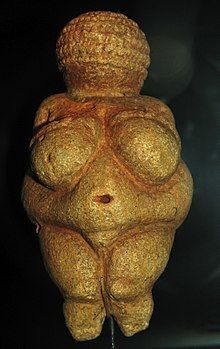
- 1—"Venus" of Willendorf
ca. 28,000-25,000 BCE
Austria - 2—"Lions hunting bison"
Chauvet Cave
30,000 BCE
France
- 3—"Stag Hunt"
Catal Hoyuk
ca. 5750 BCE
Turkey
- 4—"Stonehenge"
ca. 2550-1600 BCE
England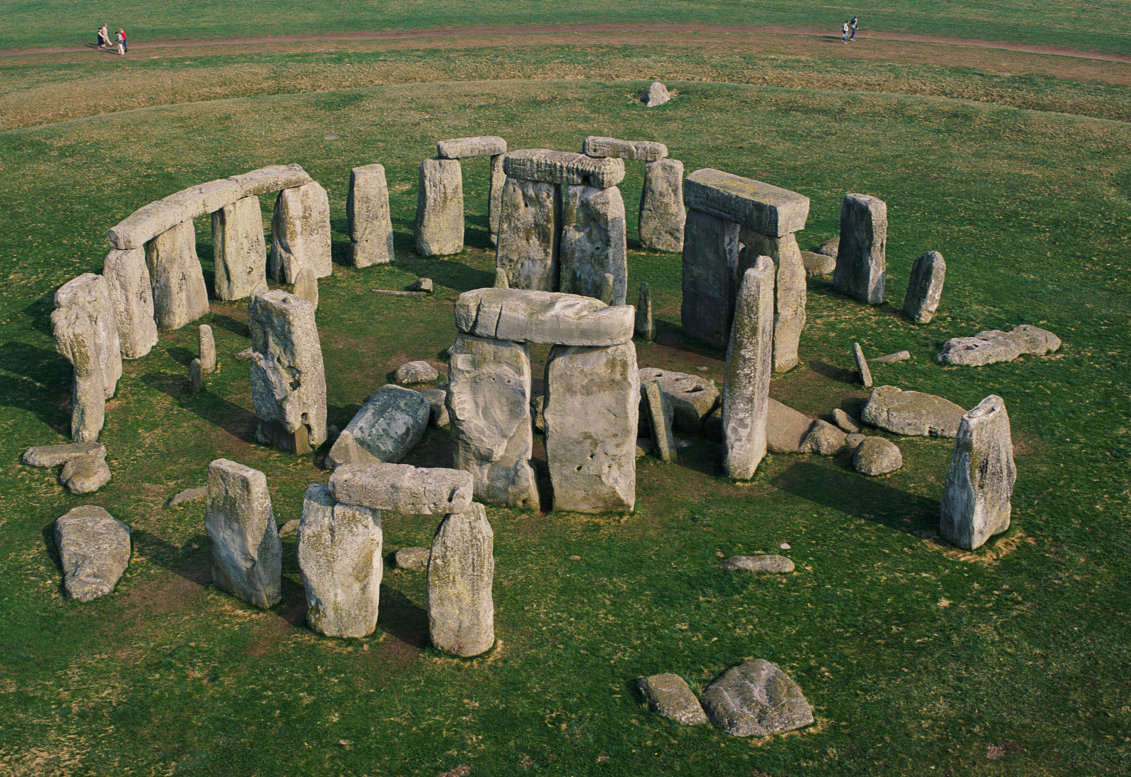
- 5—"Warka, vase"
3200-3000 BCE
Uruk, Iraq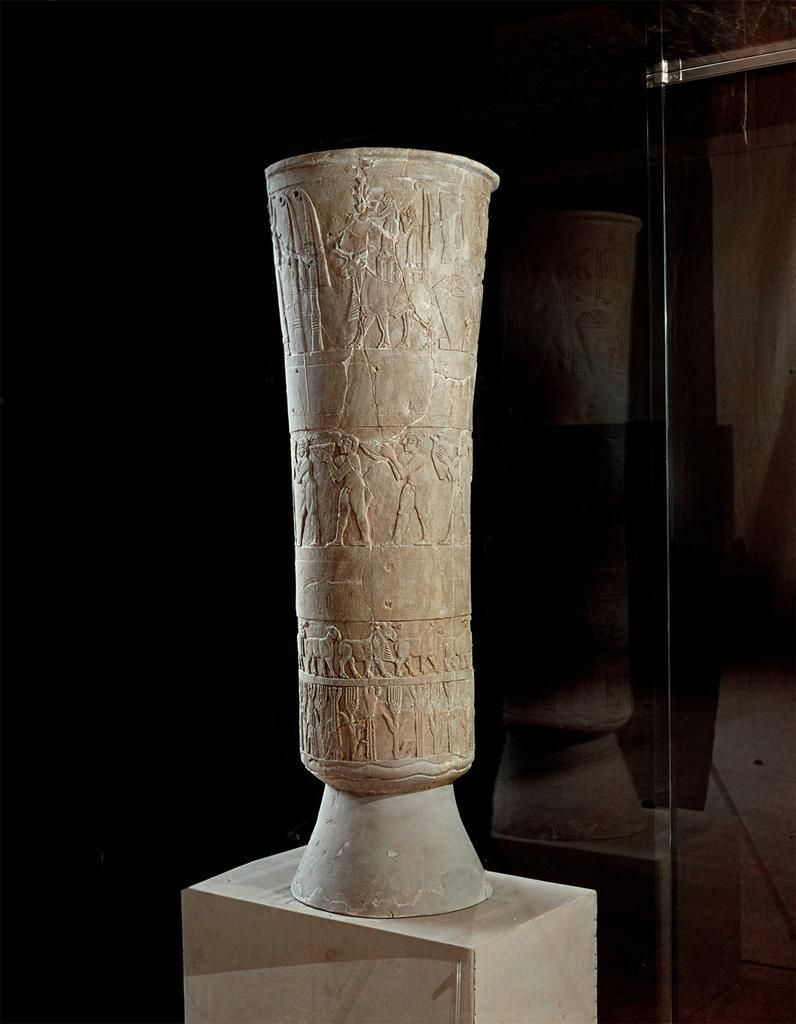
- 6—"The Standard of Ur"
ca. 2600-2400 BCE
Ur, Iraq
- 7—"Head of an Akkadian Ruler"
ca. 2250-2200 BCE
Iraq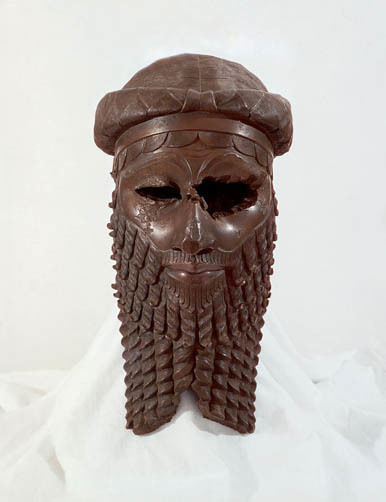
- 8—"Victory Stele of Naram-Sin"
2254-2218 BCE
Iran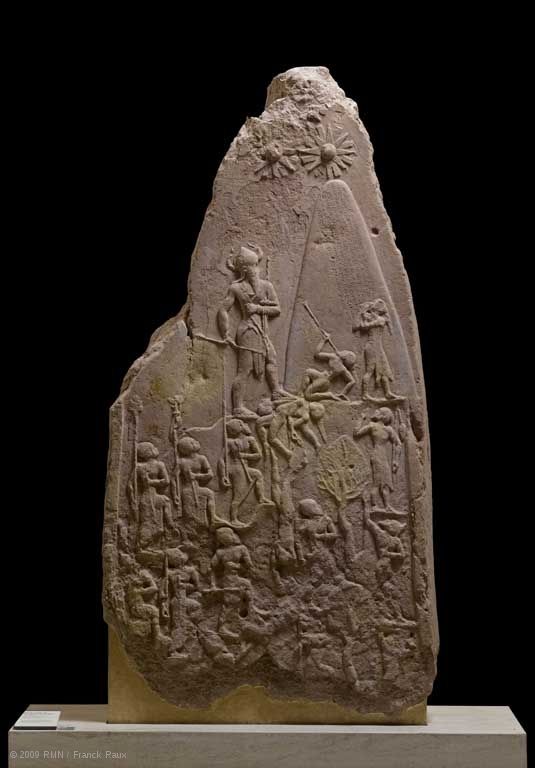
- 9—"Gudea holding an overflowing water jar"
2100 BCE
Iraq
- 10—"Stele with Code of Hammurabi"
1780 BCE
Iran
- 11—"Lamassu" (From Nimrud)
ca. 883-859 BCE
Iraq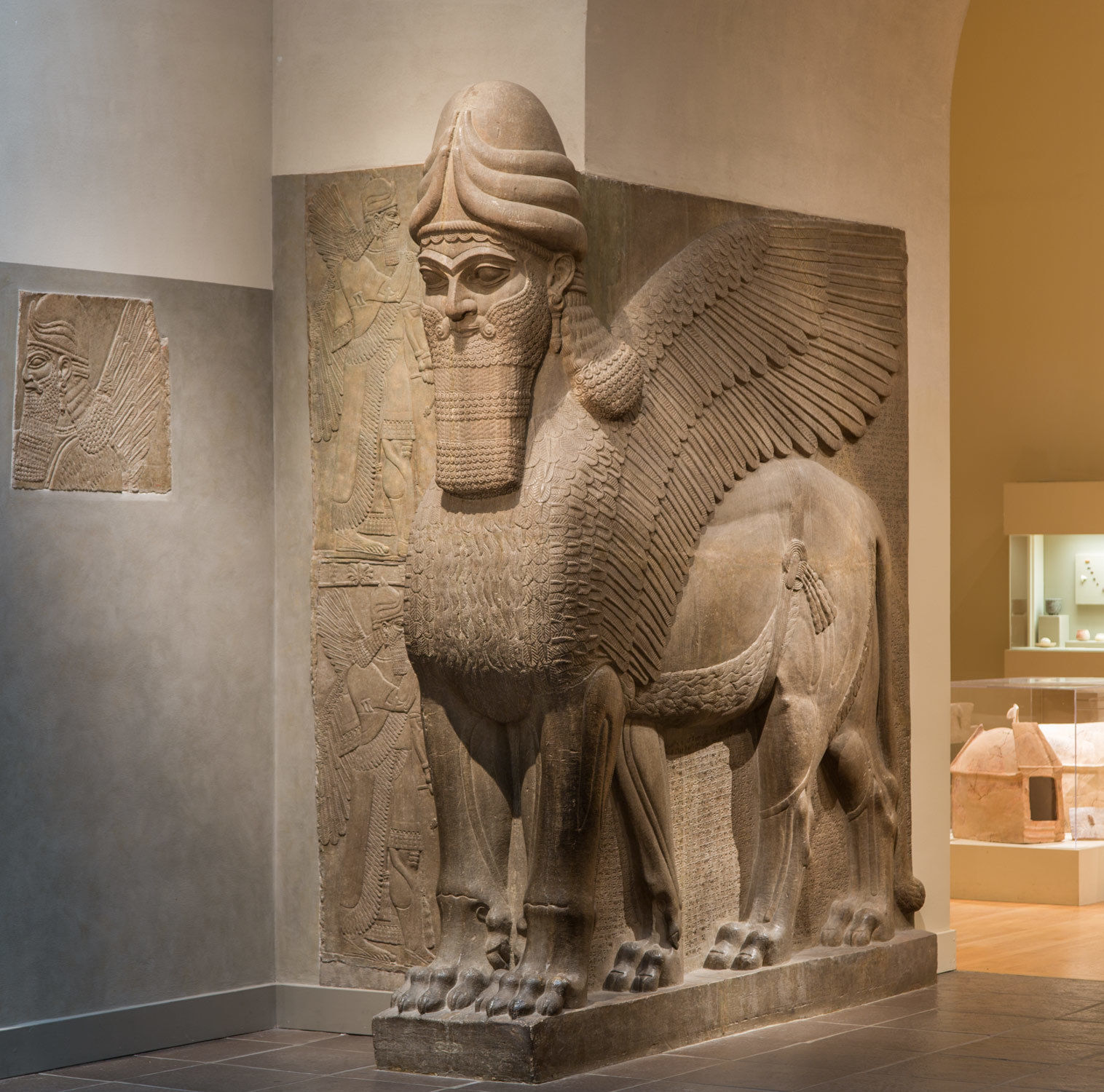
- 12ParietalArtwork was done on cave walls or large blocks of stone.
- 13MobiliaryAlso known as portable art. Small prehistoric art that could be carried from place to place.
- 14Composite ViewPart of a figure is shown in profile and another part of the same figure is shown frontally.
- 15Low ReliefSubjects barely stand out from the background. Not very three dimensional.
- 16Paleolithic(Old stone age) food gathering/hunting, use of caves, "venus woman"
- 17Mesolithic(Middle stone age) Intensification of food gathering and taming of dogs
- 18Neolithic(New stone age) Humans live in organized groups, agriculture rises
- 19KaThe spiritual part of an individual human being or god, which survived (with the soul) after death and could reside in a statue of the person.
- 20Canopic JarJars (4) each for the safekeeping of the stomach, intestines, lungs, and liver, all of which, it was believed, would be needed in the afterlife.
- 21Bilateral SymmetrySymmetrical on either side of a plane
- 22Ashlar Masonrystones are cut and dressed or worked, so they have the same shape, size and surface texture.
- 23Engaged columna column embedded in a wall and partly projecting from the surface of the wall
- 24canona general law, rule, principle, or criterion by which something is judged.
- 25fresco seccotechnique of painting on dry plaster with pigments mixed in water.
- 26colonnadea row of columns supporting a roof
- 27clerestory windowA high section of wall that contains windows above eye level. The purpose is to admit light, fresh air, or both
- 28Hypostyle hallinterior space whose roof rests on pillars or columns. The word means “under pillars,” design allows for the construction of large spaces without the need for arches.
- 29—Palette of King Narmer,
3000-2920 BCE
Egypt
- 30—Funerary Complex at Saqqara Egypt
2630 BCE
Architect: Imhotep
Egypt
- 31—Seated Figure of King Khafre,
2520 – 2494 BCE
Egypt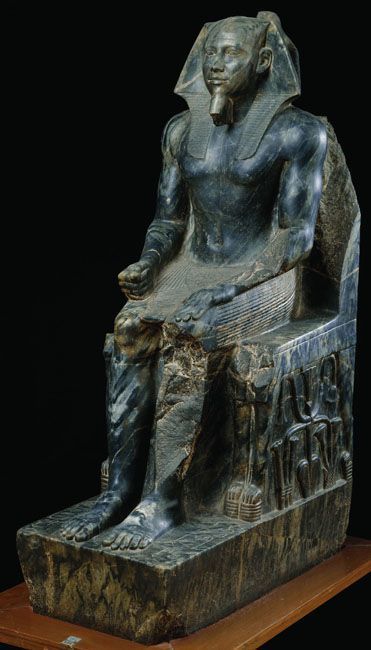
- 32—Menkaure and his Wife, Khamerernebty, 2490 – 2472 BCE
Egypt
- 33—Statue of Hatshepsut
ca. 1479–1458 B.C.E
Egypt
- 34—
Informationen
- Beschreibung
- photo and vocab reference
- Erstellt von
- Alyssa Winkler
- Aufrufe
- 38
- Tags
- Bewertung