
Test
KS3 Reversible and Irreversible Changes Quiz
Preguntas del test (11)
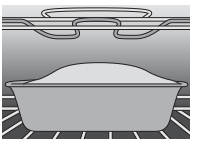
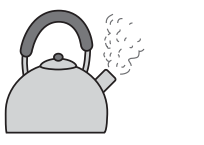
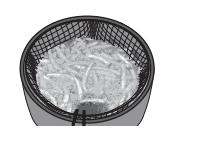
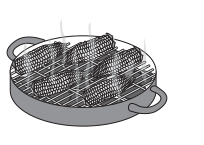
1Which of these is a reversible change?
- Abaking bread
- Bboiling water
- Cfrying chips
- Dgrilling sweetcorn
- Abaking bread
2The arrows on the diagram show changes of state.
Which letter shows melting?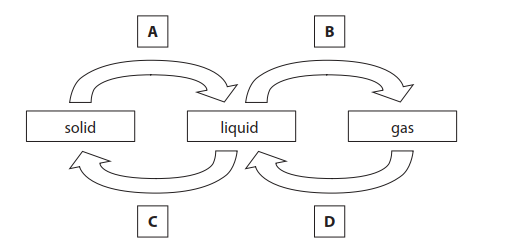
- AA
- BB
- CC
- DD
3The arrows on the diagram show changes of state.
Which letter shows condensing?- AA
- BB
- CC
- DD
4The substances in a mixture:
- Aare always the same colour.
- Bare chemically joined together.
- Ccan be separated.
- Dare always liquids.
5Filtration can be used to separate a mixture of:
- Asalt and water.
- Bsand and salt.
- Csand and water.
- Dsugar and salt.
6Sieving can be used to separate a mixture of:
- Asand and flour.
- Bsand and sugar.
- Cstones and sand.
- Dsalt and water.
7Which of these substances dissolves in water?
- Aflour
- Bsalt
- Csand
- Dstones
8Sophie and her dad are cooking in the kitchen.
Sophie spills some flour onto some raisins.
Tick ONE box to show the equipment Sophie could use to separate the flour from the raisins quickly.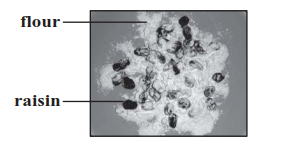
- Awooden spoon
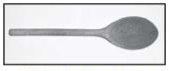
- Bsieve
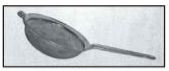
- Cweighing scales
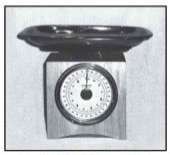
- Dfilter
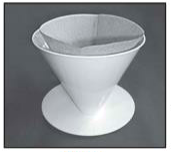
- Awooden spoon
9Connor was testing some solid powders to see if they dissolved. The diagram shows his results.
Which solid did not dissolve?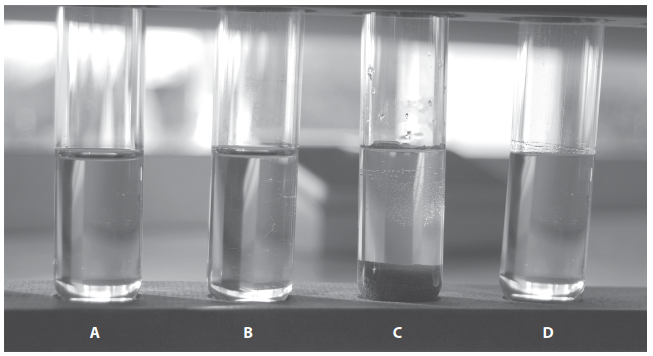
- AA
- BB
- CC
- DD
10John is making a clay pot.
Which stage in the process is an example of an irreversible change?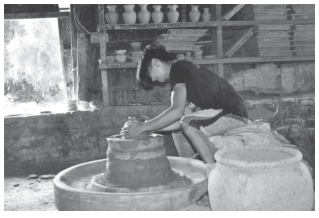
- Acutting the clay
- Bwetting ther clay
- Cshaping the clay
- Dbaking the clay
11Milo separatesa mixture of sand, salt and sugar. He puts the solids into some water and stirs. Then he pours the mixture thrtough filter paper.
What weould he find in the filter paper?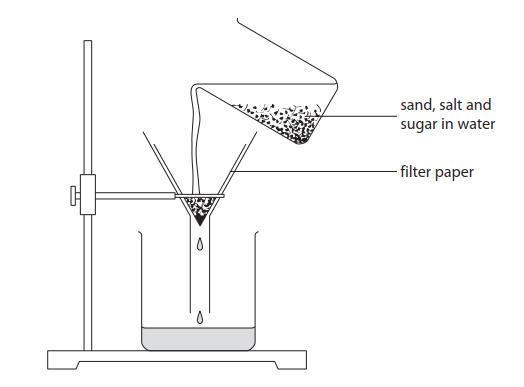
- Asand and salt
- Bsugar and salt
- Csand only
- Dsugar only
Información
- Descripción
- Quiz for KS3 Reversible and Irreversible Changes topic.
- Autor
- Jeffrey Piggott
- Idioma
- English
- Visitas
- 2.326
- Etiquetas
- Valoración
- Aún sin valoraciones Valora este test