
soil
Diapositivas del conjunto (11)
-
- The soil also needs to be cared for, since growing only one type of crop ( monoculture) and the use of pesticides deplete it and contaminate it.
-
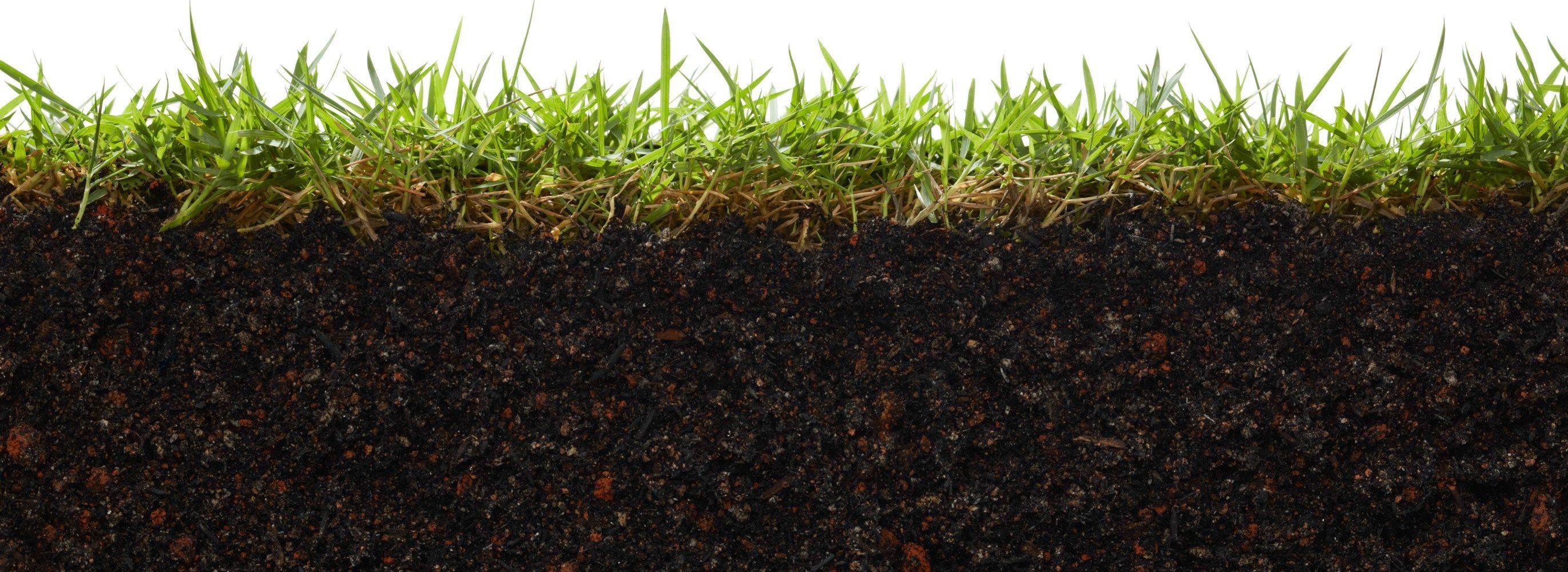
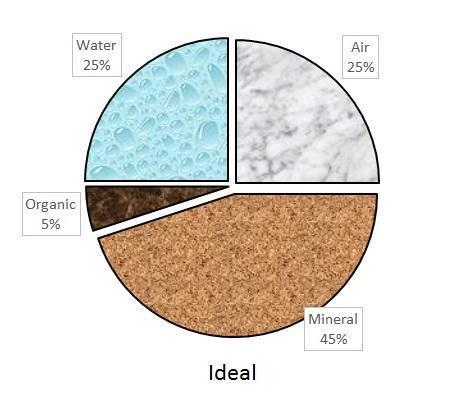
- Soil is the surface layer that naturally covers the Earth`s continents. It is formed by minerals, water, air, rocks, sand, clay and organic matter ( bacteria fungi and subterranean animals, plants that enrich the soil).
-
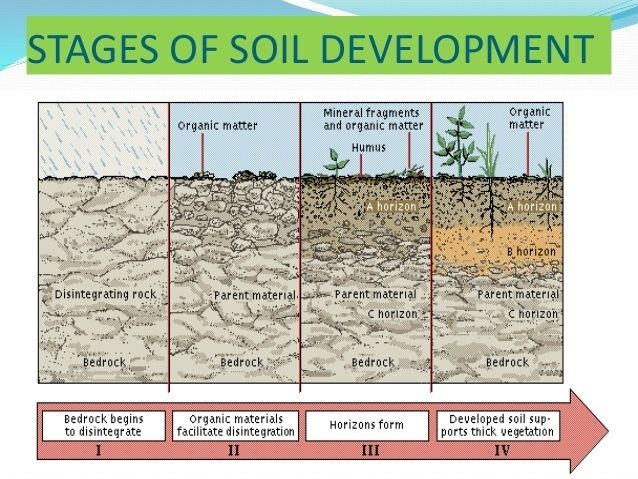
- WEATHERING: The fragmentation of surface rocks due to temperature variation. It is formed of sand, clay or pieces of rock.
- INSTALLATION: Produced by the growth of small plants and animals living in an area. The substances produced by living being alter superficial minerals.
- RECENT SOIL: Heavy vegetation with water, air, and animals and plants remains that form humus as they decompose the organic part of the soil.
-
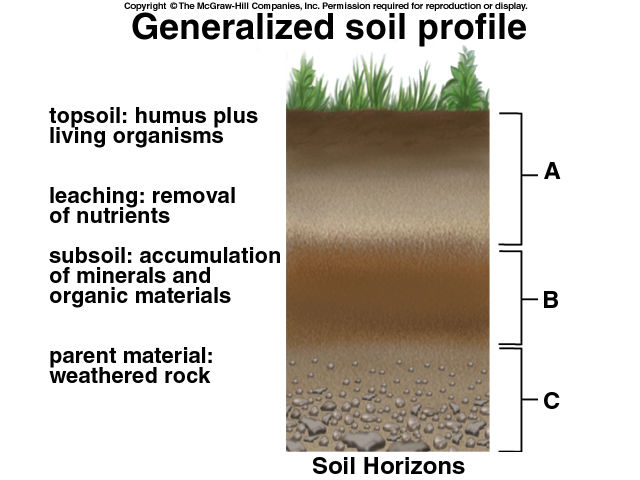
- The soil profile is the order of the vertical layers
- HORIZON A OR SOIL: The fertile layer where plants grow their roots. It is rich in humus, water and air. The horizon can disappear due to erosion, deforestation and fires.
- HORIZON B OR SUBSOIL: Sand, clay and small rocks are abundant; it also contains small amounts of organizc matter.
- HORIZON C OR BEDROCK: Layer formed by the rocks that create soil. There is no life in this layer.
-
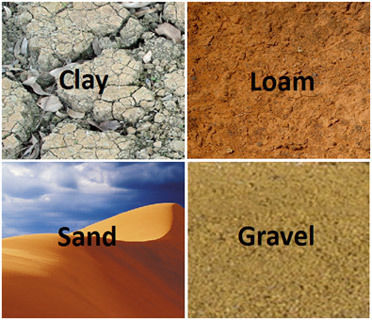
- Not all places have the same type of soil. If you compare the soil of the Amazon with those of the Andean region or along the coast, you will notice that the color and the size of the particles that form it are not equal. These diferences make up the next classification.
-
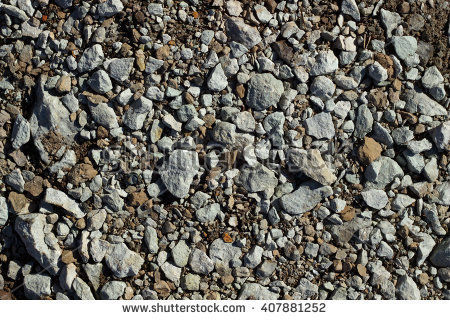
- Rocks are abundant; only mossses ( a very small plants that live on rocks and in very humid areas.) and other small plants can grow in this type of soil
-
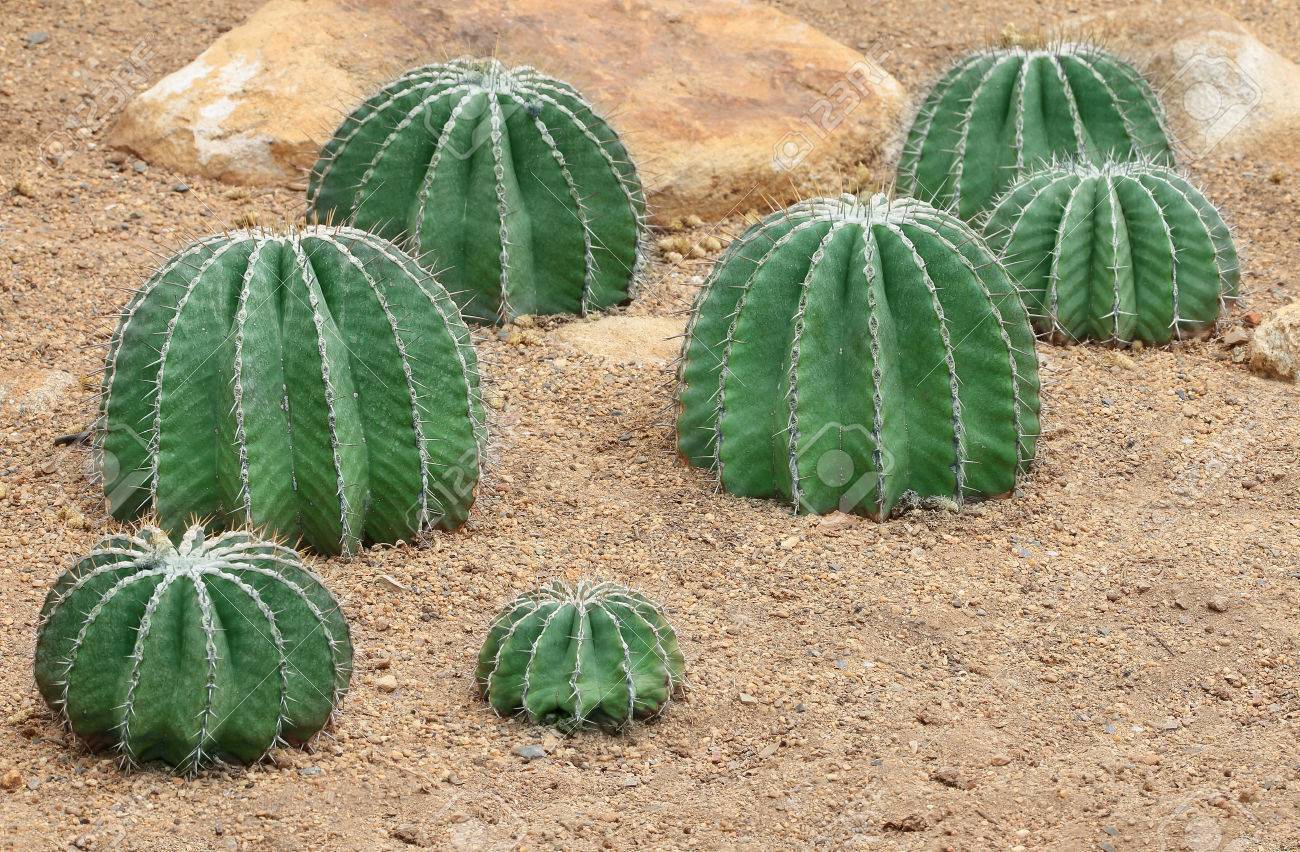
- Sandy soils have a lot of sand and do not retain humidity because water filters rapidly. In these soils only plants that are able to conserve their own water can survive, such as cacti
-
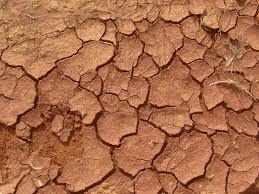
- Clay soils are reddish and clay is abundant. Water stagnates and dirt becomes sticky. But if the soil is dry, it becomes hard and cracked. Clay soils need plenty of water and permanent loosening in order to be productive. A variety of plants grow in these soils, such as potatoes.
-
- In this type of soil, silt deposits abundantly after flooding, It contains minerals and nutrients that help the development of a variety of plants, such as rice and lettuce.
-
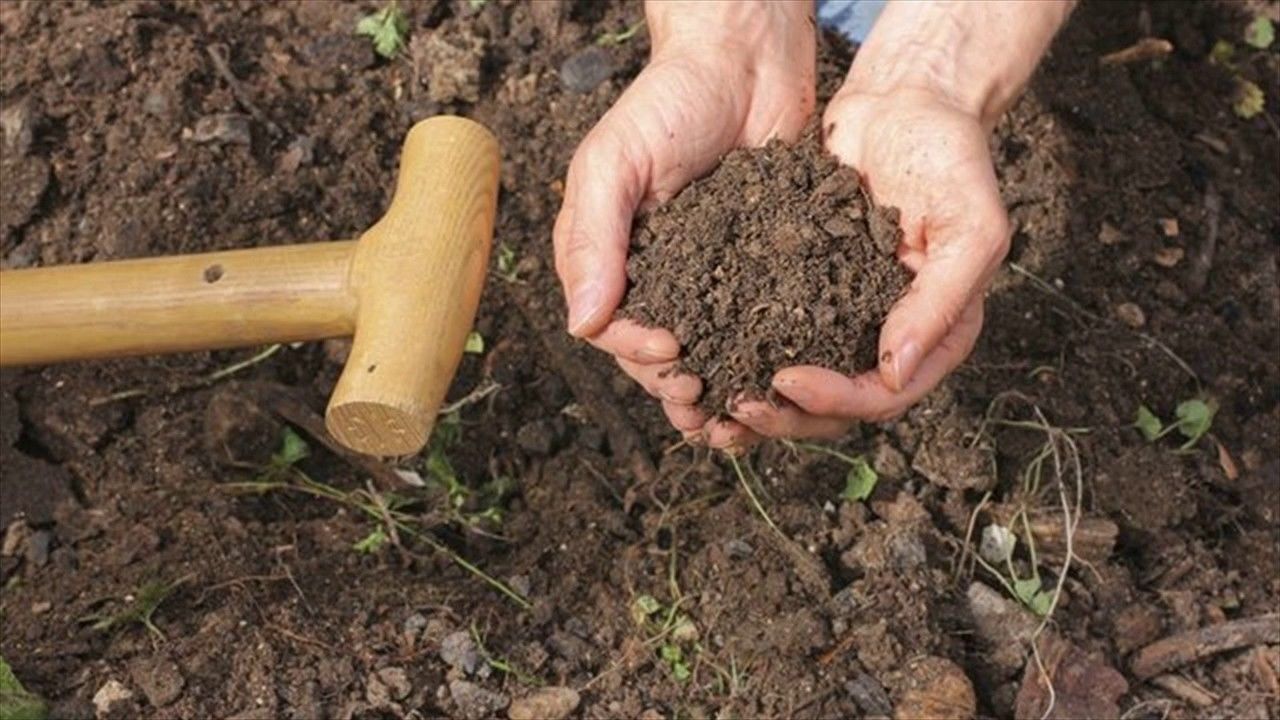
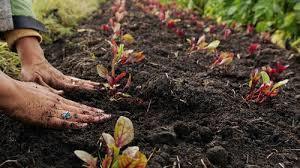
- Rich in humus, dark colored, good for agriculture, specially for vegetables.
-
- Natural Science 4 BGE. RIchmond Santillana 2017
Información
- Descripción
- Diapositivas sobre soil, creado por MARIA CRISTINA ROMO el 08/04/2018.
- Creado por
- MARIA CRISTINA ROMO
- Visitas
- 249
- Valoración