
Fichas
Bug Orders
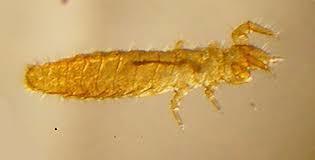
Fichas del conjunto (85)
- 1What is the common name and order of this insect?Order: Thysanura
Common Name: Silverfish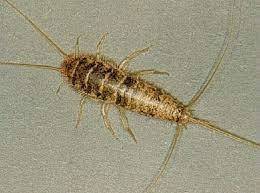
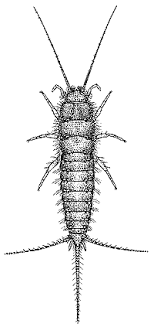
- 2what are some characteristics of Diplura?1. long antennae and a pair of long cerci
2. lack compound eyes
3. chewing mouthparts
4. external fertilization - 3What is the order and common name of this specimen?Order: Grylloblattodea
Common name: Rock crawlers or Ice crawlers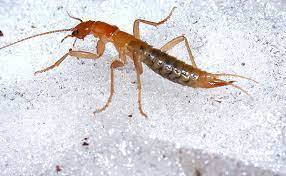
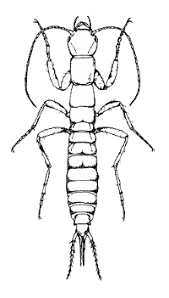
- 4what order is this?Diplura
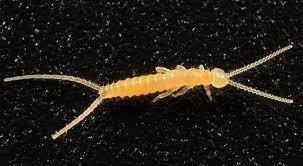
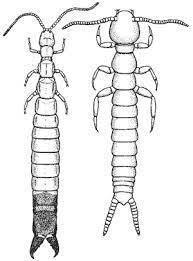
- 5what are some characteristics of Protura?1. lack antennae
2. lack compound eyes
3. have cerci
4. 12- segmented abdomen
5. piercing and sucking mouthparts - 6What are some characteristics of Thysanura?1. 3 abdominal appendages
2. pair of cerci and caudal filament
3. body covered in scales
4. feed on starchy substances - 7What are some characteristics of Collembola?1. no cerci, 6 or fewer abdominal segments
2. small, oval bodies
3. chewing mouthparts
4. forked furcula on the 4th or 5th segment - 8What is the order and common name of this specimen?order: Ephemeroptera
common name: mayfly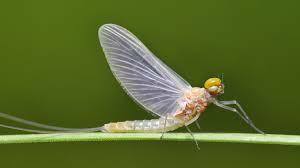
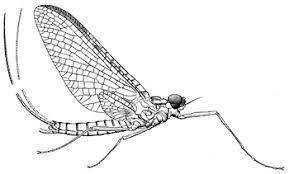
- 9what are some characteristics of Ephemeroptera?1. large triangular forewings, small rounded hindwing
2. wings held vertically
3. aquatic larvae
4. oldest order of winged insects
5. short antennae
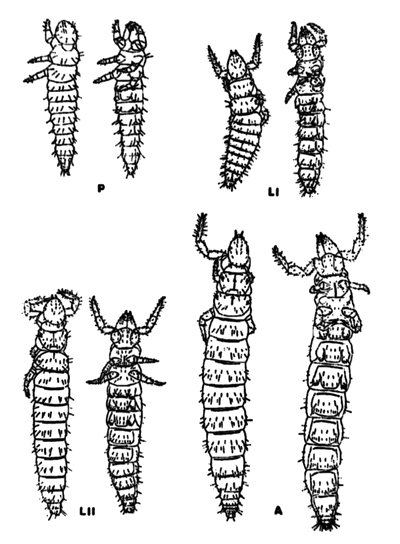
6. mouthparts nonfunctional in adults - 10what order is this?protura
- 11what is the difference between damselfly and dragonfly naiads?damselflies are slimmer than dragonflies, have longer legs and 3 long external gills at the end of the abdomen
- 12What are some characteristics of Odanata?1. large, strong fliers
2. very large compound eyes, short antennae
3. wings nearly equal in size, multiple cross-veins
4. setaceous antennae
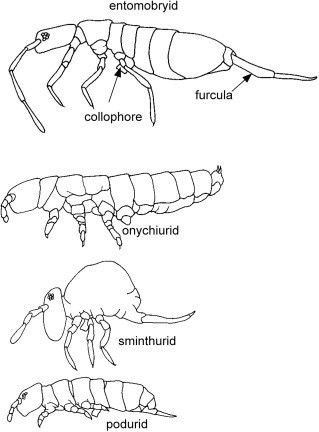
5. have sclerotized crosswings for strength - 13What is the common name and order of this insect?Order: Collembola
Common name: springtails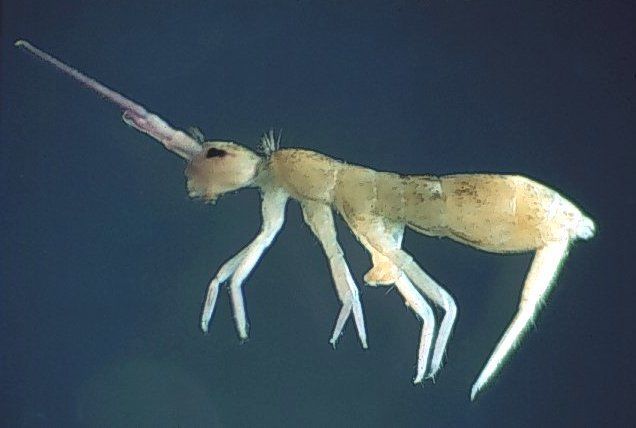
- 14What is the order and common name of this specimen?Order: plecoptera
Common Name: Stoneflies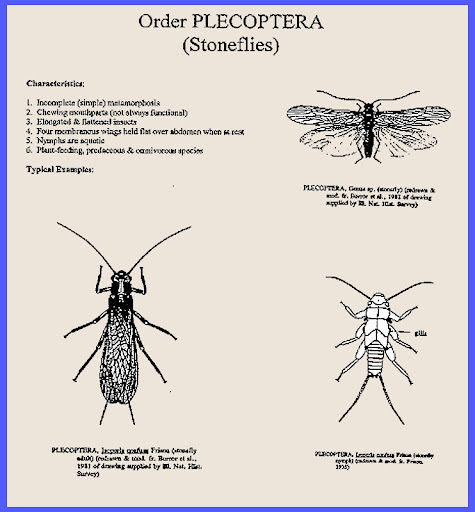
- 15What is the order and common name of this specimen?Order: Odanata
Common Name: Damselfly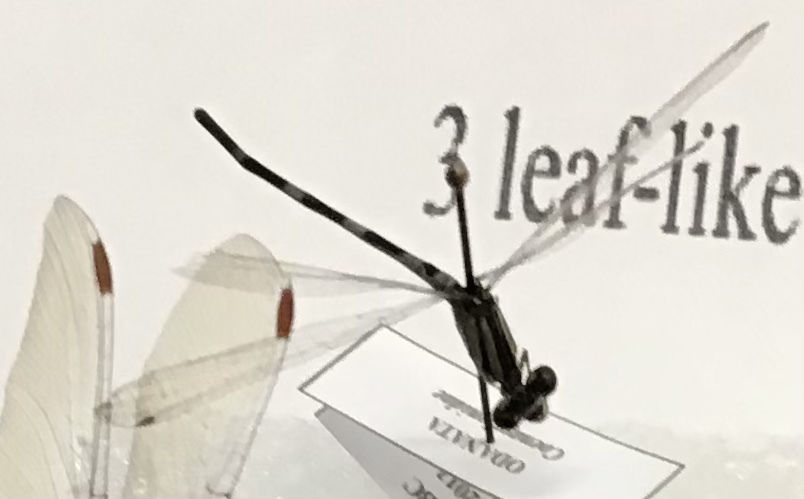
- 16what are some characteristics of Plecoptera?1. long multi-segmented antennae
2. bulging compound eyes
3. 2 pairs of membranous wings, hindwings are broader
4. naiads are flattened
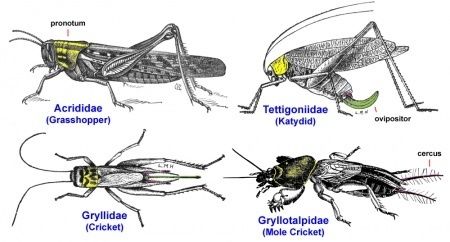
5. tufted gills at the leg bases or abdomen - 17What is the order and common name of this specimen?Order: Orthoptera
Common Name: locust, grasshopper, cricket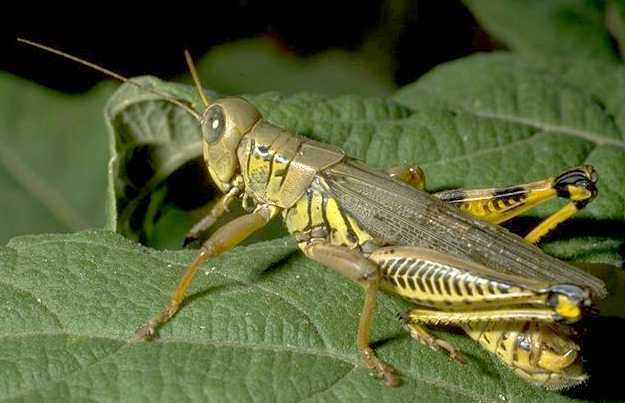
- 18What are some characteristics of Phasmida?1. large, slow and often wingless
2. elongated bodies
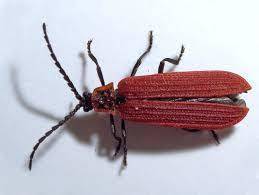
3. chewing mouthparts, herbivorous - 19What is the order and common name of this specimen?Order: dictyoptera
Common name: Cockroach, preying Mantis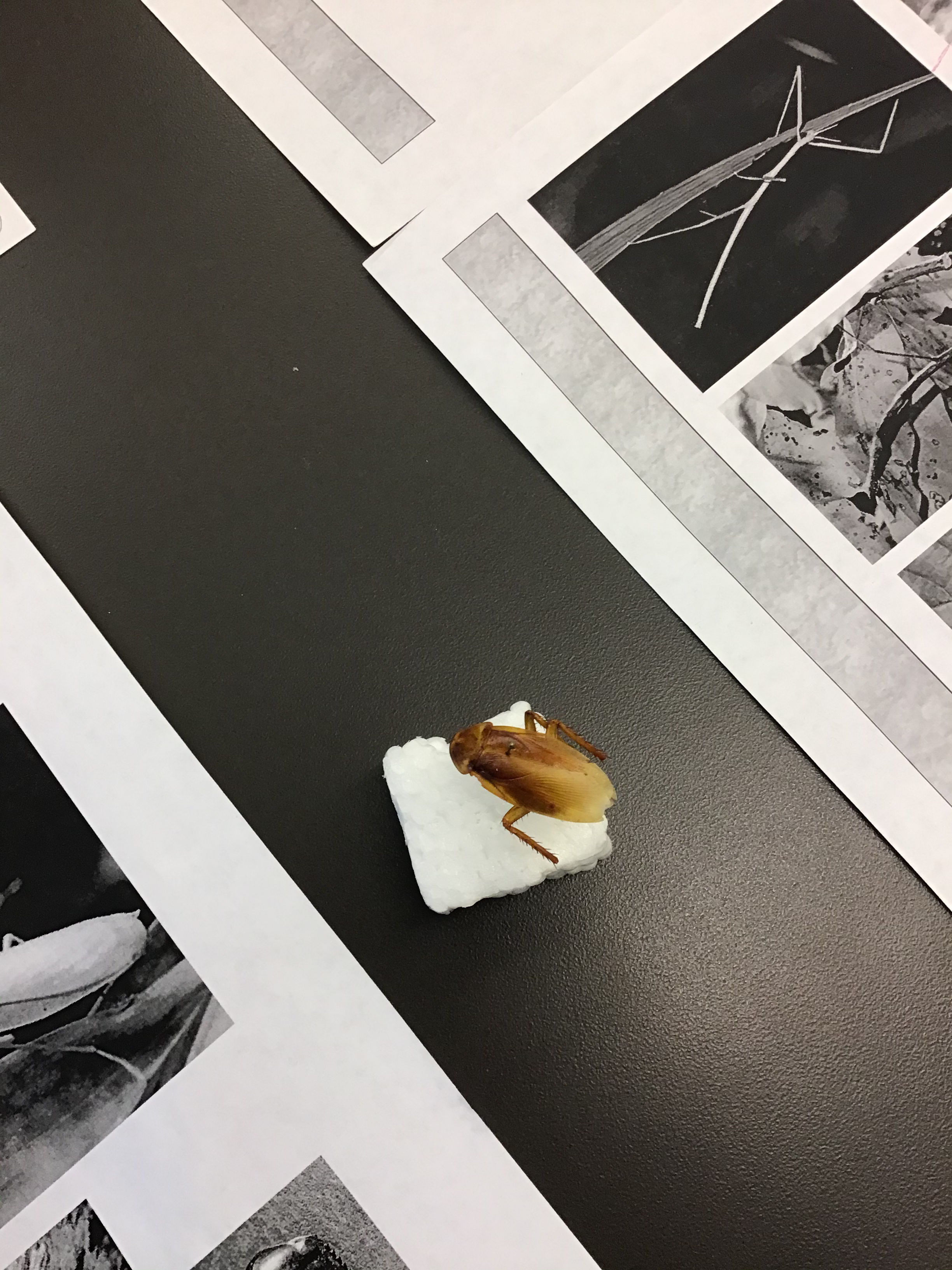
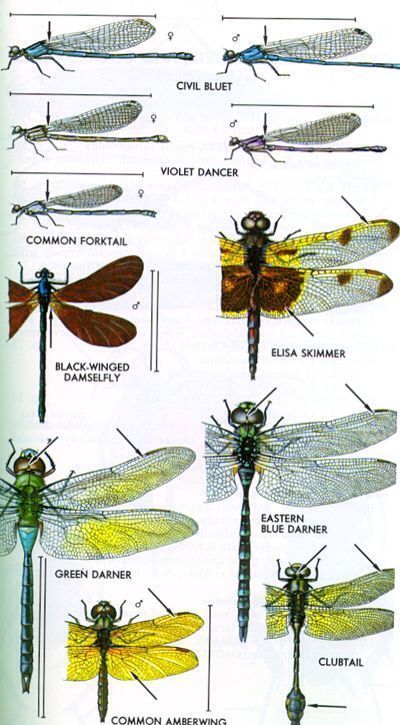
- 20What is the order and common name of this specimen?Order: Odanata
Common Name: Dragonfly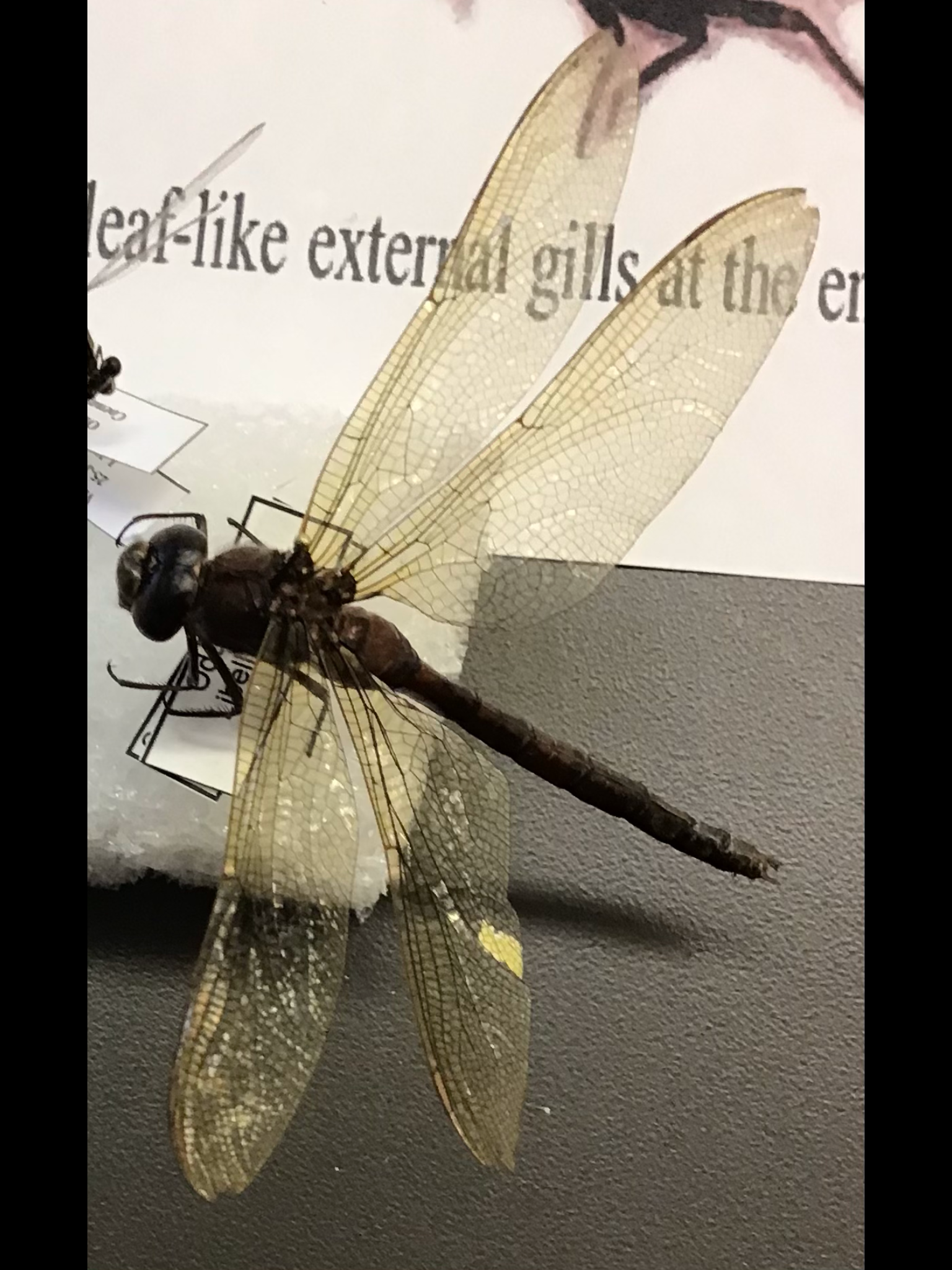
- 21What are some characteristics of Dictyoptera?1. medium to large insects, broadly oval, dorsoventrally flattened
2. eggs laid in an ootheca
4. chewing mouthparts - 22What are some characteristics of Grylloblattodea?1. Discovered in Canada in 1913
2. used as an emblem for the entomological society of Canada
3. long antennae, long cerci
4. chewing mouthparts
5. small compound eyes - 23What is the order and common name of this specimen?Order: Dermaptera
Common Name: Earwig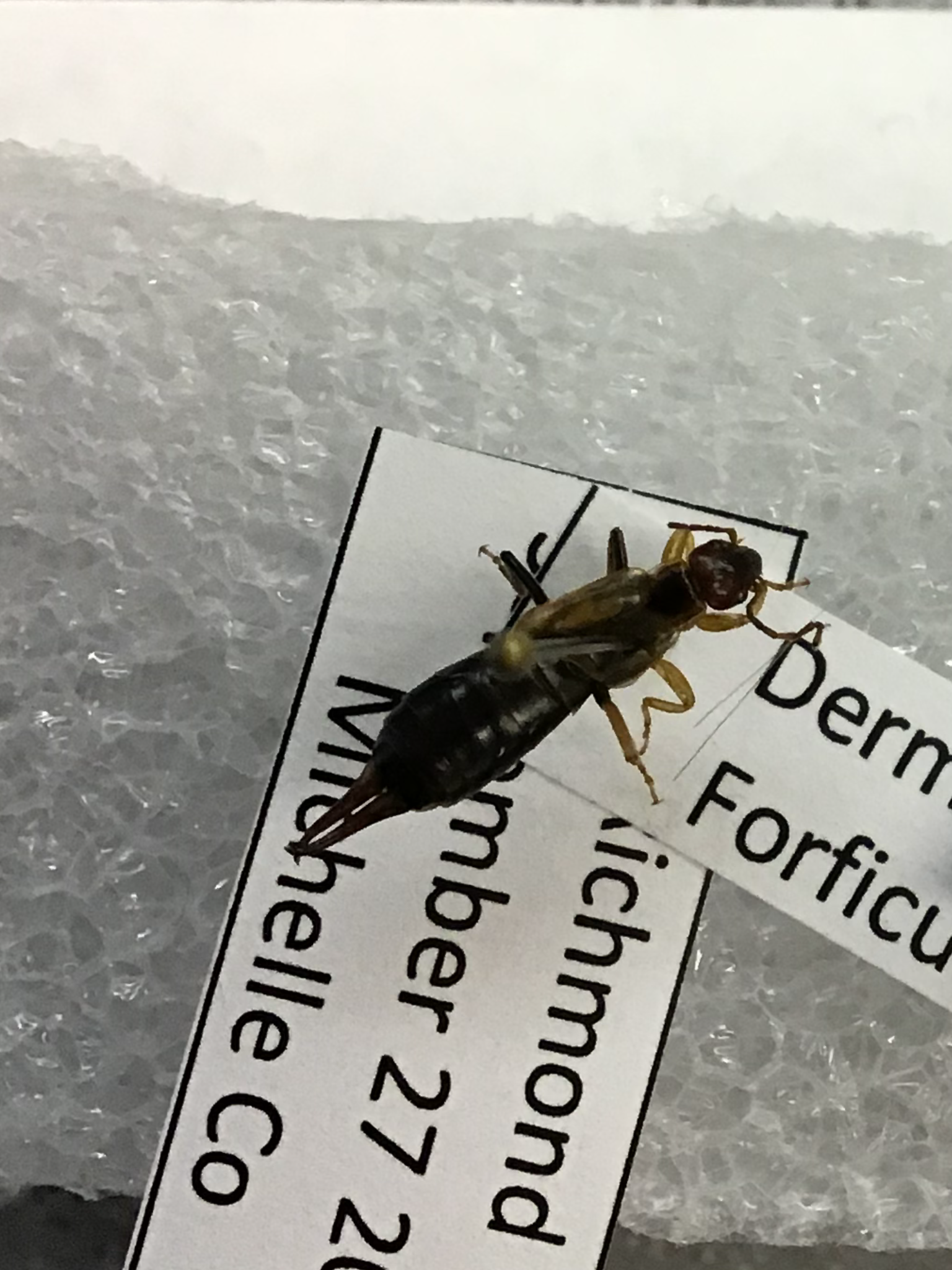
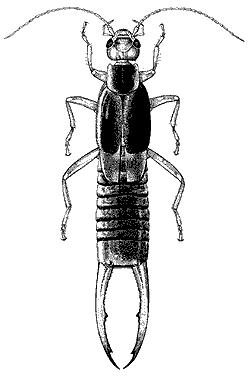
- 24What are some characteristics of Dermaptera?1. pincer-like cerci, very short tegmina
2. chewing mouthparts, omnivorous
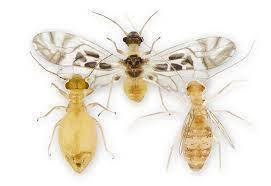
3. nocturnal - 25What is the order and common name of this specimen?Order: Psocoptera
Common Name: booklice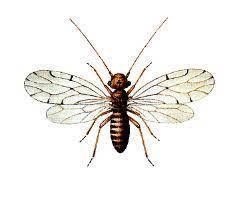
- 26what are some characteristics of Orthoptera?1. hind femur modified for jumping
2. front wings thickened (tegmina)
3. pronotum extends downward at sides
4. chewing mouthparts - 27What is the order and common name of this specimen?Order: Phasmida
Common Name: stick insect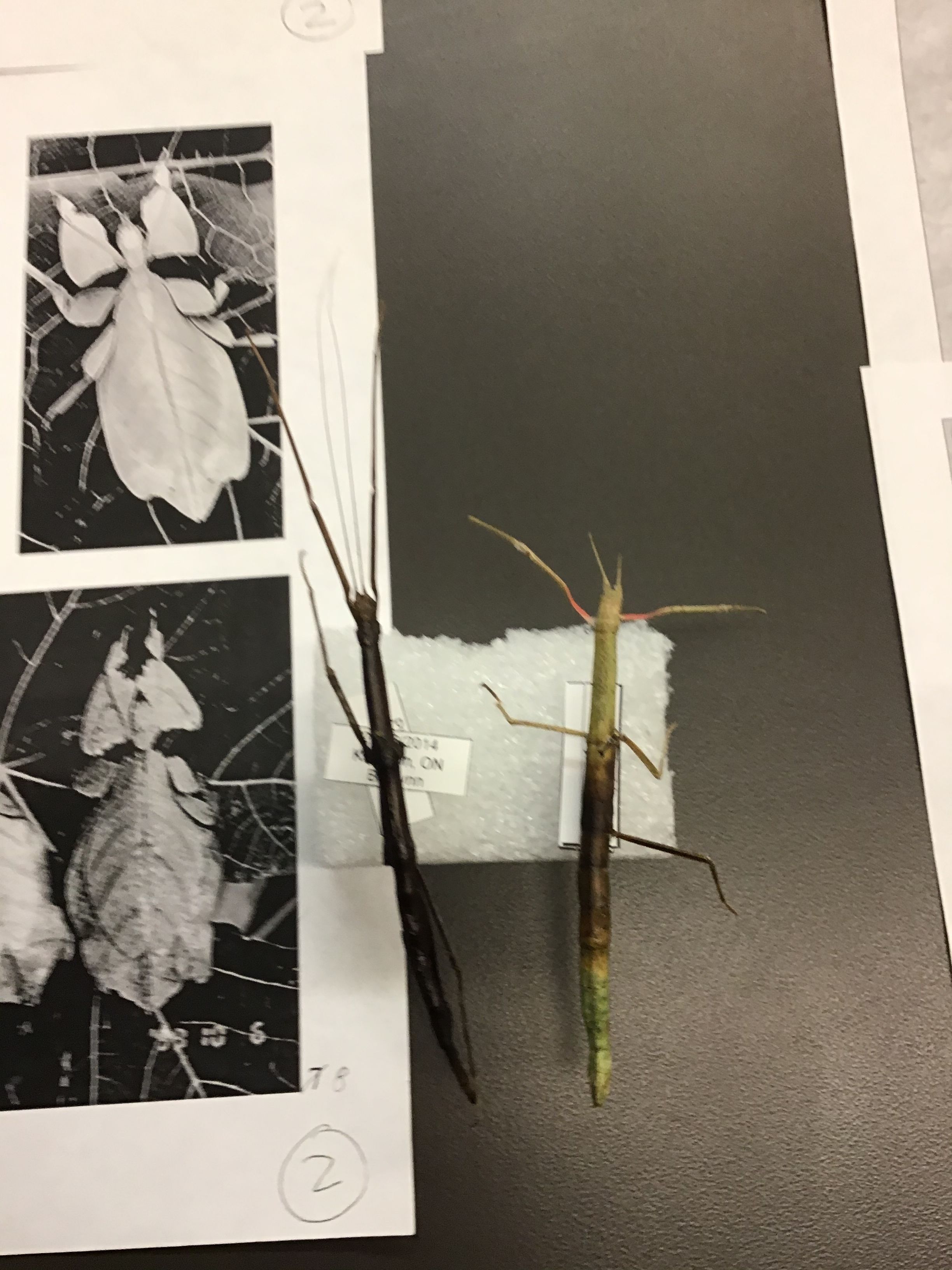
- 28What is the order and common name of this specimen?Order: Isoptera
Common Name: Termite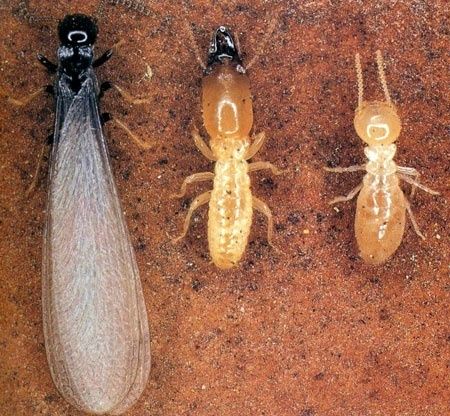
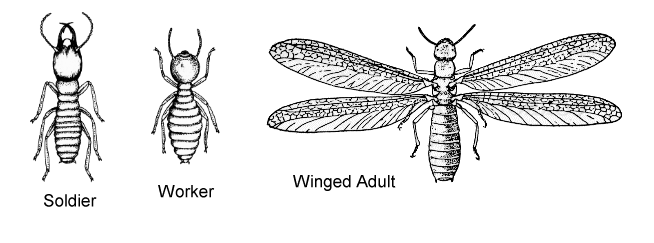
- 29What are some characteristics of Isoptera?1. small-medium sized, soft-bodied, pale
2. exclusively social, caste structure consisting of workers, soldiers (sterile)
3. adults have wings
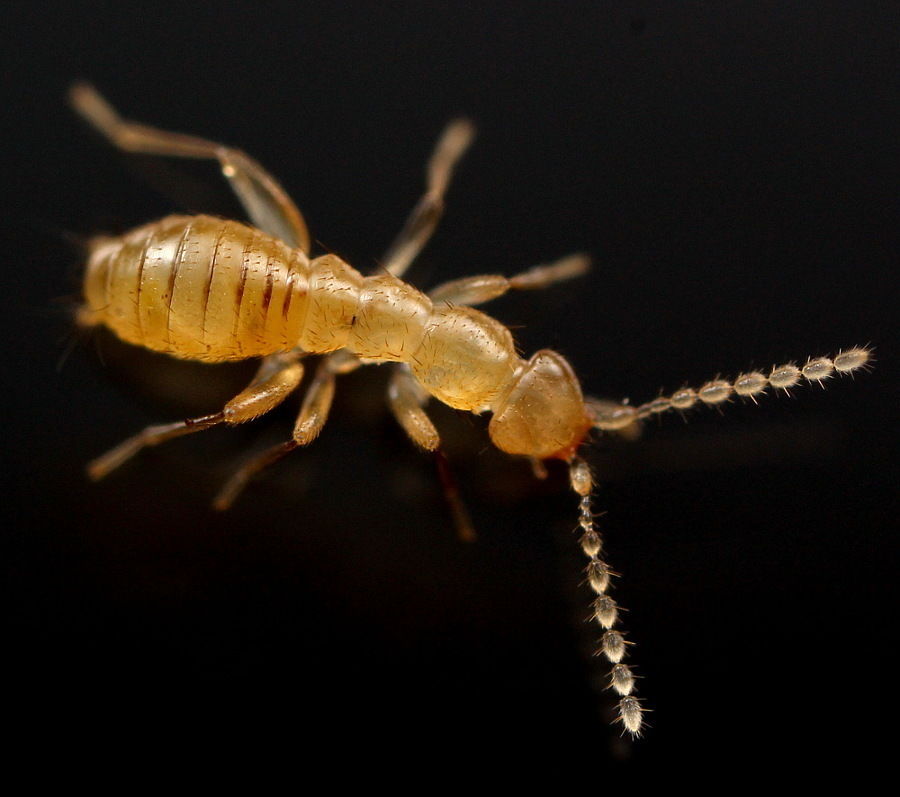
4. feed on celluslose-containing materials - 30What is the order and common name of this specimen?Order; Zoraptera
Common Name: angel insect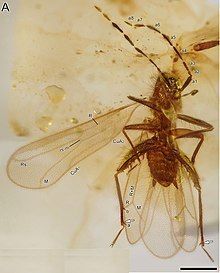
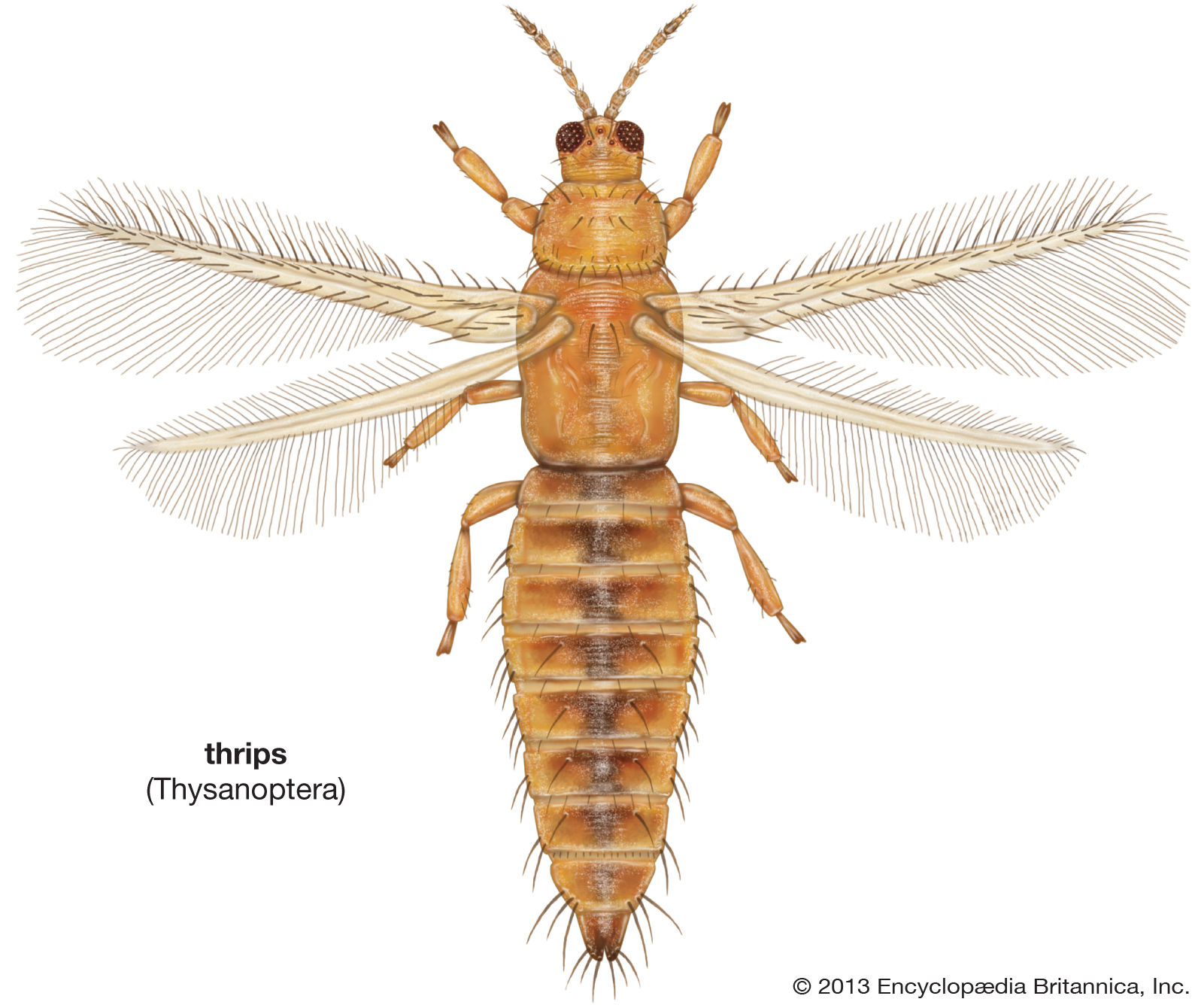
- 31What is the order and common name of this specimen?Order: Thysanoptera
Common name: Thrips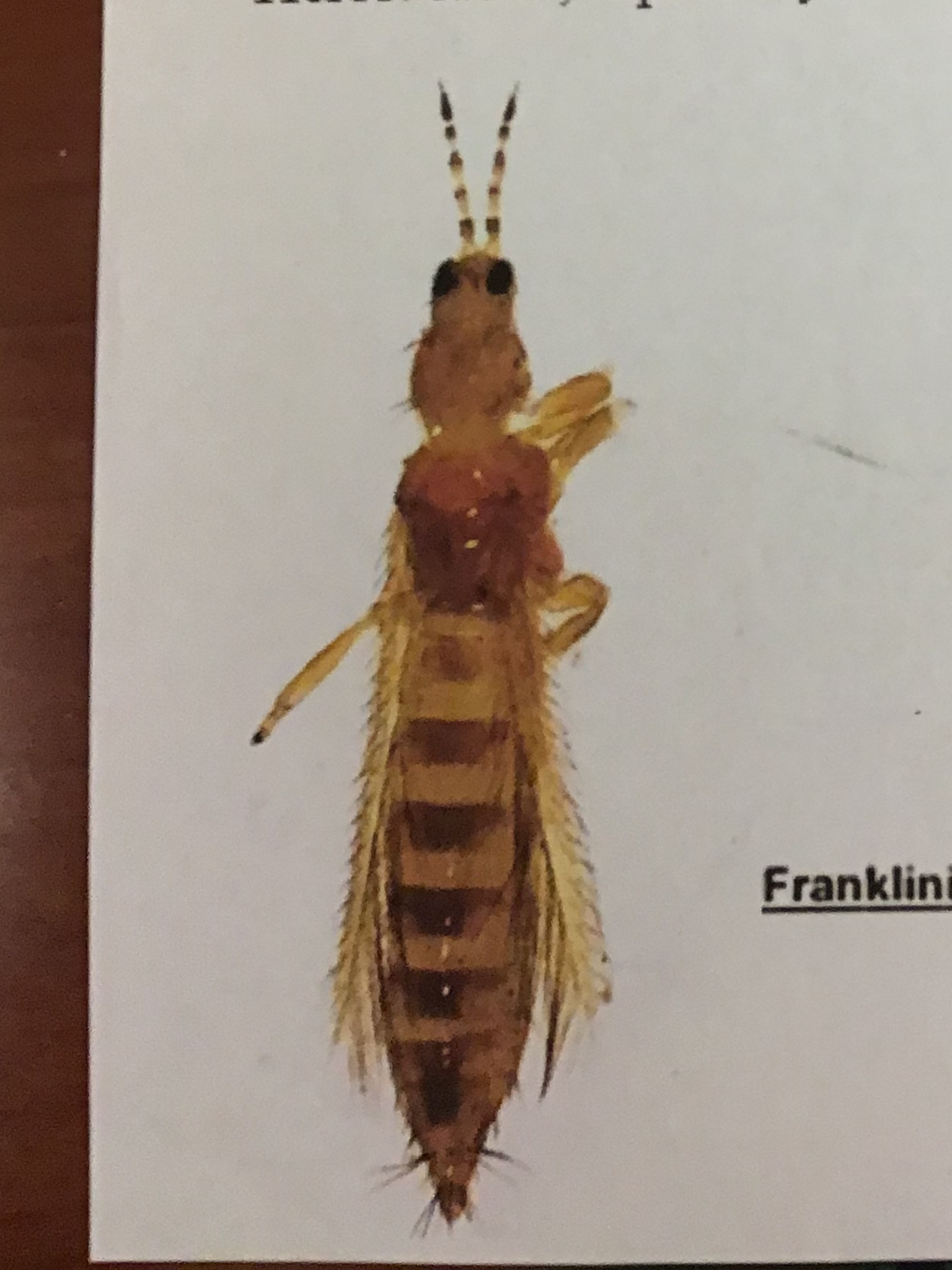
- 32What are some characteristics of Psocoptera1. winged and wingless species
2. long threadlike antennae
3. chewing mouthparts; omnivorous
4. require humid conditions
5. hind legs on second and third appendage - 33What are some characteristics of Mallophaga?1. wingless
2. head wider than pronotum
3. chewing mouthparts
4. ectoparasites of birds (feed on feathers, hair)
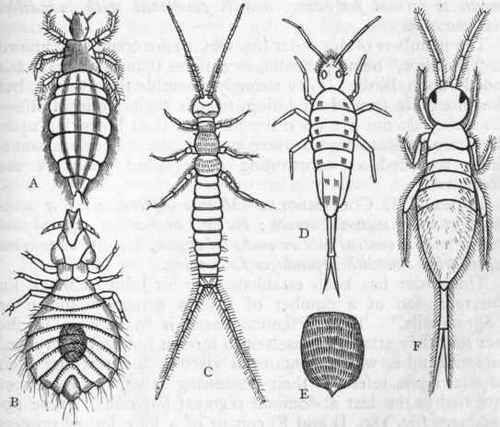
5. cant live off host for more than 1-2 days - 34What is the order and common name of this specimen?Order: Anoplura
Common Name: head louse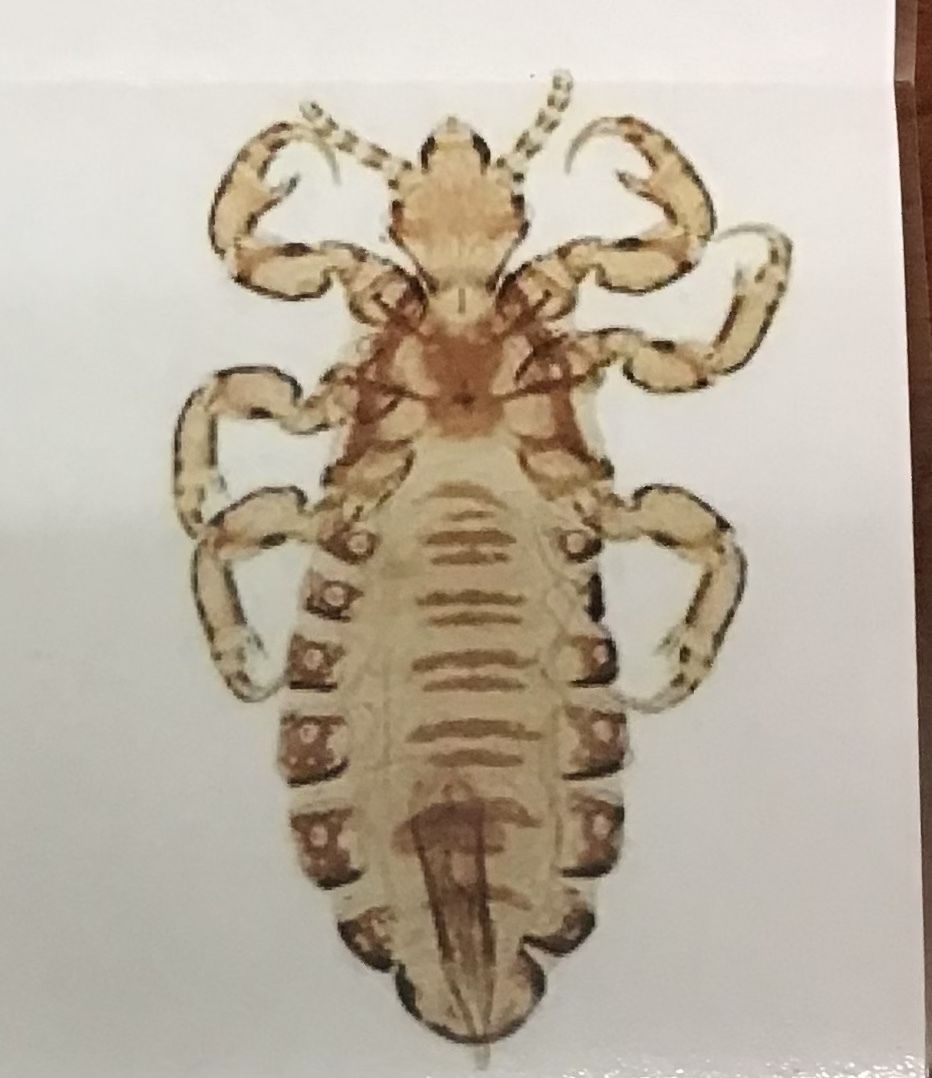
- 35What is the order and common name of this specimen?Order: Hemiptera
common name: bed bugs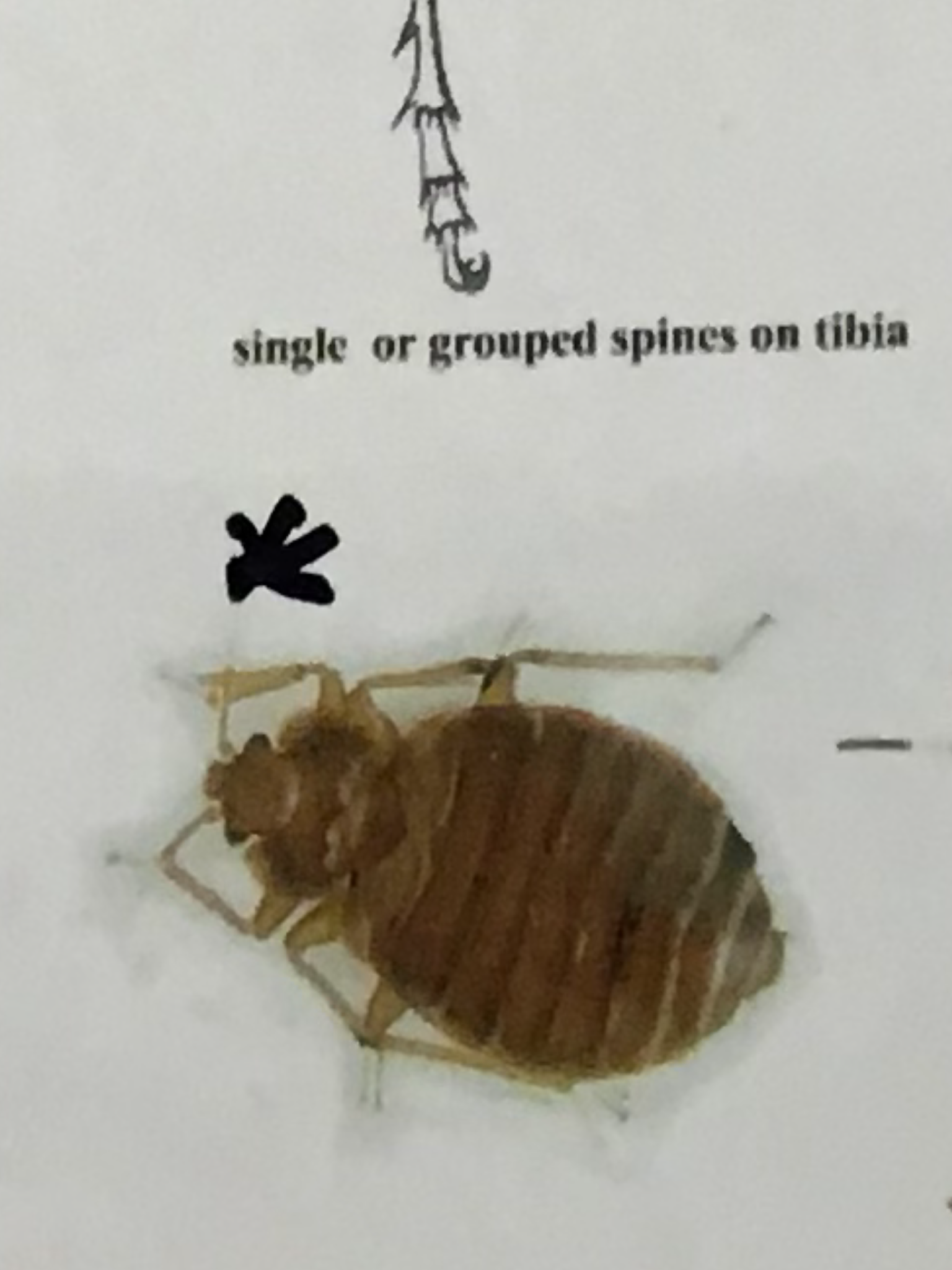
- 36What are some characteristics of Zoraptera?1. termite like
2. gregarious but not social
3. usually wingless
4. associated with rotting wood
5. beaded antennae - 37What are some characteristics of Thysanoptera?1. wingless or wings fringed with hair
2. rasping/sucking mouthparts
3. herbivorous
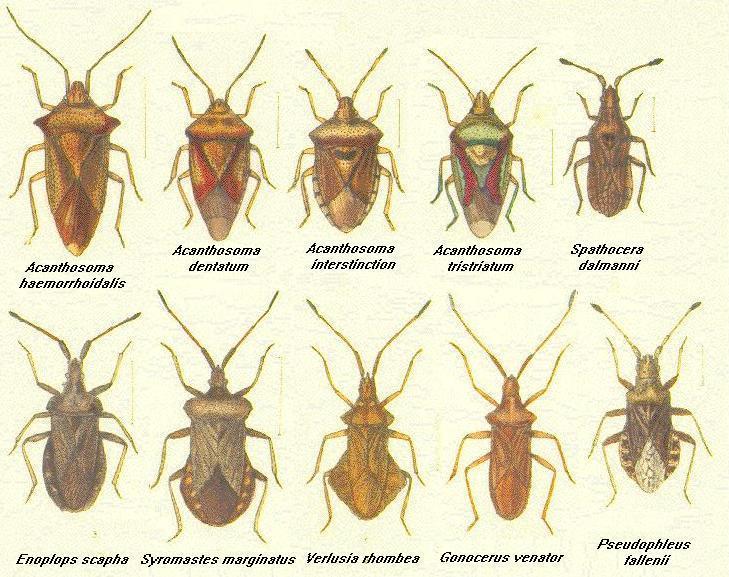
4. 2 larval stages, 2-3 inactive pupal stages - 38what are some characteristics of Hemiptera?1. piercing/ sucking mouthparts
2. two pairs of wings; forewings partly sclerotized (hemelytra)
3. large order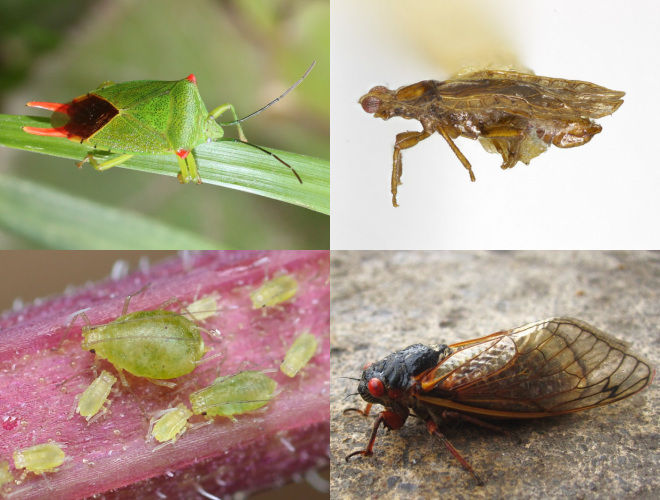
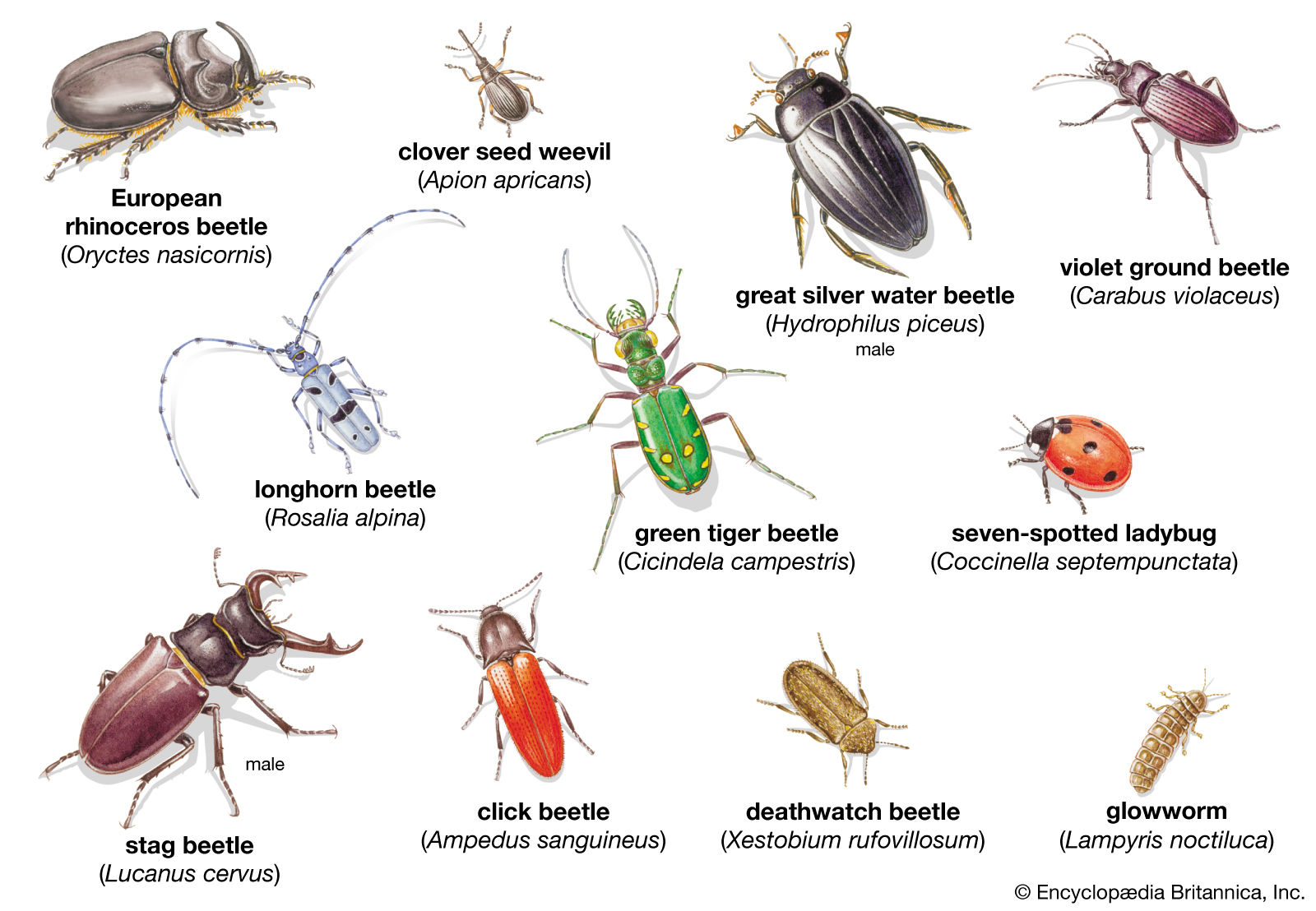
- 39What are some characteristics of Coleoptera?1. largest bug order
2. forewings sclerotized to elytra: hindwings folded, membranous
3. chewing mouthparts
4. larvae are wormlike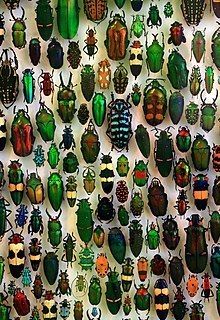
- 40What are some characteristics of Anoplura?1. small wingless
2. 1-segmented tarsus with a single claw
3. sucking mouthparts, blood feeders
4. ectoparasites of mammals - 41What is the order and common name of this specimen?order: Strepisptera
common name: twisted wing parasite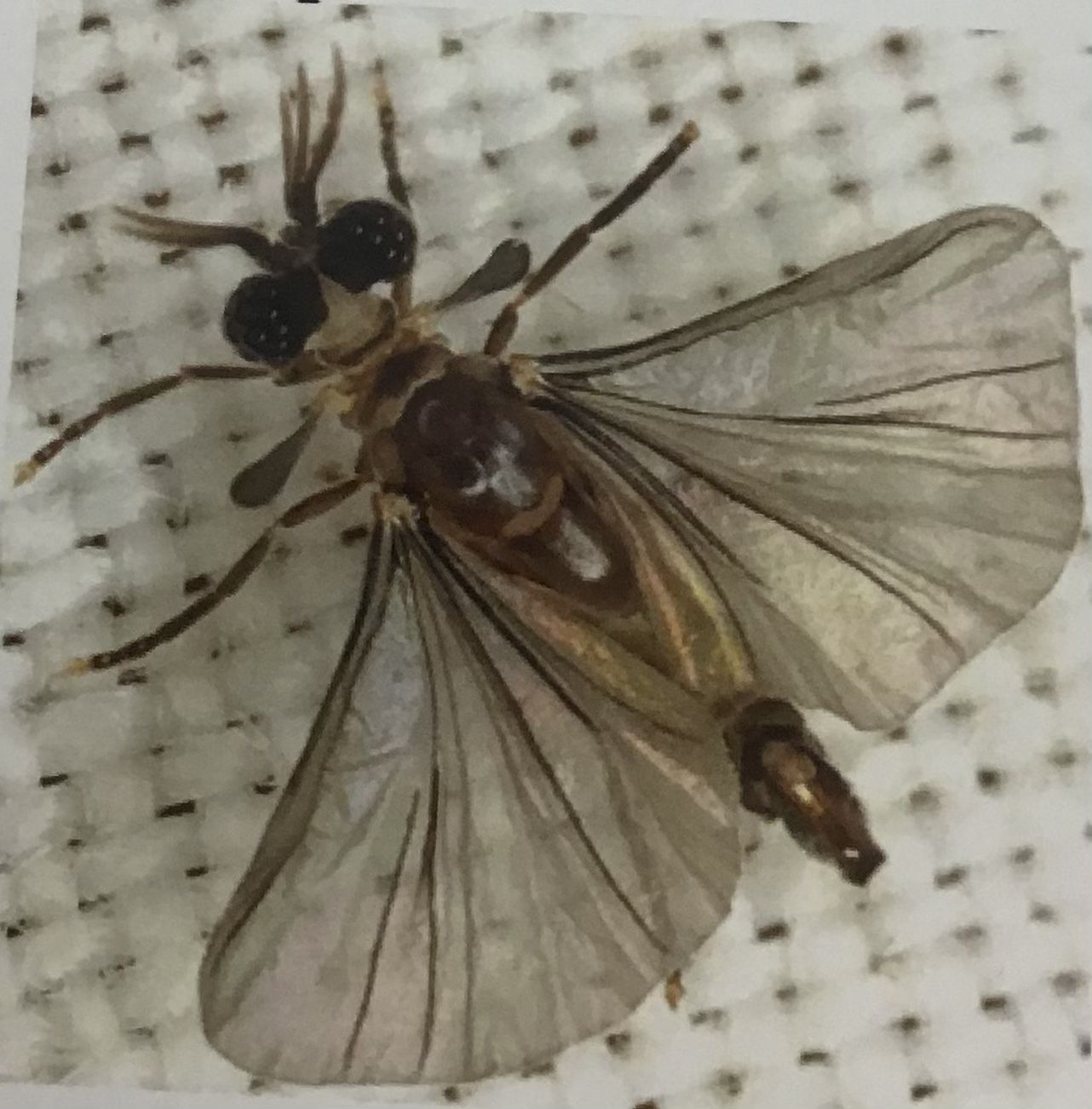
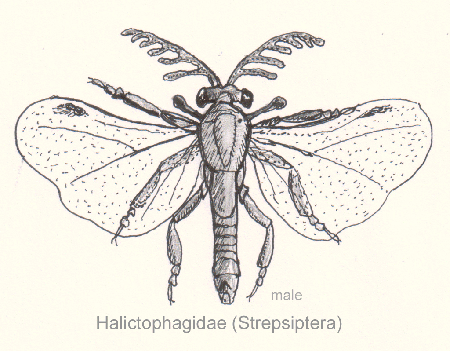
- 42What are some characteristics of Strepisptera?1. male is a small flying insect, forewings modified as short clubs, hindwings fanlike and membranous
2. females lack antennae, eyes, wings - 43What are some characteristics of Neuroptera?1. net-winged insects
2. four membranous wings of equal size with many crossveins
3. adults and larvae have chewing mouthparts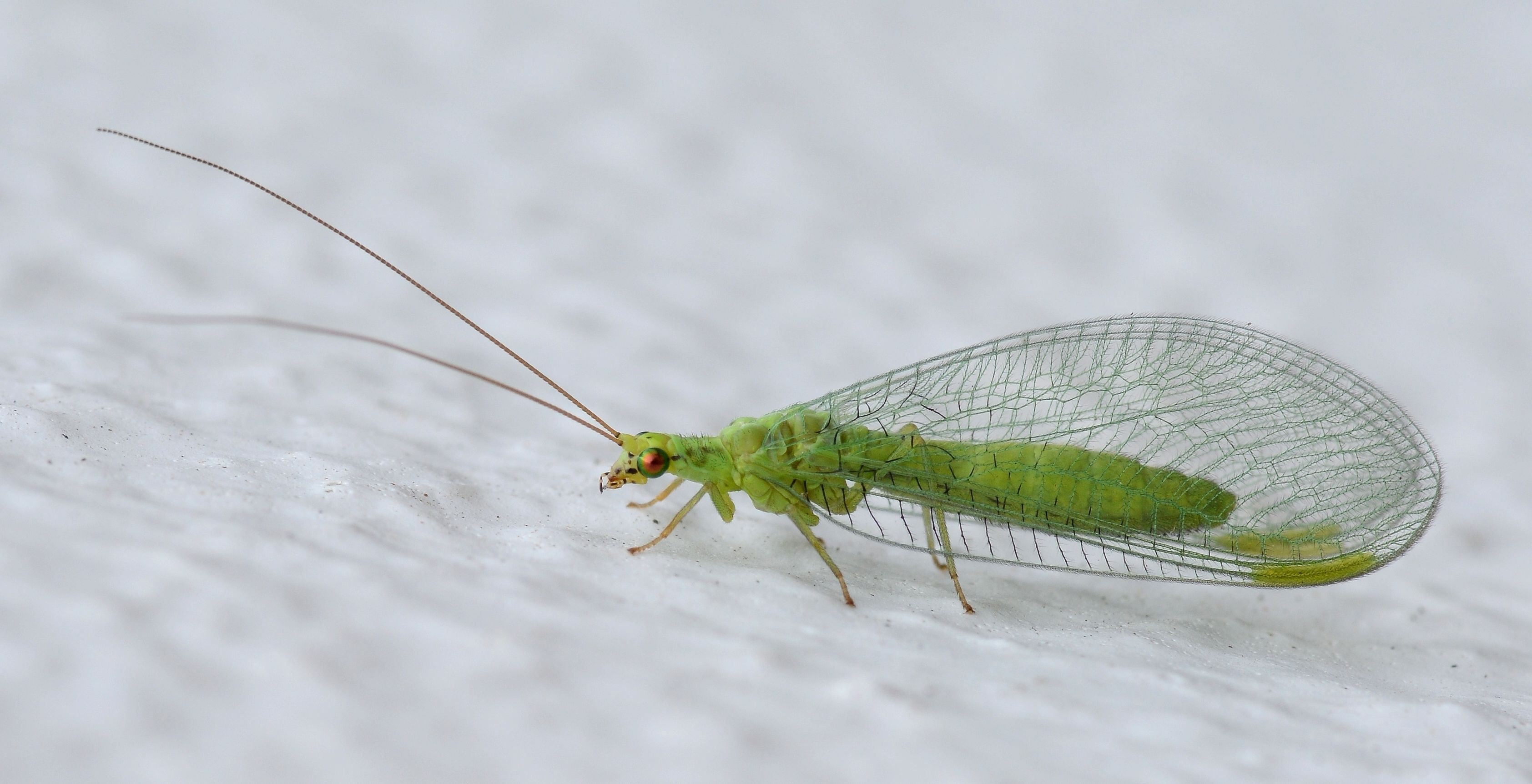
- 44What is the order and common name of this specimen?Order: Mallophaga
Common name: chewing lice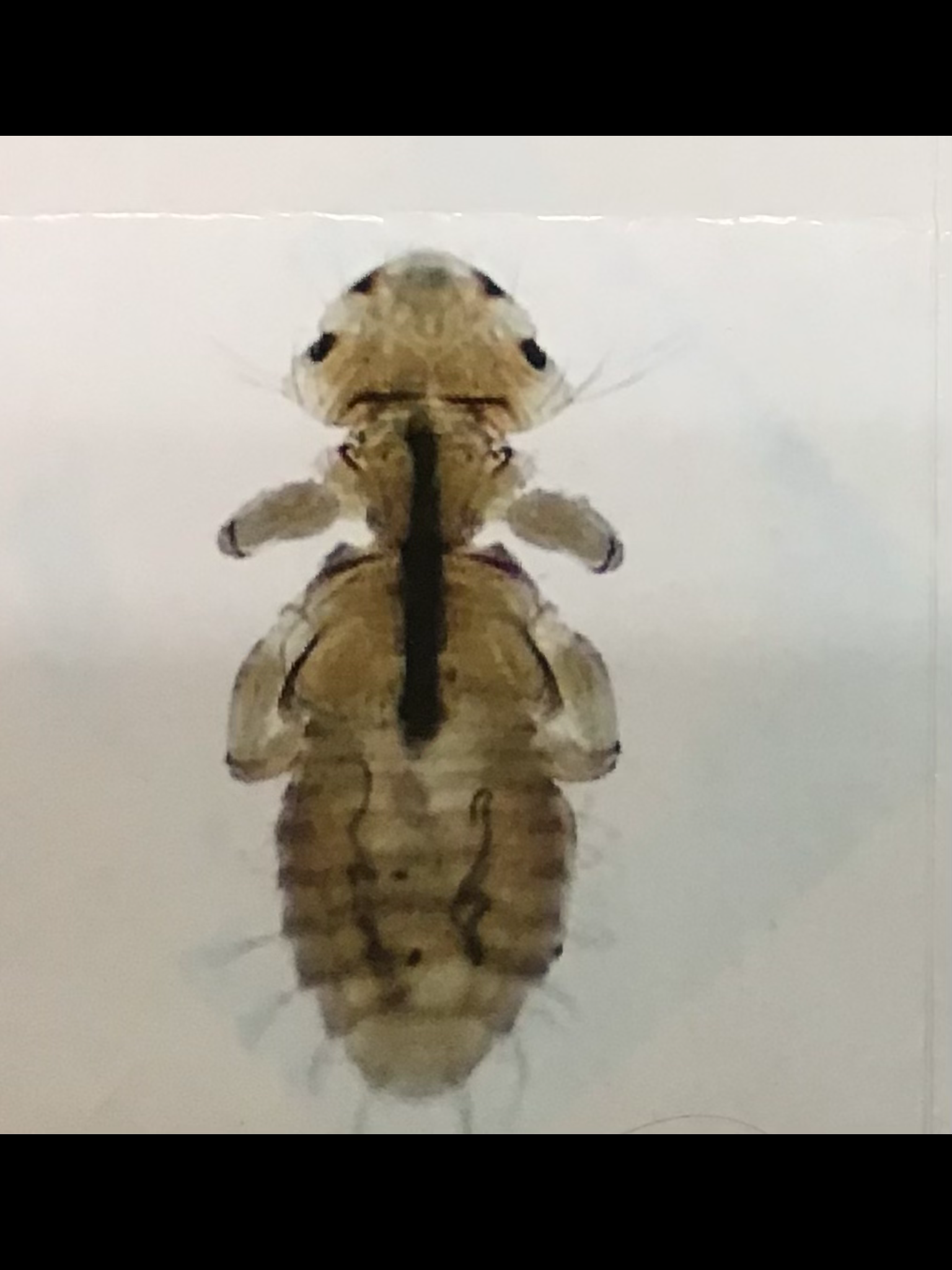
- 45What is the order and common name of this specimen?Order: Mecoptera
Common name: Scorpionflies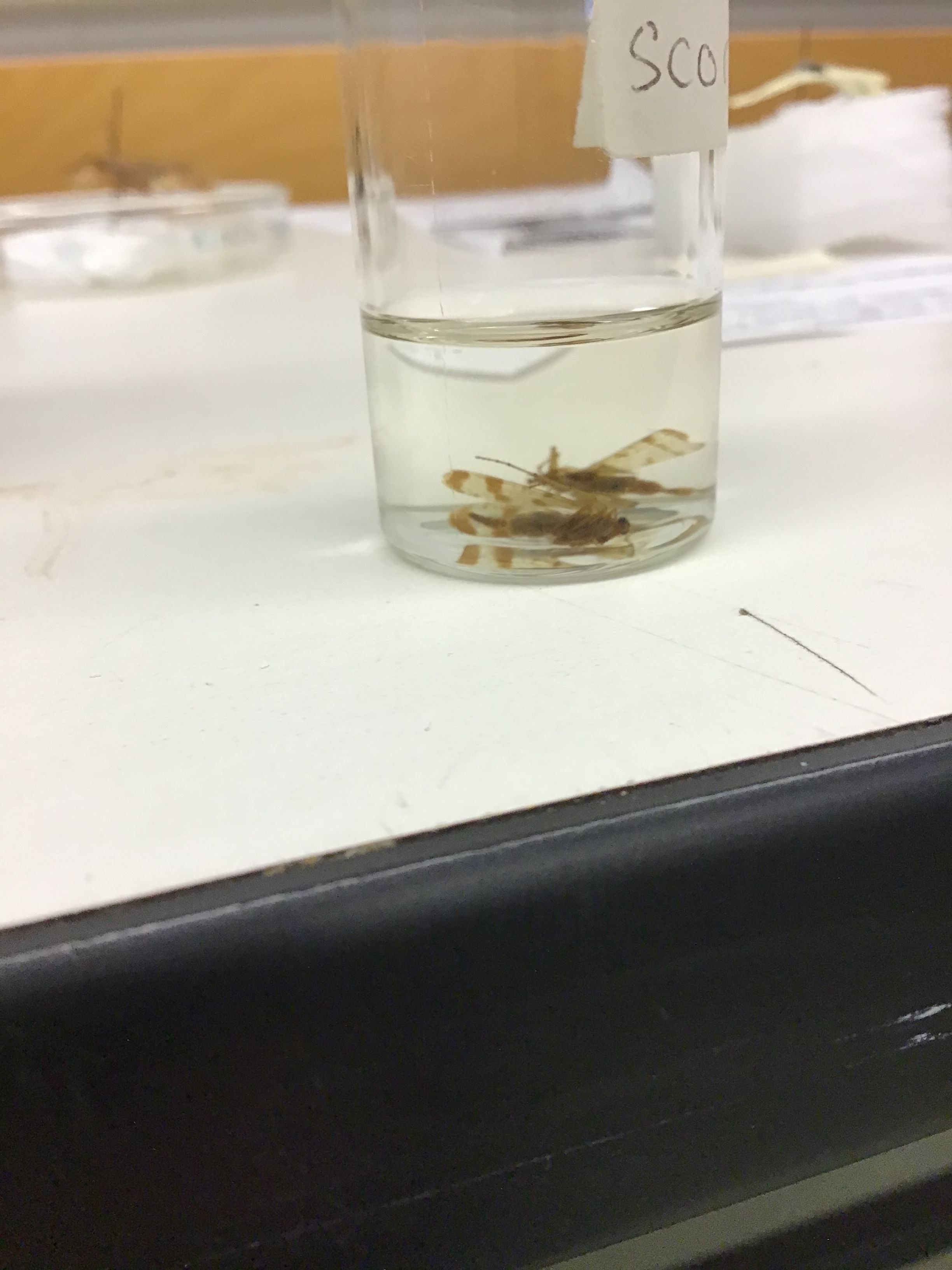
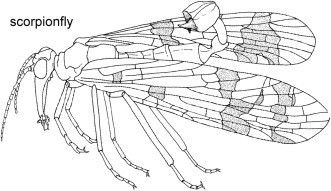
- 46What are some characteristics of Mecoptera?1. elongated face, projecting downwards
2. chewing mouthparts, feeding on dead insects
3. narrow membranous wings
4. males have bulb-like genitalia resembling scorpion stinger
5. holometabolous larvae resemble caterpillars stinger - 47What is the order and common name of this specimen?Order: Trichoptera
common name: caddisflies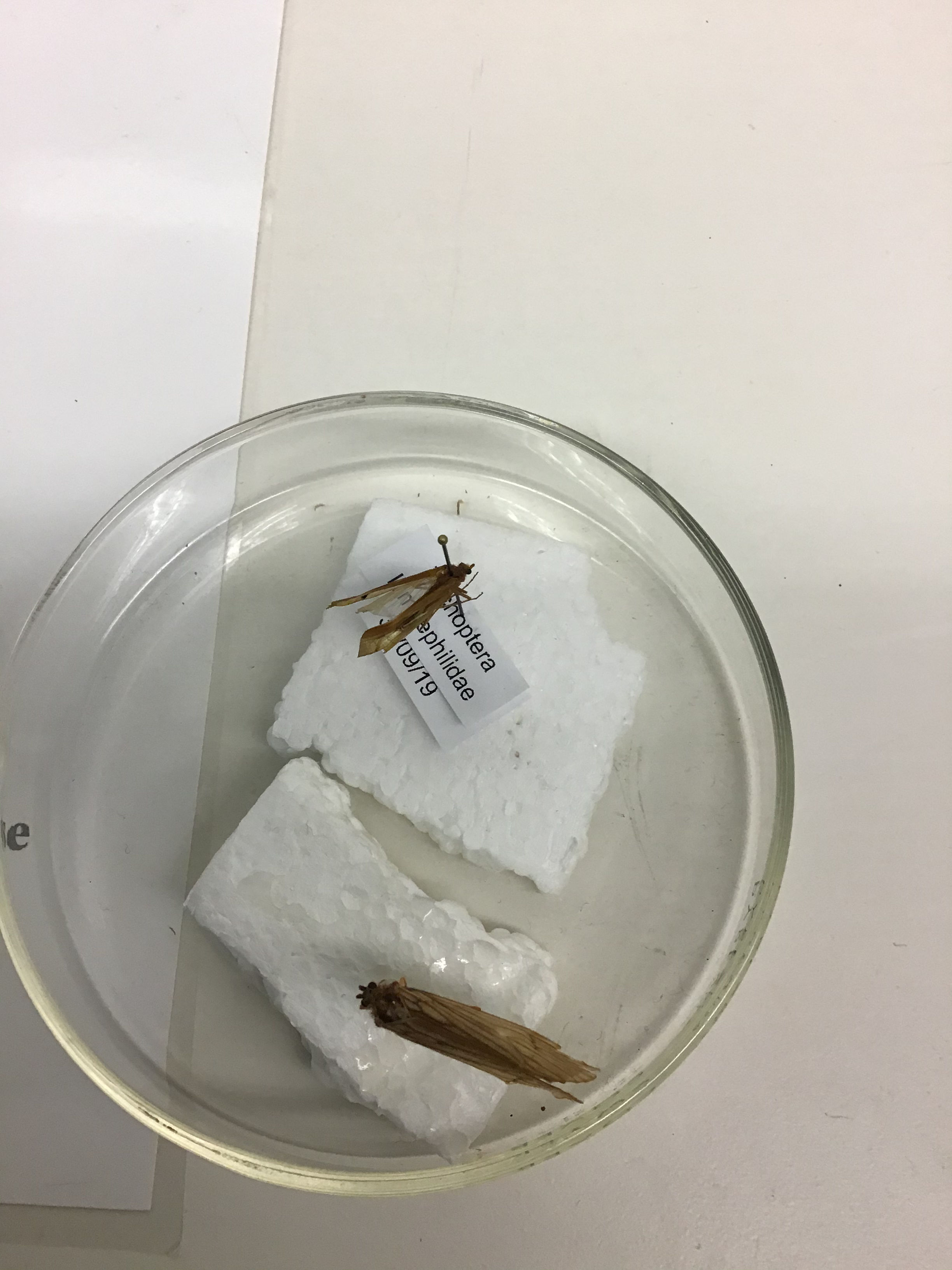
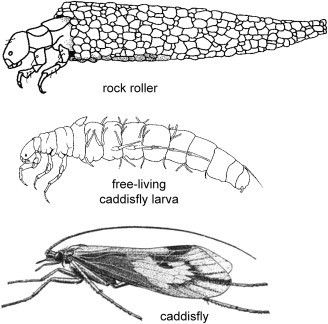
- 48What are some characteristics of Trichoptera?1. larvae are aquatic case builders (hooklike 'anal legs' hold the case made of twigs, sand, pebbles held together by silk)
2. feed on plants
3. look like moths but have hair instead of scales on wings
4. extended maxillary and labial palps - 49What are some characteristics of Mantophasmatodea?1. smallest known insect order
2. erected in 2001, isolated to Namibia
3. combo of phasmid and mantid features
4. wingless - 50What is the order and common name of this specimen?order: Neuroptera
common name: dobson fly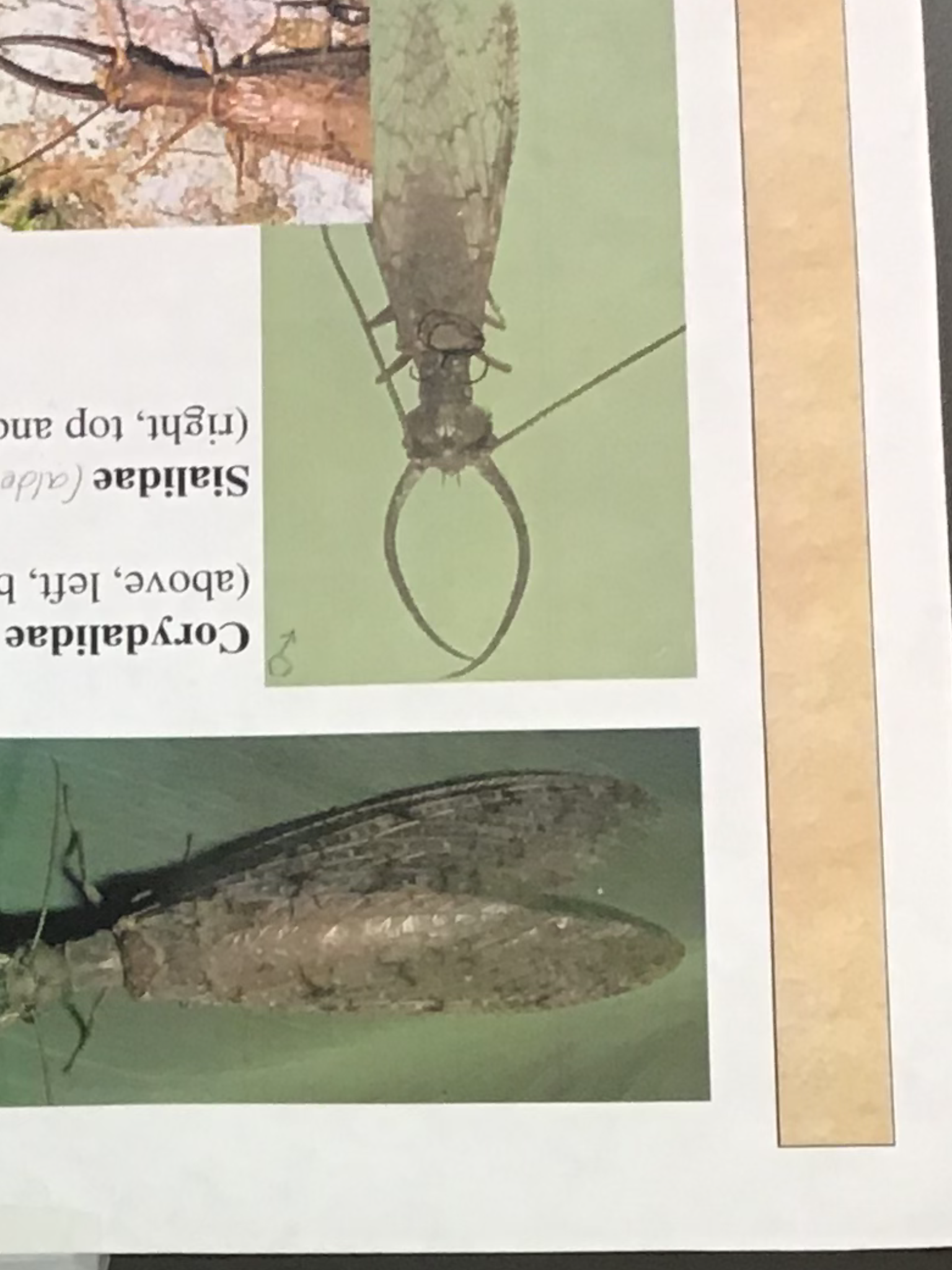
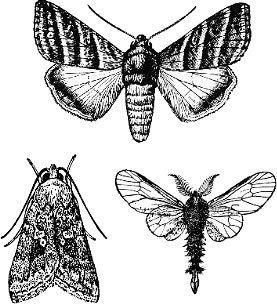
- 51What are some characteristics of Lepidoptera?1. minute, powdery scales on wings
2. antennae usually long
3. adult mouthparts reduced maxillae (proboscis coiled tube for nectar)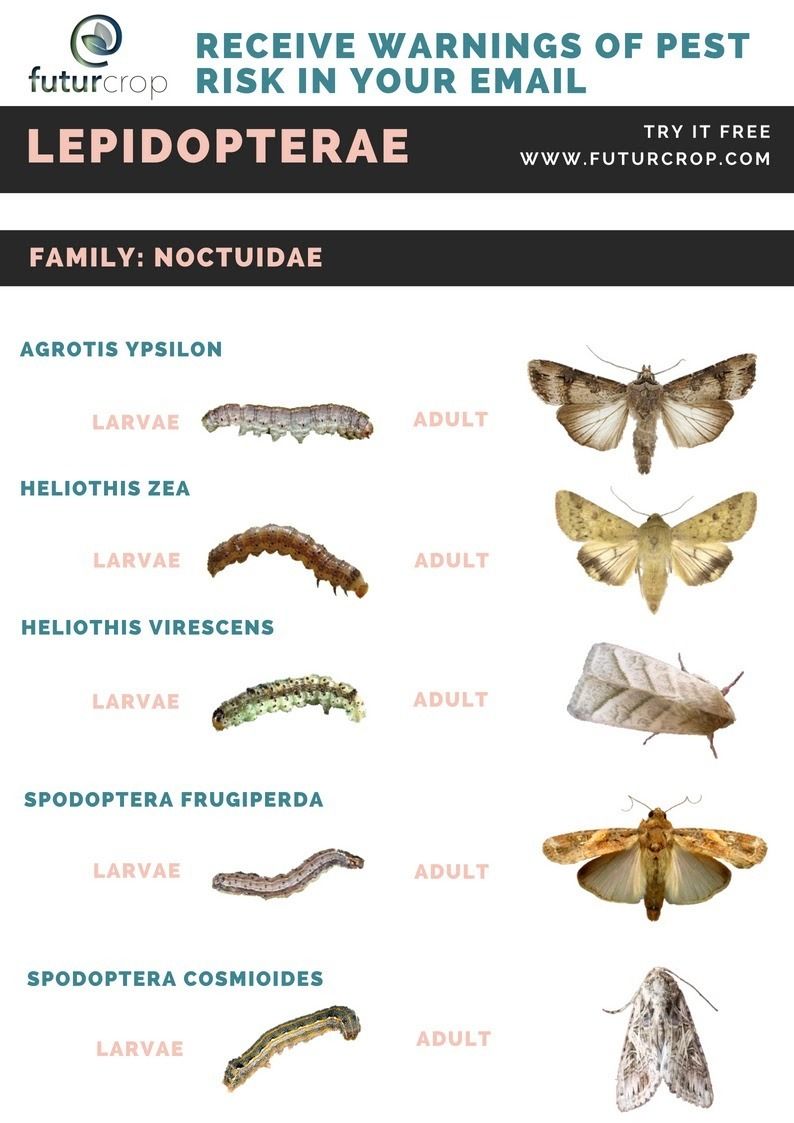
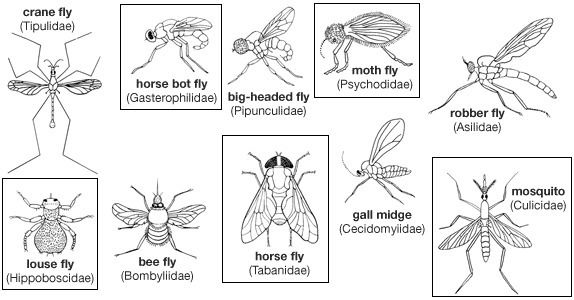
- 52What are some characteristics of Diptera?1. "true flies"
2. one pair of wings; hindwings as halteres
3. large compound eyes
4. sucking mouthparts
5. larvae are legless
6. wide variety of liquid diets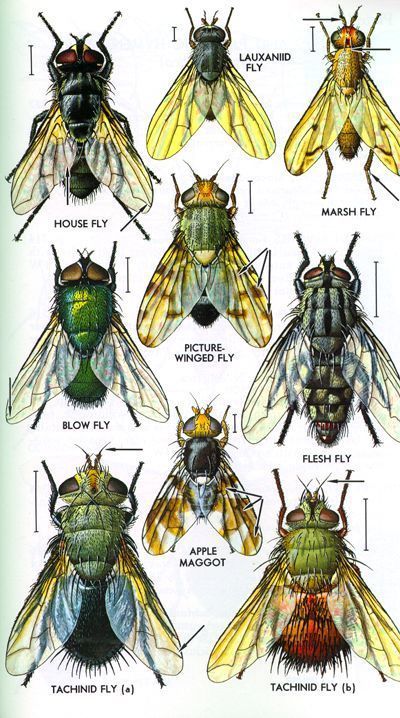
- 53What is the order and common name of this specimen?Order: Siphonaptera
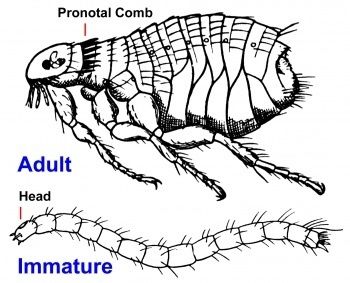
Common name: flea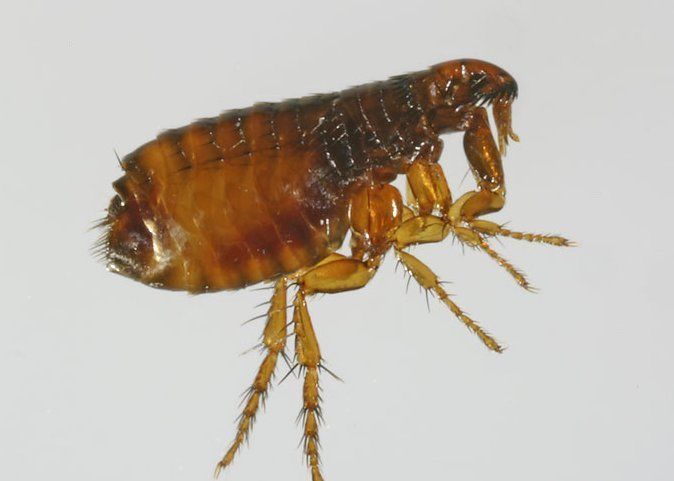
- 54What is the order and common name of this specimen?Order: Diptera
common name: blow fly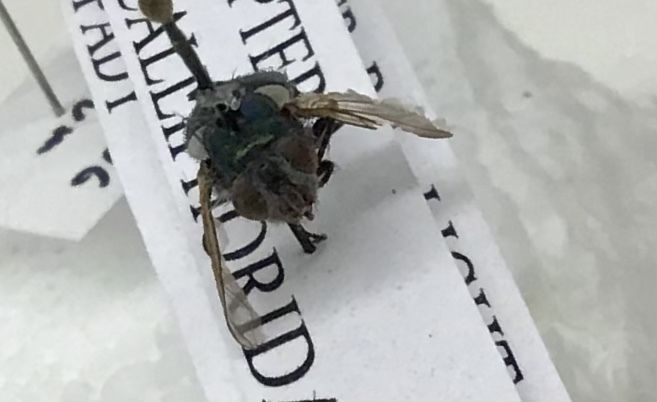
- 55What are some characteristics of Siphonaptera?1. laterally flattened
2. piercing/sucking mouthparts (blood feeder)
3. long powerful legs for jumping
4. stiff bristles on head/thorax (hair collar)
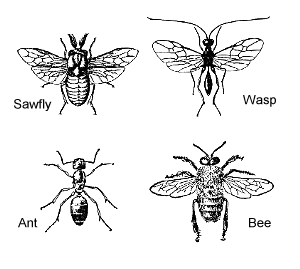
5. ectoparasites of mammals - 56What are some characteristics of Hyenoptera?1. four membranous wings (forewings typically larger than hindwing)
2. ovipositor modified into a stinger in some families
3. considered the most evolutionarily advanced insect (sociality, complex communication, learning abilities)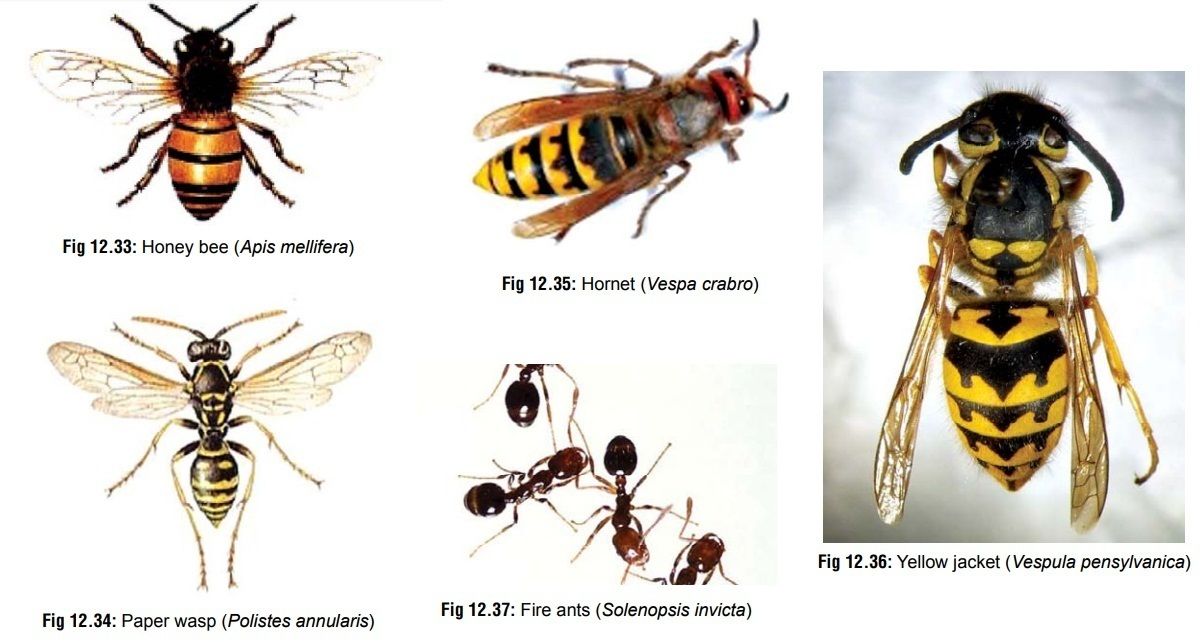
- 57Tentoriumthe large muscle that holds up the rest of the head
- 58Exuviumremaining exoskeleton leftover after moulting
- 59gastric caecadigestive system, midgut projections, an evolutionary consequence of the feeding habits of insects. looks like if you put your wrists together, turn one downwards and spread your fingers
- 60ovariesfemale reproductive system: tube-like structures overlaying the hindgut that
- 61dorsal blood vesselcirculatory system: tube runs longitudinally through thorax and abdomen, collects hemolymph and sends it towards the head
- 62ventral nerve cordnervous system: rope ladder-like cord stretching from anus to prothorax and into the head of insects
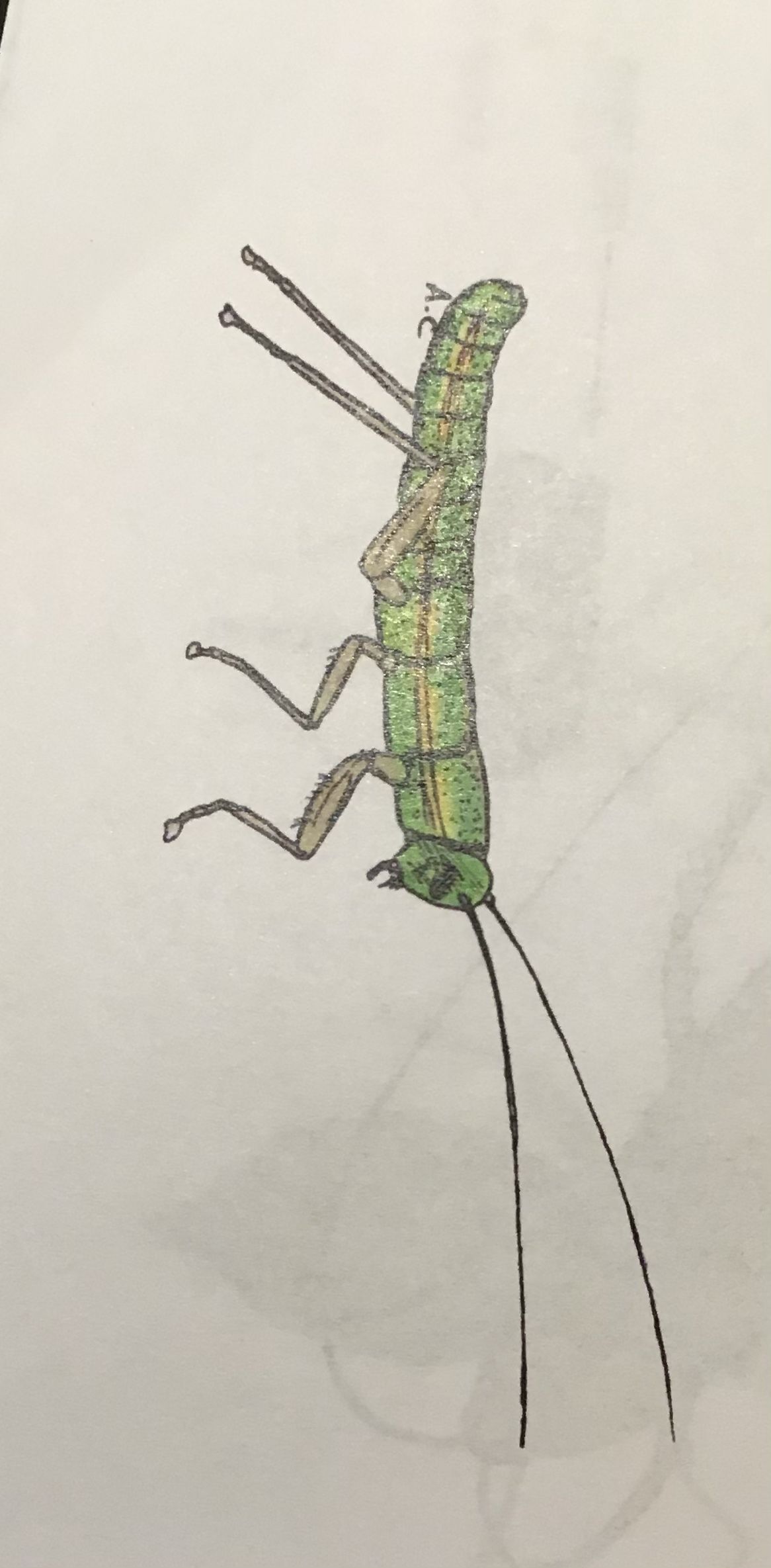
- 63What is this order?Mantophasmatodea
- 64What is the order and common name of this specimen?Order: Embioptera
Common name: webspinners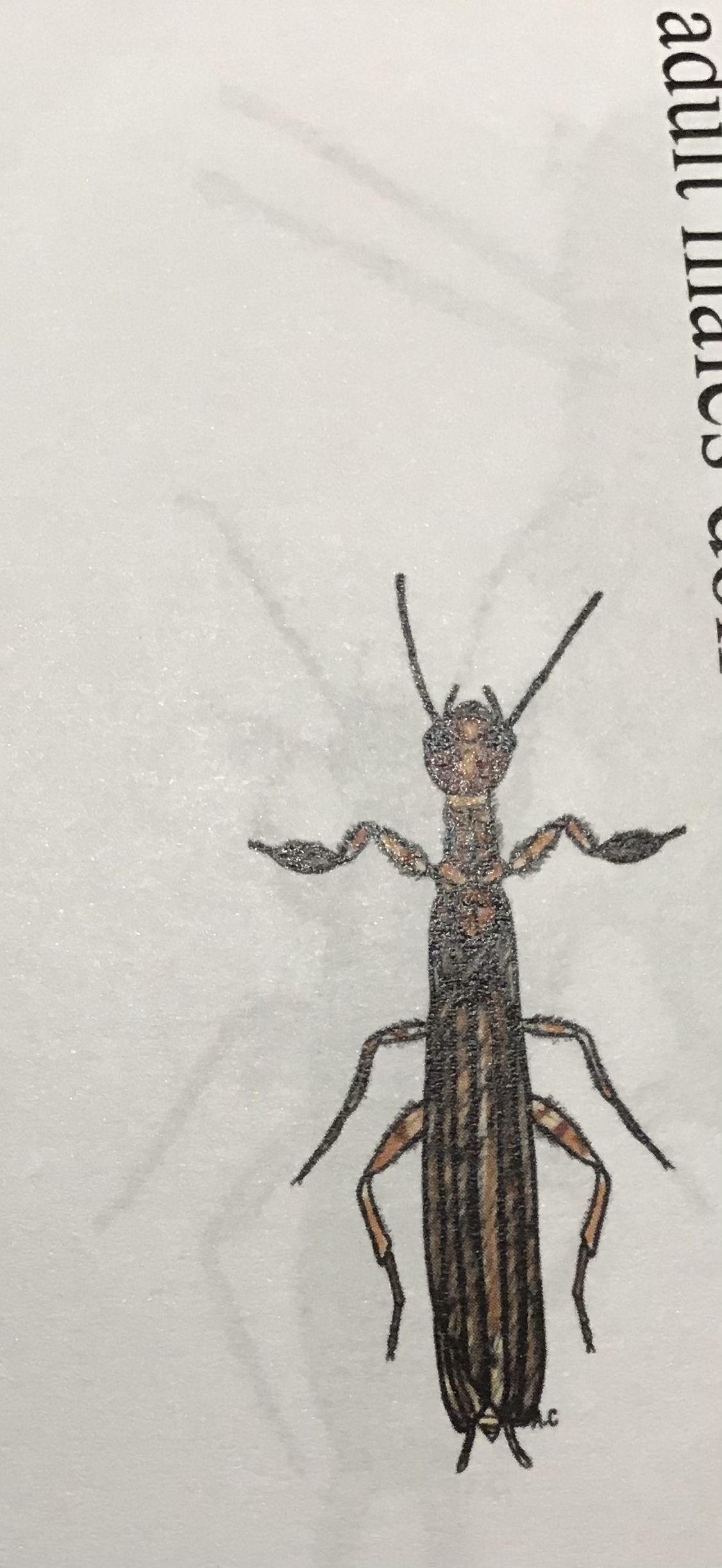
- 65What are some characteristics of Embioptera?1. short legs, can run forwards and backwards
2. females are wingless; males have narrow wings and disperse to find mates
3. second smallest order
4. both sexes have swollen front tarsi containing silk glands - 66What are the order and common names of this specimen?Order: Hemiptera
common name: Cicada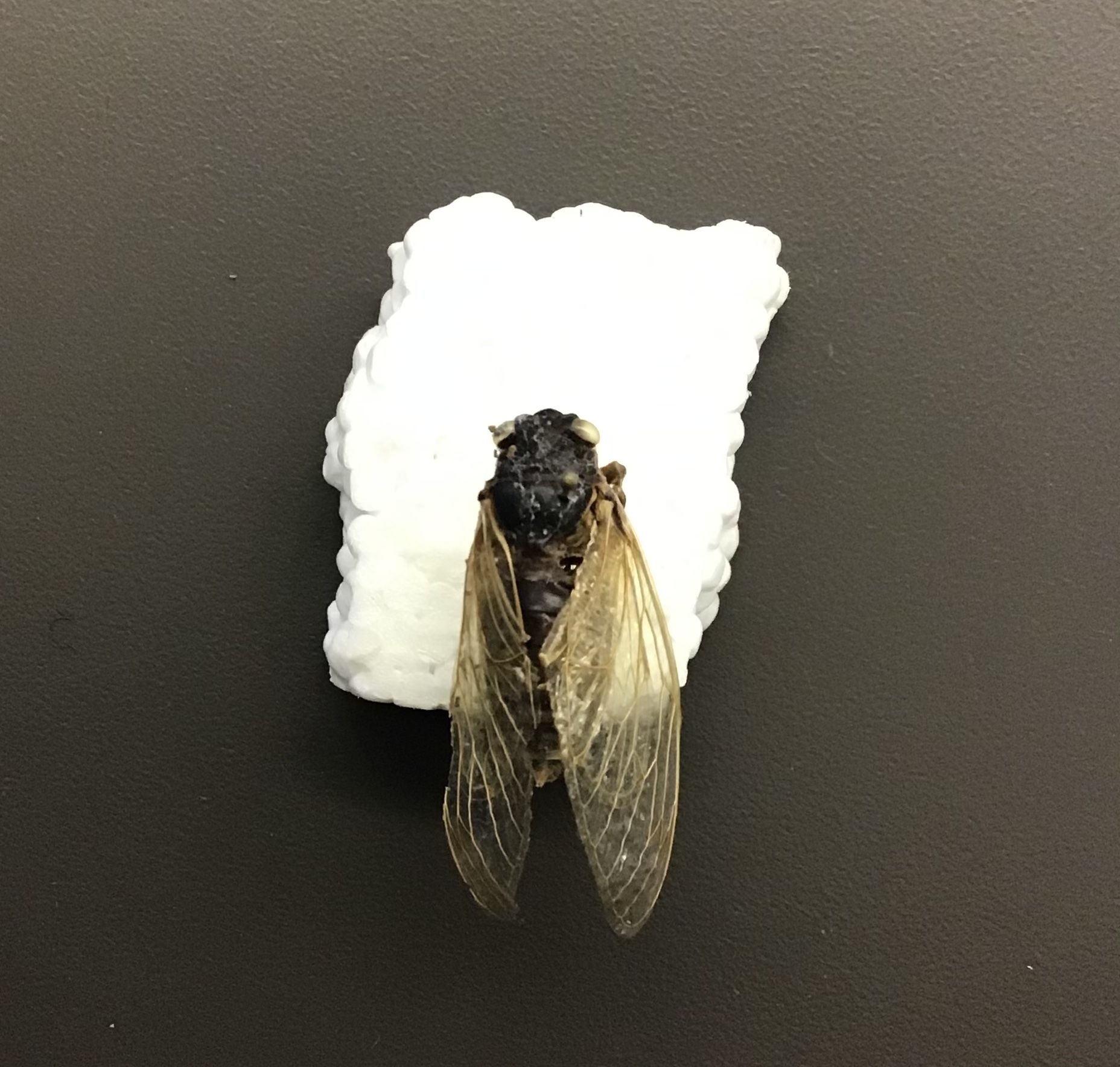
- 67What are the order and common names of this specimen?Order: Hemiptera
Common name: giant water bug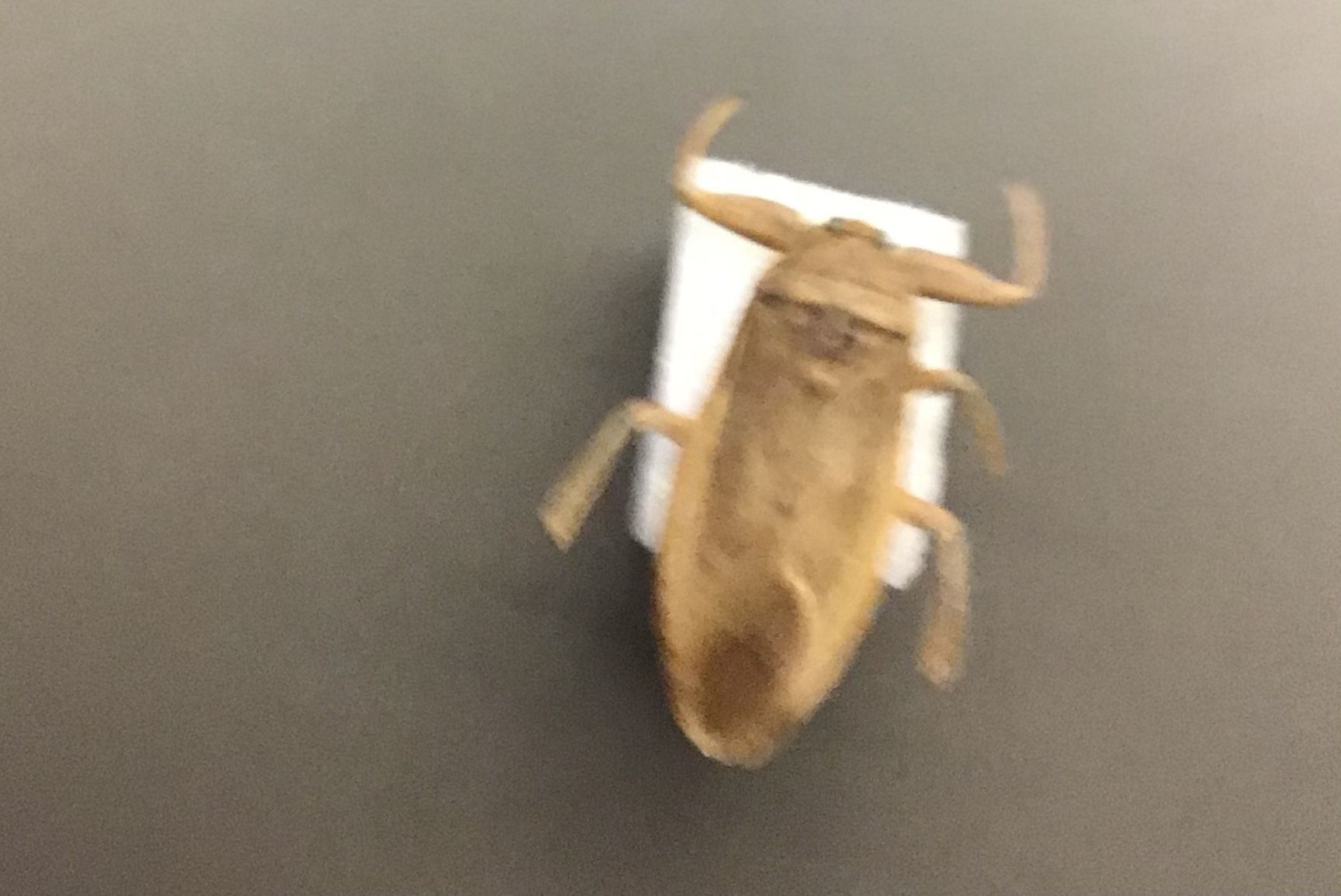
- 68What is the order and common name of this specimen?Order: Diptera
common name: house fly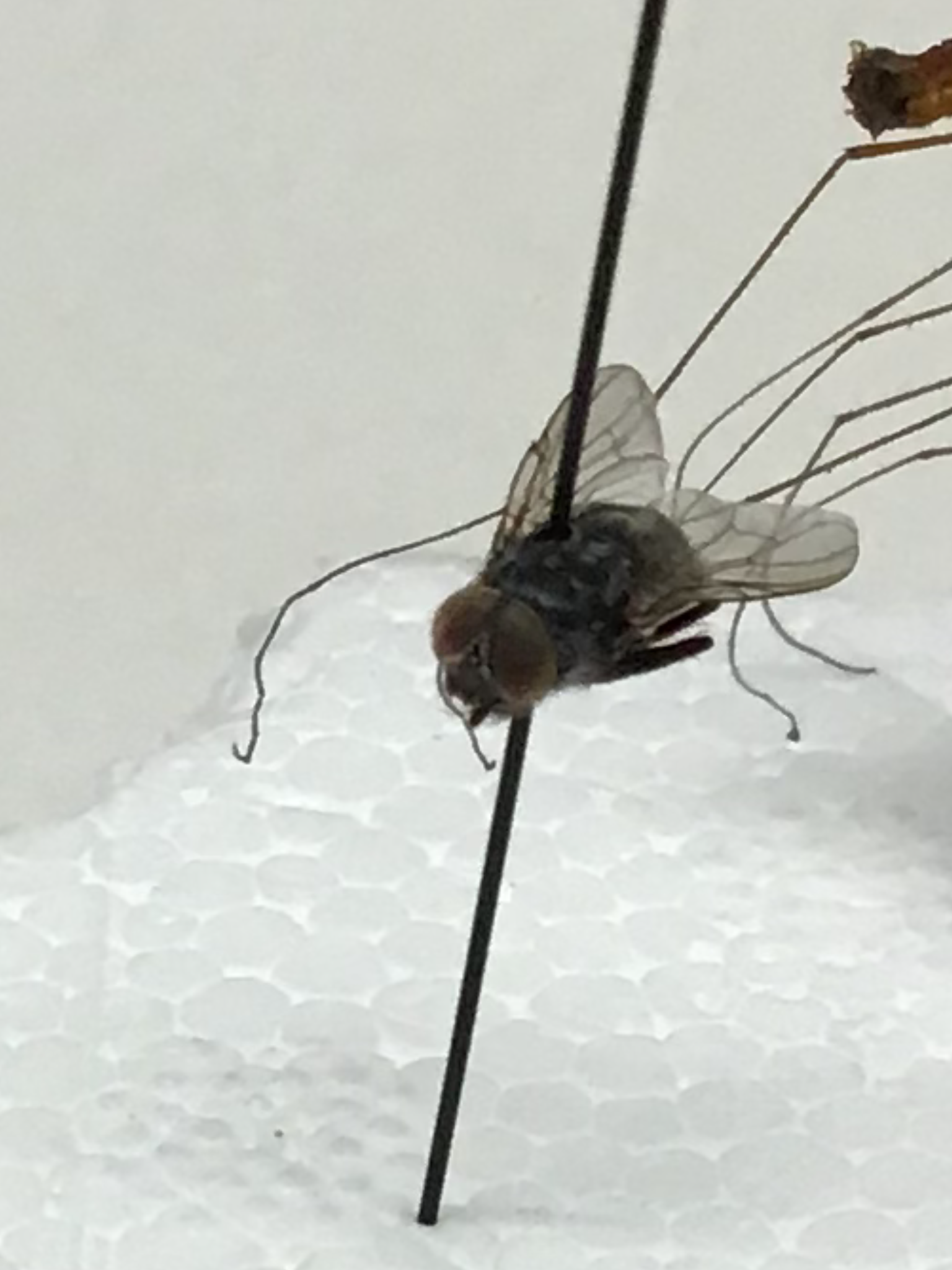
- 69What is the order and common name of this specimen?Order: Lepidoptera
common name: cabbage butterfly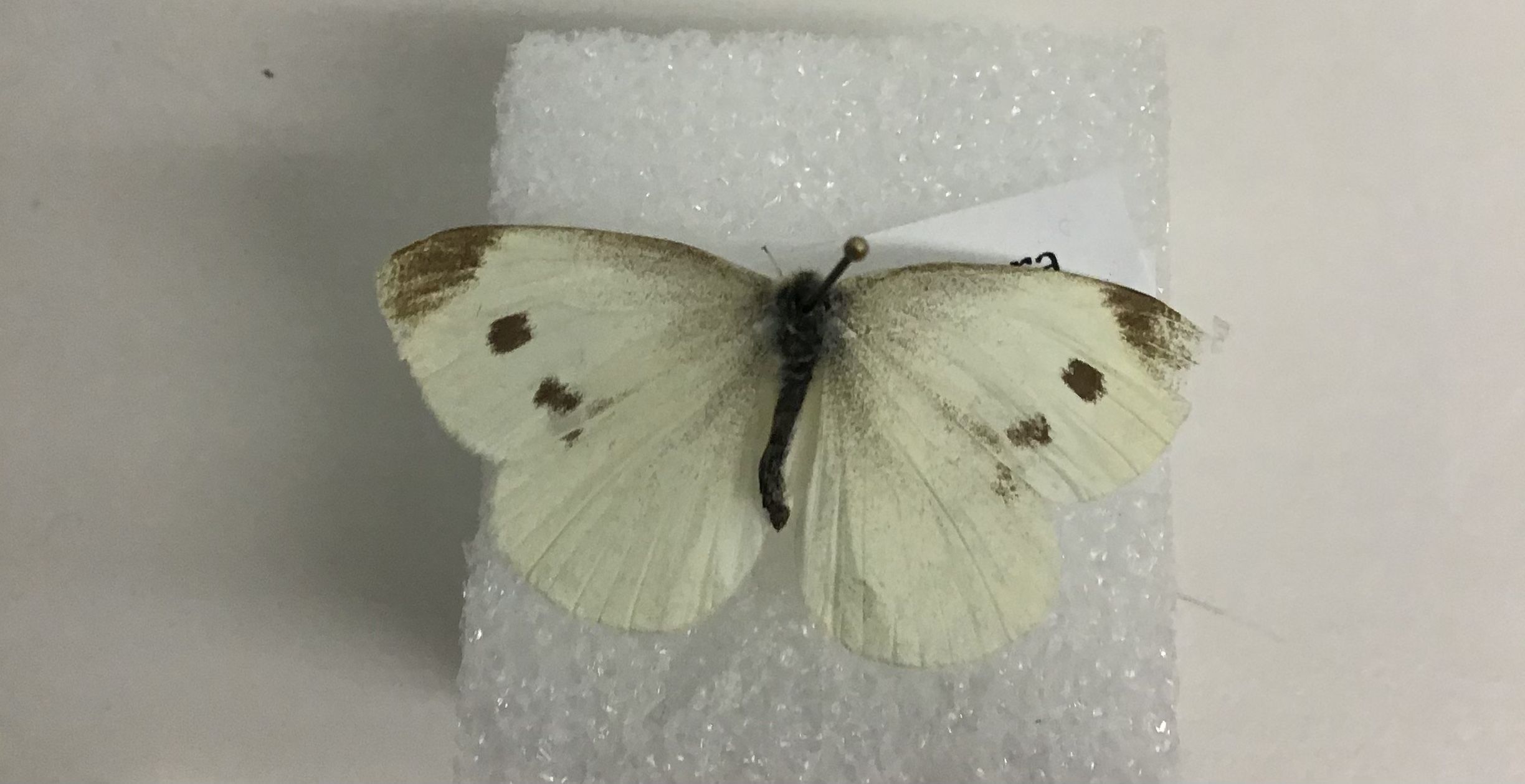
- 70What is the order and common name of this specimen?order: Lepidoptera
common name: swallowtail butterfly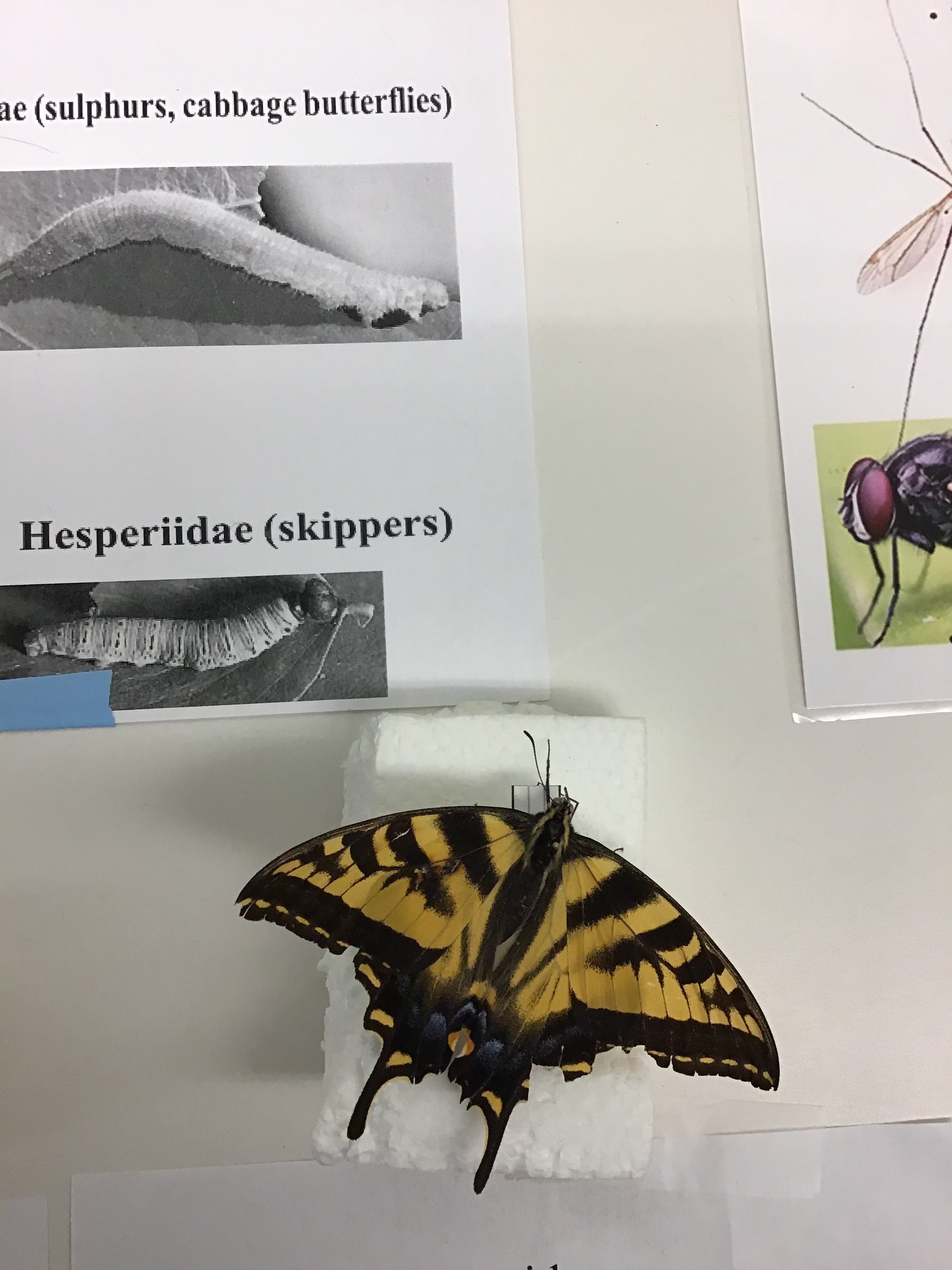
- 71What is the order and common name of this specimen?order: Neuroptera
common name: green lacewing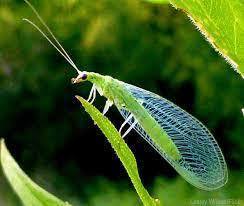
- 72What is the order and common name of this specimen?Order: Diptera
Common name: crane fly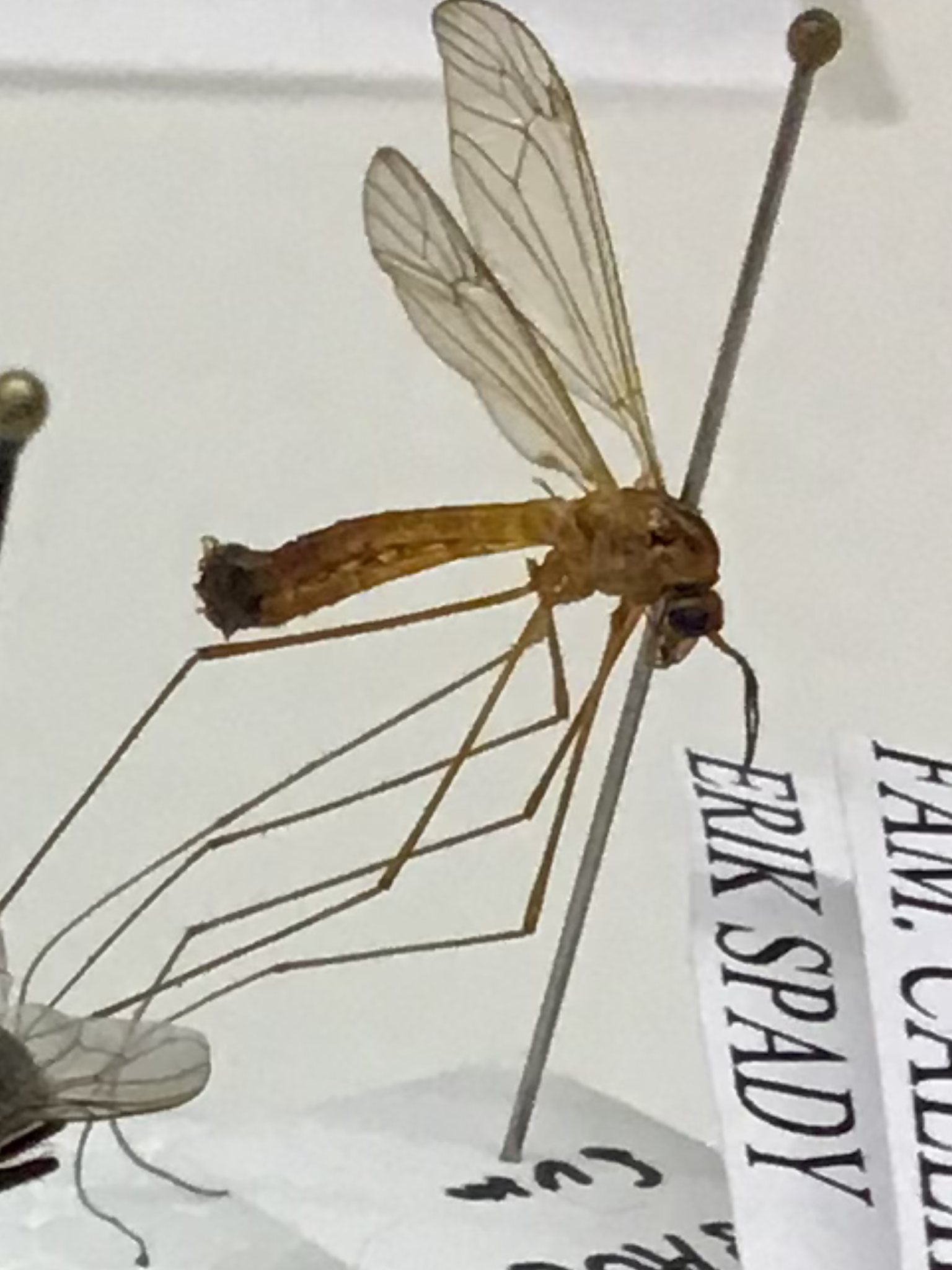
- 73What is the order and common name of this specimen?order: Neuroptera
common name: brown lacewing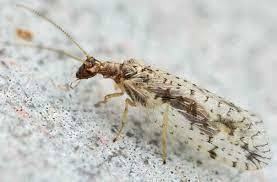
- 74What is the order and common name of this specimen?order: coleoptera
common name: ground beetle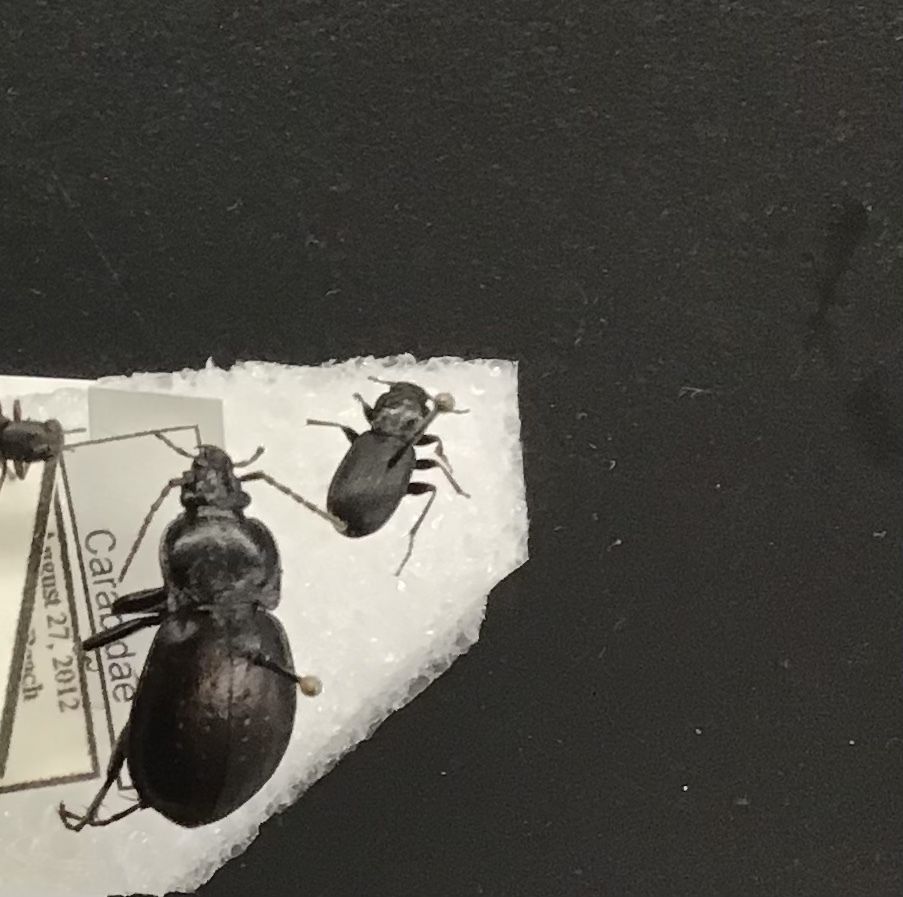
- 75What is the order and common name of this specimen?order: Coleoptera
common name: diving beetle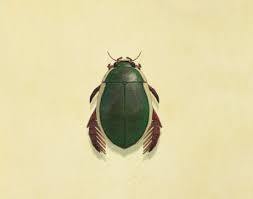
- 76What is the order and common name of this specimen?order: Coleoptera
common name; weevil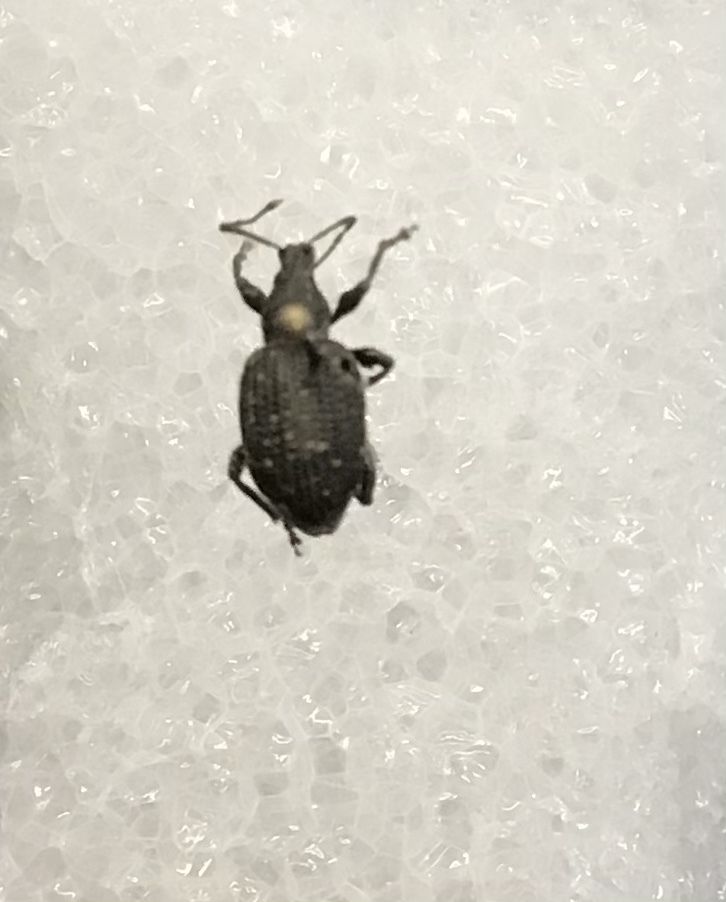
- 77What are the class and common name of this non-insect arthropod?Class: Myriapoda
common name: millipede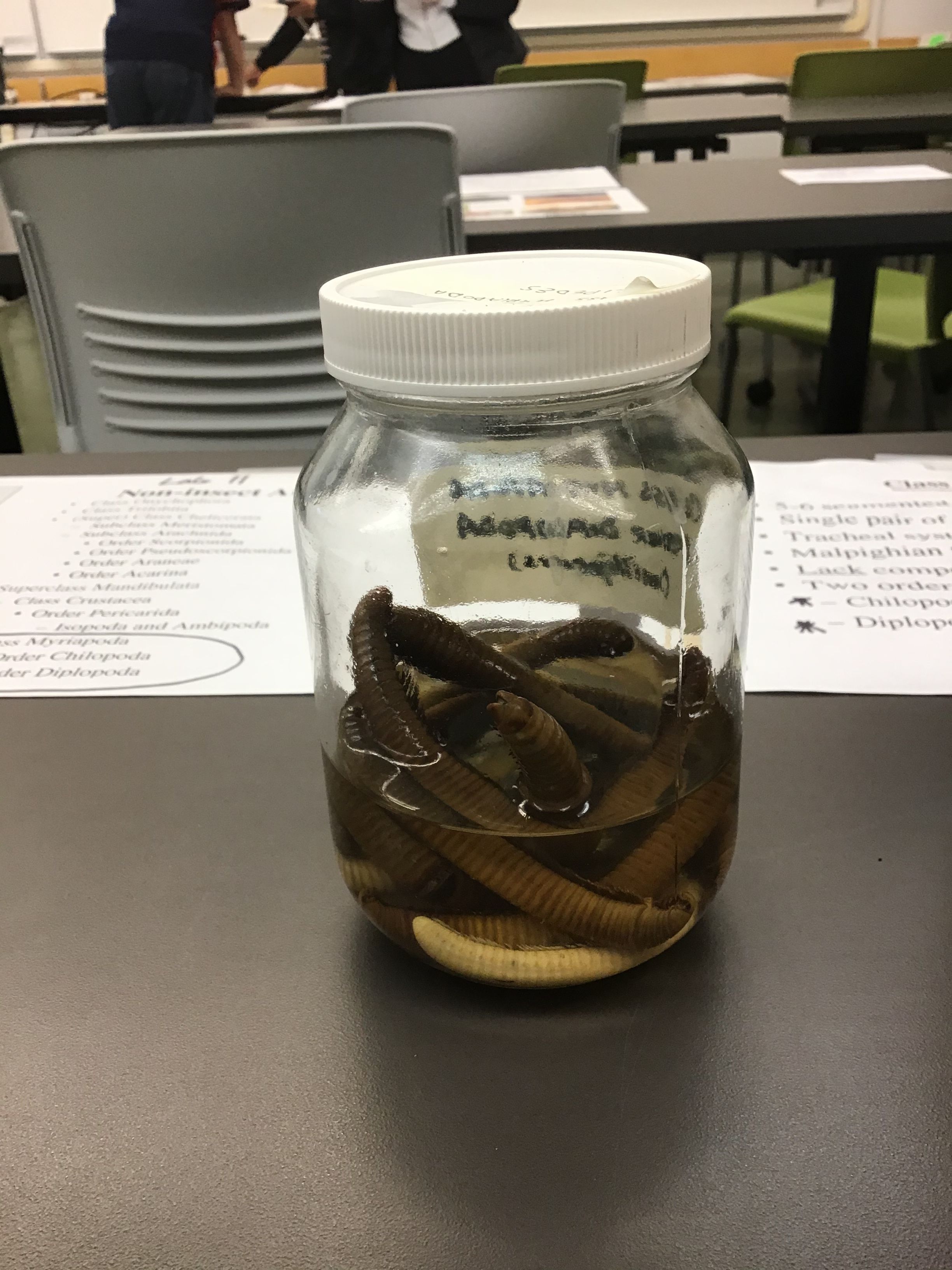
- 78What is the order and common name of this specimen?Order: Hymneoptera
Common name: honeybees - 79What is the order and common name of this specimen?Order: Hymenoptera
common name: mud dauber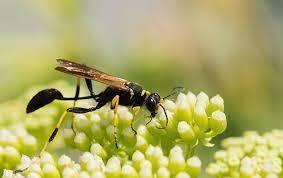
- 80What is the order and common name of this specimen?Order: Hymenoptera
common name: ants - 81What is the order and common name of this specimen?Class: Myriapoda
common name: centipede
- 82What is the order and common name of this specimen?Class: Chelicerata
common name: horseshoe crab - 83what are some characteristics of Myriapoda?1. 5-6 segmented head capsule
2. single pair of antennae
3. tracheal system
4. Malpighian tubes
5. lack compound eyes - 84What is the order and common name of this specimen?Class: Chelicerata
common name: true scorpion - 85What are some characteristics of Chelicerata?1. two body parts (combined head and thorax and a distinct abdomen)
2. lack antennae
3. paired mouthparts and sensory appendages
4. 4 pairs of walking legs
Información
- Descripción
- Fichas sobre Bug Orders, creado por jenny goren el 19/09/2021.
- Creado por
- jenny goren · sep 2021
- Actualizado
- 30 nov 2021
- Visitas
- 5
- Valoración