
Invertebrates
1,137 resources created by 818 users
This Invertebrates page on GoConqr gathers community-made quizzes, mind maps, flashcards, notes and flowcharts, from sponges and cnidarians to molluscs, arthropods and echinoderms. It's built for school students revising a topic, university students filling gaps, and teachers after ready-made material. There are over 900 resources here, including more than 120 quizzes and more than 300 flashcards, with a few simple pieces for primary pupils too. Pick a phylum, try a quiz to find your gaps, then make your own maps.
Top Invertebrates resources
-
22 questionsCnidaria they are circum global but entirely Aquatic
-
49 cardsEntomology Orders
-
Mind map INVERTEBRATES
-
Mind map INVERTEBRATES
-
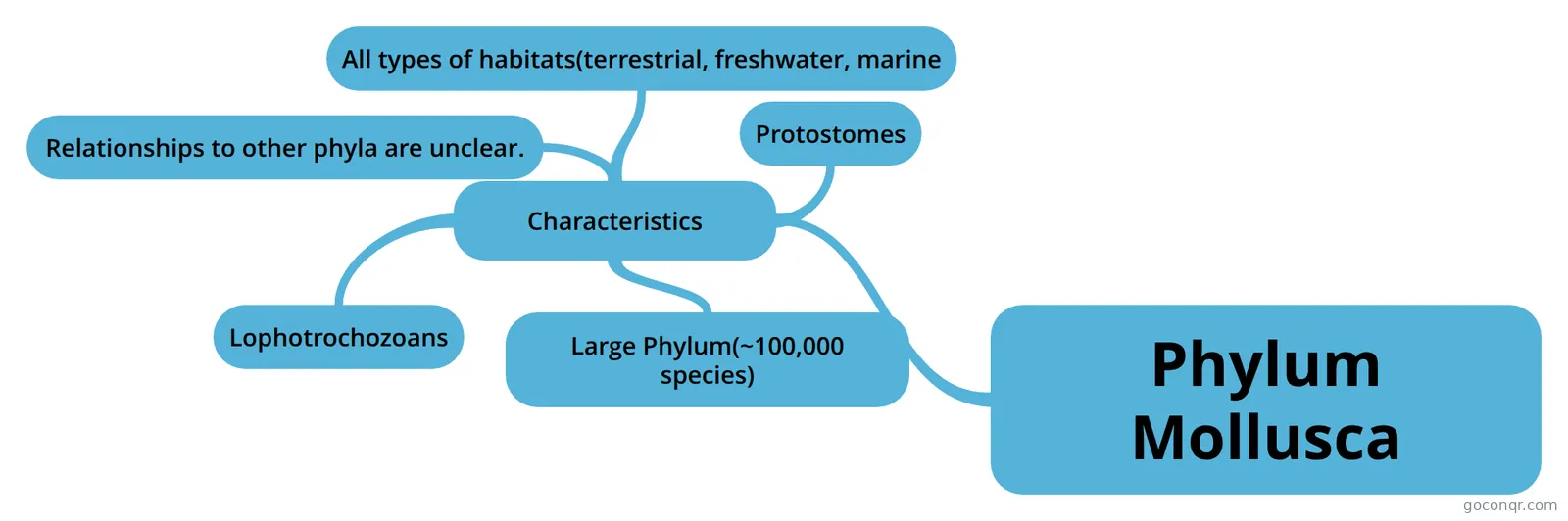
8 cardsPhylum Mollusca Characteristics Phylum Mollusca Organization level
-
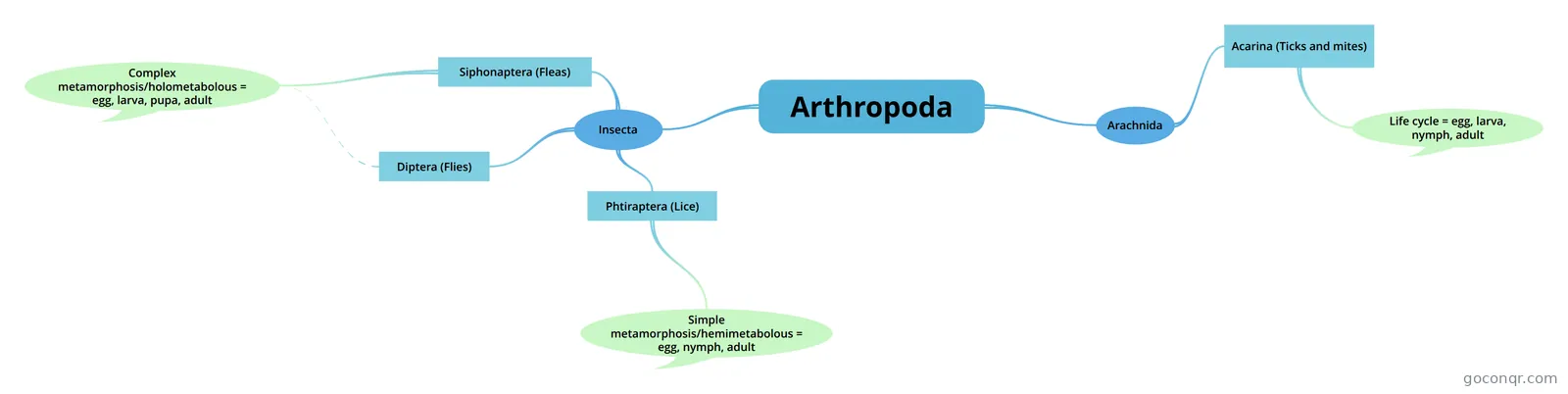 Mind map Arthropoda
-
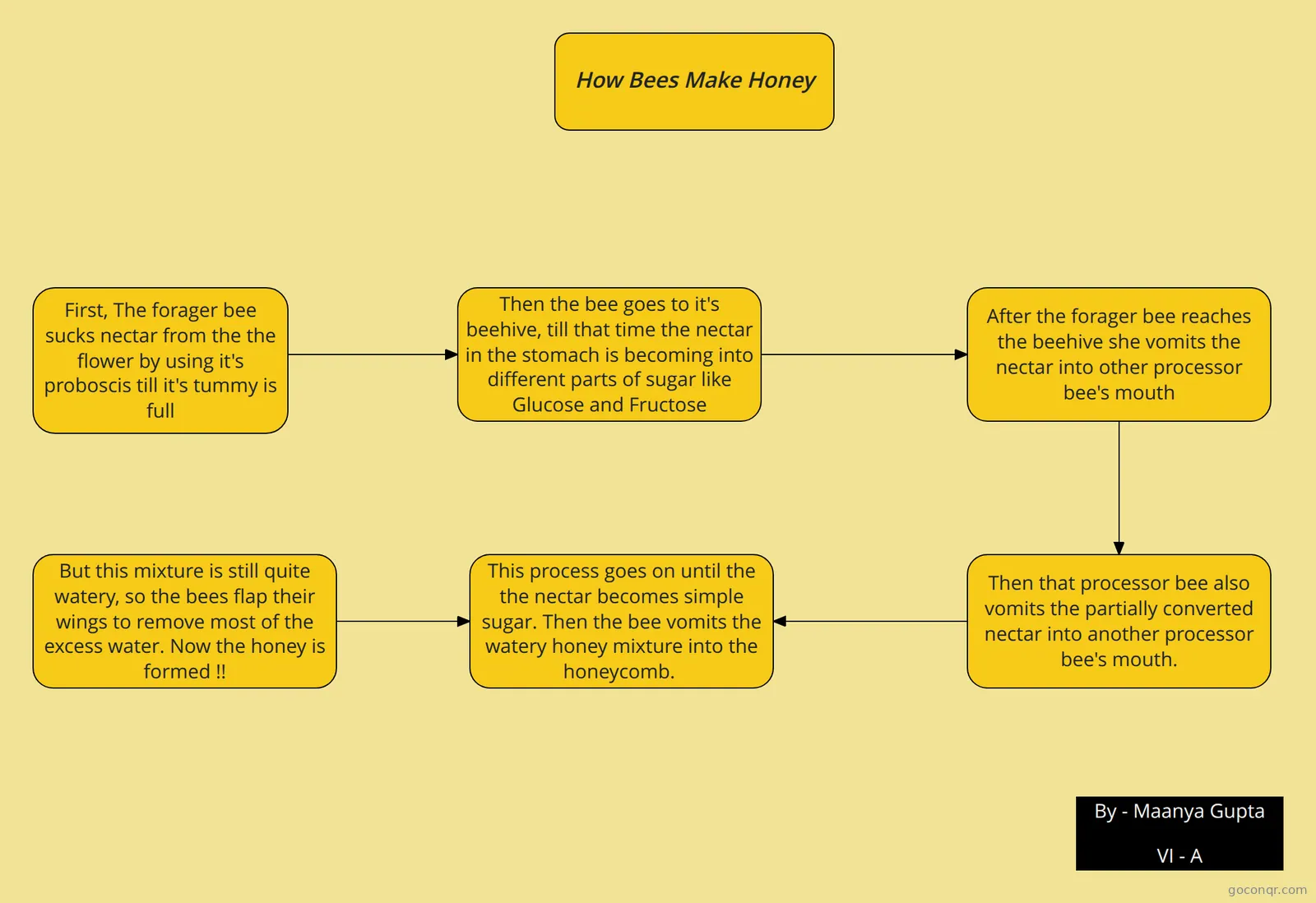 Flowchart How Bees make Honey A flowchart on how honeybees make honey Maanya Gupta
-
7 questionsKings of Camouflage - The Cuttlefish What class of mollusk does the cuttlefish belong to?
Quizzes
See all 134 quizzes-
22 questionsCnidaria they are circum global but entirely Aquatic
-
7 questionsKings of Camouflage - The Cuttlefish What class of mollusk does the cuttlefish belong to?
-
5 questions16.1 Quiz The phylum Arthropoda contains vertebrate animals.
-
57 questionsMarine biology Sponges belong to what phylum?
-
31 questionsZOOLOGY TEST PRACTICE #1 Not all insects have
-
4 questionsArthropods Ants are arthropods (invertebrates), do you Know their physical features?
-
2 questionsHoney Bees One honey bee can sting multiple times
-
12 questionsLet's play! - Invertebrate groups
Mind maps
See all 578 mind maps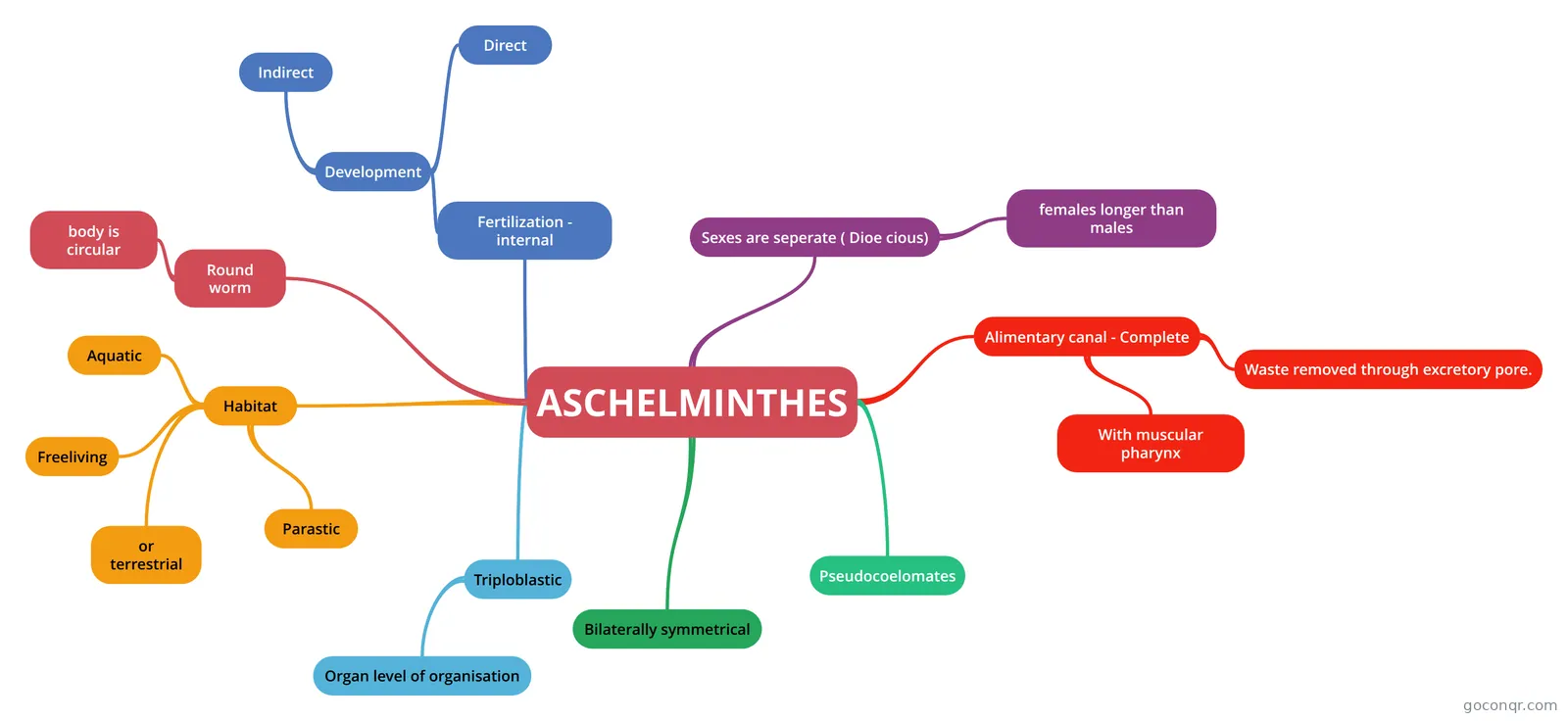
Flashcards
See all 378 flashcards-
49 cardsEntomology Orders
-
8 cardsPhylum Mollusca Characteristics Phylum Mollusca Organization level
-
12 cardsGrasshopper external anatomy grasshopper external anatomy
-
119 cardsEntomology what about the "polyneoptera" Orthopteriod order
-
146 cardsInverts Lab Practical 2 good luck friends :) * = it's in the lab manual
-
50 cardsArthropoda What's the Arthropod Body plan?
-
32 cardsAEPS - Metamorphosis What is the definition of Metamorphosis?
-
39 cardsMollusca diversity Cryptochiton stelleri - "cryptic chiton" - class: Polyplachophora
Flowcharts
See all 23 flowcharts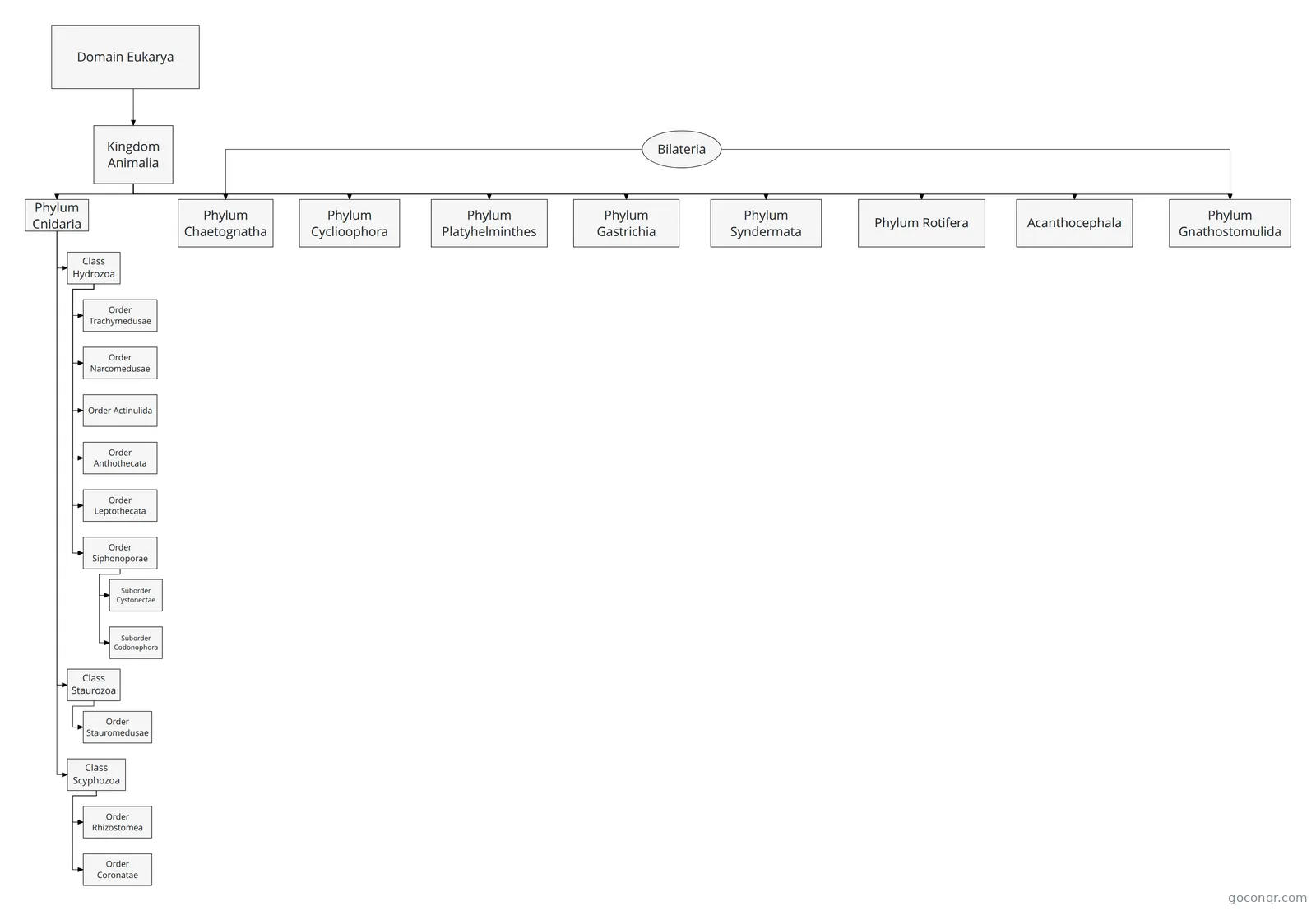
Notes
See all 18 notes-
Echinodermata-Class Asteroidea Class Asteroidea (Sea Star) General Characteristics: Radial Body Symmetry Aboral Suface Contains: Central disc, Anus, and Madreportie
-
Ants Ants are much like people Ants have punishments for "illict behavior and treachory" (www.wired.com/2010/08/gallery-ant-warfare/) "Complex societies" Social classes, like workers, guards, queens https://www.youtub...
Topics in Invertebrates
More Biology and natural sciences topics
About Invertebrates
GoConqr OriginalWhat this unit covers
The Invertebrates unit sits in the Diversity of Life strand of Biology and natural sciences. It follows the animal phyla one by one. You will find sponges, cnidarians, flatworms, annelids, molluscs, arthropods and echinoderms, plus smaller groups such as water bears and ctenophores.
Where to start
Begin with the overview mind map called Invertebrates. Its branches run from Porifera and Cnidaria through Bilateria, Ecdysozoa and Lophotrochozoa to Echinodermata and Chordata. It gives you the whole tree before you look at the detail.
Then choose a phylum:
- For cnidarians, try the Cnidaria quiz. It asks about radial symmetry and diploblastic body plans.
- For molluscs, open the Phylum Mollusca Characteristics flashcards. They cover tissue layers, symmetry, the mantle and the shell.
- For arthropods, read the Arthropoda mind map. It covers insects and arachnids, life cycles and simple metamorphosis.
Insect orders and anatomy
Insects get a lot of space. The Bug Orders deck explains that Lepidoptera means scale wings and involves complete metamorphosis. The Entomology Orders deck pairs orders with examples such as cockroaches and beetles. The Grasshopper external anatomy deck labels the head, thorax and abdomen, along with parts such as the tympanum, spiracles and ovipositor.
Using quizzes and maps together
Read a mind map first, then take a quiz on the same phylum. Note what you got wrong and go back to that branch of the map. Flashcards suit short bursts, such as learning the order names or the features of a phylum. Flowcharts, such as the one on how bees make honey, show a process step by step.
Teachers can use the slide set What are invertebrates? as an opener, then set a quiz as a check.
Make it your own
Pick one phylum today, work through its map and quiz, and then build a set of flashcards in your own words.
Frequently asked questions
Which resource should I open first?
Start with the mind map called Invertebrates. It lays out the main groups, from Porifera and Cnidaria to Echinodermata and Chordata, so you can see how they connect. After that, pick one phylum and try its quiz, such as the Cnidaria quiz.
What do the mind maps cover?
They cover whole phyla and groups: Arthropoda, Phylum Annelida, Phylum Porifera, Ctenophora, Echinodermata and Phylum Mollusca. There are also maps on Hymenoptera, butterflies and the success of insects as a group. Many show classification, body features and life cycles.
Are the resources free to use?
Yes. Every resource listed here is free to open, study and take, with no account needed. They were made by GoConqr users, not by GoConqr itself. If you want to save quiz scores or make your own quizzes, maps, flashcards and notes, you can add a free account.
Which levels do these resources suit?
The mix is mostly secondary and university material, so the page suits school students and university students, and teachers looking for ready-made sets. A few simpler resources suit primary pupils. Look at the titles to judge depth, for example lab-style decks against general overviews.
Is there help with insect identification?
Yes. The Bug Orders, Entomology Orders and ENVS 3090 Lepidoptera Flash Cards decks focus on telling insect orders apart. The grasshopper anatomy deck names the external body parts. Use them alongside the Insects flashcards and the Hexpods quiz.
What if the topic I need is missing?
Check nearby titles first, since a topic may sit inside a wider set such as the notes on arthropods or insects. If it is not there, make your own mind map, flashcards or quiz with a free account and keep it for revision.