
Fichas
Teaching reading
Fichas del conjunto (45)
- 1Progress monitoringPeriodic assessments to monitor student growth and evaluate the effectiveness of instruction.
The teacher prepared a progress monitoring assessment to see how much each student had improved and learn if his new instructional approach was effective. - 2Guided ReadingReading done by students with teacher support. This reading will be done within the framework of a lesson and often in a small group setting with the teacher.
- 3504 Planthe accommodations provided to a student who has an impairment that significantly impacts their life
- 4Retella comprehension strategy in which students retell or tell differently what they have read or listened to
Example.
When students retell a story, they are demonstrating their comprehension of the most important parts. - 5Interest Surveyquestions that ask students the types of books they enjoy reading
Example.
given by the teacher at the beginning of the year to determine what books to assign to meet the interests of the class - 6Informal Reading InventoryA multi-step reading assessment used to gauge a student's oral and silent reading abilities
- 7Emergent Reader (Stage of Reading Development)when children understand that written language has meaning and gives messages
- 8Early Reader (Stage of Reading Development)Early readers begin understanding that reading from the printed page needs to make sense – both from the pictures and from the print
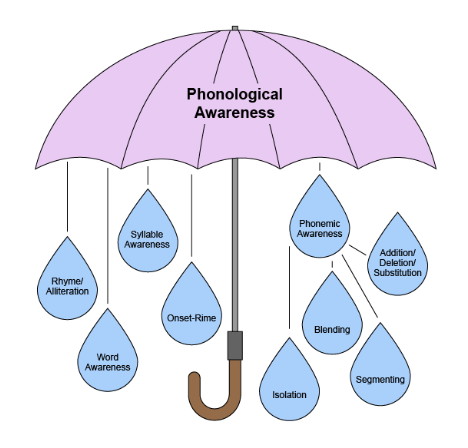
- 9Phonological awarenessthe understanding and ability to hear individual words, syllables, and sounds in spoken language apart from print
- 10Modificationschanges made to the curriculum or instructional practices to alter the expectations or performance criteria for students, often used to support learners with special needs by providing a more accessible and tailored educational experience
- 11Flexible Groupinggrouping students based on their learning needs or interests
Example.
After reviewing the student test results, a teacher can use flexible grouping to organize groups based on students' areas of weakness. - 12Phonics / Graphophonemic PrincipleUsing the relationship between symbols (letters and words) and sounds of a language to read and write
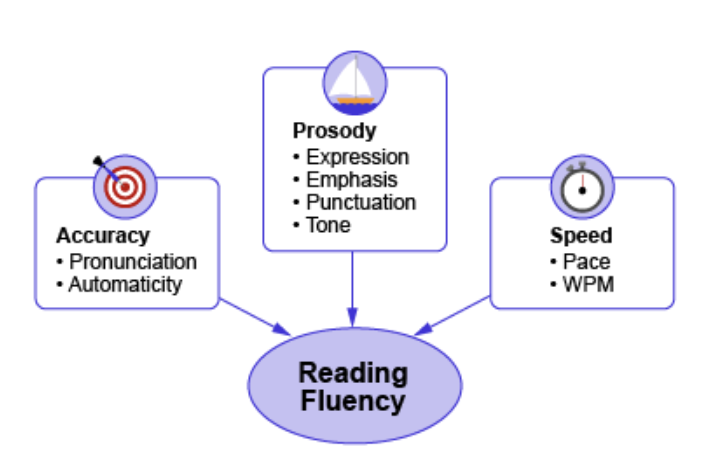
- 13Reading Fluencyability to read with appropriate speed, accuracy, and prosody
- 14GenreVarious forms of texts including short stories, essays, folktales, fairy tales, poetry, historical fiction, biographies and autobiographies, memoirs, comedies and tragedies.
Example.
Night by Elie Wiesel is an example of a memoir. - 15Differentiated Instructiontailoring teaching methods to meet individual needs
Example.
using varied reading levels for different student groups - 16Small Group Instructiona few members of the class learning together, as opposed to whole-group instruction
Example.
The students rotated through learning stations while the teacher pulled a few students to her table at a time for small group instruction. - 17Diagnostic Assessment / Pre-AssessmentAssessment administered before instruction to determine students' strengths and weaknesses
- 18Phonemic Awareness / Sound Awarenessthe ability to hear, identify, and re-create individual sounds in spoken words
Example.
A student can hear that /b/ makes first sound in the word "blue"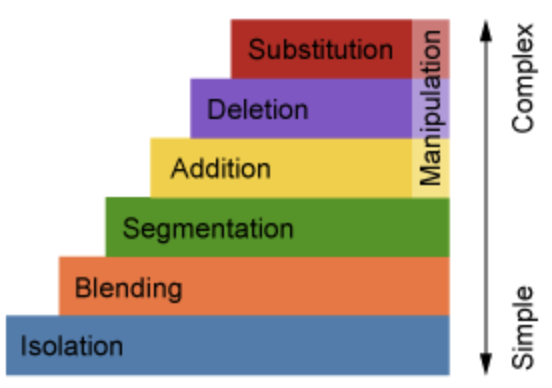
- 19Performance-Based Assessmentassessment that requires students to show mastery of specific skills by demonstrating, producing, or performing something
Example.
designing and performing experiments, building models, writing poems or shorts stories, and developing portfolios - 20Norm-Referenced Teststests that compare an individual's performance/achievement to a group called the "norm group"
Example.
IQ test - 21Term,Accommodation (on IEP)conditions listed on a student's IEP that teachers must meet or a method they must use to help a student succeed in the classroom; the term "accommodation" can also be used broadly to refer to any changes made to how a student is taught or assessed to allow them to best learn or show understanding
Example.
a student with ADHD has an accommodation of "flexible seating available" on their IEP; the teacher must allow the student to stand, use a wiggle seat provided by the district, or sit during direct instruction and independent work time as needed - 22Dyslexiaa disorder manifested by a difficulty in learning to read, write, or spell, despite conventional instruction, adequate intelligence, and sociocultural opportunity
- 23Curriculum-Based Assessmentstesting the curriculum being taught
- 24Formative Assessmentsongoing evaluations to monitor student progress
Example.
using exit tickets to check understanding of the day's lesson - 25Electronic BookBook published in digital format, also known as an E-book
Example.
Students may read electronic books through various programs, such as Reading A-Z, on devices such as tablets and laptops. - 26Independent Reading LevelA reading level in which a student can read and comprehend independently. They have difficulty with no more than one out of every twenty words.
- 27Alphabetic KnowledgeThe ability to recognize, name, and write letters.
- 28Universal Screenerassessment administered to all students to gather data and form groups, such as intervention groups
- 29Frustrational Reading LevelA reading level that is difficult for the student and would require extensive teacher support for student comprehension
- 30Early Fluent / Fluent / Proficient Reader (Stage of Reading Development)readers recognize many words and can apply phonics and word analysis skills to figure out unfamiliar words
- 31Differentiation - Pacinghow much content is presented and how fast the content is presented
Example.
Teachers may need to adjust pacing to allow students time to comprehend difficult text. - 32Summative Assessmentsevaluations at the end of an instructional period
Example.
final exams or projects that assess overall learning - 33Learning Objectivesspecific, measurable goals that define what learners are expected to know, understand, or be able to do as a result of instruction, guiding both teaching and assessment
- 34Independent Readingreading done by students independent of the teacher. This reading can be either assigned or student selected. Typically silent.
- 35Background Knowledge(schema or prior knowledge) information or experience that the student has prior to learning
Example.
When students can connect their background knowledge to the texts they read, it aids their comprehension. - 36Decoding.
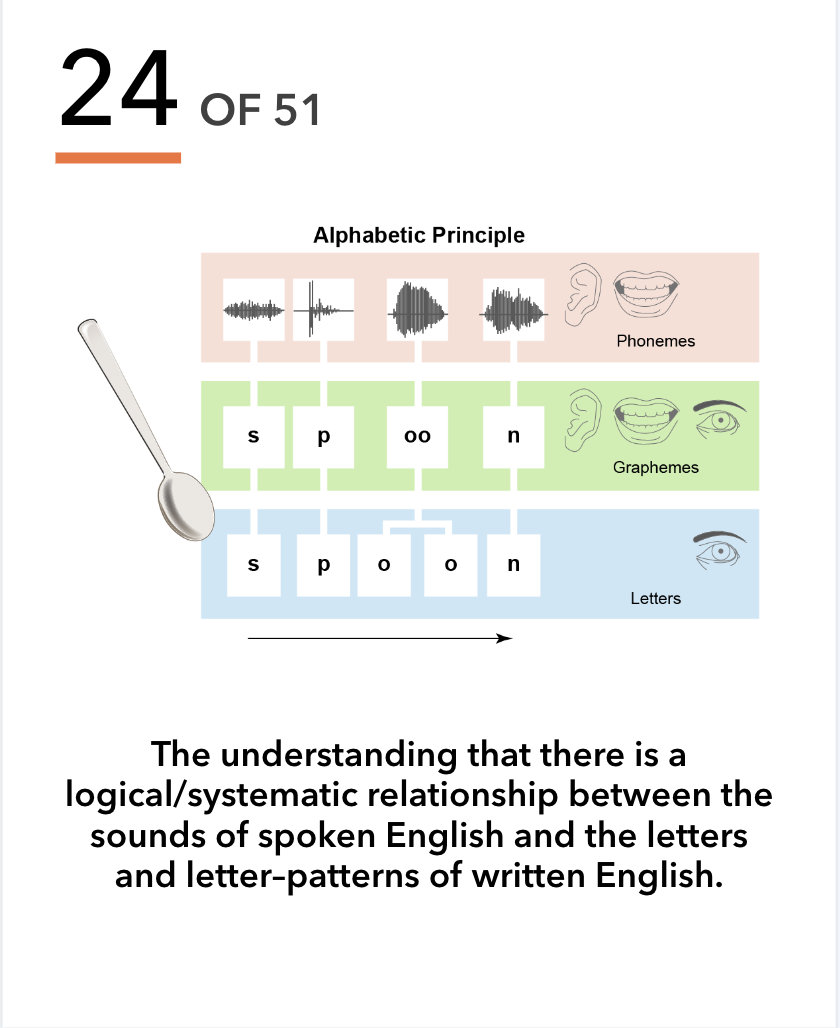
In reading out loud, being able to sound out words by breaking them into simple forms. In reading for comprehension, the understanding of how to read each letter or letter pattern in a word to determine the word’s meaning - 37Alphabetic PrincipleThe understanding that there is a logical/systematic relationship between the sounds of spoken English and the letters and letter–patterns of written English.
- 38Exit Slipsshort formative assessment given by a teacher after completing a lesson to determine the degree to which students have learned the material taught in the lesson
- 39Ongoing Assessmentan assessment that guides the pace and content of instruction
Example.
Ongoing assessments are used to determine student knowledge and dictate whether the class is prepared to move on to a new skill. - 40Reading Interventiona strategy applied to assist a struggling reader
Example.
Reading Interventions can help children overcome reading difficulties and become proficient readers. - 41Individualized Education Program (IEP)legally mandated, customized educational plan developed for students with disabilities in the United States, outlining specific learning goals, services, accommodations, and supports needed to meet their unique educational needs
- 42Attention Deficit Hyperactivity Disorder (ADHD)a label applied to individuals who have great difficulty concentrating on what they are doing AND are extremely active, impulsive, distractible, and excitable
- 43Portfoliostudents
- 44Case Managerthe educator responsible for making sure a student's unique learning needs are documented and supported
- 45—
Información
- Descripción
- Fichas sobre Teaching reading, creado por Aleida Guevara el 29/09/2024.
- Creado por
- Aleida Guevara
- Visitas
- 3
- Valoración