
Fichas
WYNTK Last One Henry Lopez
Fichas del conjunto (100)
- 1AmendmentA small change in the Constitution
- 2AssimilateTo take in an idea. To understand completely
- 3BiasMore favorable towards one group or side.
- 4BicameralTwo branches or houses
- 5BlockadeA barrier to keep something in or out
- 6BoomtownA fast growing city
- 7CapitalismA system used by the United States of America government
- 8Captains of IndustryLeaders of Industry that have fair wages for their workers and are idolized in the industrial market.
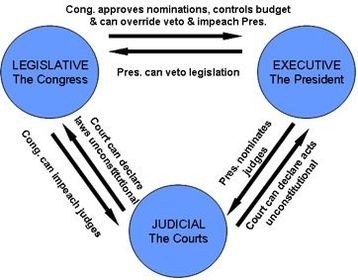
- 9Checks and BalancesWhen each branch of the government has limited and equal power over the other.
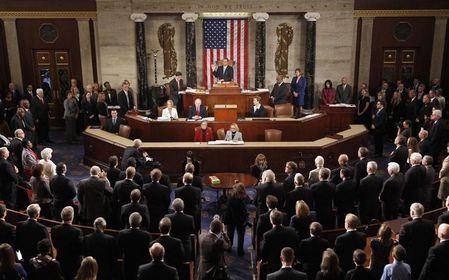
- 10CongressThe Government
- 11Due Process of LawThe right to have fair treatment and go through the judicial process.
- 12EconomicsThe system of money, dealing all the money.
- 13EmancipatedTo be freed
- 14EnfranchiseGiving the right to vote
- 15EnumeratedEstablish numbers.
- 16FederalismThe powers divided between the National, State, and Local governments.
- 17Forty-NinersThis is a name referring to the thousands of men who migrated to California in 1849 because of the discovery of gold there.
- 18Free EnterpriseA system in where companies and businesses compete and are in control of themselves.
- 19Habeas CorpusThis is the right to, after being under arrest, to be seen before the judge.
- 20IndustryEconomic process of manufacturing goods from raw materials.
- 21JudicialAppropriate to a court or judge.
- 22Ku Klux KlanA group of white supremacists who seek to strike fear into their enemies (blacks and black supporters) hearts and harass/kill them.
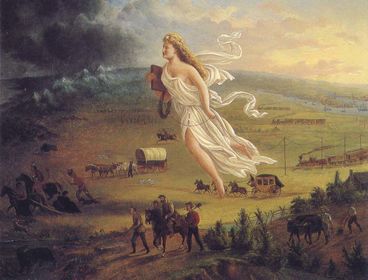
- 23Manifest DestinyThe term for the attitude present during the 19th century period, where Americans thought they were destine to reach coast to coast on their land.
- 24MartyrSomeone who dies for what they believe in.
- 25MonopolyThe complete control of supplies and trade in a system.
- 26NomadicA wanderer who does not stay in the same place and moves often.
- 27OverrideTo use authority to reject, cancel or overrule one's command.
- 28Popular SovereigntyThe power of the Government is sustained by the people.
- 29RatifyTo sign or give formal consent to.
- 30RadicalTo go further than the norm. To be more demanding.
- 31RepublicanismWhere the people elect who they want to be in power over them into political positions.
- 32Robber BaronSomeone who monopolizes the system and pays their workers less, as well as unsafe working environments. Someone who is unfair and greedy with all the money.
- 33RuralThe countryside and the farming culture.
- 34Separation of PowersEach of the three branches of the Government have their own powers in where they do not overlap the powers of the other branches. Equality of powers between the branches.
- 35Social DarwinismThe different opinions of who are the stronger or weaker people. The preference of people among a certain group.
- 36SuffrageThe right to vote in political elections.
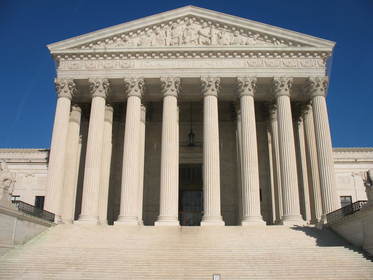
- 37Supreme CourtPart of the Judicial Branch and is to interpret the laws.
- 38TariffA tax or duty to be paid on a particular class of imports/exports.
- 39Taxation without RepresentationThe laws passed to tax the colonists were thought of as illegal according to the 1689 Bill of Rights, meaning they thought they were being stripped of their rights.
- 40Trade UnionA group of workers go on strike or boycott a company in order to get better pay, safer working conditions or less work hours.
- 41UrbanRelating to the characteristics of a city.
- 42VetoTo deny or decline.
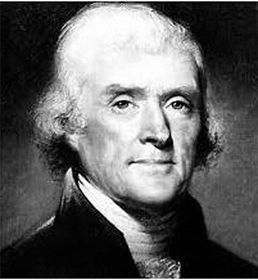
- 43Thomas JeffersonDraftsman of the U.S. Declaration of Independence, second Vice President and purchased the Louisiana Purchase.
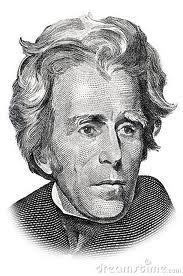
- 44Andrew JacksonSeventh President of the United States, was responsible for the Trail of Tears and thought of the "common man".
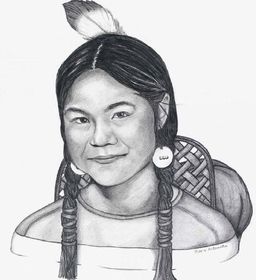
- 45SacagaweaCaptured by a Frenchman to be forcefully married and then invited by Lewis and Clark to be their interpreter.
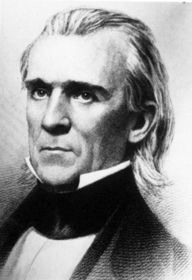
- 46James Polk14th President of the United States. Secured the Oregon Territory. Gained most land for the United States.
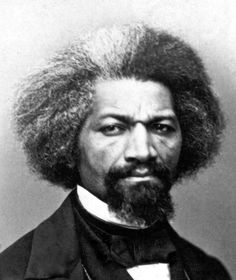
- 47Frederick DouglassEscaped from slavery and wanted all slaves to be free (abolitionist). Created the North Star newspaper.
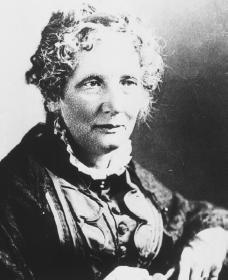
- 48Harriet BeecherAmerican abolitionist and author. Famous for writing Uncle Tom's Cabin which depicted an African American's life under slavery.
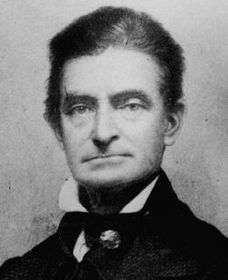
- 49John BrownLed a raid with his sons on Harper Ferry's Arsenal.
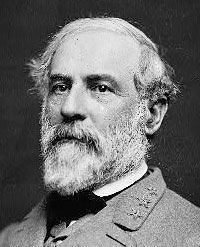
- 50Robert E. LeeConfederate General who led southern forces against the Union during the American Civil War.
- 51Andrew Johnson17th President that took over after President Lincoln was assassinated. Favored the South more than the North. Veto'd any bill that favored blacks.
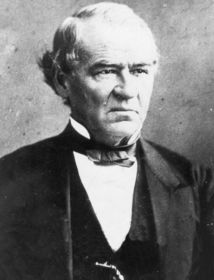
- 52Susan B. AnthonyAn abolitionist as well as a woman's rights activist.
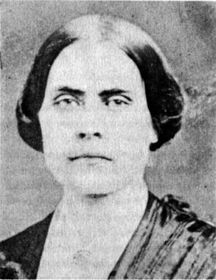
- 53Sitting BullNative American Chief of the Sioux tribes that united and had increased conflicts with U.S. authorities.
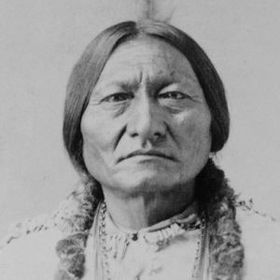
- 54George CusterU.S. Calvary Officer that led 200 of his men to their deaths at the battle of Little Bighorn.
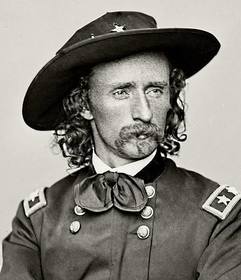
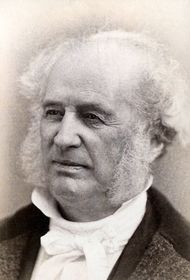
- 55Cornelius VanderbiltSelf-made multimillionaire that started out working in a shipyard. Then transferred to be successful in the railroad business.
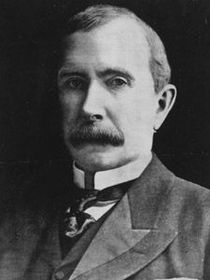
- 56John RockerfellerFirst monopoly to overcome America. John was a business man and a philanthropist. Made his money by dominating the oil market.
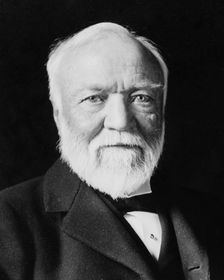
- 57Andrew CarnegieGained his money by mass producing steel for the first time. Donated his money at death to good causes.
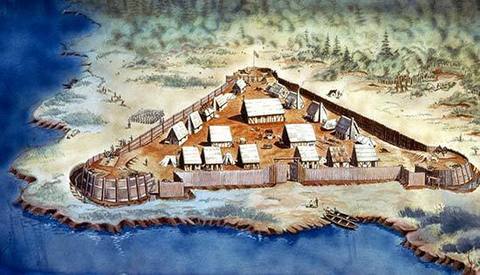
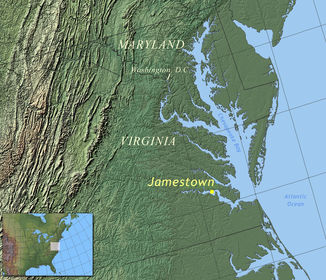
- 58JamestownAmericas first permanent English Colony
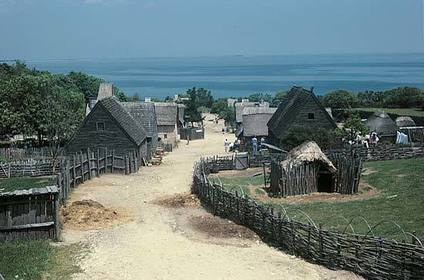
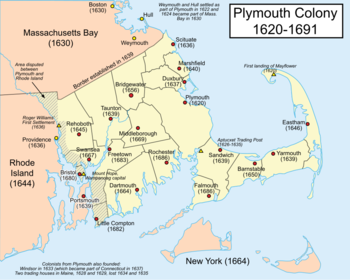
- 59PlymouthAnother one of the earliest successful colonies of America. Housed the Pilgrims
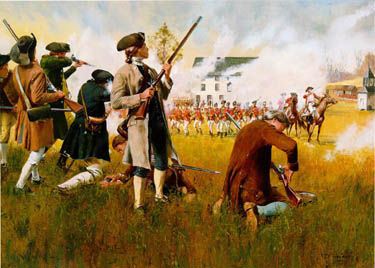
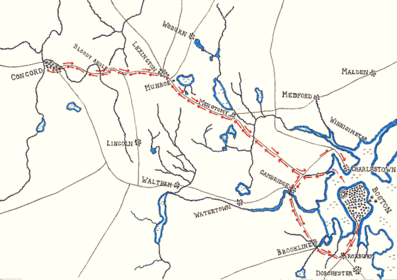
- 60Lexington and ConcordWhere the first engagements of the American Revolutionary War occurred.
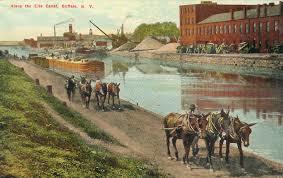
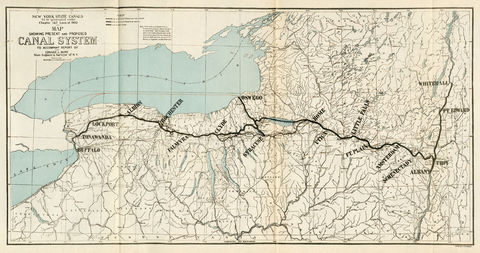
- 61Erie CanalLinks Lake Erie to the Hudson River and at the time it was amazing. "Eighth Wonder of the World"
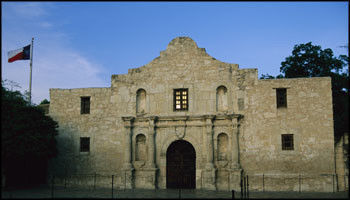
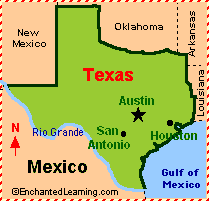
- 62The AlamoA 13-day siege where Mexican forces assaulted Alamo mission and killed all the Texans.
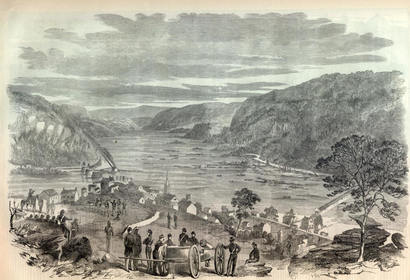
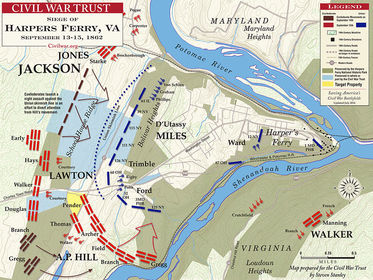
- 63Harper's FerryAn attempt by abolitionist John Brown to start an armed slave revolt.
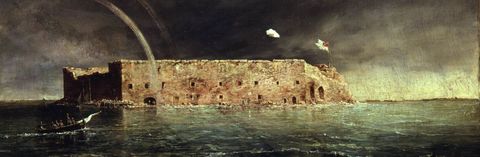
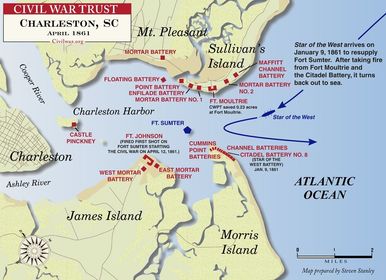
- 64Fort SumterThe cite where the first shots of the Civil War were fired.
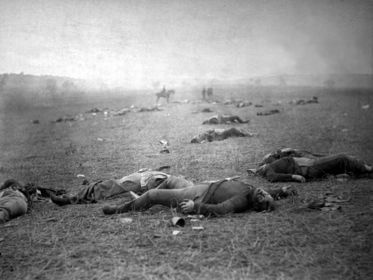
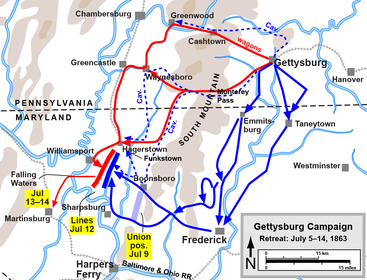
- 65GettysburgLargest battle of the American Civil War, also in America. Located in Pennsylvania.
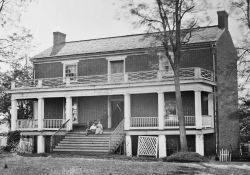
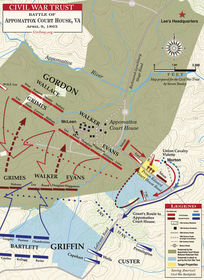
- 66Appomattox CourthouseLocation in which the Confederates largest army surrendered. Led by Robert E. Lee.
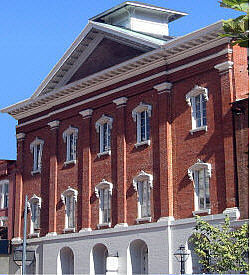
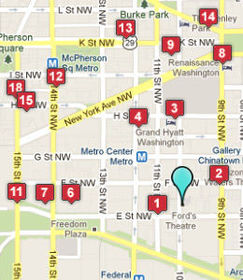
- 67Ford's TheaterThe place where John Wilkes Booth assassinated President Abraham Lincoln.
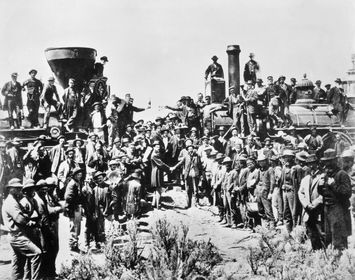
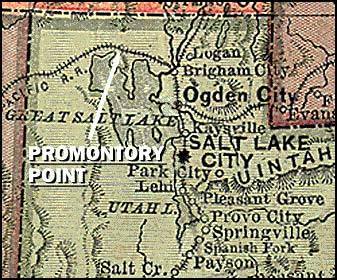
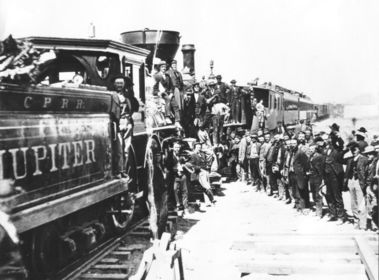
- 68Promontory Point, UtahWhere the Transcontinental Railroad was finished
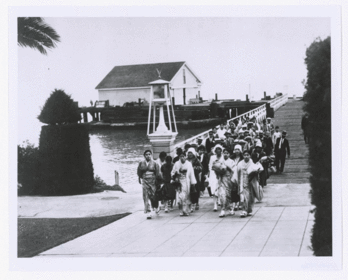
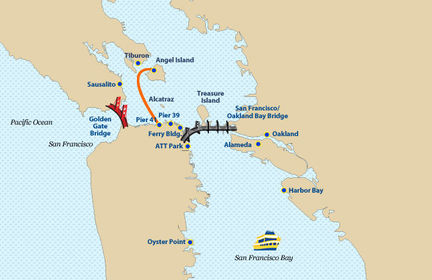
- 69Ellis Island and Angel IslandA place where immigrants where to come into America from. Ellis Island normally had European immigrants whereas Angel Island had more Asian immigrants.
- 70Declaration of IndependenceThe document that free'd American from Britain. Signed by our Founding Fathers.
- 71Revolutionary WarThe war that the Americans started to kick the British of their land.
- 72Articles of ConfederationThe first Constitution of America, was a failure though.
- 73Great ComprimiseThis led to the creation of the House and the Senate because two voting groups where arguing over wether a state should have votes based on their population not their size and vice versa.
- 74Passing the ConstitutionThe "Federal Convention" was created to vote to ratify it or not. The document was ratified obviously.
- 75Adding the Bill of RightsThe Bill of Rights was added to protect the basic rights of everyone that was a citizen of the U.S. from the Governments power.
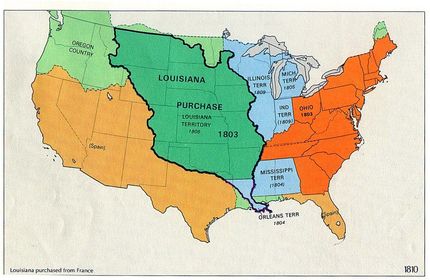
- 76Louisiana PurchaseThis territory was purchased by Thomas Jefferson from the French for only $15 million dollars. This land was 827,000 square miles west of the Mississippi.
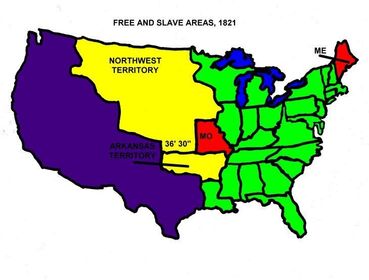
- 77Missouri CompromiseMissouri wanted to be entered as a slave state but that would offset the amount of free states and slave states. So, they entered Maine as a free state and drew and imaginary line across America to divide who would be entered as a free state or slave state.
- 78Indian Removal ActSigned off by Andrew Jackson. The Indians that occupied the territory the Americans wanted were stripped from their land and forced to move to not as luscious land so that the Americans could get what they wanted.
- 79Mexican-American WarWar between America and Mexico due to the annexation of Texas and wether it ended at Rio Grande or Nueces River.
- 80California Gold RushA time period in which gold was found in California started a great race for gold in the West.
- 81Homestead ActA person could receive land from the Government (160 acres) and they were to cultivate it and make it better in order to live on it.
- 82Industrial RevolutionPeriod of time where machines were making everything easier and more efficient so productions of goods and services were cheaper and quicker.
- 83Underground RailroadA path for escaped slaves to follow to get to safety in the North without getting caught. Led by Harriet Tubman.
- 84Seneca Falls ConventionThe first woman's right convention in America.
- 85Compromise of 1850Slave laws were more strict and California was admitted as a free state. Slave trade was now legal in Washington, D.C. New land in Utah.
- 86Kansas-Nebraska ActCreated the territories Kansas and Nebraska. Allowed settlers to decide wether they were a free state or a slave state.
- 87Dred Scott v. SanfordSupreme Court ruled that Americans with African descent were not American citizens and couldn't sue in court.
- 88Fugitive Slave actMade slave laws more strict. If a slave was found in a free state the person who found them, even if they didn't support slavery, were to return them to their masters.
- 89Bleeding KansasThe violent series of political confrontations between pro-slavery and anti-slavery people over wether Kansas should be free or slave.
- 90Civil WarThe War in which the North and the South clash due to slavery causes.
- 91Emancipation ProclomationThis announced that all slaves were free in the United States.
- 92Civil War Draft RiotsThese were riots that started because men were being drafted into the Civil War.
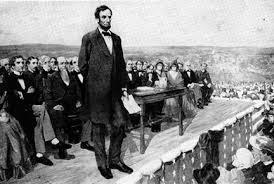
- 93Gettysburg AddressThis was the speech President Abraham Lincoln gave after the Battle of Gettysburg. One of the most famous speeches ever given in American history.
- 94ReconstructionThe period after the Civil War in which the South was in desperate need of help to reconstruct their economy and towns.
- 95Civil War Amendments (13th/14th/15th)These amendments were passed all to benefit African American slaves/ex-slaves. These included their freedom of slavery, the right to citizenship and the right to vote.
- 96Completion of Transcontinental RailroadThe completion of the railroad was at Promontory Point, Utah. It was a time and place of celebration for the workers.
- 97Indian WarsThere were many wars between the U.S. and the Indians before the Indian force was killed off. The one that ended all of it was called Little Bighorn.
- 98Gilded AgeThe Gilded Age was a time of money and mass production. It looked as if America was gaining a lot of money but in reality only a few people were becoming filthy rich.
- 99Populist PartyThe Populist Part was the third biggest political party at the time. Its purpose was to represent the common folk (farmers especially). Against the interest of rich people and companies.
- 100Plessy v. FergusonThis case was ruled in the African American's favor. He refused to sit in a Jim Crow car. The Supreme Court ruled "Separate but Equal"