
Fichas
Nutrition Midterm 2
Fichas del conjunto (76)
- 1Glycemic Carbhoydratesavailable for metabolism (provide energy and glucose), includes sugar and starches
- 2Hormones that control glucose (4)insulin, glucagon, epinephrine, corticosteroid (glucocorticoid)
- 3Use of glucose in liver (3)fuel, converted to glycogen, converted to triglyceride
- 4Type 2 Diabetesadult onset, insulin resistance, associated with high sugar/starch diet and obesity
- 5Type 1 diabetesjuvenile onset, insulin dependnat, need insulin pump or shots
- 6Glycemic Indexgive indication of physiological function of carbohydrates coming from a particular food
- 7Glycemic LoadGI x glycemic carbohydrate concentration for a food
- 8sources of fibre (5)whole fruits, veggies, whole grains, legumes, added fibre ingredients
- 9benefits of fibre in GI tractviscous effect, reduces acid reflux, increased satiety, increased stool bulk, reduced toxin exposure, microbial fermentation, bile acid binding (cholesterol reduction), improved immune function, resistance to growth of bad microflora
- 10types of insoluble dietary fibre (3)cellulose, lignan, hemicellulose
- 11Soluble Dietary Fibres (4)Pectins, Gus, Glucans, Inulin
- 12Probiotics and Prebioticsprobiotics grow in gut and have benificial health effects, prebiotics = complex carbs required for probiotic growth
- 13Functions of Sugars in food (9)sweetness, body/texture, preservative, growth substrate, browning reactions with heat, heat and amino acids, crystal formation, freezing point depression, binding of flavours
- 14Functions of non starch polysaccharides in foods (4)water holding, viscosity, texture modification, gelation
- 15SynerisisH-bonded network in starch squeezes out water
- 16Retrograde (starch)returns to crystalline structure (but structure is different)
- 17Types of starch modification (3)pregelatinized, acid modified, crosslinked
- 18starch hydrolysatesbreak polymers into sugars (heat+acid+enzymes=partial hydrolysis)
- 19main ingredients in beer (6)Barley, Water, Hops, Yeast, Adjuncts, Additives
- 20Steps in Beer Making (10)Malting, Mashing, Lautering, Sparging, Brewing, Fermentation, Conditioning, Finishing, Racking, Pasteurizing
- 21goals of Brewing (6)inactivate enzymes, sterilize, develop colour and flavour, denature proteins, evaporate water, remove volatiles
- 22nutritional value of fatty acidsact as source of energy, carrier of fat soluble vitamins
- 23unsaturated fats1 or more double bonds in structure, not saturated in hydrogen
- 24Triglyceride compositionglycerol + 3 fatty acids
- 25Phospholipid structureglycerol + 2 fatty acids, phosphate in 3rd position
- 26Cholesterol structure4 ring structure + chain of carbons
- 27Functions of essential fatty acids (8)raw material for eicosanoids, structural/functional in cell membranes, contribute lipids to brain and nerves, promote normal growth and vision, gene regulation, structure of skin, support immune cells, regulate genetic activities affecting metabolism
- 28Final composition of beer93% water, 4% alcohol, 3.5% carbohydrate (mostly oligosaccharides, starch fragments 4-10 glucose units long), 0.3% protein and non protein nitrogen, many other minor components
- 29primary palmitatestorage fatty acid
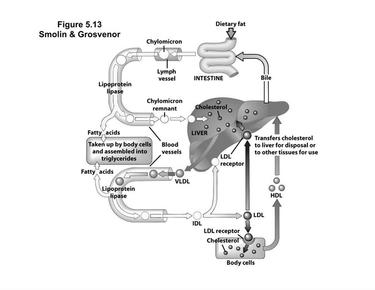
- 30Explain the path of VLDL in the blood
- 31determinant of size of lipoprotein particlesamount of triglycerides
- 32Exception to hight fat diet to CVD trend (3)Inuit and Northern Scandinavian, Mediterranean, French
- 33Atherosclerosisplaque deposited on walls of blood vessels
- 34Plaque compostionLipids, white blood cells, calcium
- 35factors that increase plaque binding sites (4)genetics, high blood pressure, chemicals in blood, microbial infection
- 36Ischemiaarterial enlargement blocking blood flow (usually around plaque)
- 37Endothelial ruptureplaque breaks free forming thrombus (clot) which circulates
- 38components that reduce CVD riskpolyunsaturated n-6, n-3, oleic, antioxidants, starch and glucose, plant sterols, fibre
- 39components that increase CVD riskunsaturated fatty acid, trans PUFA (double negative)
- 40functions of lipids in food (8)flavour, lubricant, satiety, texture, cooking medium, shortening, emulsification, structural agent
- 41Processing of fats and oilsextraction, degumming, refining, bleaching, deodourization
- 42modification of fats and oilshydrogenation, interesterification, fractionation/winterization
- 43Uses of fats and oilscooking/frying/ingredient, shortening, emulsification
- 44types of protein (4)casein, albumen, fibrin, gelatin
- 45components of amino acids (3)amino group, carboxylic acid, R group
- 46levels of protein strutureacid sequence, alpha helix/beta sheet, complete folded, interaction with other proteins
- 47methods of denaturation (4)heat, pH, salts, pressure
- 489 essential EAAhistidine, lysine, threonine, isoleucine, methionine, tryptophan, leucine, phenyalanine, valine
- 49Limiting amino acidsEssential aa whose concentration in food is lowest in relation to aa’s required for protein synthesis
- 50determinants of nutritional value of proteins (2)composition, ease of digestion
- 51AASamino acid score - How much dietary protein contributes aa in reference to requirements
- 52amino acid complementationbalance in protein relative to human needs
- 53PDCAASprotein digestibility corrected amino acid score
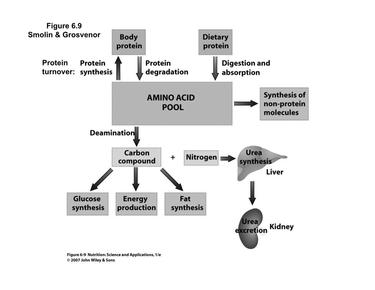
- 54protein digestion and assimilation
- 55protein functions in the body (5)structural, regulatory, enzymes, defensive, buffer
- 56explain the intestinal mucosa and allergiesmucosa closure not complete, proteins allowed through, viewed as antigens
- 57Kwashiorkorlack of protein, can also be related to infection/toxin - emaciation and edema
- 58isoelectric pointpH at which charges are neturalized
- 5912 functions of protein in foodsolubility, viscosity, gelatin, water binding, cohesion, elasticity, emulsification, foaming, fat binding, film forming, fibre forming, sensory
- 60primary processingdry and wet milling
- 61glutenmatrix formed when gliadins and glutenins mixed with water
- 62extraction ratewt flour/wt grain x 100%, higher rate = more protein in flour
- 63all purpose flower75% hard wheat flour, 25% soft wheat flour - suitable for both breads and cakes
- 64source of leaveningchemicals (baking powder/soda) or added yeast
- 65shortening effectsoft, crystalline fats interrupt extensibility and network formation of gluten
- 66pasta productionstiff dough extruded into different shapes, controlled drying
- 67breakfast cereal productionstiff dough formation, product shaping, controlled drying, toasting?
- 68muscle compositionprotein (16-22%), lipid (1.5-13%), minerals (1%), water (65-80%)
- 69muscle structureMuscle → fibre bundles → fibres → fibril bundles → individual fibrils → actin (thin) and myosin (thick)
- 70meat colourferrous = red/purple (reversible), ferric = brown (irreversible)
- 71significance of rigor mortis in meatmust be aged to allow enzyme action to relax muscles (slow chilling for best quality)
- 72meat quality characteristicsflavour, tenderness, fat to lean ratio, cooking
- 73factors in conversion of muscle to meatpH, water holding capacity, rigor mortis
- 74factors affecting meat tendernesslocation and age of muscle, sarcomere length, connective tissue, pH, aging
- 75Dental Cariesamylase and bacteria in mouth metabolize carbs and produce acids which attack tooth structure
- 76factors affecting glycemic loadamount of fat, type of starch, extent of cooking, modifications, cellular structure, fibre
Información
- Descripción
- (Fall 2013) Fichas sobre Nutrition Midterm 2, creado por j_sunga el 16/10/2013.
- Creado por
- j_sunga
- Visitas
- 53
- Etiquetas
- Valoración