Fichas
Unit 1.2 Energy and the Cycles of Life
Fichas del conjunto (20)
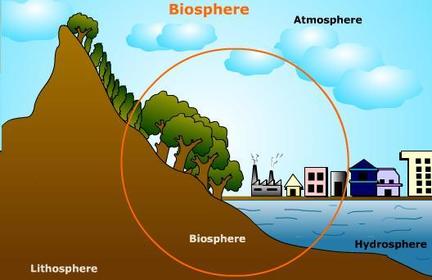
- 1What is the Earth's biosphere and what is it made up of?Earth's biosphere is the zone in which plants and animals live. It is a complex system, made up of many local systems called ecosystems.
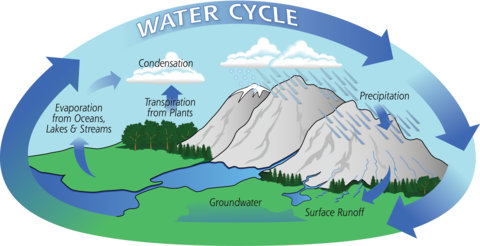
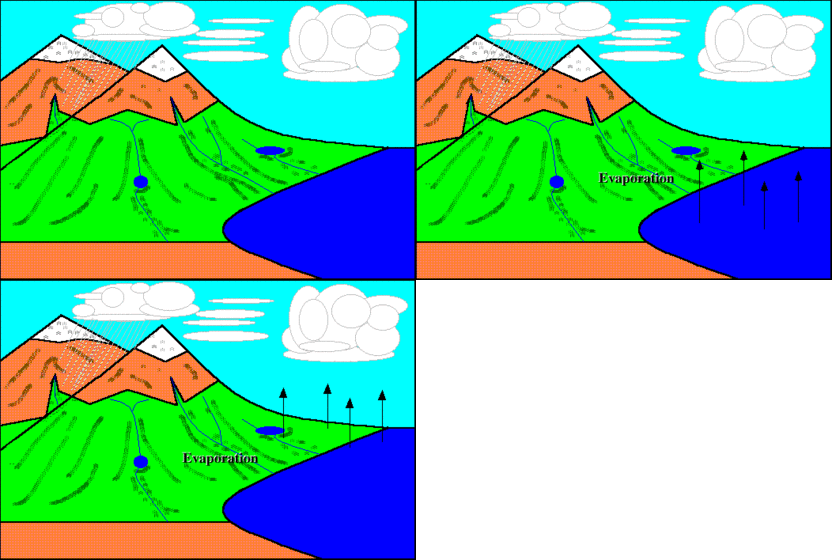
- 2Explain the Water cycle.Water first evaporates from oceans and lake, then it moves through the atmosphere as invisible water vapour.Later it condenses to form visible clouds fog and mist. Finally, it falls as precipitation. And the cycle begins again.
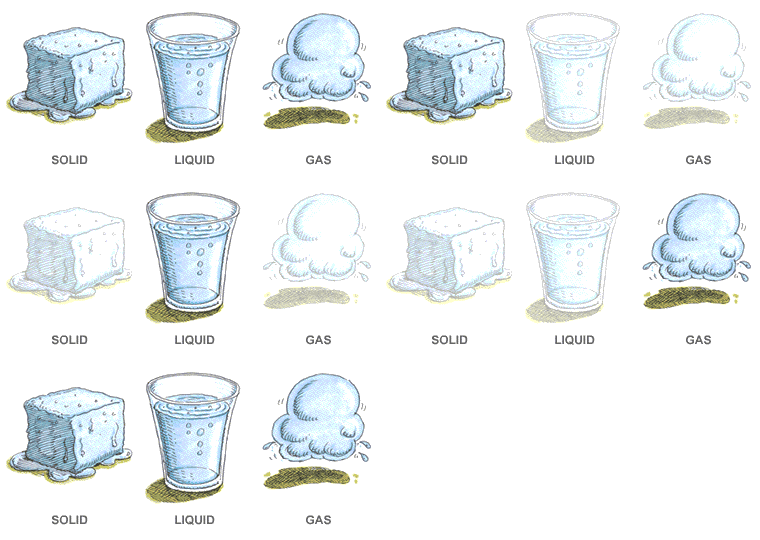
- 3How many states does water exist in and what are they?
- 4Why does Ice float ?Ice float on water because water molecules become longer while forming ice, water expands but the mass remains the same.Only its volume increases.
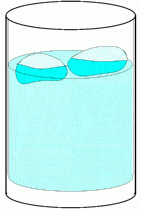
- 5What would happen if Ice doesn't float?If Ice doesn't float, Ice would sink to the bottom of the ocean after forming on the surface, causing the ocean to freeze, and life, therefore, would be impossible for almost all organisms.
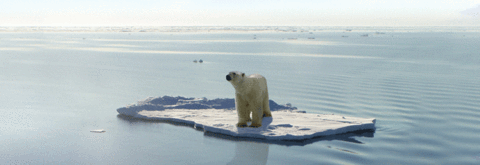
- 6Why does it take a large amount of energy to heat water up?Liquid water has a very large heat capacity, therefore it takes a large amount of energy to heat water up and change its temperature.
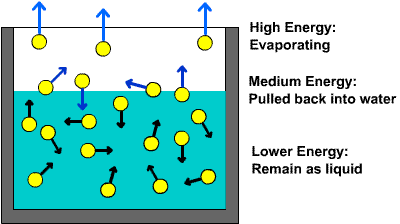
- 7Why does steam from a boiling kettle burn you more badly than a boiling liquid water?Steam from the mouth of a boiling kettle will burn you much more badly than even boiling water, because a very large amount of energy is added to the water when it changes from liquid to gas.
- 8What are the processes in the water cycle that involve large energy transfers?1- Evaporation of water from the surface of the ocean
2- Condensation of water vapour to form clouds
3- Formation of snow and hail in clouds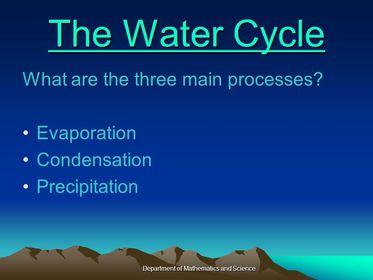
- 9What is the carbon cycle?The carbon cycle is a natural process of circulation of carbon between the atmosphere and living organisms.
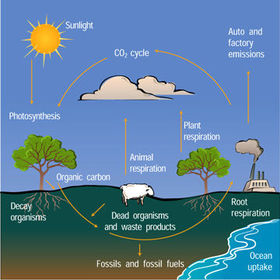
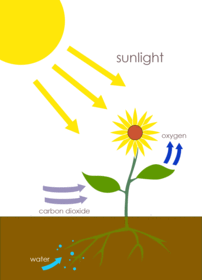
- 10How do plants benefit from the Carbon cycle?Green plants use carbon dioxide along with water and solar energy to make sugars such as glucose and oxygen.
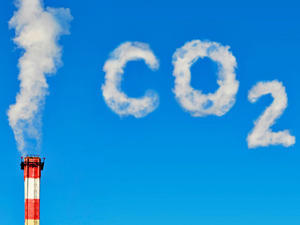
- 11What are other ways in which Carbon dioxide is released into the atmosphere?Bacteria and decomposer organisms release carbon dioxide while living things breathe out carbon dioxide into the atmosphere.
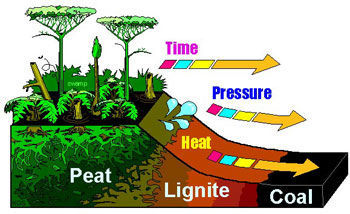
- 12How did fossil fuels develop over time?Over time, heat and pressure have transformed these large amounts of once-living plants and animals underground into fossil fuels such as coal, gas, and oil.
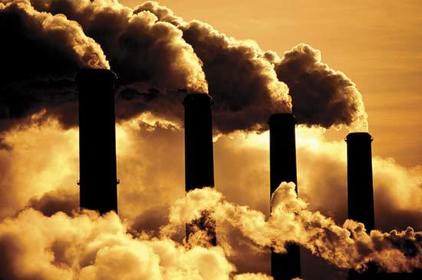
- 13What happens when fossil fuels are burnt?When fossil fuels are burnt to power transportation or generate electricity, this ancient carbon dioxide is added to the atmosphere.
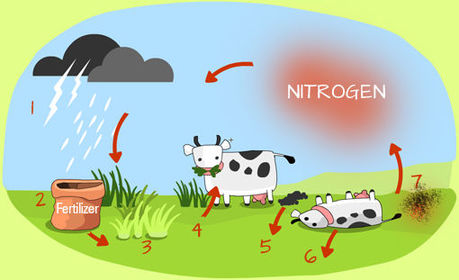
- 14What is the fixation process?"Fixation" is the name given to the processes that make nitrogen available for living things.
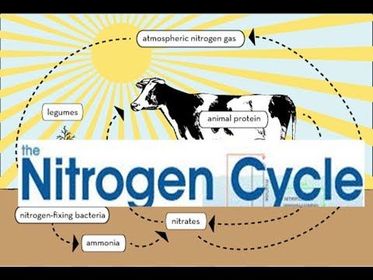
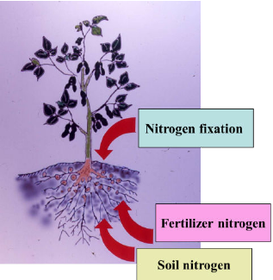
- 15What are the three places that Nitrogen is fixed in?Nitrogen is fixed in the atmosphere by lightning, biologically by some bacteria and industrially in human processes to make fertiliser.
- 16What completes the Nitrogen cycle?Decomposer organisms such as bacteria release Nitrogen after decomposing dead organisms into the atmosphere, which then completes the Nitrogen cycle.
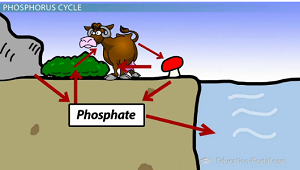
- 17What is the Phosphorus cycle?The phosphorus cycle involves phosphorus moving from rocks to living organisms and back again, but its far slower than any of the othere cycles.
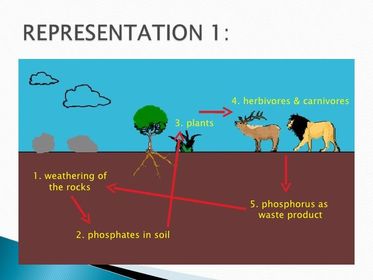
- 18What happens in the weathering process in the phosphorus cycle?Phosphate compounds in rocks are released as the rocks weather.
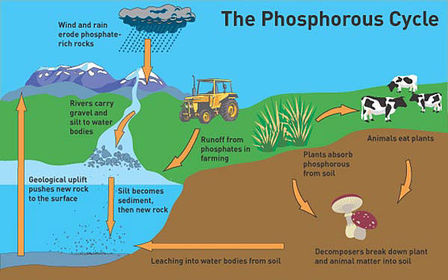
- 19What happens to the phosphates that are dissolved in water?The phosphates dissolve in water and are taken up by plants as nutrients. Animals then eat the plants and gain the phosphorus compounds they need for growth.
- 20Why do humans manufacture phosphate fertilisers?Rocks don't contain a large amount of phosphorus, and soil without enough phosphorus doesn't have enough nutrients to grow many plants. For this reason, humans manufacture phosphate fertilisers.